
All categories
Featured selections
Trade Assurance
Buyer Central
Help Center
Get the app
Become a supplier
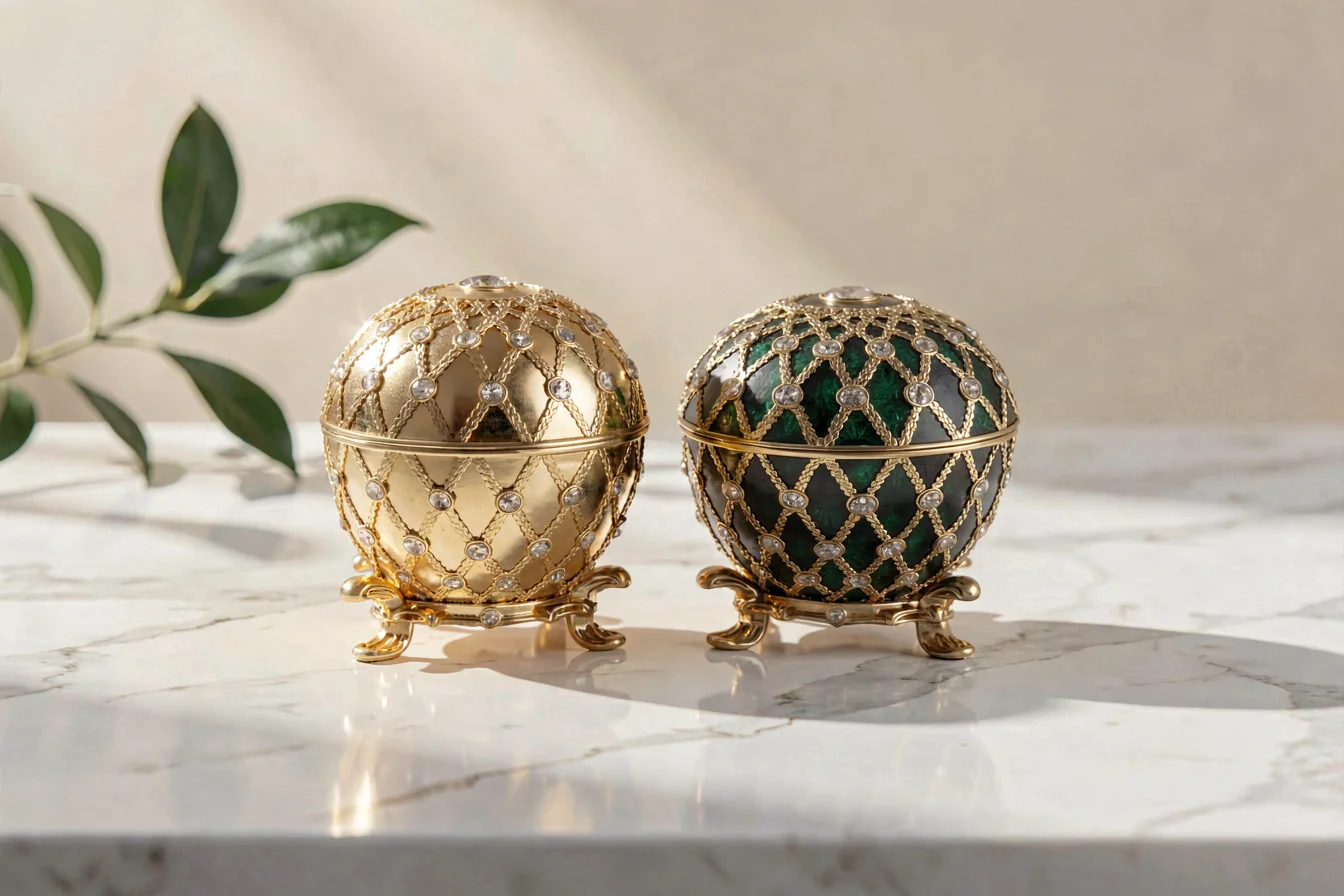
Gold-plated Fabergé eggs are experiencing a surge in search interest and decorative appeal, especially for gifting and interior design, while traditional fabergé egg retains unmatched prestige and rarity as a collectible. Buyers must weigh authenticity, investment potential, and decorative versatility—gold variants offer broader market access and momentum, but traditional eggs remain the gold standard for provenance and value[1][2]. For procurement, gold-plated eggs are ideal for mass-market appeal, while traditional eggs should be reserved for high-end collectors and institutional buyers.
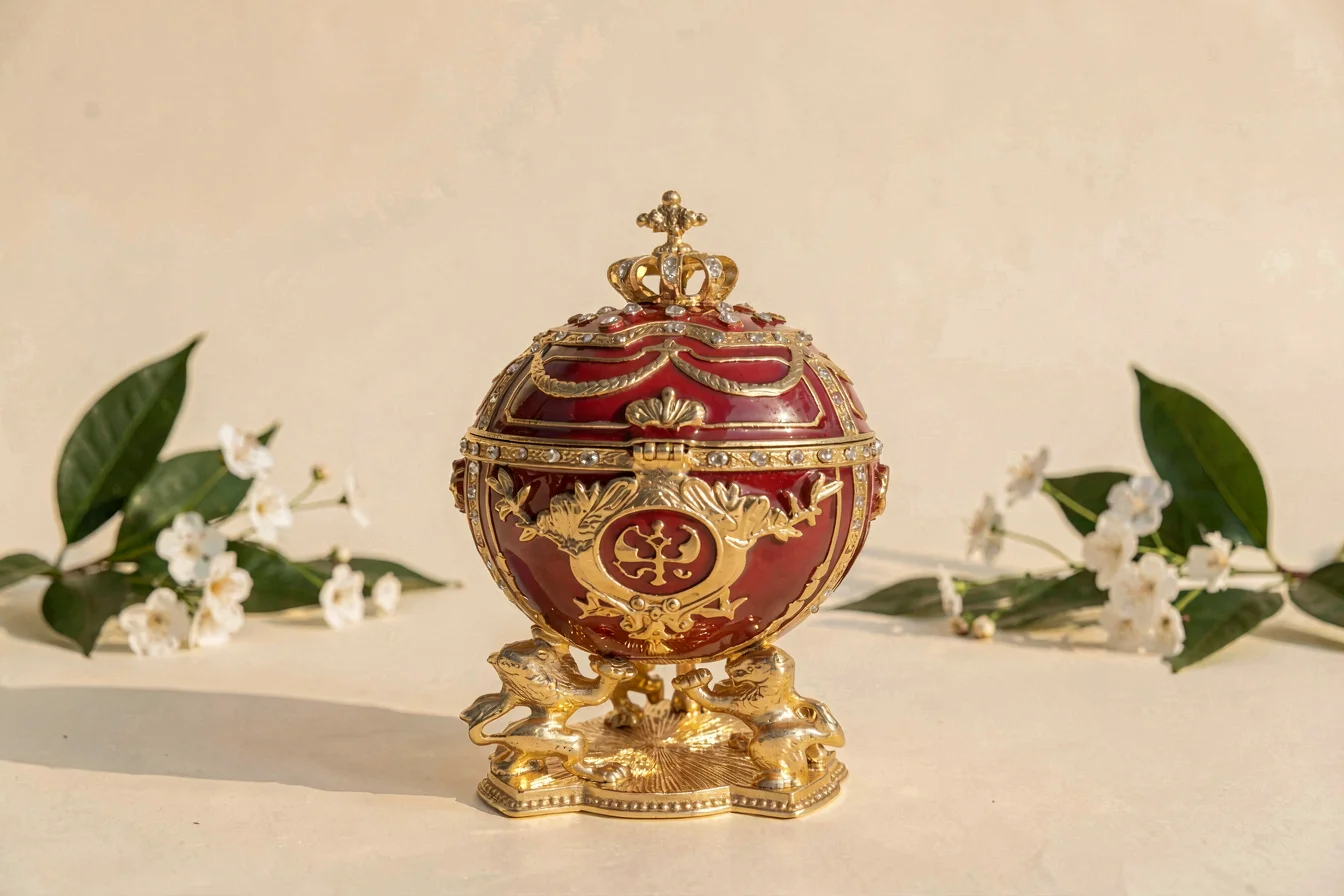
Both gold fabergé egg and traditional fabergé egg cater to distinct segments: gold-plated variants target mass-market buyers seeking affordable luxury, while traditional eggs are sought after by collectors and institutions for their authenticity and historical significance. The core value proposition of the Fabergé egg lies in its craftsmanship, surprise mechanisms, and opulent materials—gold-plated eggs replicate these features using modern manufacturing, while traditional eggs are handcrafted, often with rare gemstones and bespoke surprises[2][3][4]. The urgency for buyers is to differentiate between gold-plated, genuine, and replicas, as confusion persists in the market.
Gold-plated Fabergé eggs are designed for decorative display and gifting, with enamel, guilloché, and gold finishes, but lack the unique surprise mechanisms and provenance of traditional eggs. Traditional Fabergé eggs, crafted by Carl Fabergé for the Russian imperial family, are celebrated for their artistry, historical legacy, and museum-grade materials. Innovations in gold-plated variants include customizable finishes and lower price points, while traditional eggs continue to rely on hand-finished techniques and rare gemstones. The primary challenge is ensuring authenticity—many gold-plated eggs are mistaken for genuine, but their value is much lower[5][7][9].
| Feature | Gold Fabergé Egg | Traditional Fabergé Egg |
|---|---|---|
| Authenticity | Mass-produced, gold-plated | Handcrafted, museum-verified |
| Material | Gold-plated, enamel, rhinestones | Solid gold, rare gems, enamel |
| Surprise Mechanism | Simple, decorative | Complex, bespoke |
| Price Range | $50–$500 | $10,000+ |
| Market Appeal | Decorative, mass-market | Collectible, institutional |
Gold-plated Fabergé eggs offer accessible luxury, while traditional Fabergé eggs are unrivaled in authenticity and investment value.
Durability is a key concern for both gold fabergé egg and traditional fabergé egg buyers. Gold-plated eggs are typically made of base metal with a gold layer, making them susceptible to tarnish and wear over time, while traditional eggs—crafted from solid gold and enamel—maintain their luster and structural integrity for centuries[2][3]. Application scenarios vary: gold-plated eggs excel in decorative displays and gifting, whereas traditional eggs are reserved for museum-grade collections and high-profile events. Long-term cost considerations include initial price, maintenance (cleaning, restoration), and replacement frequency. Gold-plated eggs require periodic polishing and may lose value, while traditional eggs appreciate in value and rarely require restoration.
The 5-year cost outlook reveals that gold-plated eggs are cost-effective for frequent gifting and display, but traditional eggs are a long-term investment with appreciation potential. Hidden costs for gold-plated eggs include authenticity verification and risk of depreciation. Traditional eggs, while expensive upfront, deliver enduring value and prestige.
| Cost Factor | Gold Fabergé Egg | Traditional Fabergé Egg |
|---|---|---|
| Initial Price | $50–$500 | $10,000+ |
| Maintenance | Polishing, periodic restoration | Minimal, museum-grade care |
| Replacement Frequency | Every 5–10 years | Rarely, centuries |
| Hidden Costs | Authenticity verification, depreciation | Appraisal, insurance |
| Resale Value | Low, fluctuates | High, appreciates |
Traditional Fabergé eggs deliver long-term investment value and durability, while gold-plated eggs are cost-effective for display and gifting but may depreciate over time.
The core value of the Fabergé egg category is its ability to merge luxury, artistry, and collectible status. The current competitive landscape is defined by rising demand for decorative luxury items, especially in home decor and gifting, and a persistent prestige for genuine imperial eggs in the collector market. Urbanization and multi-generational living have increased the demand for affordable luxury items, while e-commerce and social media amplify the visibility of gold-plated variants.
Gold-plated Fabergé eggs are ideal for decorative and gifting applications, while traditional eggs excel in institutional and investment contexts.
Google Trends data show a sharp rise in search interest for gold-plated Fabergé egg ornaments, peaking at 100 in February 2026, while traditional Fabergé egg collectibles remain steady at 16[1]. This indicates a growing preference for gold-plated variants in decorative and gifting markets, with spikes around holidays and events. Real-world purchasing behavior is split: gold-plated eggs dominate mass-market sales, while traditional eggs drive auction and collector demand.
Search Interest over Time
Gold-plated Fabergé eggs are experiencing rapid market momentum, while traditional eggs remain stable but rare.
Social media and Reddit data reveal polarized sentiment: gold-plated Fabergé eggs are praised for affordability and decorative appeal, but authenticity confusion persists. Traditional Fabergé eggs inspire reverence but are criticized for high prices and rarity. Case studies highlight two distinct buyer personas: a collector seeking authenticity and a decorator looking for affordable luxury.
Case Study 1: Collector’s Dilemma
A Reddit user posted about finding a small egg marked “Irice” and debated whether it was a genuine Fabergé egg or a gold-plated replica. Comments ranged from “Definitely not a Fabergé egg but a flagon by Irving Rice. Semi valuable.” to “This antique Czechoslovakian perfume bottle sits inside of a hinged gold filigree footed basket…MUST HAVE for all mini perfume bottle collectors.” This reflects the confusion and value debate among collectors[5].
“Definitely not a Fabergé egg but a flagon by Irving Rice. Semi valuable.” — Reddit user
Case Study 2: Decorator’s Perspective
Another Reddit user shared an album inspired by Fabergé eggs, describing the style as “opulent, fully glam, wearable.” Comments were positive, with users expressing desire to “wear these things everyday” and “achieve this style.” This indicates the decorative and trend-driven appeal of gold-plated variants[6].
“The last one of all would be something I would 100% wear. It's the style I want to achieve.” — Reddit user
| Dimension | Gold Fabergé Egg | Traditional Fabergé Egg |
|---|---|---|
| Overall Satisfaction | High for decorative use | Very high for collectors |
| Most Praised Feature | Affordability, design | Authenticity, rarity |
| Most Common Complaint | Authenticity confusion | High price, rarity |
| Community Recommendation Rate | Moderate (decorative) | High (collector) |
Viral content themes include debates over authenticity, the influence of Fabergé eggs on fashion and interior design, and the emotional value of owning a piece of history. Recurring debate points include the ethics of luxury versus necessity, the value of museum-grade vs. mass-market items, and the cultural significance of the Fabergé egg legacy[8][9][10].
Gold-plated Fabergé eggs are celebrated for decorative appeal, while traditional eggs evoke reverence and investment desire.
Buyers should begin by clarifying their core needs: Is the egg for decorative display, gifting, investment, or museum-grade collection? Key questions include:
Tiered recommendations:
| Tier | Recommended Product | Key Reason |
|---|---|---|
| Budget-Friendly | Gold Fabergé Egg | Affordable luxury, decorative appeal |
| Mid-Range | Gold Fabergé Egg | Customizable finishes, gifting versatility |
| Premium | Traditional Fabergé Egg | Authenticity, investment value |
Optimization tips:
Buyers should match their choice to their primary use case, budget, and authenticity requirements for optimal procurement.
Synthesis of insights: Gold-plated Fabergé eggs are experiencing rapid market momentum, especially in decorative and gifting applications, while traditional Fabergé eggs remain the gold standard for authenticity and investment. For the next 6–12 months, buyers should anticipate continued growth in demand for gold-plated eggs, with spikes around holidays and seasonal events. Traditional eggs will remain stable but rare, with auction prices likely to rise as provenance becomes harder to verify.
Forward-looking recommendation: Buyers should diversify their portfolio, investing in traditional eggs for long-term appreciation and leveraging gold-plated variants for mass-market appeal and decorative gifting. Commercial buyers should source from verified suppliers on Alibaba.com for authenticity and quality assurance.
Gold-plated Fabergé eggs offer accessible luxury and broad market appeal, while traditional eggs are the ultimate collectible for investment and prestige.
Emotional call-to-action: Share your experiences and insights with the community, and commercial buyers should confidently source verified gold fabergé egg and traditional fabergé egg products from Alibaba.com for optimal procurement and investment.