
All categories
Featured selections
Trade Assurance
Buyer Central
Help Center
Get the app
Become a supplier
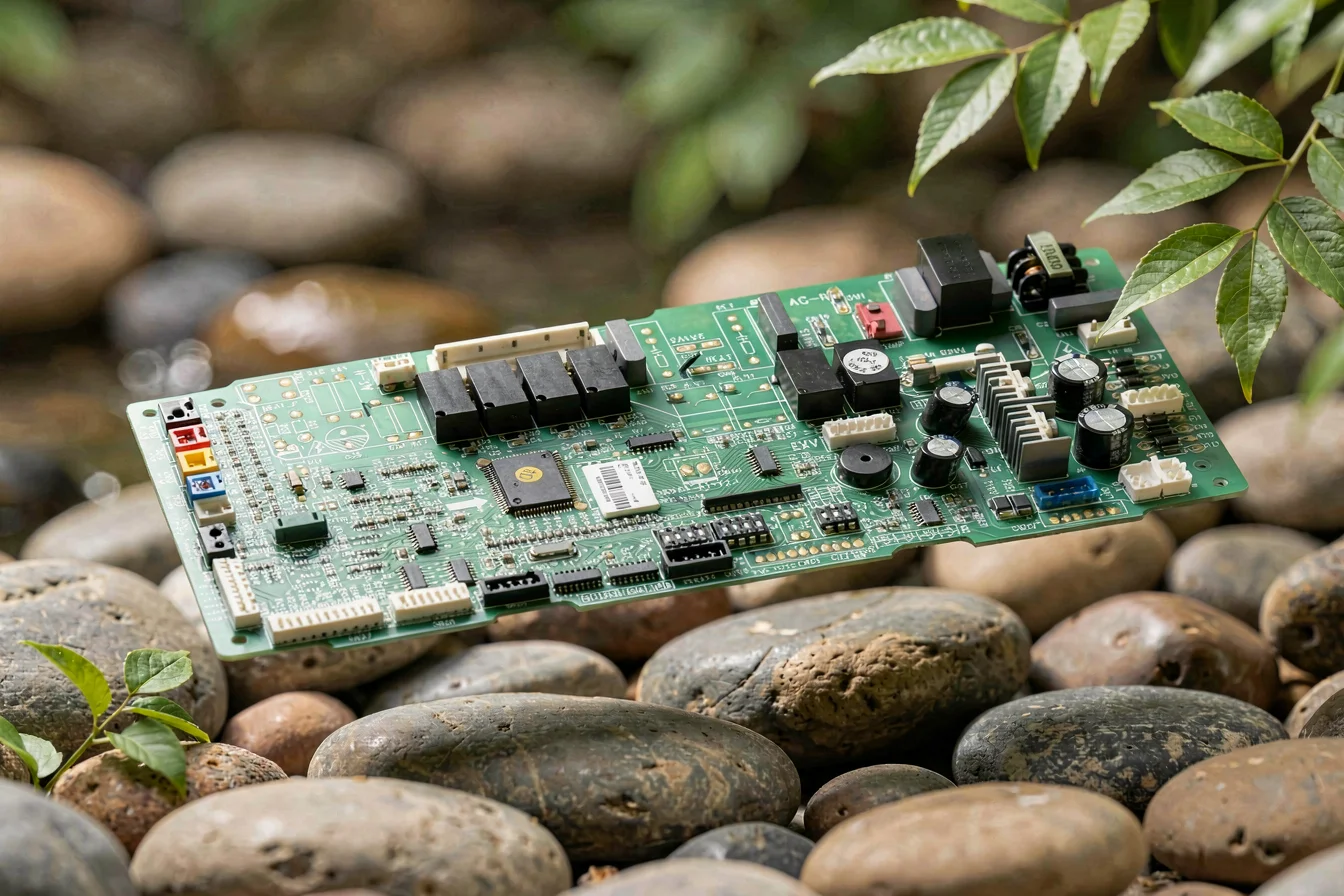
In 2026, gree air conditioner remains the dominant procurement target for mainstream buyers due to its high search momentum, broad consumer appeal, and critical role in residential and commercial HVAC markets. In contrast, gree PCB board is primarily sought by repair technicians, OEMs, and electronics supply chain managers, with limited mainstream demand. Buyers should prioritize gree air conditioner for end-user applications, but gree PCB board offers value for maintenance, replacement, or electronics sourcing.
The procurement dilemma between gree PCB board and gree air conditioner hinges on buyer intent: the former is a specialized component for repair, maintenance, and electronics manufacturing, while the latter is a complete end-user product driving HVAC demand. Gree PCB board is crucial for technicians seeking replacement or repair solutions, offering technical depth and compatibility with various AC models. Meanwhile, gree air conditioner addresses cooling needs for residential, commercial, and industrial spaces, with features such as inverter technology, mold protection, and WiFi connectivity.
The urgency to make an informed decision is driven by fluctuating supply chain reliability, warranty failures, and seasonal demand spikes for air conditioners, while PCB board demand is steady but niche, tied to repair cycles and OEM sourcing. Technological innovations in gree air conditioner include advanced mold removal, inverter efficiency, and smart controls, whereas gree PCB board improvements focus on durability, compatibility, and ease of integration in repair scenarios.
Traditional challenges: gree air conditioner buyers face reliability and warranty support issues, as highlighted in Reddit discussions [3][7][8]. Gree PCB board buyers encounter compatibility, sourcing, and replacement cost concerns. Innovations: AC units now offer anti-mold, smart WiFi, and inverter technology, while PCB boards benefit from improved circuit design and modular integration.
| Feature | Gree PCB Board | Gree Air Conditioner |
|---|---|---|
| Target Audience | Technicians, OEMs, Repair Shops | Residential, Commercial, B2B Buyers |
| Core Value | Repair, Replacement, Electronics Sourcing | Cooling, Energy Efficiency, Smart Control |
| Procurement Urgency | Steady, Repair-Driven | Seasonal, High Demand (Summer/Winter) |
| Technical Innovations | Improved Circuit Design, Modular Integration | Inverter Tech, Mold Removal, WiFi Control |
| Warranty & Reliability | Limited, Repair-Dependent | Mixed, Warranty Failures Common |
The choice between gree PCB board and gree air conditioner is dictated by buyer intent: repair technicians and OEMs prioritize PCB Board, while mainstream buyers overwhelmingly select Gree Air Conditioner for cooling applications.
Durability is a critical factor in both product categories, but manifests differently. Gree PCB board durability depends on circuit design, solder quality, and compatibility with AC models, with typical lifespan tied to repair cycles and replacement intervals. Gree air conditioner durability is measured by compressor reliability, inverter performance, and anti-mold features, with lifespan typically 5–10 years under proper maintenance.
Application scenarios: gree PCB board is used by technicians for AC repair, electronics manufacturing, and OEM sourcing, excelling in environments where replacement and integration are frequent. Gree air conditioner is deployed in residential, commercial, and industrial settings, excelling in cooling, humidity control, and smart home integration.
Long-term cost outlook: gree PCB board costs are driven by replacement frequency, compatibility, and technician labor. Gree air conditioner costs include initial purchase, maintenance, repair cycles, and energy consumption. The 5-year cost of ownership is higher for AC units due to repair and warranty issues, but lower for PCB boards as they are primarily replacement parts.
| Cost Factor | Gree PCB Board | Gree Air Conditioner |
|---|---|---|
| Initial Purchase Price | $50–$150/unit | $200–$1,200/unit |
| Maintenance & Labor | $20–$80/repair | $50–$200/year |
| Replacement Frequency | 2–5 years | 5–10 years |
| Hidden Costs | Compatibility, technician fees | Warranty failures, repair cycles |
| Total 5-Year Cost | $100–$300 | $500–$1,600 |
Durability, application, and cost considerations strongly favor gree air conditioner for end-user buyers, while gree PCB board is cost-effective for repair and maintenance scenarios.
The core value of the gree PCB board and gree air conditioner categories is evident in their respective markets: PCB boards drive repair and OEM supply chains, while AC units dominate residential and commercial HVAC demand. In 2026, the urgency to optimize procurement is driven by urbanization, rising energy costs, and the proliferation of smart home systems.
Market trend data confirms that gree air conditioner search interest peaks during summer and pre-winter periods, while gree PCB board queries remain steady but niche [1].
Google Trends analysis shows consistent dominance of gree air conditioner indoor unit and outdoor unit over gree PCB board throughout 2025–2026, with search values peaking during seasonal demand spikes:
Search Interest over Time
Search momentum strongly favors gree air conditioner units, with spikes during seasonal demand, while gree PCB board queries remain steady but low.
Reddit and TikTok discussions provide direct insight into buyer pain points, use cases, and sentiment. Case studies highlight contrasting experiences:
Case Study 1: Technician Repair Scenario (Gree PCB Board)
A technician on Reddit describes frequent board replacements due to AC failures: “It’s about 2 years old. 1 ton invertor. Was working fine today. In the evening I tried turning it on and nothing happened... I'm going to call the AC guy tomorrow, is there anything else I could check?” [7]. Community responses focus on troubleshooting and repair advice, confirming the technical and operational focus of gree PCB board
buyers.
“Check circuit breaker and fuse inside the plug.” [7]
Case Study 2: Residential Buyer Scenario (Gree Air Conditioner)
A homeowner in Pakistan reports sudden AC failure: “Gree AC has suddenly stopped working... I don't have anything with a large enough plug that I can plug into the wall outlet of the air conditioner to check that. The breakers are all on. I tried turning off the power, waiting for 5 minutes and then turning it back on. But this did nothing I'm going to call the AC guy tomorrow.” [7]. Community responses highlight reliability concerns and repair cycles, underscoring the mainstream buyer frustration.
“It started working magically in the morning.” [7]
Sentiment analysis reveals mixed feelings: AC buyers appreciate price and features but report frequent repair needs and poor warranty support. PCB board buyers are more technical, focused on compatibility and repair cycles.
| Dimension | Gree PCB Board | Gree Air Conditioner |
|---|---|---|
| Overall Satisfaction | Moderate (Repair-Driven) | Mixed (Price vs Reliability) |
| Most Praised Feature | Compatibility, Modular Integration | Inverter Efficiency, Smart Controls |
| Most Common Complaint | Replacement Frequency, Compatibility | Warranty Failures, Repair Cycles |
| Community Recommendation Rate | Low–Moderate | Moderate |
Viral content themes: Repair cycles, warranty failures, anti-mold features, and smart home integration dominate debates. Recurring points include reliability, repair frequency, and price versus quality. Cultural reception: gree PCB board is respected by technicians and repair shops, while gree air conditioner is polarizing among mainstream buyers.
Social sentiment confirms gree PCB board is respected for repair value, while gree air conditioner is valued for price but criticized for reliability and warranty support.
Buyers should start by clarifying their core needs, budget, and priorities before selecting between gree PCB board and gree air conditioner :
Tiered recommendations:
| Tier | Recommended Product | Key Reason |
|---|---|---|
| Budget-Friendly | Gree PCB Board | Low-cost repair, compatibility, OEM sourcing |
| Mid-Range | Gree Air Conditioner | Price advantage, basic cooling features |
| Premium | Gree Air Conditioner | Inverter tech, smart controls, anti-mold |
Optimization tips:
Buyers should align their procurement with their core needs, budget, and priorities—repair technicians and OEMs should focus on gree PCB board , while mainstream buyers should prioritize gree air conditioner .
Synthesizing all modules, gree air conditioner remains the dominant procurement target for mainstream buyers in 2026, driven by seasonal demand, smart home integration, and energy efficiency innovations. Gree PCB board retains relevance for repair technicians, OEMs, and electronics supply chains, but faces steady, niche demand.
Forward-looking trends: Expect increased competition in the AC market as smart home features, inverter technology, and anti-mold functions become standard. Repair and maintenance cycles will continue to drive PCB board demand, especially as warranty failures and reliability issues persist.
Emotional call-to-action: Share your experiences with gree PCB board and gree air conditioner to help shape future procurement strategies. Commercial buyers should act confidently, leveraging Alibaba.com’s platform to source verified suppliers, negotiate bulk pricing, and optimize supply chain resilience.
Buyers should act decisively—mainstream buyers should prioritize gree air conditioner for cooling needs, while repair technicians and OEMs should focus on gree PCB board for maintenance and electronics supply chains.