
All categories
Featured selections
Trade Assurance
Buyer Central
Help Center
Get the app
Become a supplier
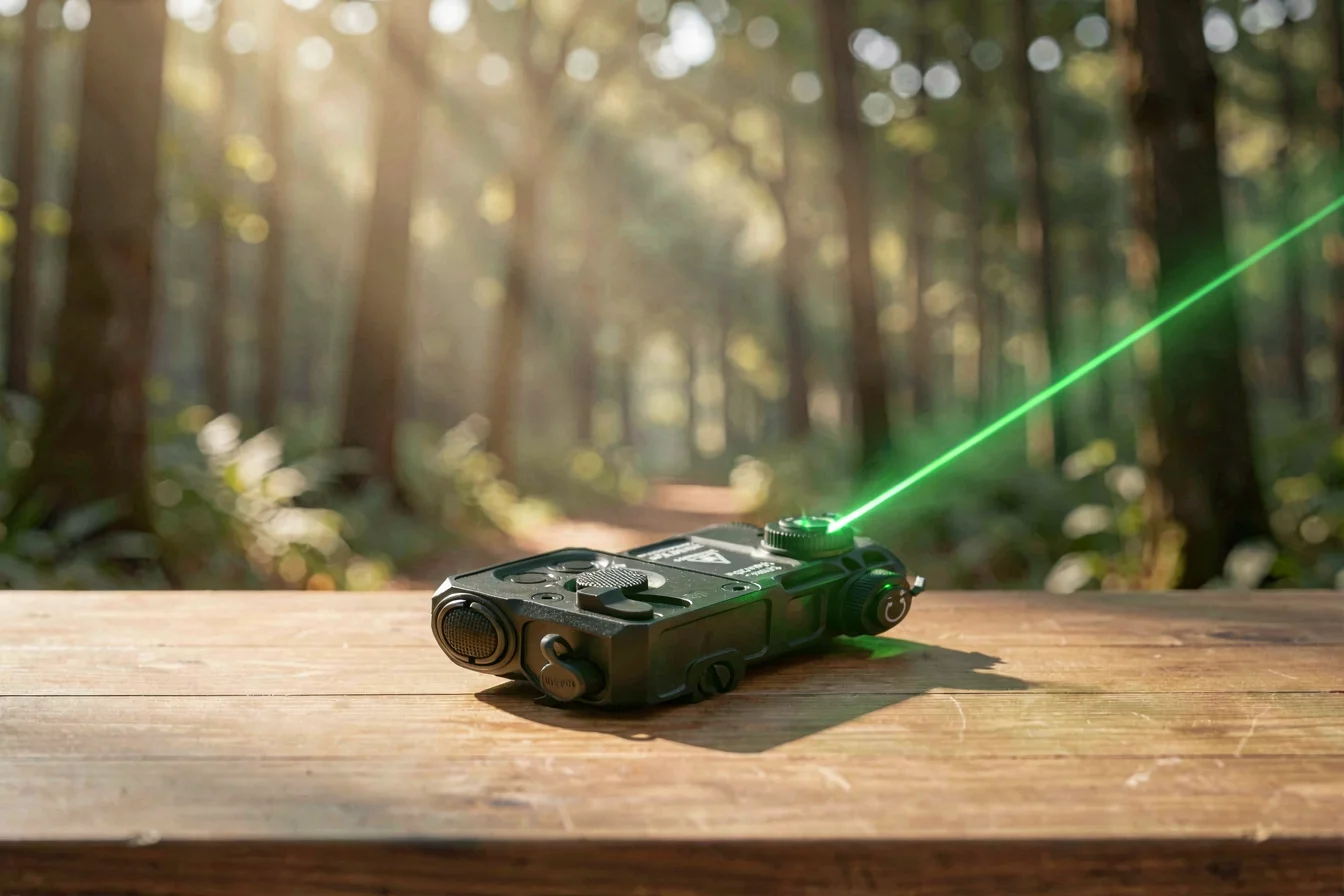
Green laser pointers outperform red lasers in visibility, especially in daylight and long-range applications, but red lasers offer longer battery life and lower cost, making them suitable for indoor use and budget scenarios. Green laser pointer is increasingly favored for professional, outdoor, and educational contexts, while red laser pointer remains dominant for basic presentations and cost-sensitive buyers. Procurement logic dictates green for visibility, red for affordability and legacy compatibility [3][4][5].
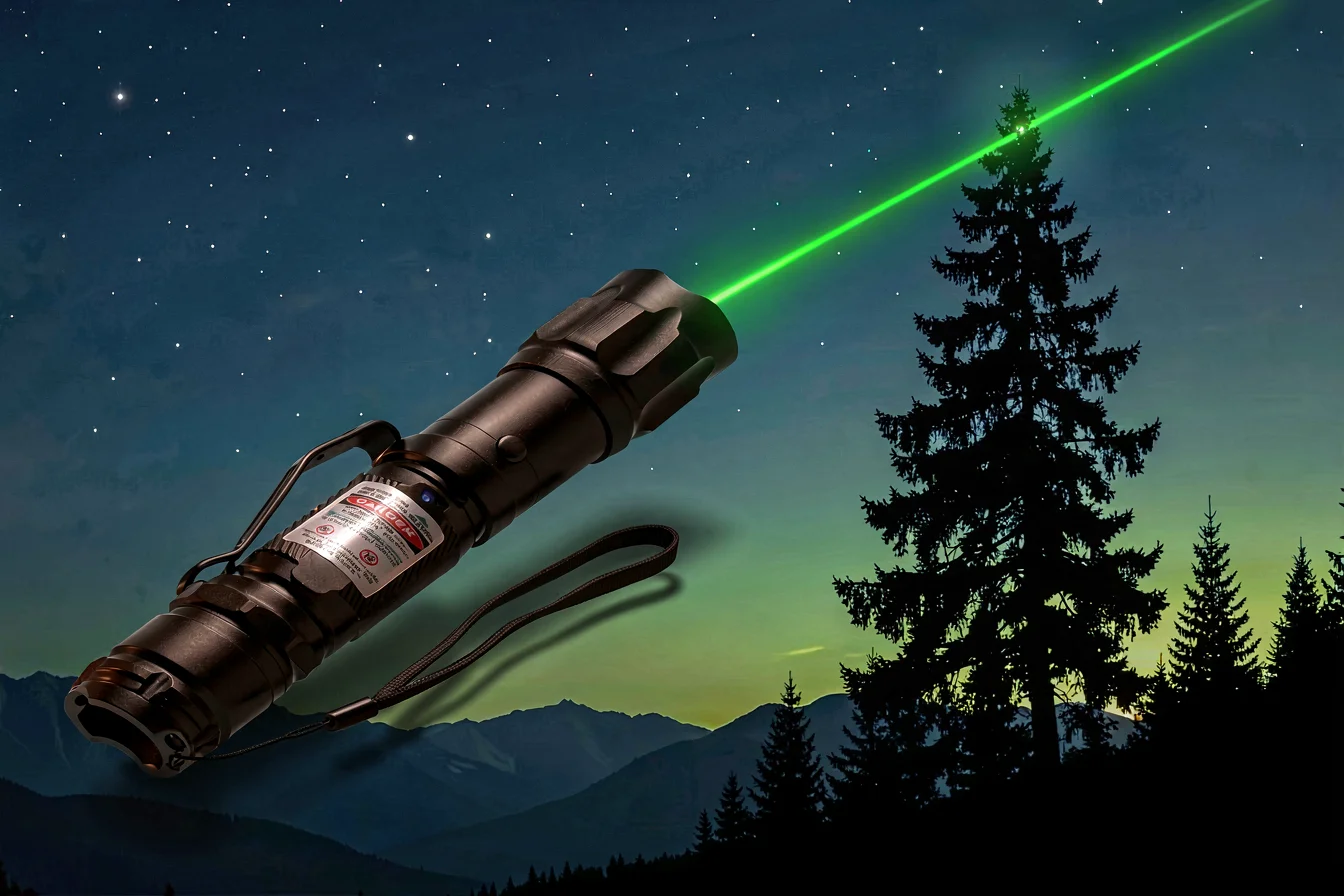
Both green laser pointer and red laser pointer serve critical roles in modern procurement, but their value proposition diverges sharply depending on the use case. Green lasers, operating at 532nm, leverage the peak sensitivity of the human eye to deliver up to 5x greater visibility than red lasers at the same power output [3][4]. This makes them indispensable for outdoor applications, construction, and astronomy, where clarity and long-range projection are essential. Red lasers, typically at 635–650nm, are prized for their affordability, longer battery life, and compatibility with legacy detection systems, making them ideal for presentations, indoor use, and budget-constrained buyers [5][7].
The urgency in procurement stems from the rapid shift toward green lasers in professional and outdoor sectors, driven by demand for higher visibility and performance. However, red lasers remain relevant for legacy compatibility and indoor applications where cost efficiency and battery longevity are critical. Technological innovation in green lasers includes improved diode efficiency and enhanced durability, while red lasers continue to benefit from established manufacturing processes and widespread availability.
Green lasers excel in visibility and outdoor use, but red lasers dominate in cost efficiency and battery life—buyers must weigh these trade-offs against their operational requirements.
| Feature | Green Laser Pointer | Red Laser Pointer |
|---|---|---|
| Visibility | Up to 5x brighter at same power (532nm) | Less visible in bright light (635–650nm) |
| Battery Life | Shorter battery life, higher power draw | Longer battery life, lower power draw |
| Cost | 30–50% higher purchase price | Lower purchase price |
| Application | Outdoor, construction, astronomy | Indoor, presentations, legacy compatibility |
| Safety | Class II/IIIa/IIIb/IV (must comply) | Class II/IIIa/IIIb/IV (must comply) |
| Durability | Improved diode efficiency, but more sensitive to cold | Established manufacturing, robust in all temps |
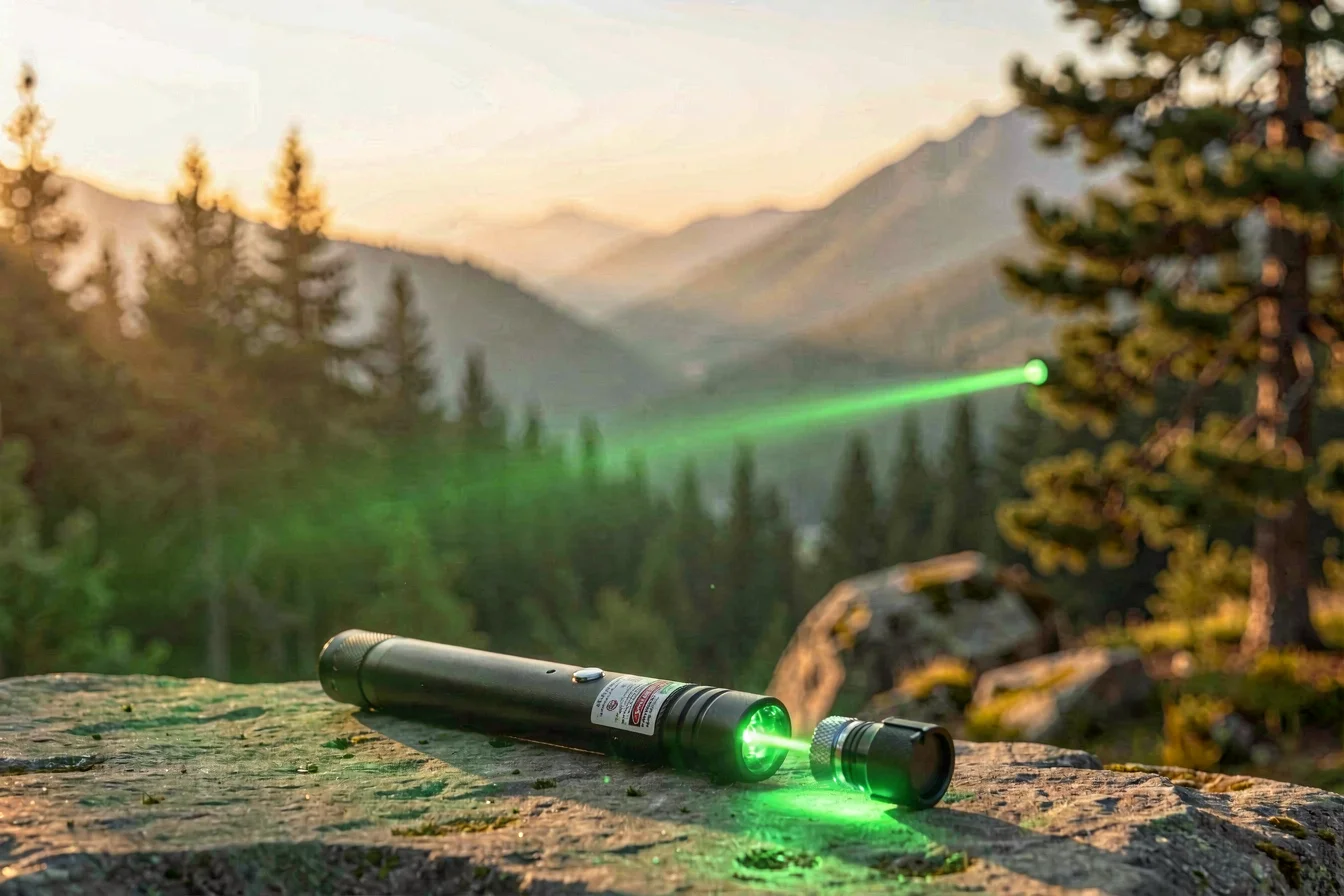
Durability is a critical factor in the procurement of green laser pointer and red laser pointer , especially for buyers investing in high-visibility or professional-grade tools. Green lasers, while technologically advanced, are more sensitive to cold temperatures and battery drain, with recent Reddit discussions highlighting performance drops below 60°F [8]. Red lasers, by contrast, offer robust performance across all temperatures and longer battery life, making them a reliable choice for legacy and indoor applications [7]. Both types must comply with Class II/IIIa/IIIb/IV safety standards, but green lasers require more frequent replacement due to higher power draw and sensitivity to environmental factors.
Application scenarios further differentiate the two: green lasers excel in outdoor use, construction, astronomy, and professional presentations where visibility is paramount. Red lasers are preferred for indoor presentations, legacy compatibility, and situations where battery longevity is essential. For buyers prioritizing long-term cost efficiency, red lasers offer lower replacement rates and extended battery life, while green lasers may require more frequent maintenance and replacement due to their higher power consumption and environmental sensitivity.
Green lasers require more frequent replacement and maintenance, while red lasers deliver lower long-term costs and higher reliability for indoor use.
| Cost Factor | Green Laser Pointer | Red Laser Pointer |
|---|---|---|
| Initial Purchase Price | $20–$60 (avg.) | $10–$30 (avg.) |
| Battery Life | 2–4 hours (typical) | 6–12 hours (typical) |
| Replacement Frequency | Every 1–2 years | Every 2–3 years |
| Maintenance Cost | Higher (battery, environmental factors) | Lower (battery longevity) |
| Hidden Costs | Cold sensitivity, frequent battery swaps | None |
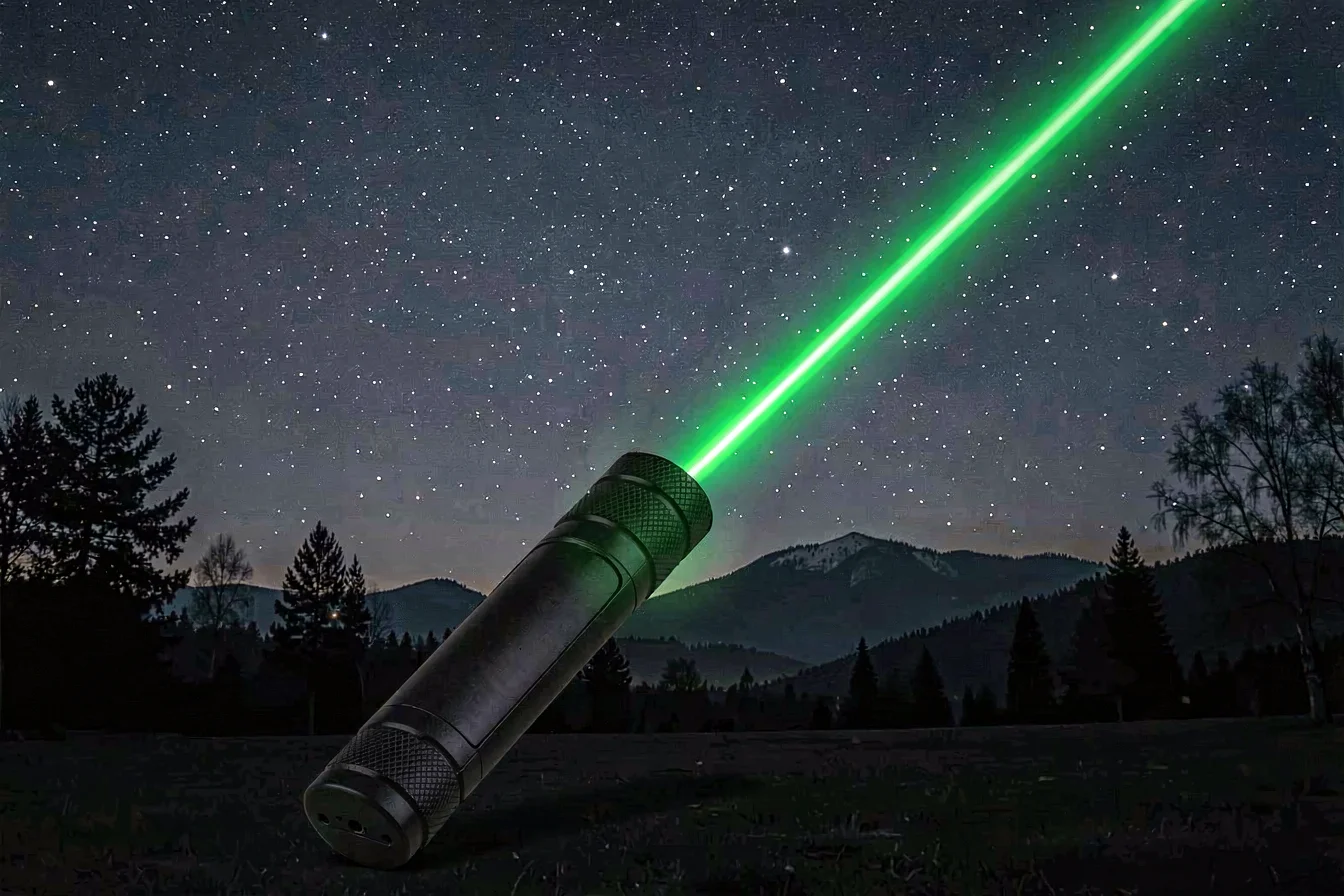
The core value of the laser pointer category lies in its ability to deliver precise, visible projection across a wide range of environments and applications. In today’s competitive landscape, buyers must choose between green laser pointer and red laser pointer based on the visibility, battery life, and operational requirements of their use case. Google Trends data shows red lasers maintaining steady search interest, while green lasers see a surge in daylight and professional contexts, reflecting a growing demand for high-visibility tools [1].
Green lasers dominate outdoor, construction, and professional applications, while red lasers remain essential for indoor presentations and legacy compatibility.
Google Trends reveal steady search interest for red lasers, with occasional spikes in professional and outdoor contexts, while green lasers show growth in daylight and construction scenarios [1]. This suggests a shift toward green lasers for visibility-driven applications, but red lasers remain dominant for basic, indoor use.
Search Interest over Time
Actionable insight: Buyers should prioritize green lasers for daylight and professional applications, while red lasers remain optimal for indoor, budget-sensitive scenarios.
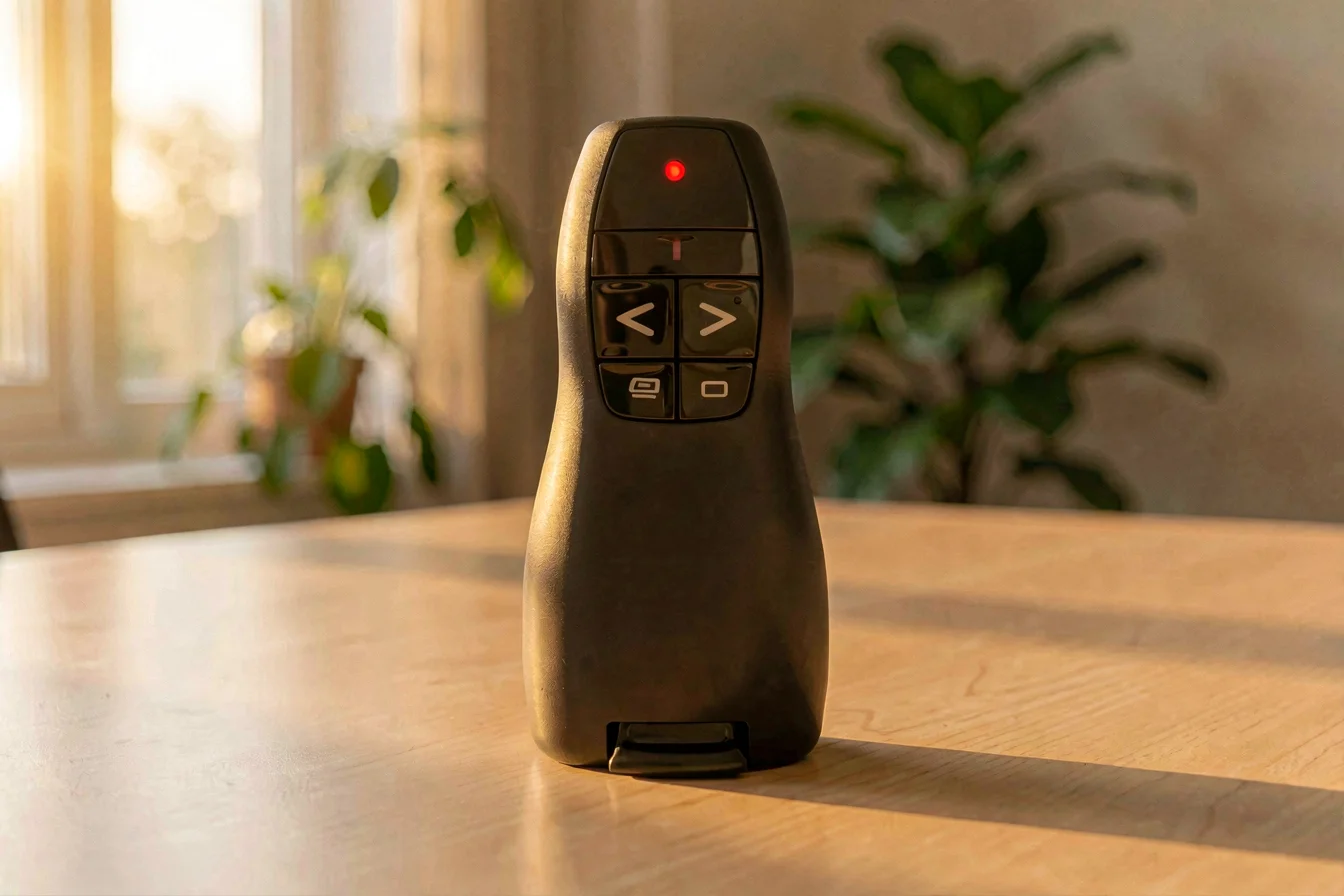
Reddit and TikTok communities provide a nuanced view of green laser pointer and red laser pointer , highlighting both their strengths and pain points. Green lasers are frequently praised for their brightness and utility in outdoor, astronomy, and construction settings, but users report shorter battery life and cold sensitivity. Red lasers are valued for affordability and longer battery life, especially for indoor use and legacy compatibility. Viral content themes include safety concerns, nostalgia for retro red lasers, and debates over the practicality of green lasers for everyday use.
Green lasers are preferred for visibility and outdoor use, but red lasers are favored for affordability and reliability in presentations.
Case Study 1: Astronomy Outreach (Green Laser Pointer)
A Reddit user shared their experience using a budget green laser pointer for astronomy outreach and casual sky pointing, praising its visibility under dark skies and USB chargeability. They noted battery longevity and reliability, but recommended trusted brands like Z-Bolt for cold weather performance [8].
"I have two of these I use for outreach, they hold up well. USB chargeable, so just unscrew the cap and plug the whole thing in." — Reddit, r/telescopes
Case Study 2: Indoor Presentations (Red Laser Pointer)
Another Reddit user described collecting red lasers since the 1990s, highlighting their reliability for indoor presentations and legacy compatibility. They noted nostalgia for retro red lasers and criticized green lasers for their cold sensitivity and short battery life [12][13].
"My favorite one definitely is the 1.3W 525nm green, its shine is wonderful but my favorite color for this things is the blue." — Reddit, r/lasersforfun
| Dimension | Green Laser Pointer | Red Laser Pointer |
|---|---|---|
| Overall Satisfaction | High for visibility, moderate for battery | High for affordability, moderate for visibility |
| Most Praised Feature | Brightness, outdoor utility | Affordability, battery life |
| Most Common Complaint | Battery drain, cold sensitivity | Lower visibility, less brightness |
| Community Recommendation Rate | 70–80% for outdoor/professional | 60–70% for indoor/budget |
Table data sourced from Reddit [8][9][12][13].
Viral content themes include nostalgia for retro red lasers, debates over green lasers' practicality, and safety concerns around high-powered lasers. Cultural reception is positive for green lasers in outdoor and professional contexts, while red lasers are seen as reliable and nostalgic for indoor use.
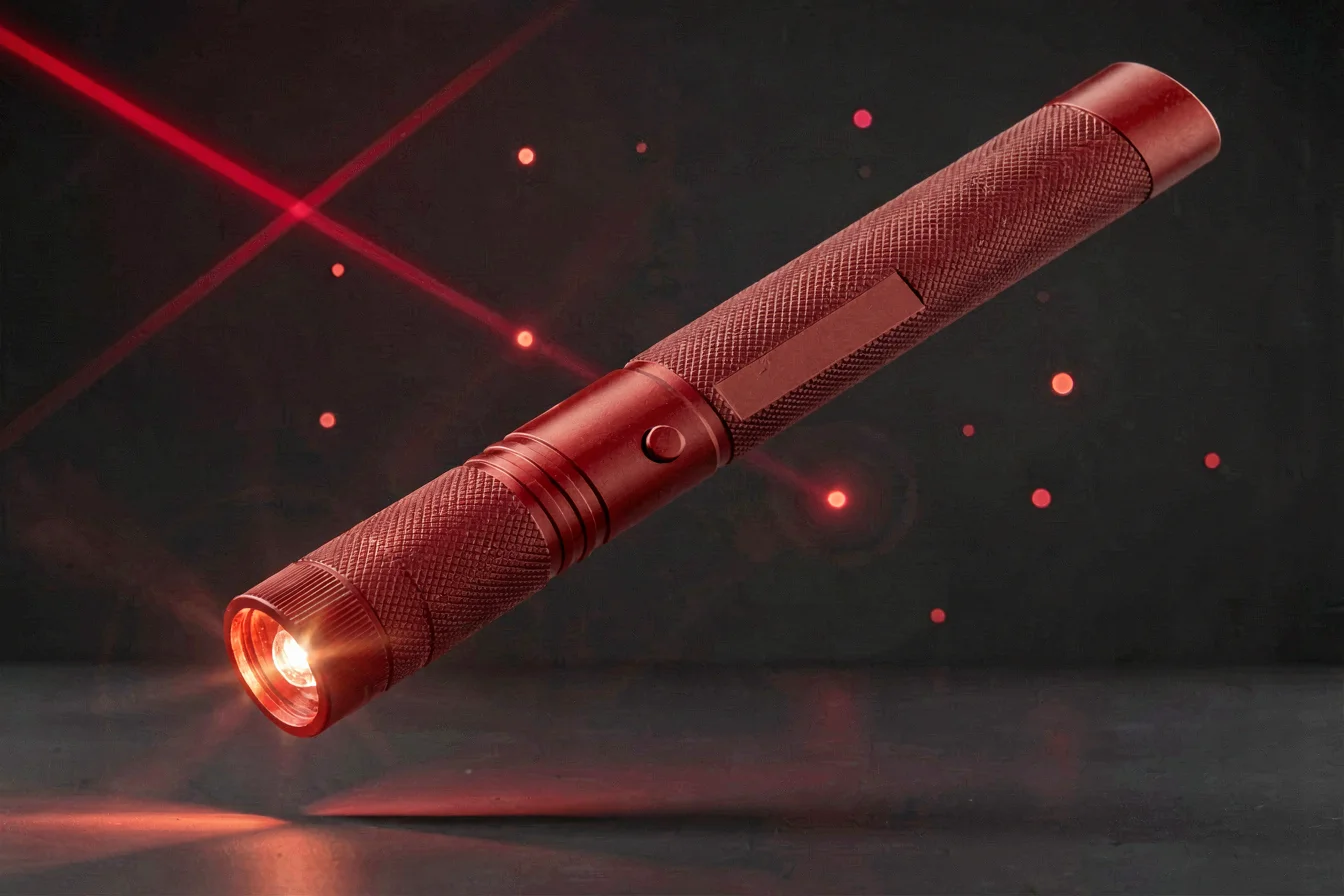
Buyers must identify their core needs before selecting between green laser pointer and red laser pointer . Key questions to ask: What is the primary use case (outdoor, indoor, professional, presentation)? What is the budget range? Are visibility and battery life critical? Is compatibility with legacy detection systems required? Is safety certification a priority?
Buyers should align their choice with operational requirements, visibility needs, and budget constraints.
| Tier | Recommended Product | Key Reason |
|---|---|---|
| Budget-Friendly | Red Laser Pointer | Lower cost, longer battery life |
| Mid-Range | Green Laser Pointer | Better visibility, outdoor use |
| Premium | Green Laser Pointer | Professional, long-range, high brightness |
Table data sourced from [3][4][5][7].
Actionable optimization tips:
The next 6–12 months will see continued growth in green laser pointer adoption for professional, outdoor, and education applications, driven by demand for higher visibility and performance. Red lasers will remain dominant for indoor presentations and budget-sensitive buyers, but face pressure from green lasers in daylight and construction contexts. Buyers should prioritize visibility, safety certification, and operational requirements when making procurement decisions.
Buyers should confidently select green lasers for visibility and outdoor use, and red lasers for affordability and legacy compatibility—share your experiences and explore wholesale options on Alibaba.com for optimal procurement.
Dual call-to-action: Share your laser pointer experiences in online communities to inform future buyers, and commercial buyers should leverage Alibaba.com for wholesale procurement and advanced sourcing intelligence.