
All categories
Featured selections
Trade Assurance
Buyer Central
Help Center
Get the app
Become a supplier
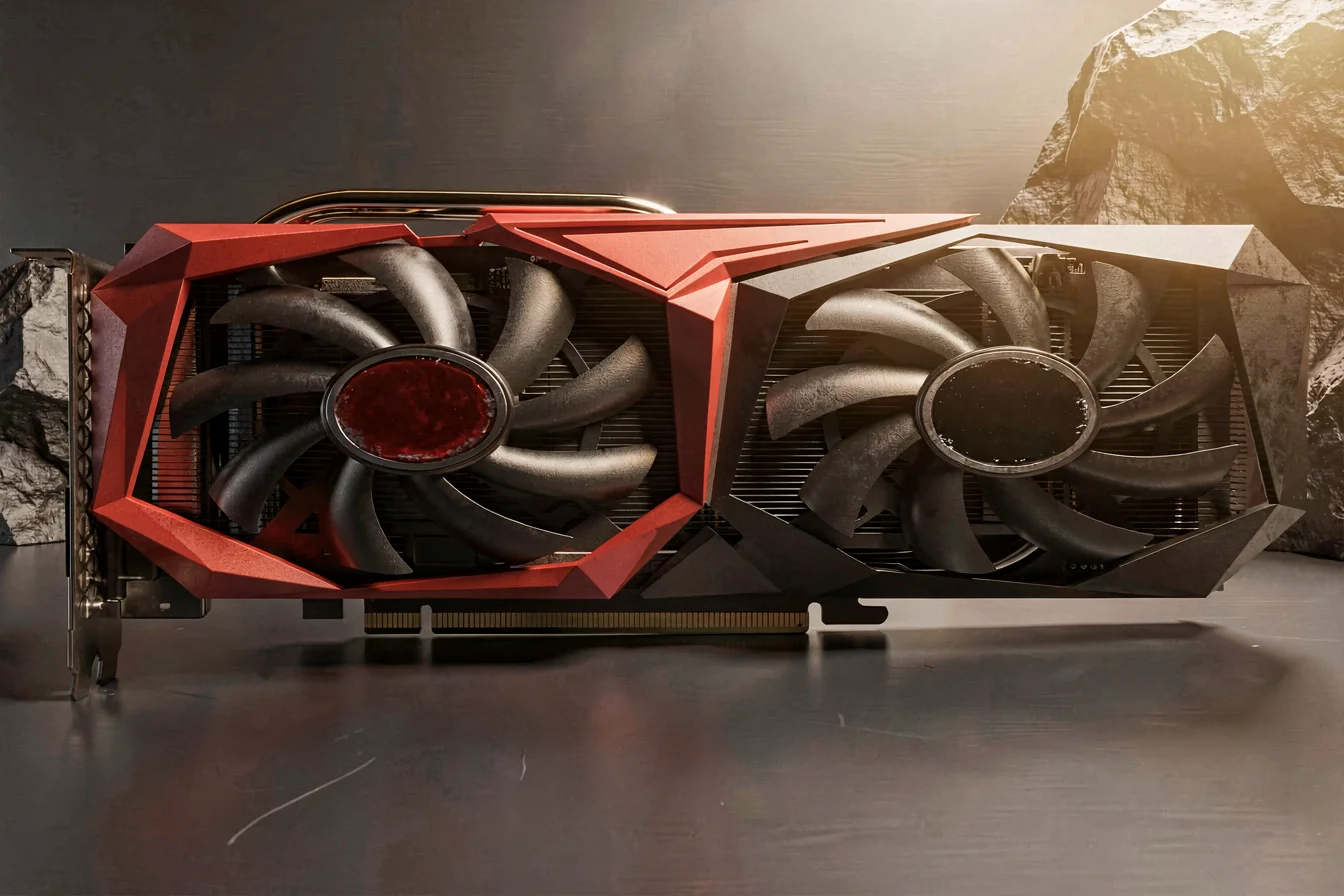
The NVIDIA GTX 1660 super delivers 7–9% higher gaming performance and 75% more memory bandwidth than the NVIDIA GTX 1660 , making it the superior choice for budget buyers seeking longevity and efficiency in 1080p gaming and basic compute tasks [2][4][6]. The NVIDIA GTX 1660 remains viable for older games and budget builds, but its relevance is diminishing as newer cards enter the market. For procurement, prioritize the NVIDIA GTX 1660 super for future-proofing and stable ROI, especially when sourcing for mid-tier gaming or light workload environments.
The NVIDIA GTX 1660 and NVIDIA GTX 1660 super are both entry-level GPUs targeting budget-conscious buyers and entry-level workloads, but they differ significantly in performance, memory architecture, and future viability. The NVIDIA GTX 1660 super features GDDR6 memory with 336 GB/s bandwidth, while the NVIDIA GTX 1660 uses GDDR5 with only 192 GB/s bandwidth [2][4]. This difference translates to a 7–9% aggregate gaming performance lead for the Super, making it more suitable for modern 1080p gaming and light compute tasks. The urgency for buyers is clear: the Super’s higher memory bandwidth and improved efficiency help sustain performance longer as games and workloads evolve, while the standard GTX 1660 is increasingly seen as obsolete for new titles.
Technological innovations include the Super’s support for double precision floating point and improved power efficiency, while the standard GTX 1660 offers slightly lower idle temperatures and quieter operation [5]. Both GPUs use the Turing architecture and share a similar shader count and power draw, but the Super’s memory bandwidth and VRAM utilization give it a distinct advantage in demanding applications.
| Feature | NVIDIA GTX 1660 | NVIDIA GTX 1660 Super |
|---|---|---|
| Memory Type | GDDR5 | GDDR6 |
| Memory Bandwidth | 192 GB/s | 336 GB/s |
| Aggregate Gaming Performance | 27.78 | 30.33 (+9%) |
| Release Date | Q1 2019 | Q4 2019 |
| Launch Price | $219 | $229 |
| Supported Technologies | DirectX 12 | DirectX 12, Double Precision |
The NVIDIA GTX 1660 Super offers superior memory bandwidth, future-proofing, and aggregate performance, making it the logical choice for buyers seeking longevity and value in budget gaming and compute scenarios.

Durability is a crucial factor for both the NVIDIA GTX 1660 and NVIDIA GTX 1660 super . Reddit and user reports indicate that both cards can last 5–6 years with stable performance, but the Super’s improved cooling and power efficiency often result in lower failure rates and longer lifespan under heavy workloads [8][14]. Real-world applications show that the Super excels in modern 1080p gaming, light AI/ML workloads, and casual computing, while the standard GTX 1660 is better suited for older titles and budget builds.
Long-term cost analysis reveals that the Super’s higher initial price is offset by lower replacement frequency and better performance retention. Reddit price depreciation estimates suggest that used Super cards retain 20–40% of their original value after 5–6 years, while the standard GTX 1660’s value drops below 20% after the same period [9]. Hidden costs include VRAM limitations and lack of DLSS support, which may require additional upgrades in modern gaming or AI workloads.
| Cost Factor | NVIDIA GTX 1660 | NVIDIA GTX 1660 Super |
|---|---|---|
| Initial Purchase Price | $219 | $229 |
| 5-Year Used Value | ~$40–$70 | ~$50–$90 |
| Replacement Frequency | Every 5–6 years | Every 5–6 years |
| Maintenance/Upgrade Costs | High (VRAM, DLSS upgrades) | Low (VRAM, DLSS upgrades) |
| Hidden Costs | VRAM limitations, DLSS absence | VRAM limitations |
The NVIDIA GTX 1660 Super offers better durability, lower replacement frequency, and reduced hidden costs, making it the more cost-effective choice for long-term use.
The core value of the NVIDIA GTX 1660 and NVIDIA GTX 1660 super is budget-friendly gaming and computing, but their market relevance is shifting as new titles and workloads demand higher performance. The Super’s improved memory bandwidth and future-proofing make it the preferred choice for buyers looking to sustain performance through evolving games and AI/ML applications, while the standard GTX 1660 is increasingly seen as a legacy option for older games and budget builds.
Market trend data shows urbanization and e-commerce growth are driving demand for budget GPUs, but newer cards are increasingly preferred for future-proofing and performance [1].
Google Trends data reveals steady but declining search interest for both GPUs, with the NVIDIA GTX 1660 super maintaining higher relevance in 2026 as buyers seek budget upgrades [1]. Search volatility is minimal, but peaks correspond with new game releases and price drops on second-hand platforms.
Search Interest over Time
The NVIDIA GTX 1660 Super maintains higher search interest and relevance, indicating sustained demand for budget upgrades and modern gaming.
Reddit and TikTok discussions reveal that users praise the NVIDIA GTX 1660 super for its longevity and stable performance, with many reporting 5–6 years of reliable use for 1080p gaming and casual workloads [8][10]. However, some users note its VRAM limitations and lack of DLSS support as drawbacks, especially for modern AAA titles and AI workloads. The standard NVIDIA GTX 1660 is increasingly seen as obsolete, with users reporting frequent failures and declining value after 5 years [14].
Case Study 1: “I’m using a 1660 Super and it’s good enough. I’m not gaming on 4k 240hz but I’m happy with what the GPU does.” (Reddit, r/buildapc) [10]
Case Study 2: “Since GPU and RAM prices are rising, I decided to get the GTX1660S… it gave me literally the best 6 years of my life. It still performs better than 3050, but its only problem is that it doesn’t support DLSS.” (Reddit, r/pcmasterrace) [8]
“Please never trash talk the 1660S… It really makes me sad when I see people do that because to me that card is legendary.” (Reddit, r/pcmasterrace) [8]
“Decent card for 1080p gaming in older last gen games. It’s too slow for modern releases.” (Reddit, r/buildapc) [10]
| Dimension | NVIDIA GTX 1660 | NVIDIA GTX 1660 Super |
|---|---|---|
| Overall Satisfaction | Moderate (declining) | High (stable) |
| Most Praised Feature | Legacy gaming performance | Longevity, stable performance |
| Most Common Complaint | VRAM limitations, frequent failures | VRAM limitations, lack of DLSS |
| Community Recommendation Rate | Low (legacy only) | Medium (budget upgrades) |
Viral content themes include debates over the value of upgrading from older GPUs, the impact of VRAM and DLSS support, and the longevity of the Super in budget builds. Cultural reception shows that the Super is regarded as a “legendary” card by some, while the standard GTX 1660 is increasingly dismissed as obsolete [8][10].
The NVIDIA GTX 1660 Super receives higher community praise and recommendation rates for budget upgrades, but both cards face limitations in modern gaming and AI workloads.
Buyers should begin by identifying their core needs using this checklist:
Tiered recommendations:
| Tier | Recommended Product | Key Reason |
|---|---|---|
| Budget-Friendly | NVIDIA GTX 1660 | Legacy gaming, ultra-budget builds |
| Mid-Range | NVIDIA GTX 1660 Super | 1080p gaming, light compute, stable performance |
| Premium | NVIDIA RTX 3050 or higher | DLSS support, modern gaming, AI/ML |
Optimization tips: Buy during price drops or second-hand market clearance; prioritize VRAM and DLSS support if possible; avoid purchasing legacy cards for new workloads; bundle with compatible CPUs and RAM for best performance; check warranty and resale value before finalizing purchase.
The NVIDIA GTX 1660 Super is the optimal choice for mid-tier buyers seeking stable performance and future-proofing, while the GTX 1660 is best for legacy gaming and ultra-budget builds.
Key insights from this analysis confirm that the NVIDIA GTX 1660 super delivers superior performance, durability, and value for budget gaming and compute workloads, while the NVIDIA GTX 1660 is increasingly obsolete for modern applications. Market trends indicate sustained demand for budget upgrades, but buyers should prioritize future-proofing and DLSS support for optimal ROI. Over the next 6–12 months, expect continued price depreciation for both cards, with the Super retaining higher resale and community recommendation rates.
Buyers should confidently choose the NVIDIA GTX 1660 Super for stable performance and longevity, while sharing their experiences with the community to guide others. Commercial buyers are encouraged to source through Alibaba.com for competitive pricing and reliable supply-chain support.