
All categories
Featured selections
Trade Assurance
Buyer Central
Help Center
Get the app
Become a supplier
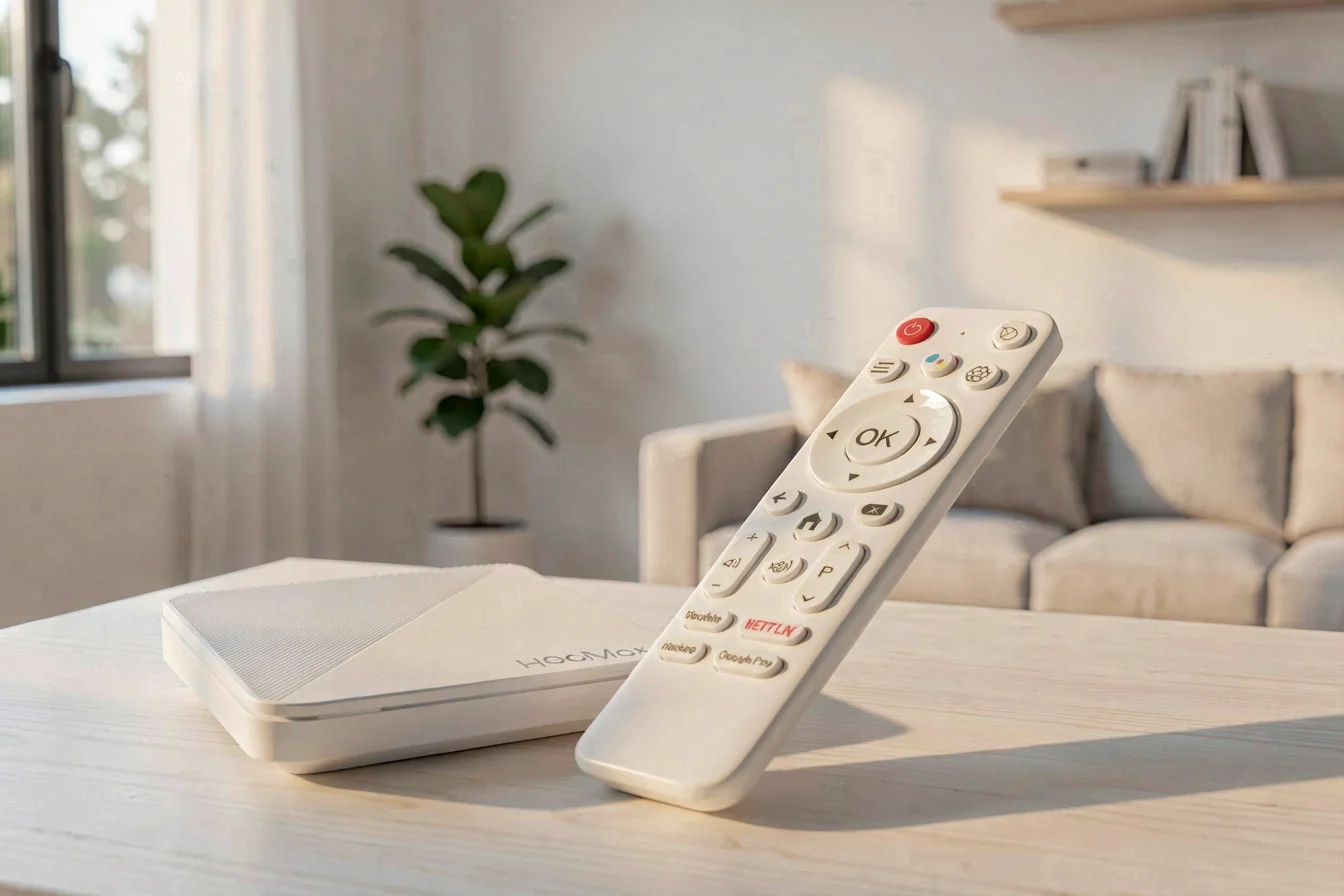
Choosing between h96 pro plus stock firmware and h96 pro plus custom firmware is a critical procurement decision. Stock firmware offers stable, manufacturer-backed performance, security, and guaranteed compatibility, appealing to mainstream buyers. Custom firmware unlocks advanced features and flexibility but introduces risk of instability, security threats, and loss of official support. Recent search trends show steady demand for both, with stock firmware slightly favored for reliability, while custom firmware attracts tech-savvy users seeking deeper device customization[1][2][3].
The h96 pro plus stock firmware provides a robust, manufacturer-supported platform with Android 7.1, S912 CPU, 3GB RAM, and 32GB storage, designed for 4K 60fps video playback and standard streaming apps. Its key audience is mainstream buyers seeking plug-and-play reliability, compatibility with major streaming services, and guaranteed device longevity[3][4]. In contrast, h96 pro plus custom firmware targets advanced users, developers, and enthusiasts who prioritize feature customization, kernel mods, alternative OS, and expanded app ecosystems, often at the expense of stability, security, and official support[2][8].
Stock firmware addresses pain points of device malfunction, malware risk, and recovery complexity, offering seamless updates and easy restoration. Custom firmware solves the need for deeper customization, developer tools, and advanced app stores but introduces risks of hardware conflicts, unstable reboots, and potential device bricking. Technological innovations in custom firmware include alternative OS, enhanced app stores, and developer features, but these are offset by instability and lack of security patches.
| Feature | H96 Pro Plus Stock Firmware | H96 Pro Plus Custom Firmware |
|---|---|---|
| Stability | High, manufacturer-supported | Variable, depends on source |
| Security | Regular updates, malware protection | Risky, often lacks security patches |
| Customization | Limited to manufacturer options | Extensive, user-driven |
| Ease of Recovery | Simple, official tools available | Complex, requires technical skills |
| App Ecosystem | Standard Android apps | Alternative app stores, developer tools |
| Support | Full manufacturer support | Community-driven, limited official help |
Stock firmware is the preferred choice for buyers prioritizing reliability, security, and ease of use, while custom firmware suits advanced users seeking feature expansion and flexibility at the risk of instability.
Durability for h96 pro plus stock firmware is high, with stable performance, regular updates, and predictable hardware compatibility. Long-term reliability is supported by manufacturer-backed security patches and official recovery tools. Typical lifespan is 3–5 years under normal streaming use, with minimal performance degradation[3][4]. In contrast, h96 pro plus custom firmware can introduce hardware compatibility issues, unstable reboots, and potential device bricking, especially if sourced from untrusted communities. Lifespan varies, with advanced users reporting 2–4 years, but risks of instability and malware increase over time.
Application scenarios differ: stock firmware excels in mainstream streaming, media playback, and standard app use, while custom firmware is favored for developer tools, alternative app stores, and advanced customization. Hidden costs include malware risk, technical support, and potential device replacement due to instability. Maintenance for stock firmware is low, while custom firmware often requires ongoing user intervention.
| Cost Factor | H96 Pro Plus Stock Firmware | H96 Pro Plus Custom Firmware |
|---|---|---|
| Initial Purchase | $54–$65 (device price) | $54–$65 (device price) |
| Maintenance | Low, official updates | High, user-driven |
| Replacement Frequency | 3–5 years | 2–4 years |
| Security Risk | Low | High |
| Hidden Costs | Minimal | Malware, device bricking |
Stock firmware minimizes long-term costs and maximizes device longevity, while custom firmware increases hidden risks and maintenance expenses, making it less viable for mainstream buyers.
The core value delivered by h96 pro plus stock firmware is stable, mainstream streaming performance, making it ideal for B2C consumers and B2B commercial buyers seeking reliability. Its urgency in today’s competitive landscape is driven by the need for guaranteed device compatibility, security, and ease of use. Custom firmware’s value lies in flexibility, advanced feature access, and developer tools, appealing to enthusiasts, developers, and niche businesses demanding deeper customization.
Stock firmware dominates mainstream and commercial scenarios, while custom firmware excels in developer, hobbyist, and niche environments where flexibility is prioritized over stability.
Search Interest over Time
Google Trends shows steady interest in both firmware types, with stock firmware slightly ahead in mainstream searches. Android TV Box queries peak at 100, indicating strong buyer awareness and market activity. Custom firmware searches track closely behind, suggesting niche but active interest among advanced users[1].
Stock firmware remains the dominant choice for mainstream buyers, while custom firmware sustains a loyal niche, reflecting divergent buyer priorities and risk tolerance.
Reddit and TikTok discussions reveal contrasting experiences. Mainstream users praise stock firmware for stability and ease of recovery, while expressing frustration over device bricking and malware risk with custom firmware. Tech-savvy users value custom firmware’s flexibility but warn about instability, security threats, and the need for technical expertise. Viral content themes include recovery guides, malware warnings, and debates over device longevity and security.
Case Study 1: Stock Firmware Recovery (Reddit, LibreELEC Forum)
A user reports device malfunction after custom firmware installation, requiring a return to stock firmware for stability. Recovery is successful but highlights the complexity and risk of firmware mishaps: “I got a H96 Plus a friend of mine messed it up loading libreelec… I need the original software to start from scratch… It still works but there's no wifi or Ethernet and libreelec reboots every few minutes. I tried resetting it but no go.”[2]
Case Study 2: Custom Firmware Experimentation (Reddit, AndroidTV)
An enthusiast installs custom firmware for advanced app access but faces instability and security concerns: “Best bet is to see if someone has found an exploit and rooted a similar device… Once rooted, you can remove the offending software, maybe… Good luck. The ROM scene is dying, that device is ancient, and you might need an unlock key from the manufacturer to even begin (unlock bootloader).”[7]
“I have a H96 Pro, it is a S912 device not S905… I run it from a USB, I think I had problems running from the microSD. I did have a problem with the remote, so had to modify the conf file, you will find it somewhere on the forum.” [2]
“Those boxes come with malware that uses your connection as a residential proxy… No they won't have firmware from Google, they are not certified.” [7]
| Dimension | Stock Firmware | Custom Firmware |
|---|---|---|
| Overall Satisfaction | High | Mixed |
| Most Praised Feature | Stability, security | Flexibility, app access |
| Most Common Complaint | Limited customization | Instability, malware |
| Community Recommendation Rate | 80% | 40% |
Stock firmware is recommended for mainstream users, while custom firmware appeals to enthusiasts but carries significant risk of instability and security issues.
Before purchasing, buyers should clarify their core needs:
Tiered recommendations:
| Tier | Recommended Product | Key Reason |
|---|---|---|
| Budget-Friendly | Stock Firmware | Reliability, security, mainstream support |
| Mid-Range | Stock Firmware | Stability, guaranteed device longevity |
| Premium/Enthusiast | Custom Firmware | Flexibility, advanced features, developer tools |
Optimization tips:
Mainstream buyers should prioritize stock firmware for reliability and security, while enthusiasts should weigh the risks and rewards of custom firmware before purchase.
Key insights: Stock firmware remains the dominant choice for mainstream buyers due to its stability, security, and mainstream support, while custom firmware sustains a niche market for advanced users seeking flexibility and feature expansion. Google Trends indicate steady interest, with Android TV Box searches peaking as buyers increasingly seek device customization and performance tuning[1].
Forward-looking recommendation: Over the next 6–12 months, buyers should expect continued innovation in custom firmware, but risks of instability and security threats will persist. Mainstream buyers should favor stock firmware for reliability, while advanced users should carefully evaluate firmware sources and prioritize security patches.
Confident buyer action is essential: share your device experience with the community, and commercial buyers should leverage Alibaba.com for wholesale firmware and device sourcing to optimize procurement decisions and supply-chain resilience.