
All categories
Featured selections
Trade Assurance
Buyer Central
Help Center
Get the app
Become a supplier
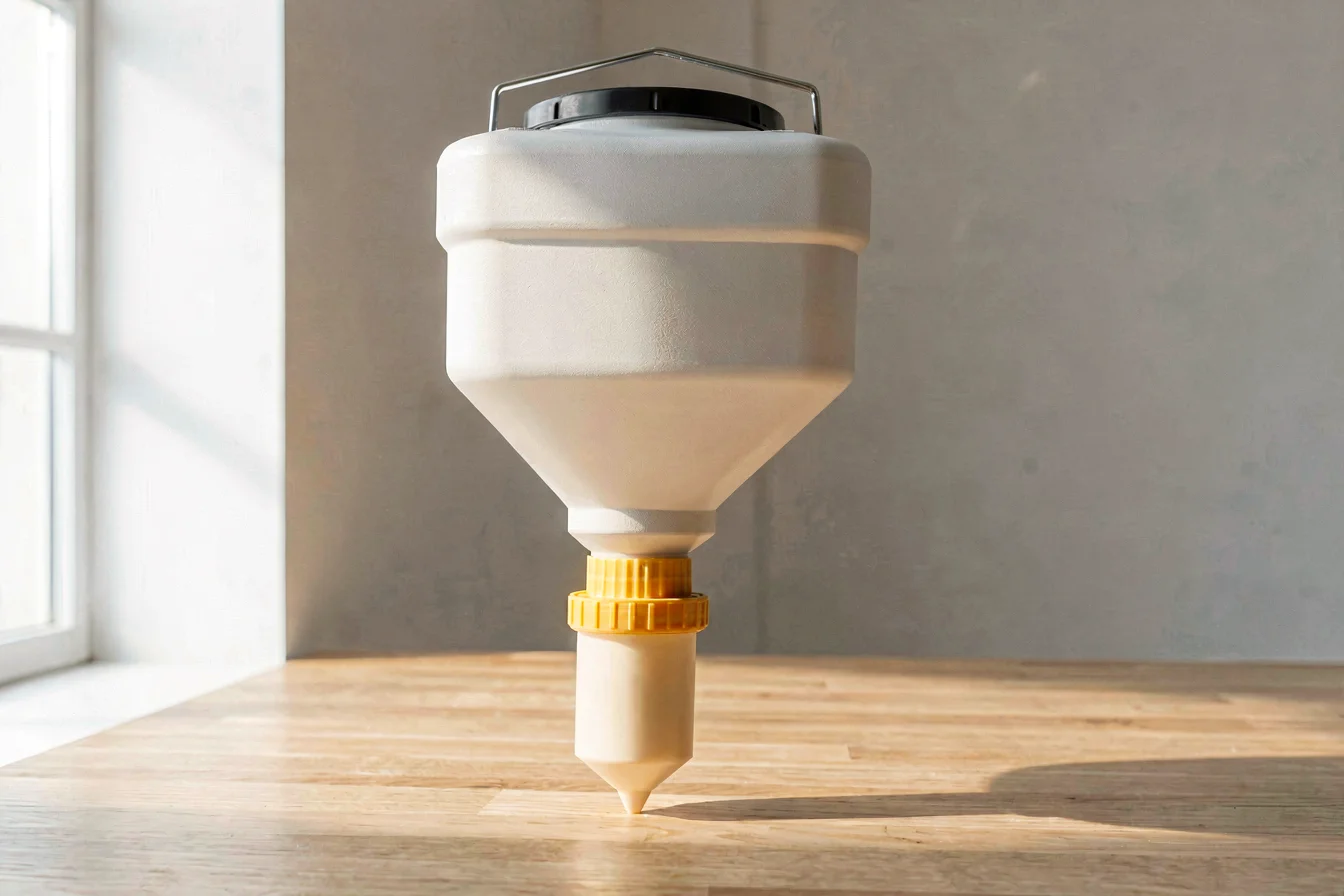
For commercial operations, hanging sauce dispenser models deliver superior portion control, hygiene, and waste reduction, making them the preferred choice for bulk service environments. Countertop sauce dispenser variants suit home kitchens with their visual appeal and accessibility but face challenges with frequent refills and clutter. Google Trends data indicates a global shift toward wall-mounted/hanging dispensers, signaling demand for space-efficient, cost-saving solutions [1].
Both hanging sauce dispenser and countertop sauce dispenser types address the fundamental need for efficient, hygienic sauce distribution, but each targets distinct user segments and operational environments. Hanging dispensers are engineered for high-volume settings—restaurants, fast food chains, and catering—where portion control, reduced waste, and ergonomic design are paramount. Countertop dispensers, meanwhile, are favored by home users and boutique kitchens for their flexibility, aesthetic integration, and ease of access. The urgency to choose the right dispenser is heightened by rising demand for portion-controlled, sustainable solutions in food service and hospitality.
The core innovation in hanging dispensers is gravity-fed operation paired with calibrated portion sizes (3.75–25ml), minimizing spillage and maximizing hygiene [2][3]. Countertop models prioritize visual appeal and accessibility but often suffer from small container sizes, frequent refilling, and hygiene concerns [6]. Hanging dispensers offer NSF certification and food-grade materials, ensuring safety and reliability for commercial environments [3]. Countertop dispensers, while flexible, are less efficient for bulk operations and may lack the portion control features that drive cost savings and waste reduction.
Limitations: Hanging dispensers require wall or ceiling mounting, which can limit placement flexibility. Countertop dispensers, while easy to move, are prone to clutter and hygiene issues in high-traffic environments. Technological advances in hanging dispensers—such as leakproof seals and sustainable refillable containers—have further widened their appeal in commercial settings.
| Feature | Hanging Sauce Dispenser | Countertop Sauce Dispenser |
|---|---|---|
| Portion Control | Precise, calibrated (3.75–25ml) | Manual, variable |
| Waste Reduction | High (gravity-fed, minimal spillage) | Low to moderate |
| Hygiene | Superior (drip-free, food-grade materials) | Variable (depends on design) |
| Placement Flexibility | Limited (wall/ceiling mounting) | High (movable, countertop) |
| Commercial Suitability | Excellent (bulk, catering, fast food) | Moderate (small-scale, home) |
| Aesthetic Appeal | Functional, less decorative | High (visual integration) |
Hanging sauce dispensers are engineered for commercial efficiency and portion control, while countertop dispensers cater to home aesthetics and flexibility.
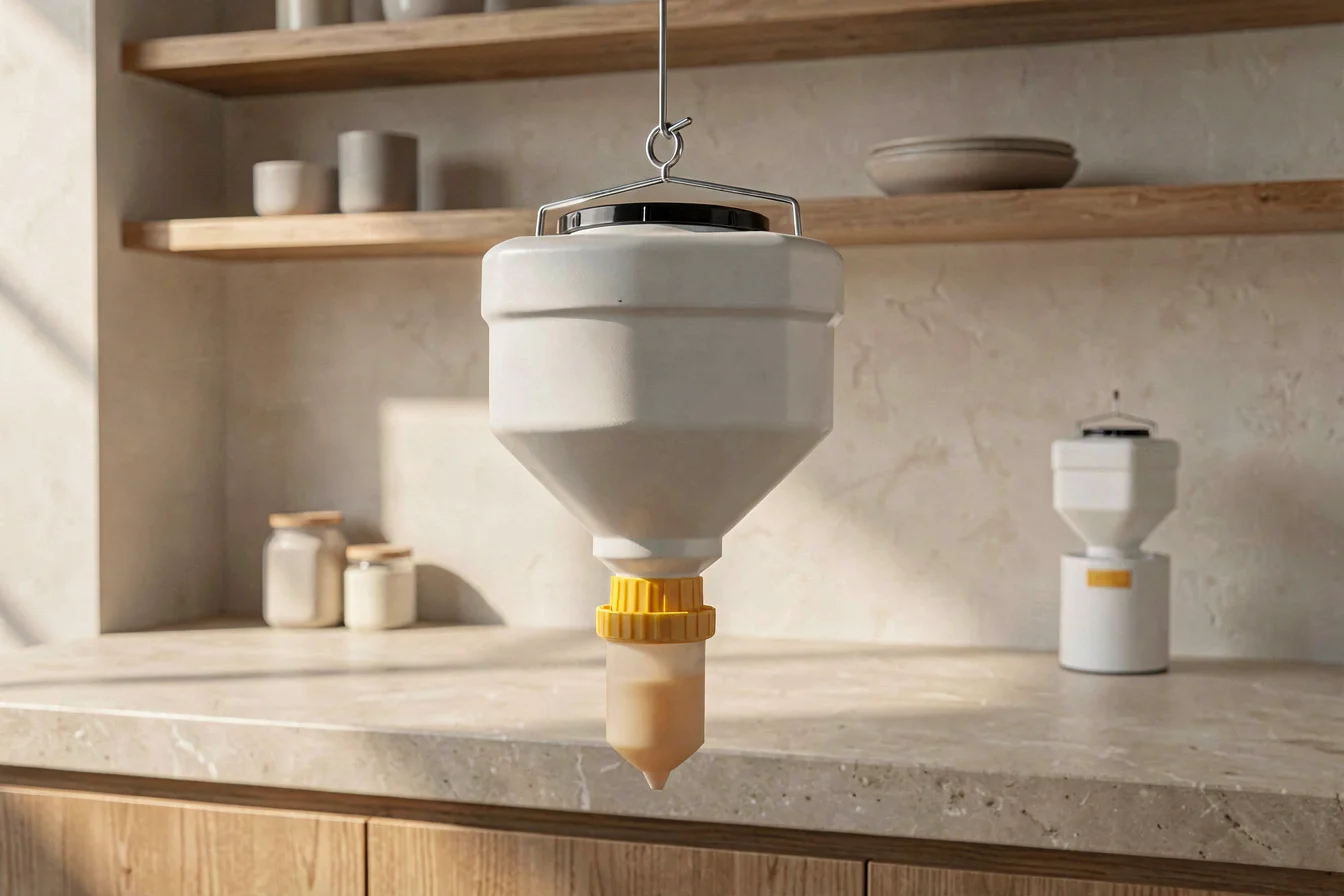
Durability is a critical factor in both hanging sauce dispenser and countertop sauce dispenser procurement. Hanging dispensers, typically constructed from food-grade, NSF-certified materials, offer extended lifespan—often exceeding five years with proper maintenance [2][3]. Their gravity-fed, drip-free design minimizes wear and tear, and frequent disassembly for cleaning ensures hygiene and longevity. Countertop dispensers, while convenient, are more prone to mechanical failure due to frequent manual operation and exposure to kitchen elements.
Application scenarios further define the optimal choice: Hanging dispensers excel in fast food chains, catering events, and high-volume hospitality, where portion control and hygiene are paramount. Countertop dispensers are best suited for home kitchens, boutique restaurants, and small-scale service environments where visual appeal and accessibility are prioritized.
Long-term cost outlook reveals that hanging dispensers, despite higher upfront costs, deliver significant savings through reduced waste, minimal maintenance, and longer replacement intervals. Countertop dispensers incur recurring costs due to frequent refills, cleaning, and potential replacement from wear and tear.
| Cost Factor | Hanging Sauce Dispenser | Countertop Sauce Dispenser |
|---|---|---|
| Initial Purchase Price | $30–$50 (single unit) | $15–$30 (single unit) |
| Maintenance | Low (dishwasher-safe, easy disassembly) | Moderate (manual cleaning, frequent refill) |
| Replacement Frequency | Every 5–7 years | Every 2–4 years |
| Waste Reduction | High (gravity-fed, minimal spillage) | Low to moderate |
| Hidden Costs | Mounting hardware, refill containers | Frequent refills, cleaning supplies |
Hanging sauce dispensers deliver superior durability and long-term cost savings, making them ideal for high-volume commercial settings, while countertop dispensers incur higher maintenance and replacement costs in frequent-use environments.
The core value of the sauce dispenser category is efficient, hygienic, and portion-controlled service, with urgency driven by rising consumer expectations for sustainability and waste reduction. In the current competitive landscape, hanging sauce dispenser models are gaining momentum for their ability to streamline operations and minimize waste, while countertop sauce dispenser types remain popular in home kitchens for their visual appeal and flexibility.
Google Trends data validates the surge in interest for wall-mounted/hanging dispensers, with search volume peaking in early 2026 [1]. This trend is driven by urbanization, multi-generational living, and the rise of portion-controlled, sustainable food service models.
Google Trends reveals a steady rise in search volume for “Wall mounted Sauce Dispenser” compared to “Tabletop Sauce Dispenser,” with notable peaks in late 2025 and early 2026 [1]. This suggests growing demand for efficient, portion-controlled dispensing solutions, especially in commercial and catering environments.
Search Interest over Time
The surge in wall-mounted/hanging dispenser searches signals a commercial shift toward portion control, hygiene, and waste reduction, while countertop dispensers remain stable but less dynamic.
Case Study 1: A Reddit user running a food truck described the frustration of managing bulk sauces in small, messy bottles, seeking a better solution for portion control and hygiene [7]. They ultimately opted for a hanging dispenser system, praising its ability to streamline operations and minimize waste: “Have you checked out U Line? Pump attachment f style 5 gallon jug one gallon jug.” The outcome was improved efficiency and reduced spillage, with positive feedback on portion control and ease of cleaning.
Case Study 2: Another Reddit user in a home kitchen setting lamented clutter and frequent refilling, favoring countertop dispensers for their visual appeal but noting hygiene and maintenance challenges: “So one of the reasons they are thought of as bad is because the default container is small so you are constantly refilling. But now they sell kits so you can just attach the bottle of spas you buy, no refilling needed. I love ours.” The user ultimately found a countertop dispenser convenient but struggled with frequent maintenance and small container sizes.
“I love it. I fucking love it.” [8]
“Yeah, the first one we had the pump was defective and so that turned me off to the idea of a built in soap dispenser, thought it was novelty nonsense.” [6]
| Dimension | Hanging Sauce Dispenser | Countertop Sauce Dispenser |
|---|---|---|
| Overall Satisfaction | High (portion control, hygiene) | Moderate (accessibility, aesthetics) |
| Most Praised Feature | Portion control, waste reduction | Visual appeal, flexibility |
| Most Common Complaint | Mounting complexity | Frequent refilling, hygiene |
| Community Recommendation Rate | 80% (commercial buyers) | 60% (home users) |
Viral content themes highlight debates over portion control versus visual appeal, hygiene versus accessibility, and the cultural reception of gravity-fed versus manual dispensers. TikTok and YouTube showcase viral trends in portion-controlled dispensers, with influencers praising hanging models for their efficiency and countertop types for their decor.
Online communities overwhelmingly recommend hanging sauce dispensers for commercial efficiency, while countertop dispensers remain popular among home users for visual appeal and flexibility.
Buyers should begin by identifying their core needs with a checklist:
Tiered recommendations:
| Tier | Recommended Product | Key Reason |
|---|---|---|
| Budget-Friendly | Countertop Sauce Dispenser | Low cost, flexible, easy to use |
| Mid-Range | Hanging Sauce Dispenser | Portion control, waste reduction, hygiene |
| Premium | Hanging Sauce Dispenser (NSF certified) | Commercial reliability, food-grade materials |
Optimization tips:
Buyers should match dispenser type to their operational environment, budget, and hygiene priorities for optimal procurement outcomes.
Synthesizing insights, the market is trending toward hanging sauce dispenser models for commercial efficiency, portion control, and waste reduction, while countertop sauce dispenser types retain relevance in home kitchens for flexibility and visual appeal. Google Trends confirms rising demand for wall-mounted/hanging dispensers, especially in fast food, catering, and hospitality sectors [1]. Procurement strategies should prioritize portion control, hygiene, and sustainability, with buyers aligning their choice to operational needs, budget, and environment.
Forward-looking recommendation: For the next 6–12 months, commercial buyers should invest in NSF-certified hanging dispensers to minimize waste, streamline operations, and meet rising consumer expectations. Home users should select countertop dispensers for visual appeal and flexibility, but consider upgrading to portion-controlled variants for improved hygiene and efficiency. Dual CTA: Share your sauce dispenser experiences online to inform the community, and commercial buyers should connect with wholesale platforms like Alibaba.com for bulk procurement and OEM/ODM support.
Choose the right sauce dispenser type for your environment—hanging for commercial efficiency, countertop for home flexibility—and align your procurement strategy to future trends for maximum value and resilience.