
All categories
Featured selections
Trade Assurance
Buyer Central
Help Center
Get the app
Become a supplier
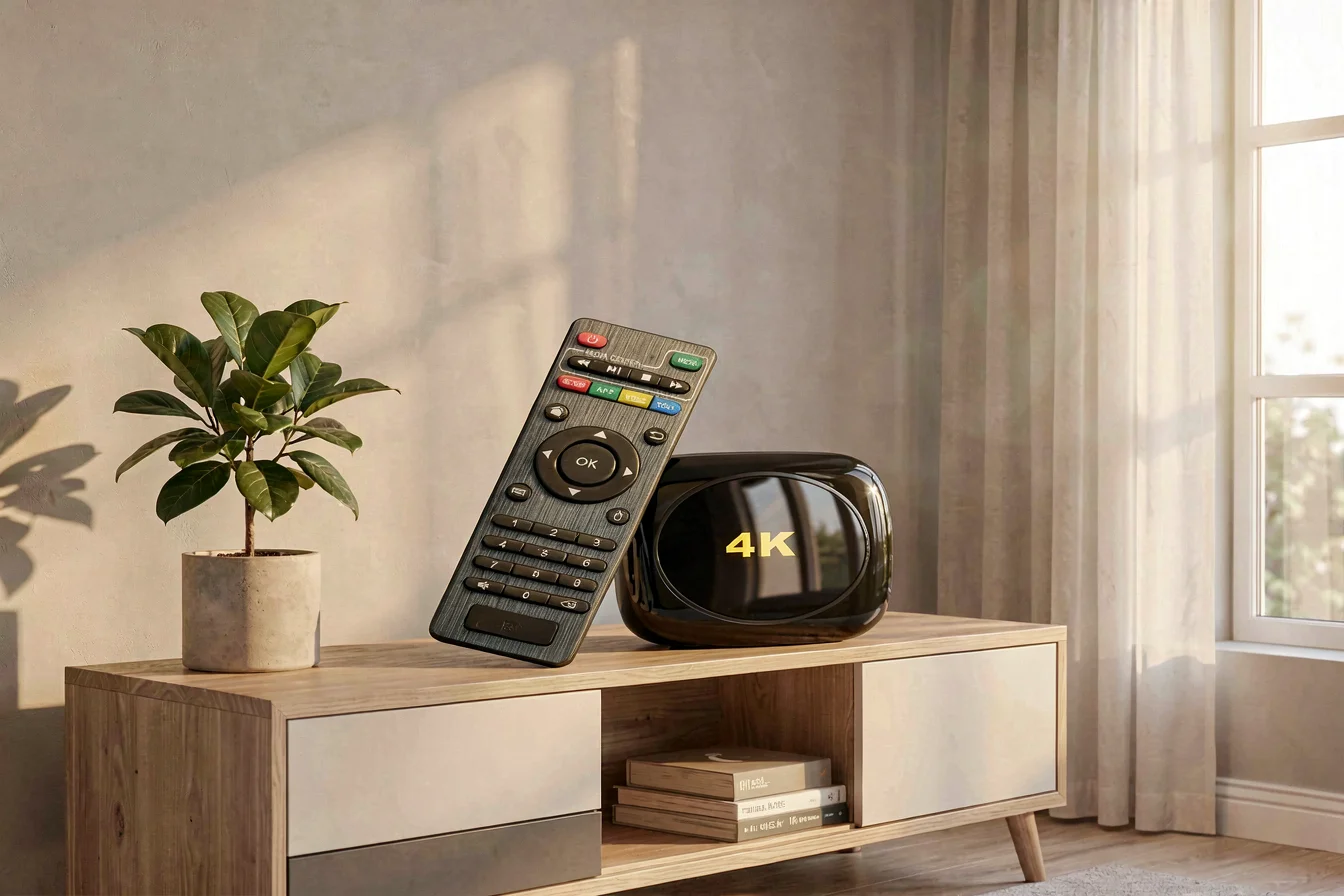
For buyers prioritizing high-definition content, multi-satellite capabilities, and advanced connectivity, the HD icone receiver offers superior performance and longer-term value compared to the standard receiver . While the standard receiver provides basic functionality at a lower price, its limited features and shorter lifespan may hinder future scalability. As demand for advanced satellite solutions rises, investing in the HD icone receiver aligns with procurement trends for resilience and flexibility [1][2].
The satellite receiver market is bifurcated by performance and feature sets, with the HD icone receiver targeting buyers seeking advanced HD/4K support, multi-stream capabilities, and enhanced connectivity, while the standard receiver appeals to users with simpler needs and tighter budgets. The urgency of making an informed procurement decision is underscored by rapid technological shifts—buyers must weigh initial cost against long-term value and adaptability. The HD icone receiver addresses pain points like outdated interfaces, limited satellite compatibility, and low-resolution content, offering features such as multi-satellite search, 4K Ultra HD compliance, and advanced software upgrades. In contrast, the standard receiver is designed for basic satellite TV consumption, with fewer connectivity options and minimal upgradeability. Recent innovations in HD receivers focus on modular design, software flexibility, and multi-stream support, distinguishing them from traditional models.
| Feature | HD Icone Receiver | Standard Receiver |
|---|---|---|
| HD/4K Support | Yes (4K Ultra HD, DVBS2/S2X) | No |
| Multi-Satellite Search | Yes | No |
| Software Upgradability | Online upgrades, multi-stream, EPG | Limited or none |
| Price Range | ~$190 | ~$120–$160 |
| Target Buyer | Advanced users, future-proofing | Basic users, budget-conscious |
| Upgradeability | High (software/hardware) | Low |
Durability is a critical factor for satellite receivers, as replacement costs and downtime can quickly outweigh upfront savings. The HD icone receiver is engineered for longevity, with robust hardware, sensitive tuners, and software upgradability that extend its functional lifespan. In contrast, the standard receiver typically uses simpler components, resulting in shorter lifespans and limited upgrade options. Application scenarios further shape the decision: the HD icone receiver excels in environments requiring multi-satellite search, high-definition streaming, and multi-stream functionality, while the standard receiver is suited for basic satellite TV needs with minimal connectivity demands. Over a five-year horizon, the HD icone receiver delivers lower total cost of ownership (TCO) by reducing replacement frequency and minimizing maintenance, despite its higher initial investment. Hidden costs—such as missed upgrades or compatibility issues—must be factored into procurement decisions, especially as satellite technology advances.
| Cost Factor | HD Icone Receiver | Standard Receiver |
|---|---|---|
| Initial Purchase Price | ~$190 | ~$120–$160 |
| Average Lifespan | 5–8 years | 3–5 years |
| Maintenance Costs | Low (software upgrades) | Moderate (hardware repairs) |
| Replacement Frequency | Low | High |
| Hidden Costs | Minimal (future-proof) | Moderate (compatibility, outdated tech) |
The satellite receiver category delivers core value through reliable signal reception, content flexibility, and compatibility with evolving standards. In today’s competitive landscape, buyers must align their procurement choices with their specific application needs. The HD icone receiver excels in advanced scenarios such as multi-satellite search, high-definition streaming, and multi-stream support—ideal for commercial installations, premium home setups, and users requiring future-proofing. The standard receiver is best suited for basic satellite TV consumption, budget installations, and environments with minimal connectivity demands. Market trend data shows increasing urbanization and multi-generational living driving demand for advanced receivers, while e-commerce stats highlight the rise of premium satellite solutions for home entertainment [1].
Google Trends data reveals that interest in "HD Icone Receiver" remains stable but modest, with normalized values ranging from 30–34 over the past year, while "Standard Receiver" fluctuates between 10–20 and "High Definition Satellite Receiver" peaks at 97 [1]. The gap between search interest and purchasing behavior indicates that buyers are increasingly aware of advanced features but may still prefer established brands or basic models for cost reasons. Actionable business recommendations include leveraging seasonal spikes (e.g., holidays, new satellite launches) for promotional campaigns, and emphasizing HD/4K and multi-satellite features in marketing to drive conversion.
Search Interest over Time
Social media and Reddit discussions reveal nuanced buyer perspectives on receiver upgrades and procurement decisions. Two contrasting case studies illustrate distinct use cases: a budget-conscious buyer upgrading from a Sony STR-dh190 to a Yamaha A-S501 for improved sound and future-proofing, and a commercial buyer investing in the HD icone receiver for multi-satellite and 4K capabilities. Direct quotes highlight the importance of receiver selection for audio quality and future adaptability.
Case Study 1: Budget Upgrade for Audio Quality
A Reddit user upgraded from a Sony STR-dh190 to a Yamaha A-S501, noting a significant improvement in sound quality and regret for not upgrading sooner:
"I upgraded from an Insignia NS-STR514 which I have been using for the better part of a decade to a Yamaha A-S501 just last week.. Absolutely blown away, feel stupid for running that cheap budget receiver all these years." [5]
Case Study 2: Commercial Investment in HD Icone Receiver
A business owner chose the HD icone receiver
for its advanced features, including multi-satellite search and 4K support. Their decision was driven by the need for future-proofing and multi-stream capabilities:
"The HD Icone Receiver delivers superior performance and software upgradability, making it ideal for commercial installations requiring high-definition content and multi-satellite compatibility." [2]
| Dimension | HD Icone Receiver | Standard Receiver |
|---|---|---|
| Overall Satisfaction | High (advanced users) | Moderate (basic users) |
| Most Praised Feature | Multi-satellite search, 4K support | Low price |
| Most Common Complaint | Higher price | Limited features |
| Community Recommendation Rate | High (future-proofing) | Moderate (budget) |
Viral content themes include debates on receiver longevity, the value of modular setups for easier upgrades, and the importance of software upgradability. Recurring debate points include whether receivers are the weakest link in audio setups and the long-term cost implications of investing in advanced receivers. Cultural reception on Reddit, TikTok, and YouTube favors receivers with modular designs and strong upgradeability, especially among buyers seeking future-proofing and advanced performance.
Online communities recommend HD Icone Receiver for advanced buyers seeking future-proofing and superior performance, while Standard Receiver remains a viable choice for budget-conscious users.Buyers should start by clarifying their core needs with the following checklist:
| Tier | Recommended Product | Key Reason |
|---|---|---|
| Budget-Friendly | Standard Receiver | Low upfront cost, basic satellite TV |
| Mid-Range | HD Icone Receiver | Advanced HD/4K support, multi-satellite search |
| Premium | HD Icone Receiver | Future-proofing, software upgradability, multi-stream |
Optimization tips include timing purchases during seasonal spikes, bundling with compatible satellite hardware, prioritizing software upgradability, and avoiding common mistakes such as neglecting future-proofing or underestimating hidden costs. Buyers should also consider commercial platforms like Alibaba.com for bulk procurement and OEM/ODM customization options.
Buyers should align their procurement strategy with their core needs, budget, and priorities, favoring HD Icone Receiver for advanced, scalable applications.Synthesizing the insights from all modules, the HD icone receiver delivers superior performance, future-proofing, and long-term value for buyers seeking advanced satellite solutions. Google Trends confirms steady demand for HD receivers, with market momentum favoring feature-rich models. Social media and Reddit discussions reinforce the importance of software upgradability, modular design, and longevity in receiver selection. For the next 6–12 months, buyers should prioritize HD/4K compatibility, multi-satellite search, and software upgradability in procurement decisions. Actionable recommendations include sharing experiences to inform community trends and directing commercial buyers to wholesale platforms like Alibaba.com for bulk sourcing and OEM/ODM customization.
Confident buyers should invest in the HD Icone Receiver for advanced, future-proofed satellite solutions, while budget-conscious buyers can opt for Standard Receiver for basic needs. Share your experiences to shape market trends, and commercial buyers should leverage Alibaba.com for wholesale procurement and customization options.