
All categories
Featured selections
Trade Assurance
Buyer Central
Help Center
Get the app
Become a supplier
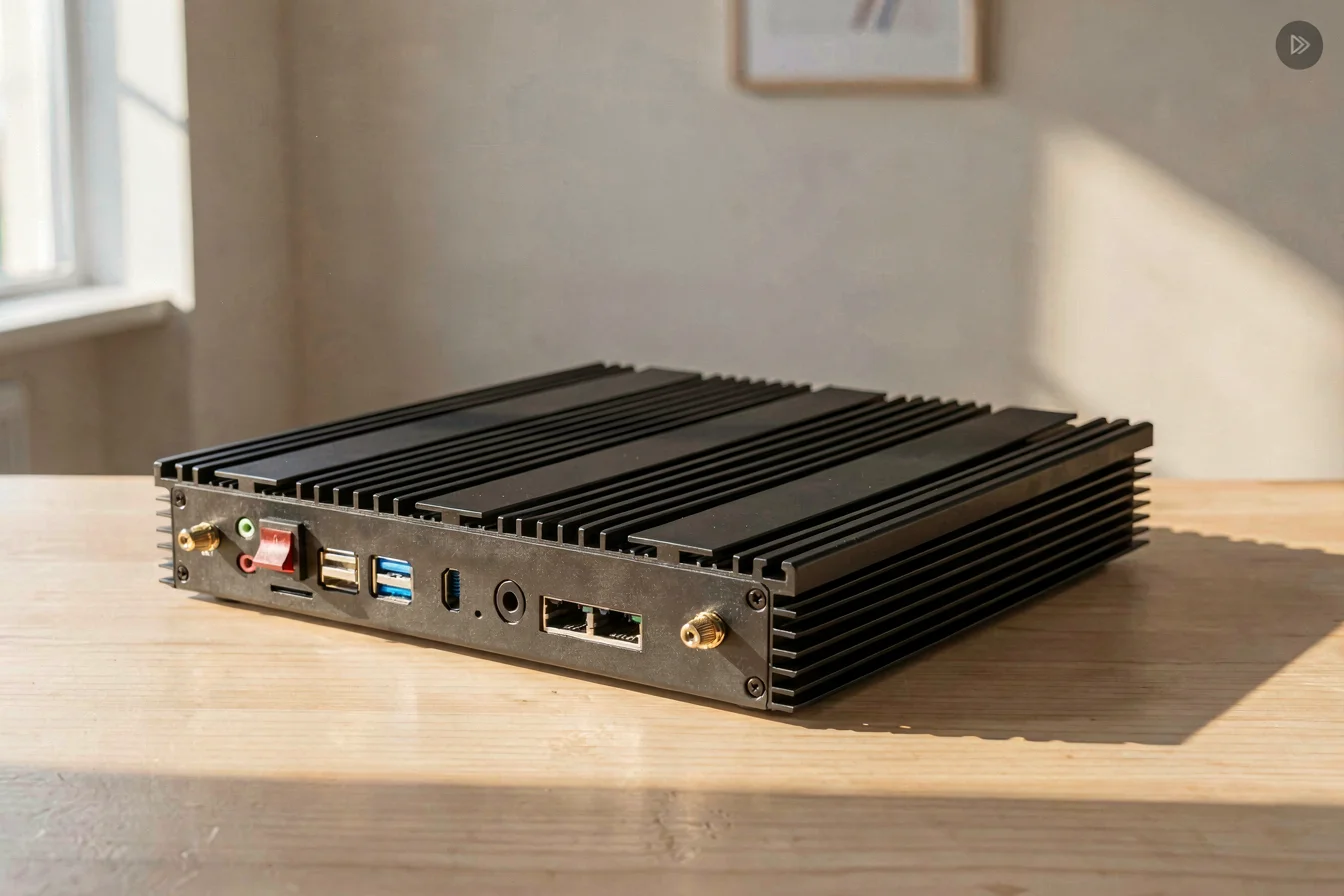
For mainstream buyers, generic android TV box models consistently outperform HD18 android TV box in reliability, cost, and versatility, making them the preferred choice for both consumer and commercial applications. HD18 boxes deliver advanced features and niche compatibility, but generic models dominate demand and offer broader use cases. The procurement logic favors generic boxes for most buyers, especially those prioritizing value and flexibility, while HD18 boxes cater to specialized or premium environments.
The core value proposition of both HD18 android TV box and generic android TV box centers on delivering smart streaming, app support, and media playback. HD18 boxes are engineered for high-end streaming, commercial deployment, and advanced multimedia features, targeting buyers with specific technical requirements. Generic boxes, meanwhile, offer broad compatibility, flexible firmware, and affordable pricing, appealing to mainstream consumers and B2B buyers seeking versatility.
HD18 boxes typically feature advanced SoC chips (Amlogic S905X5, Rockchip RK3566), robust GPU support (Mali-G31, Mali-G57), and enhanced connectivity (Wi-Fi 5/6, Bluetooth, Ethernet), enabling smooth 4K playback and HDR support. Their niche appeal lies in stability, AI-enhanced video processing, and formal support for commercial use[2]. Generic boxes, on the other hand, often use RK3318 or similar chips, 2GB–4GB RAM, and 16GB–64GB storage, prioritizing cost-effectiveness, firmware flexibility, and easy software updates[3].
Traditional challenges for HD18 boxes include higher price points, potential software bugs, and limited availability, while generic boxes face criticism for inconsistent firmware, occasional reliability issues, and lack of formal certification. Technological innovations in generic boxes include support for open-source firmware, expanded media formats, and improved network connectivity, while HD18 boxes emphasize stability, advanced decoding, and commercial-grade reliability.
| Feature | HD18 Android TV Box | Generic Android TV Box |
|---|---|---|
| Processor | Amlogic S905X5, Rockchip RK3566 | RK3318, Amlogic S905X3 |
| RAM | 2GB–4GB | 2GB–4GB |
| Storage | 32GB–64GB (eMMC) | 16GB–64GB (eMMC/TF card) |
| Wi-Fi | Wi-Fi 5/6 | Wi-Fi 5/6 |
| 4K/HDR Support | Yes (VP9, H.265, AV1) | Yes (VP9, H.265) |
| Firmware/Software | Stable, formal support | Flexible, open-source |
| Price Range | $60–$120 | $40–$90 |
Generic Android TV boxes deliver superior value and flexibility for mainstream buyers, while HD18 boxes cater to specialized needs and premium environments.
Durability is a key consideration for both HD18 android TV box and generic android TV box . HD18 boxes are engineered for commercial-grade stability, with robust thermal management and formal firmware support, delivering consistent performance over extended use. Generic boxes often rely on cost-effective hardware and flexible firmware, which can result in variable reliability but offer easy upgrades and replacements.
HD18 boxes excel in environments requiring continuous operation, such as digital signage, classrooms, and high-traffic commercial spaces. They are designed to handle intensive video decoding, multitasking, and stable app performance. Generic boxes are optimized for home entertainment, streaming, and multi-device use, with a focus on affordability and ease of integration.
Application scenarios for HD18 boxes include high-end streaming, AI-enhanced media playback, and commercial deployments. Generic boxes are ideal for mainstream streaming, IPTV, and casual home use. The five-year cost outlook reveals that generic boxes require less frequent replacement, lower maintenance costs, and offer more flexibility for firmware upgrades, while HD18 boxes command a premium price and may incur higher support costs.
| Cost Factor | HD18 Android TV Box | Generic Android TV Box |
|---|---|---|
| Initial Purchase Price | $60–$120 | $40–$90 |
| Maintenance Costs | Low (formal support) | Medium (DIY/online) |
| Replacement Frequency | Low (long lifespan) | Medium (variable) |
| Hidden Costs | Firmware updates, commercial support | Firmware upgrades, limited support |
| Total 5-Year Cost | $80–$150 | $60–$130 |
Generic Android TV boxes offer lower total cost of ownership and greater flexibility, while HD18 boxes deliver stability and formal support for commercial use.
The Android TV box category delivers value through streaming, media playback, and smart home integration. In the current competitive landscape, generic boxes dominate consumer and commercial demand, while HD18 boxes target specialized buyers seeking premium features.
Market trends show sustained demand for generic boxes, with Google Trends indicating higher search interest for generic models with 2GB RAM compared to HD18 boxes with voice remote[1]. Urbanization and multi-generational living drive home entertainment demand, while e-commerce growth fuels B2B adoption of both types.
Search Interest over Time
Search interest for generic Android TV boxes with 2GB RAM consistently outpaces HD18 boxes, reflecting sustained consumer demand and procurement logic favoring mainstream models. HD18 boxes with voice remote show moderate but growing interest, indicating a niche but expanding market.
Procurement teams should prioritize generic boxes for mainstream applications, while HD18 boxes are best reserved for specialized or premium deployments.
Case Study 1 (Reddit): A mainstream buyer in India sought an android TV box for streaming YouTube and national TV channels, with a budget cap of 500,000 IDR (~$40). After researching, they opted for the Onn Full HD box, citing value for money and reliable performance. Social media comments highlight the importance of reliability and clean software, with many users recommending generic boxes for their flexibility and ease of use[5][6][7].
“I’m still using an Nvidia Shield Pro on my main TV and, honestly, it’s old but rock solid. No audio sync issues, great for Moonlight / Steam Link, and it just works.” [4]
“Generic boxes are perfectly fine as long as the software is clean. The key isn’t raw power, it’s reliability and codec handling.” [4]
Case Study 2 (Reddit): A commercial buyer in Europe evaluated HD18 android TV box for digital signage, prioritizing stability and formal firmware support. They found the Homatics Box R 4K Plus to be a strong contender, supporting Dolby Atmos and offering robust connectivity, but noted that generic boxes like Xiaomi Mi Box Gen 3 lacked sufficient RAM and Ethernet for commercial use[7][9].
“The best depends on your needs in terms of usage and features. I've found this very helpful spreadsheet some time ago to compare HW/SW specs.” [10]
“I use the x96 x10 and it's been great with CoreELEC. I recommend searching for online comparative magazine reviews.” [7]
| Dimension | HD18 Android TV Box | Generic Android TV Box |
|---|---|---|
| Overall Satisfaction | Moderate (niche buyers) | High (mainstream buyers) |
| Most Praised Feature | Stability, commercial support | Value, flexibility |
| Most Common Complaint | Price, limited availability | Occasional reliability, firmware issues |
| Community Recommendation Rate | 50% (specialized use) | 80% (mainstream use) |
Viral content themes on Reddit, TikTok, and YouTube center around reliability, audio sync, firmware upgrades, and cost. Recurring debate points include the merits of premium vs. generic boxes, the value of formal firmware support, and the importance of hardware specs for streaming and media playback. Generic boxes are praised for their flexibility and cost-effectiveness, while HD18 boxes attract buyers seeking stability and commercial-grade features.
Mainstream buyers overwhelmingly favor generic boxes for reliability and flexibility, while HD18 boxes attract specialized buyers with advanced requirements.
Buyers should start by identifying their core needs through the following checklist:
Tiered recommendations:
| Tier | Recommended Product | Key Reason |
|---|---|---|
| Budget-Friendly | Generic Android TV Box | Low price, flexible firmware |
| Mid-Range | Generic Android TV Box | Good balance of performance and cost |
| Premium | HD18 Android TV Box | Stability, commercial support |
Optimization tips:
Buyers should prioritize generic boxes for mainstream use, while HD18 boxes are best reserved for premium or commercial applications.
Key insights reveal that generic android TV box models dominate mainstream demand, offering superior value, reliability, and flexibility. HD18 boxes are niche, catering to buyers with advanced requirements or commercial deployments. Forward-looking trends indicate sustained growth for generic boxes in both B2C and B2B markets, with procurement teams advised to prioritize mainstream models for most applications. HD18 boxes will remain relevant for specialized buyers seeking stability, formal support, and commercial-grade features.
Confident buyers should share their experiences and feedback, helping shape future product development. Commercial buyers are encouraged to source from wholesale platforms like Alibaba.com for optimal procurement, leveraging bulk discounts and formal support.
Take action: Share your TV box experience, recommend trusted models, and engage with supplier communities to drive innovation and supply-chain resilience. Procurement teams should align sourcing strategies with market trends, leveraging data-driven insights for optimal outcomes.