
All categories
Featured selections
Trade Assurance
Buyer Central
Help Center
Get the app
Become a supplier
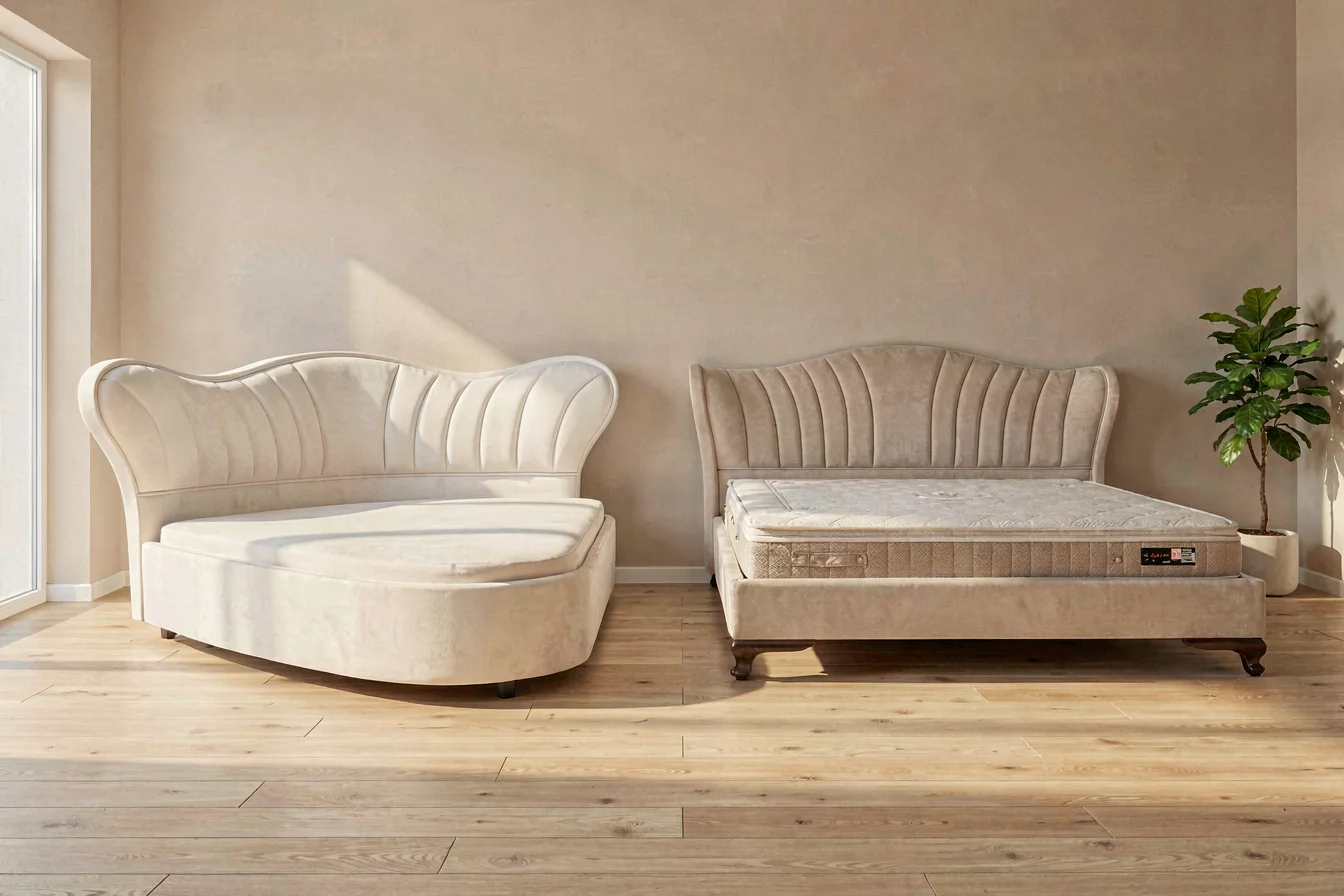
For most buyers, a traditional rectangular bed offers superior comfort, universal fit, and practicality for daily use, making it the dominant choice in mainstream procurement. However, a heart shaped bed is gaining traction as a niche, decorative option—especially for themed rooms, boutique hotels, and special events. The decision hinges on prioritizing comfort and space efficiency versus visual impact and novelty, with procurement logic favoring rectangular beds for long-term utility and heart shaped beds for short-term, style-driven applications.
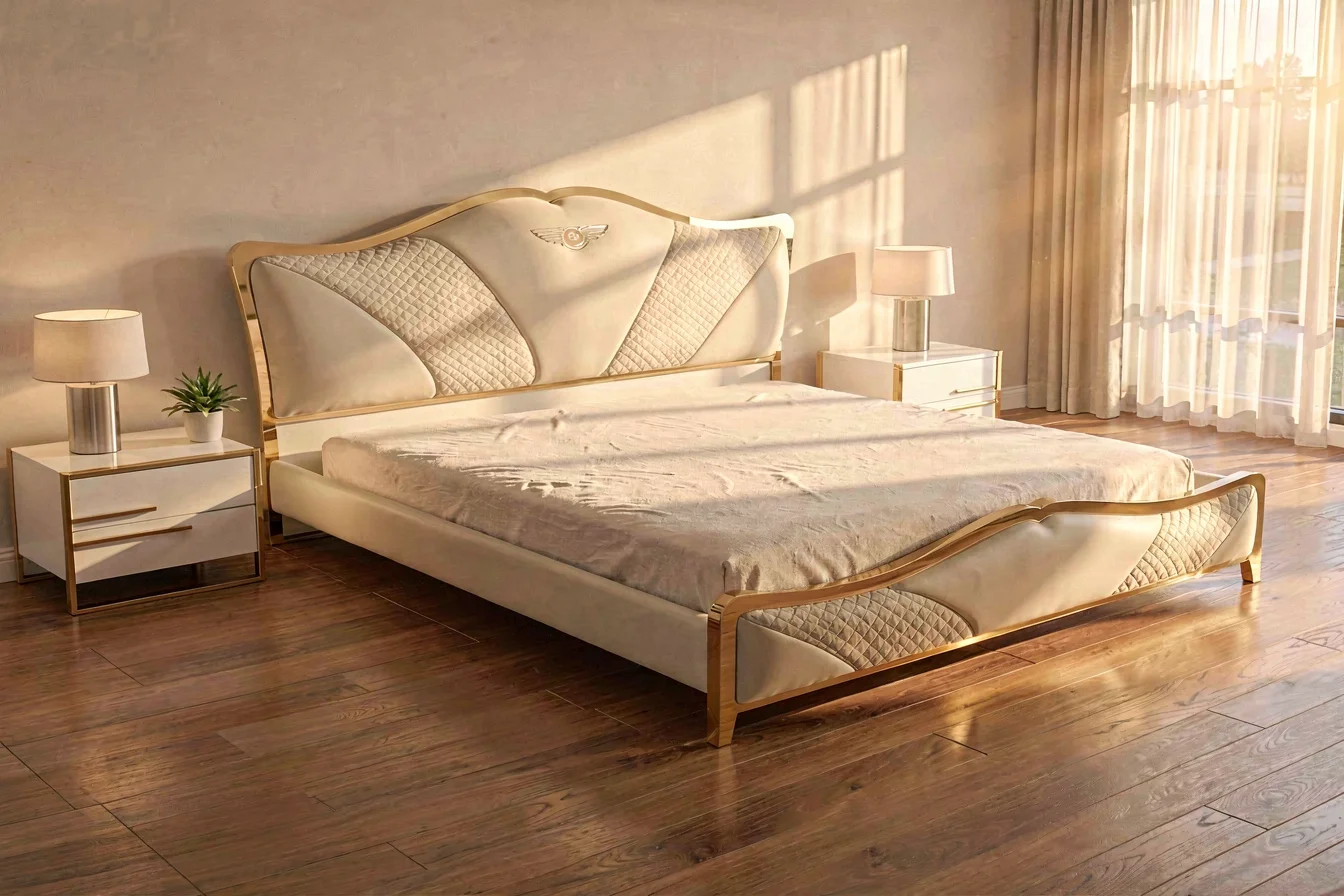
Both heart shaped bed and traditional rectangular bed serve distinct market needs: the former targets buyers seeking romantic aesthetics and unique decor, while the latter addresses comfort, space efficiency, and practicality for everyday sleep. In today’s competitive landscape, the urgency of choosing the right bed type is heightened by evolving consumer preferences, urbanization, and the rise of boutique hospitality. The heart shaped bed is primarily designed for visual impact, with curves that evoke romance, novelty, and personalization—often used for anniversaries, themed hotels, or Instagrammable spaces. In contrast, the traditional rectangular bed is engineered for universal fit, maximizing legroom, ease of access, and compatibility with standard sheets and mattresses.
Technological innovations in rectangular beds include modular storage, platform designs, and Japanese joinery for durability, while heart shaped beds focus on sculptural forms, custom materials, and artisanal craftsmanship. The main pain points for heart shaped beds are comfort limitations, custom bedding requirements, and higher price points, as revealed by Reddit discussions and market reviews [9][10]. Meanwhile, rectangular beds suffer from occasional wobbling headboards, lack of storage, and limited design variation [13].
| Feature | Heart Shaped Bed | Traditional Rectangular Bed |
|---|---|---|
| Aesthetic Impact | Romantic, decorative, unique | Classic, functional, universal |
| Comfort | Limited (best for one person, center of heart) | High (full support, standard size) |
| Custom Bedding | Required, expensive | Standard, affordable |
| Procurement Ease | Special order, limited supply | Widely available, mass-market |
| Market Demand | Niche, trending upward | Mainstream, steady |
| Price Range | High (custom, artisanal) | Wide ($200–$2,000+) |
Heart shaped beds are best suited for short-term, themed, or decorative applications, while traditional rectangular beds remain the optimal choice for mainstream, everyday use.
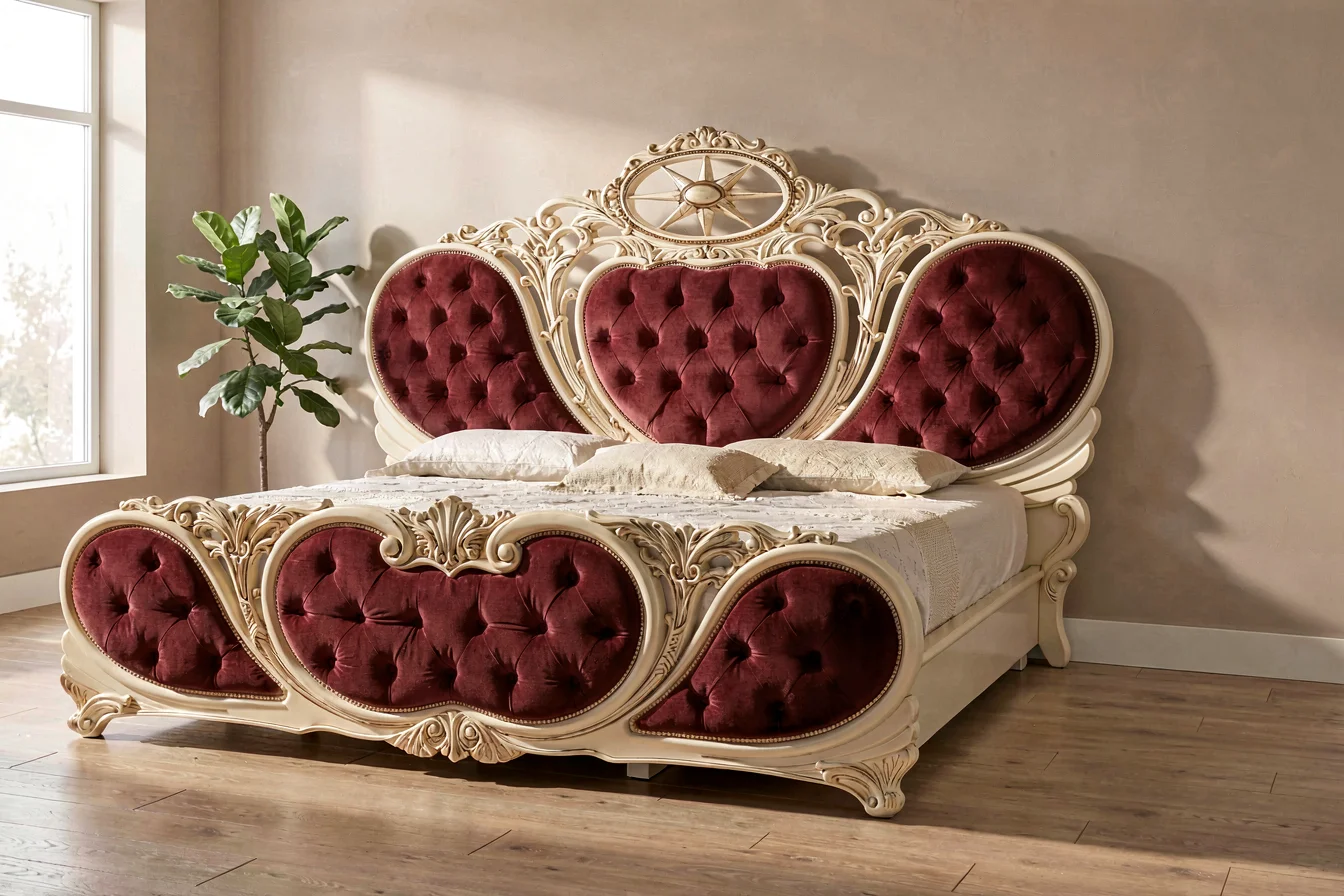
Durability is a crucial factor for procurement, especially in commercial and hospitality settings. Heart shaped bed frames often use custom wood or metal, with limited structural support—making them prone to stress fractures, especially at curved points. User reviews on Reddit highlight concerns about longevity, noting that “custom sheets are expensive and hard to find,” and “the only person sleeping comfortably is the one right in the middle of the heart” [9][10]. In contrast, traditional rectangular bed frames are engineered for maximum stability, with options for Japanese joinery, modular storage, and platform designs that resist wear and tear [11][13].
Application scenarios differ: heart shaped beds excel in boutique hotels, themed events, and special occasions, while rectangular beds are ideal for homes, offices, and hospitality environments requiring universal fit and comfort. Maintenance for heart shaped beds is higher due to custom parts and limited replacement options; rectangular beds benefit from easy sourcing of replacement parts and standard sheets.
Long-term cost evaluation reveals that heart shaped beds carry higher upfront and ongoing costs—custom sheets, custom frames, and limited resale value. Rectangular beds, while sometimes more expensive for premium models, offer lower maintenance costs, longer lifespan, and broader resale appeal.
| Cost Factor | Heart Shaped Bed | Traditional Rectangular Bed |
|---|---|---|
| Initial Purchase Price | High (custom, artisanal) | Moderate to High ($200–$2,000+) |
| Maintenance | High (custom parts, frequent repairs) | Low (standard parts, easy repairs) |
| Replacement Frequency | Frequent (limited durability) | Infrequent (long lifespan) |
| Hidden Costs | Custom bedding, limited resale | Standard bedding, high resale |
| 5-Year Total Cost | $1,500–$4,000 | $800–$3,000 |
Rectangular beds offer superior durability and lower long-term costs, making them the preferred choice for mainstream procurement; heart shaped beds are best reserved for short-term, decorative applications.
The bed category delivers core value by defining the atmosphere, comfort, and functionality of a space. In today’s competitive landscape, buyers must choose between romantic aesthetics and universal utility. Heart shaped bed excels in themed events, boutique hotels, and Instagrammable decor, while traditional rectangular bed dominates mainstream home and office environments. Market trend data shows rising interest in heart shaped beds during Valentine’s Day and anniversaries, with steady demand for rectangular beds year-round [1].
Google Trends data shows search interest for heart shaped bed frames rising steadily from March 2025 to February 2026, peaking in early 2026, while traditional rectangular beds maintain moderate, stable interest [1]. This suggests a growing niche market for heart shaped beds, especially around Valentine’s Day and anniversaries, with a lag between search interest and actual purchasing behavior.
Search Interest over Time
Heart shaped beds show strong seasonal spikes, suggesting niche demand; rectangular beds remain stable for mainstream procurement.
Reddit and TikTok discussions reveal mixed sentiment toward heart shaped bed —users praise its romantic and unique appearance but criticize comfort, custom bedding needs, and impracticality for everyday sleep. In contrast, traditional rectangular bed receives positive feedback for comfort, space efficiency, and universal fit, though some mention headboard wobble and lack of storage [13].
Case Study 1: Romantic Novelty vs. Daily Practicality (Reddit)
A buyer on Reddit describes the allure of heart shaped bed
as “very different,” “cute but confusing,” and “more like a design piece than a simple bed.” They express concern about comfort, noting “it feels extra to me,” and question whether it’s worth trying or if “normal bed is better.” Another user comments: “You’d need custom sheets too. Where would you put your current bed? What would you do with the heart bed when you’re done with it? This is a bad idea, no offense.”
“They’re meant for romantic times, but not for everyday use. You and a sweetheart would probably be okay for a night or two on it, but for everyday, you’d want more leg room.” [9]
Case Study 2: Mainstream Comfort and Practicality (Reddit)
A buyer on Reddit reviews a traditional rectangular bed
, stating: “Setup was a breeze. My only real complaint is the wobbliness of the headboard. I didn’t take a video, but mine behaves pretty much identically to what others have posted here. I ended up going to my local craft store and buying some brown felt to help stabilize the joints, which did help a lot. That said, there’s still some noticeable creaking, and the exposed felt isn’t the most aesthetically pleasing solution.”
“I’m pretty content with the bed. Even with the wobbly headboard, it’s night and day compared to the $200 frame I was coming from, and I really love the look.” [13]
| Dimension | Heart Shaped Bed | Traditional Rectangular Bed |
|---|---|---|
| Overall Satisfaction | Mixed (romantic, impractical) | High (comfortable, practical) |
| Most Praised Feature | Aesthetic impact | Comfort and fit |
| Most Common Complaint | Comfort, custom bedding | Wobble, lack of storage |
| Community Recommendation Rate | Low (niche use only) | High (mainstream use) |
Viral content themes on TikTok and Reddit focus on the visual impact of heart shaped bed for anniversaries and themed decor, while debates revolve around comfort, practicality, and resale value. Most users recommend rectangular beds for daily use, reserving heart shaped beds for special occasions.
Heart shaped beds are valued for their romantic appeal but criticized for comfort and practicality; rectangular beds receive strong community endorsement for mainstream use.
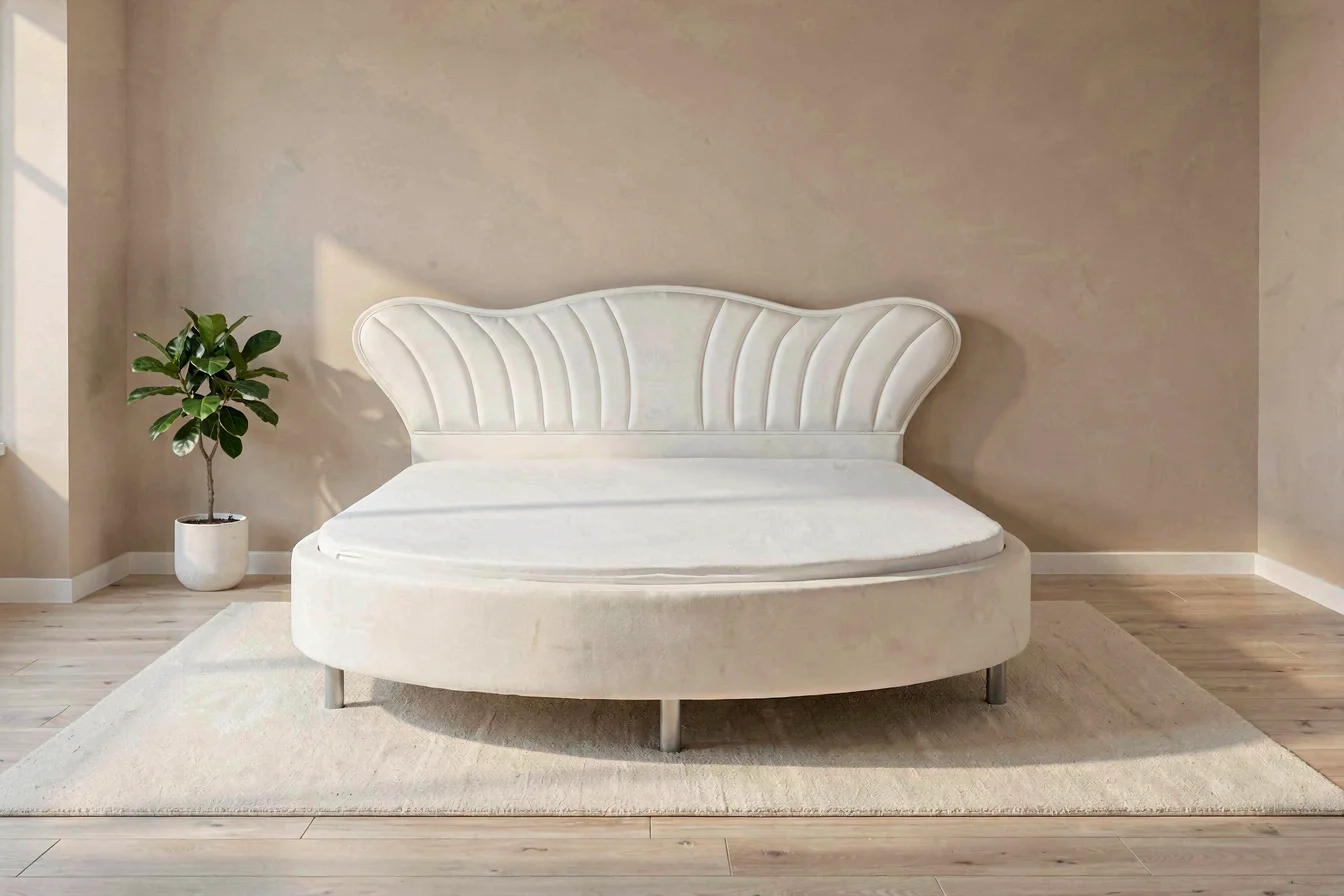
Buyers should begin by clarifying their core needs, budget, and priorities before purchasing. Key questions to ask:
Tiered recommendations based on performance and budget:
| Tier | Recommended Product | Key Reason |
|---|---|---|
| Budget-Friendly | Traditional Rectangular Bed | Affordable, mass-market, easy sourcing |
| Mid-Range | Traditional Rectangular Bed | Durability, comfort, universal fit |
| Premium/Decorative | Heart Shaped Bed | Unique aesthetics, themed decor |
Optimization tips:
Rectangular beds are ideal for budget and mainstream buyers; heart shaped beds suit premium, themed, or decorative applications.
Key insights: heart shaped bed is trending upward as a niche, decorative option, with strong seasonal spikes around Valentine’s Day and anniversaries. Traditional rectangular bed remains the dominant choice for mainstream buyers due to superior comfort, space efficiency, and universal fit. Procurement logic favors rectangular beds for long-term utility, while heart shaped beds are best reserved for themed events, boutique hotels, and Instagrammable decor.
Forward-looking trend recommendation: Over the next 6–12 months, expect heart shaped beds to maintain niche demand for special occasions and themed decor, while rectangular beds will continue to dominate mainstream procurement. Buyers should align their choices with core needs, budget, and priorities—choosing rectangular beds for daily use and heart shaped beds for visual impact and short-term applications.
Confidently choose the bed type that best aligns with your needs: share your experience with heart shaped beds or rectangular beds on social media, and for commercial buyers, source wholesale options on Alibaba.com for reliable supply and customization.