
All categories
Featured selections
Trade Assurance
Buyer Central
Help Center
Get the app
Become a supplier
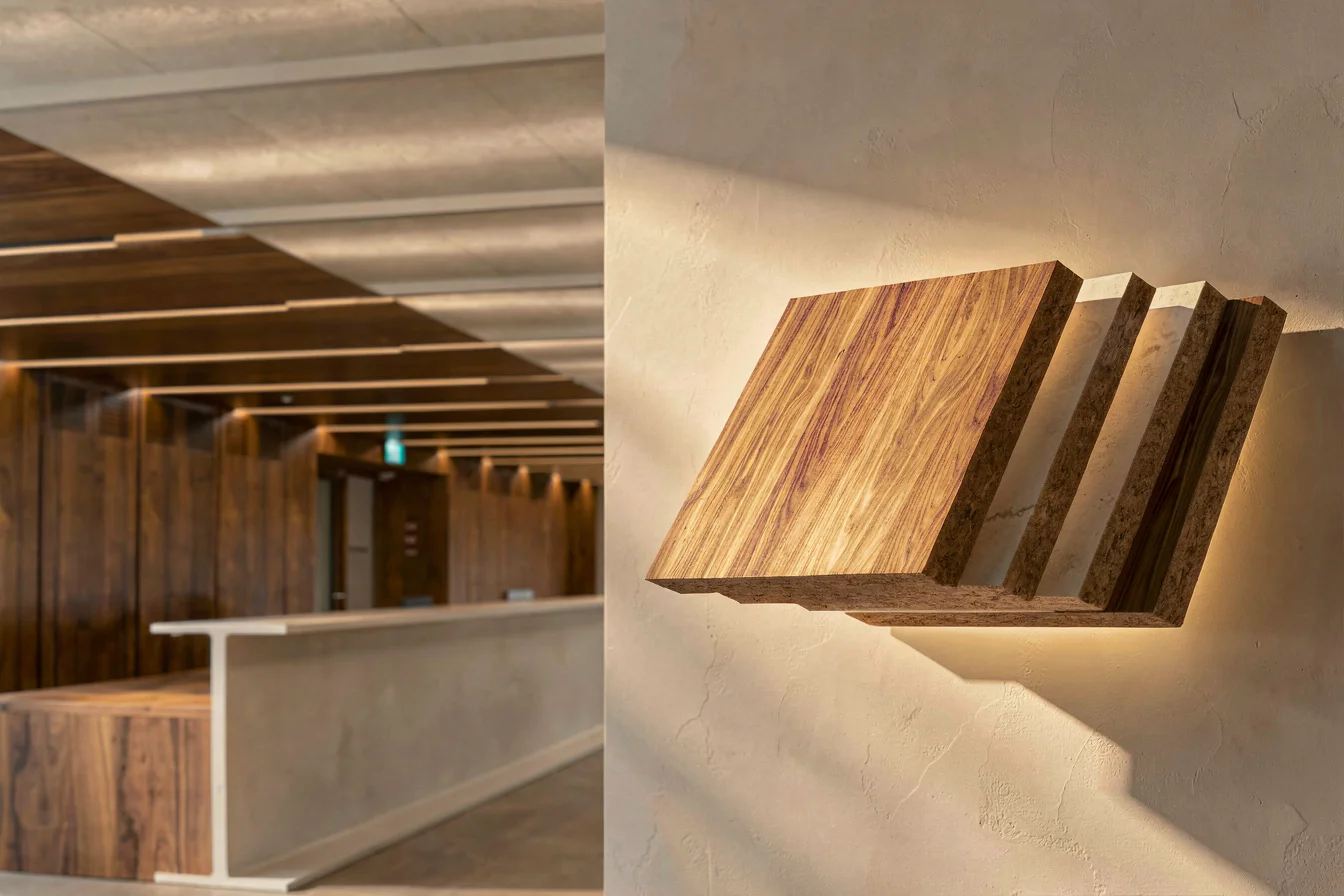
When deciding between partex board and melamine board , partex board delivers unmatched moisture resistance and structural strength, making it optimal for demanding environments and cost-sensitive projects. Meanwhile, melamine board stands out for its wide design palette, rapid installation, and aesthetic flexibility, ideal for interior applications where customization is key. Procurement trends favor partex board for its durability and stable demand, while melamine board remains the top choice for design-driven projects with seasonal spikes [1][4][6].
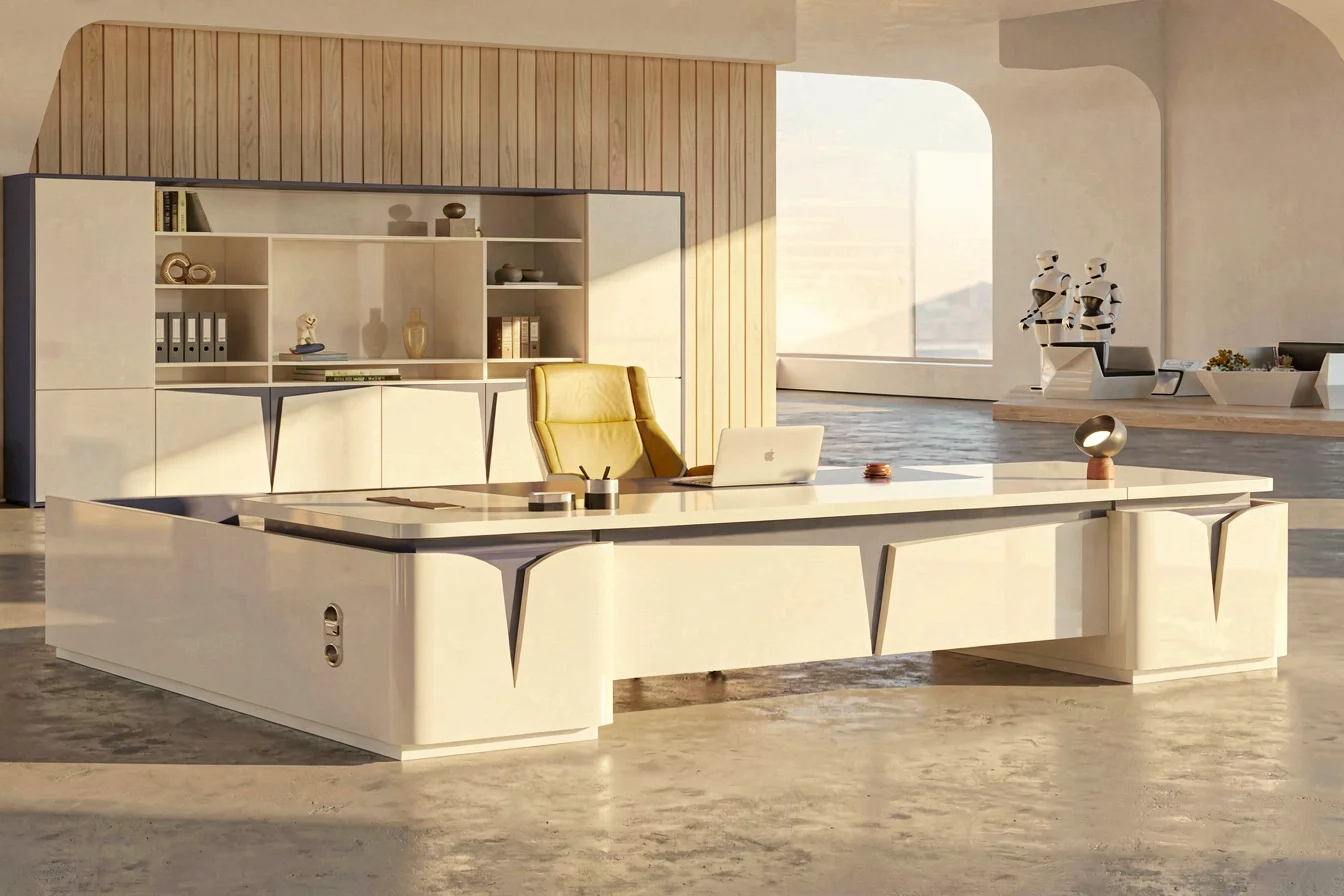
The core value of partex board lies in its structural integrity and moisture resistance, addressing pain points such as warping and swelling in humid or high-traffic environments. Melamine board , by contrast, solves aesthetic and rapid deployment needs, offering a pre-finished surface that resists scratches and stains. In today’s competitive market, buyers must weigh durability against design flexibility, as each board type targets distinct user segments and application scenarios [4][5][6].
Partex board is engineered for stability, with advanced resin treatments and graded density structures that prevent warping and enhance load-bearing capacity. Its primary audience includes construction firms, furniture manufacturers, and B2B buyers needing reliable substrates for cabinets, shelving, and flooring. Melamine board is favored by designers, interior contractors, and retail brands seeking quick installation and broad color/texture options, making it popular in kitchens, offices, and display cases [5][7].
The procurement dilemma centers on trade-offs: partex board offers cost savings and longevity but limited finish choices; melamine board provides rapid customization and design versatility but requires careful sourcing for moisture resistance and formaldehyde emissions. Technological innovation in both sectors—such as improved edge banding, enhanced resin formulations, and advanced color matching—continues to shape competitive advantage [2][8].
| Feature | Partex Board | Melamine Board |
|---|---|---|
| Moisture Resistance | High (resin-treated, graded density) | Moderate (coated surface, depends on substrate) |
| Structural Strength | Superior (load-bearing, anti-warp) | Good (substrate-dependent, less load-bearing) |
| Design Versatility | Limited (natural wood or basic veneer) | Extensive (colors, wood grains, textures) |
| Installation Speed | Moderate (needs finishing) | Very High (pre-finished, ready to install) |
| Formaldehyde Emissions | Low (resin-treated, limited data) | Moderate (coating material, requires E1/E2 certification) |
| Cost | Low to Moderate | Low to Moderate |
Partex Board is the clear winner for structural and moisture-sensitive applications, while Melamine Board excels for design-driven, rapid-install projects.
Durability is a critical factor when choosing between partex board and melamine board . Partex board is engineered with advanced resin treatments and graded density structures, ensuring consistent performance over time and minimal risk of warping, even in humid or high-traffic environments [2][3]. Its lifespan typically exceeds 10 years in structural applications, making it ideal for long-term investments in furniture, shelving, and flooring.
Melamine board offers high surface durability—resisting scratches, stains, and moisture—but its longevity depends heavily on the quality of the substrate and edge banding. While it can last 5–8 years in interior applications, its performance drops under heavy load or prolonged moisture exposure. The pre-finished surface minimizes finishing costs but requires careful sourcing to avoid issues with formaldehyde emissions [4][8].
Application scenarios further clarify the best use cases: partex board thrives in environments demanding stability, moisture resistance, and cost control, such as commercial kitchens, storage units, and outdoor furniture. Melamine board is optimal for interior cabinetry, office furniture, display cases, and projects requiring rapid deployment and aesthetic customization [5][7].
A 5-year cost outlook reveals the following: partex board delivers lower maintenance and replacement costs, especially in high-traffic or moisture-prone settings, while melamine board incurs slightly higher replacement frequency due to surface wear but offers faster installation and fewer finishing costs. Hidden costs include edge banding, formaldehyde certification, and periodic surface touch-ups [4][8].
| Cost Factor | Partex Board | Melamine Board |
|---|---|---|
| Initial Purchase Price | Low-Moderate | Low-Moderate |
| Installation Cost | Moderate (needs finishing) | Low (pre-finished, ready to install) |
| Maintenance | Low (resin-treated, minimal wear) | Moderate (surface wear, edge banding) |
| Replacement Frequency | Low (10+ years) | Moderate (5–8 years) |
| Hidden Costs | Edge banding, formaldehyde certification | Edge banding, surface touch-ups, formaldehyde certification |
For long-term durability and cost control, Partex Board is superior; Melamine Board is optimal for rapid, design-driven projects with moderate maintenance.
The core value of the board category is reliable, cost-effective substrates for furniture, cabinetry, shelving, and interior design. In today’s competitive landscape, buyers must align their procurement decisions with both B2C lifestyle and B2B commercial requirements. Partex board and melamine board each excel in distinct user scenarios:
Market trends show urbanization, multi-generational living, and e-commerce growth fueling demand for both boards, but with seasonal spikes for melamine board tied to renovation cycles and partex board linked to construction projects [1][3].
Google Trends data reveal that global search interest for partex board sheets consistently outpaces melamine faced particle board , with notable peaks in February 2026 (Partex Board: 90, Melamine Faced Particle Board: 76), indicating robust procurement momentum [1]. Seasonal volatility is lower for partex board , while melamine board experiences spikes during renovation cycles. This suggests that buyers should time bulk procurement for partex board during construction project launches, while melamine board is best sourced ahead of renovation seasons for optimal pricing and availability.
Search Interest over Time
Partex Board’s stable demand and seasonal peaks make it the top choice for bulk procurement, while Melamine Board’s spikes align with renovation cycles.
Reddit and TikTok discussions highlight real-world experiences, expectations, and outcomes for both partex board and melamine board . Case studies reveal distinct buyer personas:
Case Study 1: Melamine Board in Cabinet Doors (Reddit, r/cabinetry)
A user sought to create partial integrated pulls on tall cabinet doors using melamine particle board. The community advised using solid lip laminates, custom veneer, or thermofoil for enhanced aesthetics and durability. One comment noted: “Solid lip the laminate with oak then route into the solid. We do it all the time. Time consuming but defo worth it.” Another user recommended matching latex paint or using thermofoil/vinyl for a clean profile [9].
“Laminate the hardwood edge onto the pc panel, veneer over top and then machine out the finger pull. Labor intensive and not super DIY friendly, but also not an incredibly complex thing to do.”
Case Study 2: Partex Board for PC Desks (Reddit, r/woodworking)
A user asked if melamine chipboard (a variant of Partex Board) was suitable for a PC desk. Community consensus was positive, citing stability with metal frame support and 10-year durability: “Well, mine is 25mm, but it has no metal support underneath, only a backboard made of the same stuff. It's been in my use for something like 10 years already, no problem.” [11]
“Yes definitely fine my man.”
Sentiment analysis reveals the following:
| Dimension | Partex Board | Melamine Board |
|---|---|---|
| Overall Satisfaction | High (stability, durability) | Moderate (design, finish) |
| Most Praised Feature | Structural strength | Design versatility |
| Most Common Complaint | Limited finish options | Edge banding, surface wear |
| Community Recommendation Rate | High | Moderate |
Viral content themes include debates over edge banding techniques, color customization, and sourcing for both boards. Cultural reception is positive for partex board in structural and commercial applications, while melamine board receives praise for design versatility but criticism for finish durability and formaldehyde concerns [9][10][11].
Community consensus favors Partex Board for stability and durability, but Melamine Board is preferred for rapid customization and interior design.
Buyers should begin by identifying their core needs with the following checklist:
Tiered recommendations:
| Tier | Recommended Product | Key Reason |
|---|---|---|
| Budget-Friendly | Partex Board | Lowest cost, high durability |
| Mid-Range | Melamine Board | Design versatility, rapid installation |
| Premium | Melamine Board (high-grade finish) | Custom finishes, formaldehyde certification |
Optimization tips:
Choose Partex Board for cost control and durability; select Melamine Board for design flexibility and rapid deployment.
Synthesizing insights from all modules, partex board is the top choice for buyers seeking structural stability, moisture resistance, and long-term cost control, while melamine board dominates design-driven projects requiring rapid customization and aesthetic flexibility. Procurement trends favor partex board for bulk, construction-focused purchases and melamine board for interior renovation cycles [1][4][6].
Looking ahead, the next 6–12 months will see continued growth in partex board demand due to stable construction and commercial projects, while melamine board will experience seasonal spikes tied to renovation cycles. Buyers should prioritize formaldehyde certification, edge banding, and bulk procurement timing for optimal value.
Confidently choose Partex Board for structural and moisture-sensitive applications, or Melamine Board for design versatility and rapid installation. Share your experiences online, and commercial buyers should connect with wholesale suppliers on Alibaba.com for bulk procurement and customization support.