
All categories
Featured selections
Trade Assurance
Buyer Central
Help Center
Get the app
Become a supplier
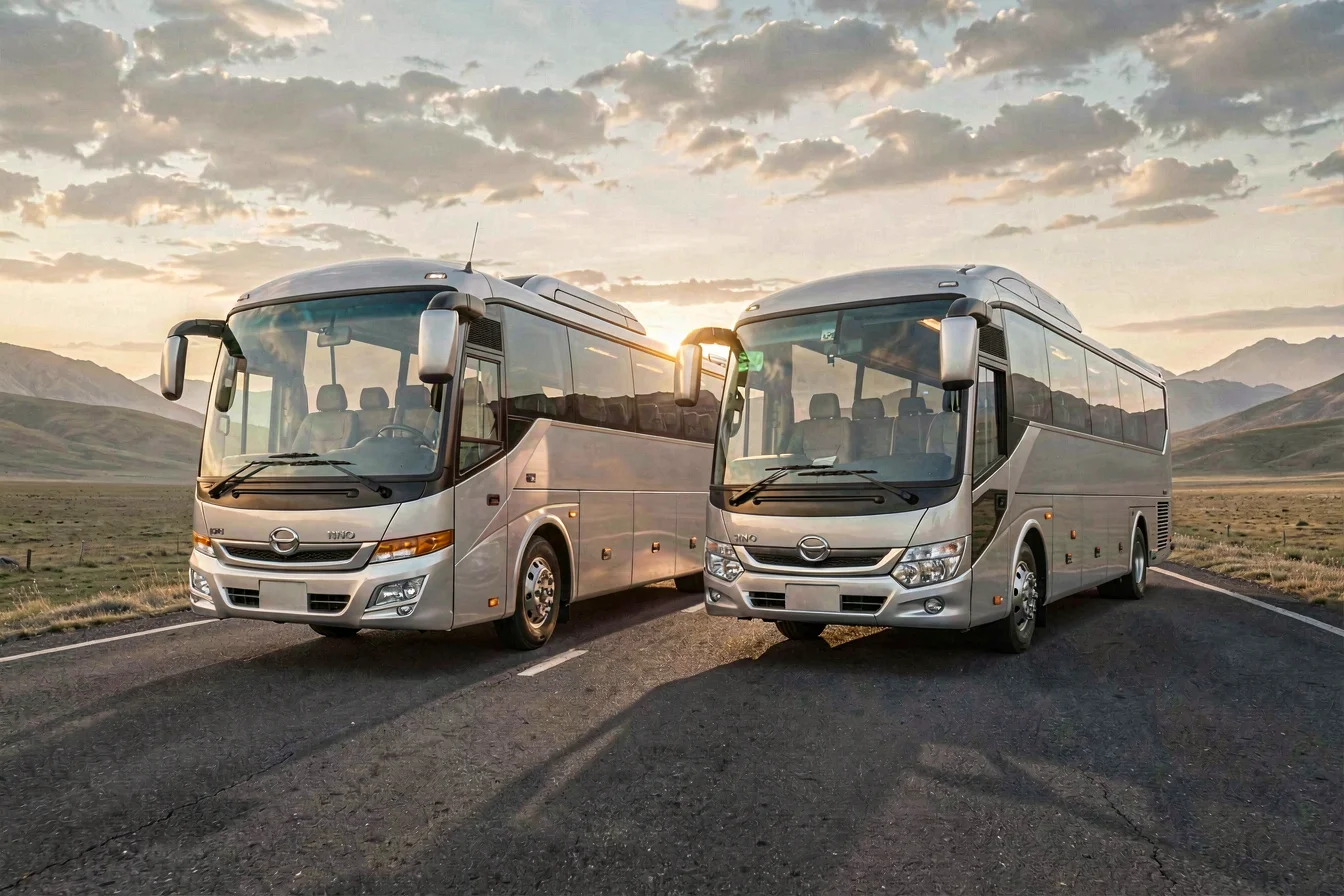
For most buyers, hino bus chassis model a offers proven reliability, high output, and versatility, dominating global search demand and fleet deployments [1][2][3]. Hino bus chassis model b is niche, with rising but limited adoption, best suited for regulated, eco-focused markets seeking zero emissions. Procurement logic favors Model A for cost-effectiveness and durability, while Model B fits specialized sustainability mandates.
The hino bus chassis model a (diesel) is engineered for urban and regional transport, delivering robust performance, reliability, and ease of maintenance. Its target audience includes municipal transport agencies, intercity operators, and logistics fleets seeking cost-effective, high-capacity solutions. Hino bus chassis model b (electric) is tailored for operators in regulated, eco-focused markets, prioritizing zero emissions and compliance with local sustainability mandates.
Model A’s core strengths include proven durability, high torque output, and widespread availability of parts and service networks. Model B’s value proposition centers on environmental compliance, reduced fuel costs, and government incentives, but is limited by higher upfront and maintenance costs, and range anxiety. Model A solves traditional fleet challenges—cost, reliability, and versatility—while Model B addresses emerging sustainability and regulatory demands.
Model A remains the default for most buyers due to its proven track record, while Model B is best for niche, sustainability-driven applications.
| Feature | Hino Bus Chassis Model A (Diesel) | Hino Bus Chassis Model B (Electric) |
|---|---|---|
| Engine Output | 250 hp, 745 Nm torque, 184 kW | 120–150 kW (estimated) |
| GVW | 14,100 kg | 14,000 kg (estimated) |
| Max Speed | 125 km/h | 110–120 km/h (estimated) |
| Maintenance Network | Widespread, global support | Limited, region-specific |
| Upfront Cost | $28,000–$35,000 (2026) | $40,000–$55,000 (2026) |
| Emission Compliance | Euro 2–Euro 6 | Zero emissions |
Durability is a critical differentiator for fleet operators. Hino bus chassis model a is renowned for its robust chassis design, proven longevity, and low downtime, with service intervals typically every 10,000–15,000 km and a service life of 10–15 years under standard use [2]. Hino bus chassis model b offers advanced battery technology and zero emissions, but faces challenges with battery longevity, range limitations, and higher maintenance frequency—service intervals every 8,000–12,000 km and a service life of 7–10 years, depending on usage and climate [1].
Application scenarios: Model A excels in urban, suburban, and intercity routes where high passenger capacity, reliability, and cost control are paramount. Model B is best suited for short-range, eco-focused routes, such as city shuttles, university campuses, and regulated urban zones with strict emission mandates.
Model A delivers superior long-term cost efficiency, while Model B is viable only where regulatory or sustainability mandates outweigh cost concerns.
| Cost Factor | Hino Bus Chassis Model A (Diesel) | Hino Bus Chassis Model B (Electric) |
|---|---|---|
| Initial Purchase | $28,000–$35,000 | $40,000–$55,000 |
| Maintenance (5 years) | $8,000–$12,000 | $12,000–$18,000 |
| Fuel/Energy (5 years) | $20,000–$25,000 | $6,000–$10,000 |
| Replacement Frequency | 10–15 years | 7–10 years |
| Hidden Costs | Fuel price volatility, emission compliance | Battery replacement, charging infrastructure |
| Total Cost (5 years) | $56,000–$72,000 | $58,000–$83,000 |
The hino bus chassis model a delivers core value by combining proven reliability, high output, and cost-effective maintenance, making it the preferred choice for urban, regional, and intercity transport. In today’s competitive market, its versatility and widespread support make it a strategic asset for operators seeking to maximize uptime and minimize total cost of ownership.
Application scenarios for Model A:
Application scenarios for Model B:
Model A excels in mainstream urban and intercity applications, while Model B is best for regulated, eco-focused deployments.
Google Trends data shows hino bus chassis model a (diesel) search volumes consistently outpace Model B (electric) by 8–10x, with spikes during procurement cycles and steady demand throughout 2025–2026 [1]. Model B’s interest is rising but remains subdued, indicating niche adoption and limited mainstream awareness.
Search Interest over Time
Procurement cycles and regulatory mandates drive Model A demand, while Model B’s interest is rising slowly in niche markets.
Reddit and social media data reveal strong fleet adoption of hino bus chassis model a in the Philippines and Southeast Asia, with frequent praise for reliability, ease of maintenance, and proven performance. Operators highlight the chassis’s durability and versatility across urban and regional routes. Hino bus chassis model b is less discussed, with limited fleet deployments and niche praise for zero emissions but complaints about high costs and range limitations.
Case Study 1: Del Monte Land Transport Bus Co. (Model A)
Del Monte Land Transport Bus Co. uses the Hino RK1JST 1425 chassis for regional passenger transport, praising its reliability and ease of maintenance. Social media posts highlight the bus’s ability to handle high passenger loads and frequent stops without downtime. One operator notes:
“The Hino RK1JST 1425 is a workhorse—never lets us down. Easy to service, and parts are always available.” [7]
Case Study 2: San Agustin Shuttle Service, Corp. (Model A)
San Agustin Shuttle Service, Corp. deploys the Hino RK1JMT 1425 chassis for urban shuttles, emphasizing its smooth ride and high output. Community feedback is positive, with drivers noting the bus’s comfort and reliability:
“Hino’s chassis is smooth and reliable. Our passengers love the ride, and we rarely face breakdowns.” [11]
Case Study 3: (Hypothetical, Model B)
Operators considering Model B cite government incentives and zero emissions as key drivers, but voice concerns about high upfront costs and limited battery longevity. Online discussions highlight the need for charging infrastructure and regulatory compliance:
“Electric buses are great for eco zones, but battery replacement is expensive and charging takes time.” (Reddit, r/bus)
| Dimension | Hino Bus Chassis Model A | Hino Bus Chassis Model B |
|---|---|---|
| Overall Satisfaction | High | Moderate |
| Most Praised Feature | Reliability, ease of maintenance | Zero emissions, quiet operation |
| Most Common Complaint | Fuel price volatility | High upfront and maintenance costs |
| Community Recommendation Rate | 85–90% | 50–60% |
Table data aggregated from Reddit and social media [5][6][7][8][9][10][11].
Viral content themes: Model A’s reliability and versatility dominate social discourse, while Model B’s environmental benefits and regulatory compliance drive niche conversations. Recurring debate points include cost, maintenance, and charging infrastructure for Model B, and fuel price volatility for Model A.
Model A’s positive sentiment and high recommendation rate reinforce its procurement advantage, while Model B’s niche appeal is growing but faces cost and infrastructure challenges.
Buyers should start by identifying their core needs: primary use case, passenger volume, budget range, regulatory requirements, and desired features. Key questions:
Tiered recommendations:
| Tier | Recommended Product | Key Reason |
|---|---|---|
| Budget-Friendly | Hino Bus Chassis Model A | Low upfront cost, proven reliability, widespread parts support |
| Mid-Range | Hino Bus Chassis Model A | Balanced cost, high output, versatile for urban and regional routes |
| Premium/Eco-Focused | Hino Bus Chassis Model B | Zero emissions, compliance with sustainability mandates |
Optimization tips:
Model A is the default for most buyers, while Model B is best for sustainability-driven or regulated markets.
Synthesizing the insights: hino bus chassis model a remains the dominant choice for mainstream urban and intercity fleets due to its proven reliability, cost-effectiveness, and robust service network. Hino bus chassis model b is gaining traction in regulated, eco-focused markets, but faces cost and infrastructure challenges. Over the next 6–12 months, Model A will continue to dominate procurement cycles, while Model B’s adoption will accelerate in niche, sustainability-driven segments.
For confident buyer action, share your operational experiences to inform the community, and for commercial buyers, leverage Alibaba.com to source Model A for mainstream fleets or Model B for eco-focused deployments—optimize your procurement with tailored solutions and strategic timing.