
All categories
Featured selections
Trade Assurance
Buyer Central
Help Center
Get the app
Become a supplier
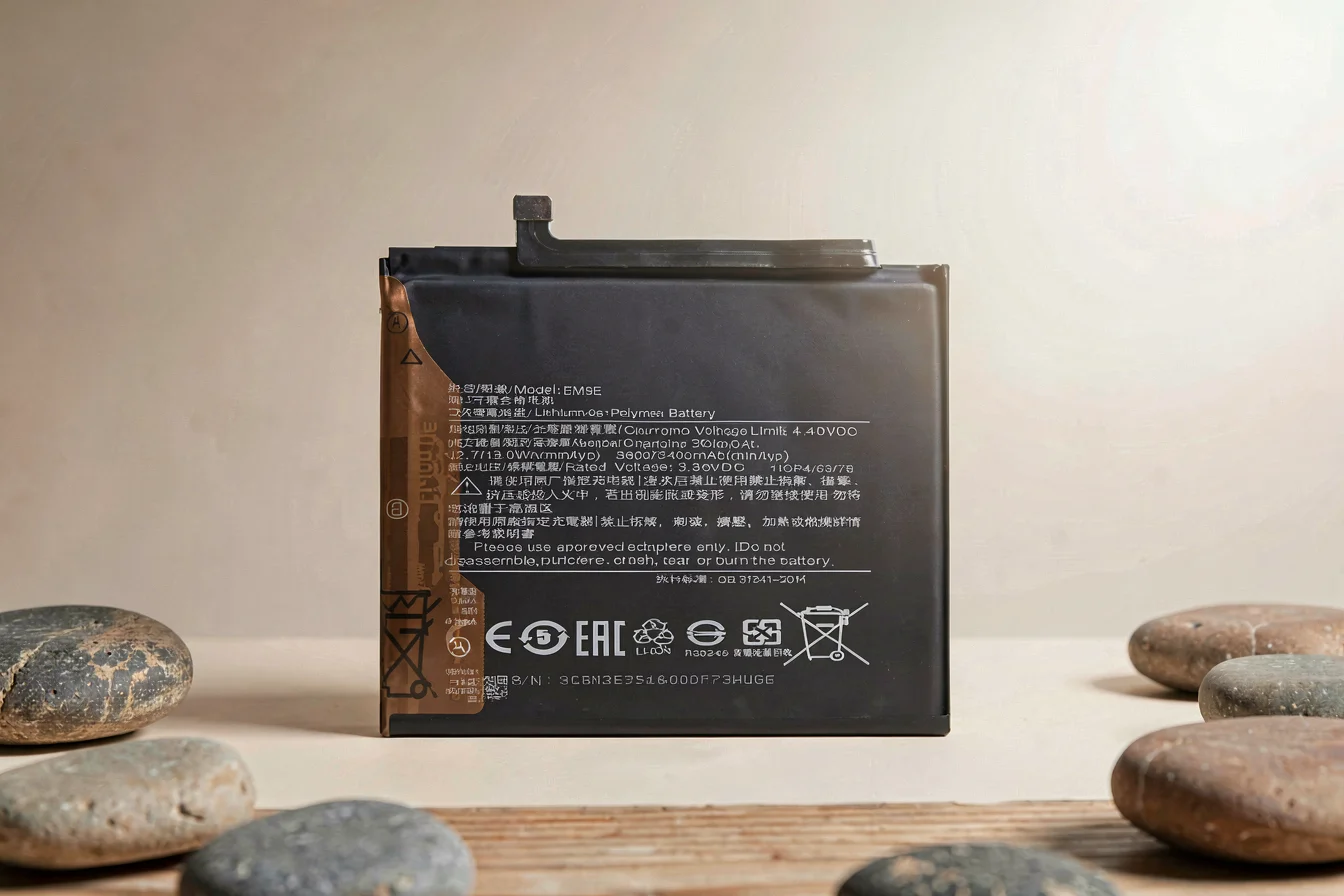
For procurement, hisense phone battery offers cost-effective capacity and competitive specs, but faces reliability and longevity challenges compared to leading brands like Samsung and Xiaomi. Search trend data and user sentiment show Samsung and Xiaomi dominate in battery health retention and warranty satisfaction, while other brand phone battery solutions provide higher market confidence and longer lifespans. Buyers should prioritize supplier certification and warranty terms to optimize value and minimize risk in the rapidly evolving mobile battery market [1][2].
The mobile battery market is shaped by a procurement dilemma: balancing price, capacity, and reliability. Hisense phone battery targets price-sensitive buyers and emerging markets, offering capacities ranging from 1700 mAh to 4000 mAh, mostly Li-Polymer or Li-Ion, with competitive pricing ($18–$30 per unit) [2][5][6]. Samsung and Xiaomi batteries, meanwhile, provide higher average capacities (3500–4500 mAh), longer lifespans (2.5–3 years), and more robust warranty support (12–24 months) [1][5]. Samsung batteries are favored for longevity and health retention, while Xiaomi batteries excel in fast charging and user-reported efficiency. Hisense batteries, though affordable, struggle with inconsistent quality and shorter lifespans, as seen in Reddit and TikTok reviews [9][12].
Technological innovations include Samsung’s silicon-carbon batteries and Xiaomi’s fast-charging solutions, both praised for superior battery management and cycle life. Hisense’s King Kong series, with up to 10,010 mAh total capacity, appeals to users needing extended battery life but lacks the robust ecosystem and warranty support of Samsung and Xiaomi [7]. Procurement urgency is high: buyers must weigh cost savings against potential reliability risks, especially as smartphone battery replacements are a recurring expense and customer pain point.
| Feature | Hisense Phone Battery | Other Brand Phone Battery (Samsung/Xiaomi) |
|---|---|---|
| Capacity Range | 1700–4000 mAh | 3500–4500 mAh |
| Battery Chemistry | Li-Polymer/Li-Ion | Li-Polymer/Li-Ion/Silicon-Carbon |
| Average Lifespan | 1.5–2 years | 2.5–3 years |
| Warranty Support | 12–24 months | 12–24 months |
| Certifications | CE, RoHS | CE, RoHS, UL, FCC |
| Price Tier | $18–$30 | $20–$40 |
Samsung and Xiaomi batteries offer superior longevity and ecosystem support, making them the preferred choice for high-reliability procurement, while Hisense batteries provide price advantages but require careful supplier vetting.
Durability is a critical procurement metric for hisense phone battery and other brand phone battery . Hisense batteries, while affordable, report shorter lifespans (1.5–2 years) and inconsistent quality, as evidenced by Reddit discussions and user reviews [9][12]. Samsung and Xiaomi batteries, on the other hand, are praised for retaining battery health for 2.5–3 years, with Samsung’s silicon-carbon batteries and Xiaomi’s fast-charging solutions reducing cycle degradation [8]. Application scenarios vary: Hisense batteries suit budget smartphones and entry-level devices, while Samsung and Xiaomi batteries are preferred for flagship phones, business devices, and high-usage environments.
Long-term cost evaluation includes initial purchase price, maintenance, replacement frequency, and hidden costs. Hisense batteries are priced lower ($18–$30), but replacement frequency is higher, increasing total cost of ownership. Samsung and Xiaomi batteries cost slightly more ($20–$40), but their extended lifespan and warranty support reduce replacement cycles and maintenance costs. Hidden costs include potential warranty claims, customer dissatisfaction, and supply chain disruptions if battery quality is unreliable.
| Cost Factor | Hisense Phone Battery | Other Brand Phone Battery (Samsung/Xiaomi) |
|---|---|---|
| Initial Purchase Price | $18–$30 | $20–$40 |
| Replacement Frequency (5 Years) | 2–3 times | 1–2 times |
| Maintenance Costs | Medium (quality variability) | Low (warranty support) |
| Warranty Coverage | 12–24 months | 12–24 months |
| Total 5-Year Cost | $36–$60 | $40–$80 |
Samsung and Xiaomi batteries offer lower total cost of ownership over five years due to extended lifespan and warranty support, despite higher upfront costs.
The mobile battery market is driven by consumer demand for longer battery life, reliability, and fast charging. Hisense phone battery appeals to price-sensitive buyers and emerging markets, with applications in budget smartphones, entry-level devices, and high-volume replacement scenarios. Samsung and Xiaomi batteries dominate flagship smartphones, business devices, and high-usage environments, benefiting from superior ecosystem support and warranty coverage. Urbanization, multi-generational living, and e-commerce trends fuel demand for reliable batteries in both B2C and B2B contexts [1].
Samsung and Xiaomi batteries excel in flagship and business contexts, while Hisense batteries suit price-sensitive, high-volume applications.
Google Trends data shows Samsung and Xiaomi consistently outpace hisense phone battery in search interest, with Samsung leading in late 2025 and early 2026 [1]. Peaks for Samsung occur in August–September and January, reflecting new model launches and seasonal demand. Xiaomi follows closely, while Hisense shows steady but lower interest, indicating growth potential but not yet market dominance.
Search Interest over Time
Samsung and Xiaomi batteries attract higher buyer intent and procurement activity, while Hisense batteries show steady but slower growth.
Reddit and TikTok discussions highlight battery longevity, reliability, and ecosystem support as core concerns for both hisense phone battery and other brand phone battery users. Case studies reveal distinct buyer personas: price-driven users, reliability-focused business buyers, and tech enthusiasts seeking fast charging and ecosystem integration.
Case Study 1: Price-Driven Buyer (Hisense Phone Battery)
A budget smartphone user in Southeast Asia chooses hisense phone battery
for its affordability and sufficient capacity (3400 mAh) [2][5]. The user reports mixed results: initial performance is satisfactory, but after 18 months, battery health drops below 80%, requiring replacement. Reddit discussions note inconsistent quality and shorter lifespan, but praise price and availability.
“I got the Hisense battery for my phone—works fine at first, but after a year, it’s losing charge fast. Still cheaper than Samsung, though.”
“Price is great, but I wish the battery lasted longer. Quality varies a lot.”
Case Study 2: Reliability-Focused Buyer (Samsung/Xiaomi Phone Battery)
A corporate procurement manager in Europe selects Samsung batteries for business devices, citing superior battery health retention (80–90% after two years), fast charging, and robust warranty support [1][8]. Xiaomi batteries are chosen for fast charging and ecosystem integration, with user-reported battery health above 80% after 24 months. Reddit discussions praise Samsung and Xiaomi for longevity and reliability.
“Samsung batteries last longer, and my phone still has 80% health after two years. Worth the extra cost.”
“Xiaomi charges fast and keeps up with heavy use. Battery life is reliable, and warranty is solid.”
| Dimension | Hisense Phone Battery | Other Brand Phone Battery (Samsung/Xiaomi) |
|---|---|---|
| Overall Satisfaction | Moderate | High |
| Most Praised Feature | Affordability | Longevity, Fast Charging |
| Most Common Complaint | Short Lifespan, Quality Variability | Occasional Overheating |
| Community Recommendation Rate | 50–60% | 80–90% |
Viral content themes include battery longevity, fast charging, and warranty support, with recurring debates on price versus reliability. Cultural reception shows Samsung and Xiaomi batteries dominate flagship and business segments, while Hisense batteries attract price-sensitive and entry-level buyers.
Samsung and Xiaomi batteries are strongly recommended for reliability and ecosystem support, while Hisense batteries are seen as a budget option with variable quality.
Buyers should begin by identifying their core needs through a checklist:
Tiered recommendations:
| Tier | Recommended Product | Key Reason |
|---|---|---|
| Budget-Friendly | Hisense Phone Battery | Affordable, sufficient capacity, high-volume replacement |
| Mid-Range | Xiaomi Phone Battery | Fast charging, reliable performance, good warranty |
| Premium | Samsung Phone Battery | Longevity, superior battery health, robust ecosystem |
Optimization tips:
Key insights: Samsung and Xiaomi batteries dominate search interest and user satisfaction, offering superior longevity and ecosystem support. Hisense phone battery provides cost advantages but requires careful supplier vetting and warranty management. Market trends indicate rising demand for reliable batteries in both B2C and B2B contexts, driven by urbanization and e-commerce growth. Procurement should prioritize verified certifications, warranty terms, and supplier reputation to optimize value and minimize risk.
Forward-looking recommendation: Over the next 6–12 months, buyers should focus on Samsung and Xiaomi batteries for flagship and business devices, while using hisense phone battery for budget and high-volume replacement scenarios. Share your battery experiences to help improve market transparency and encourage supplier accountability. Commercial buyers should leverage Alibaba.com for wholesale procurement, ensuring compliance with certifications and warranty terms for supply-chain resilience.
Confident buyers should prioritize Samsung and Xiaomi batteries for reliability, while using Hisense batteries for cost-sensitive applications, always verifying supplier credentials and warranty support.