
All categories
Featured selections
Trade Assurance
Buyer Central
Help Center
Get the app
Become a supplier
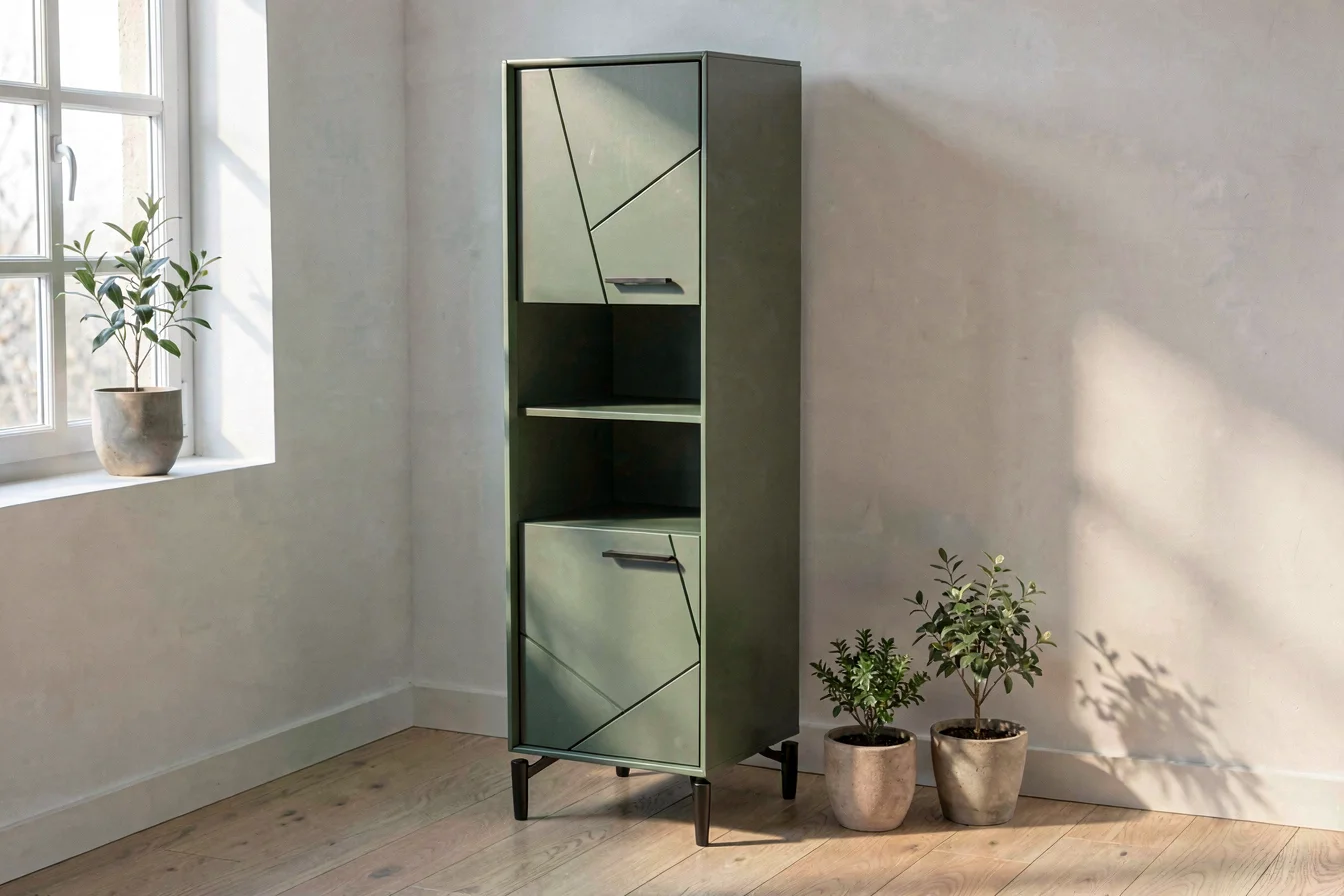
Modern home altar cabinets are gaining momentum for their space-saving design, minimalist aesthetics, and adaptability, making them ideal for urban buyers seeking multi-functionality and seamless integration into contemporary interiors. Traditional home altar cabinets remain popular among those prioritizing ritual authenticity, cultural symbolism, and heritage continuity. The procurement decision hinges on buyer priorities: modern cabinets for flexibility and space, traditional for tradition and spiritual symbolism.
The traditional home altar cabinet is rooted in heritage, ritual, and cultural symbolism, offering buyers a sense of continuity, authenticity, and spiritual grounding. It appeals to those who value historical design, visual gravitas, and ritual integrity, often featuring ornate woodwork, religious iconography, and rich finishes. In contrast, the modern home altar cabinet is engineered for contemporary living, with minimalist aesthetics, modular designs, hidden storage, and integration with modern interiors. It caters to buyers facing space constraints, urbanization, and the need for multi-functionality.
The urgency to choose wisely arises from rapidly evolving interior design trends, shifting buyer priorities, and the rise of multi-generational living. Traditional cabinets address the pain points of ritual authenticity and spiritual continuity, while modern cabinets solve the challenges of space efficiency, adaptability, and visual harmony with modern decor. Technological innovations in modern cabinets include hidden compartments, LED lighting, and modular layouts, whereas traditional cabinets leverage craftsmanship, wood finishes, and symbolic motifs.
| Feature | Traditional Home Altar Cabinet | Modern Home Altar Cabinet |
|---|---|---|
| Design | Ornate, heritage-inspired, rich finishes | Minimalist, modular, sleek lines |
| Space Efficiency | Typically larger, less flexible | Compact, space-saving, hidden storage |
| Ritual Authenticity | High, cultural symbolism | Moderate, adaptable |
| Material | Wood, carved motifs | Marble, wood, red finishes |
| Integration | Stands alone, visual centerpiece | Blends with modern decor, multi-functional |
| Buyer Pain Point | Space, adaptability | Ritual authenticity |
Modern home altar cabinets offer superior adaptability and space efficiency, while traditional cabinets deliver unmatched ritual authenticity and visual symbolism.
Durability is a key consideration for buyers: traditional home altar cabinet typically features solid wood, carved motifs, and finishes that withstand decades of use, but may require periodic maintenance and are less suited for high-traffic or compact spaces. Modern home altar cabinet employs engineered wood, marble, and composite materials, offering long-term reliability and easy maintenance, especially in urban environments. Both types have a lifespan of 15–30 years, but modern cabinets often outperform in high-traffic or multi-function settings.
Application scenarios differ sharply: traditional cabinets excel in dedicated prayer rooms, heritage homes, and spaces requiring ritual authenticity; modern cabinets thrive in apartments, open-plan living areas, and multi-generational homes, serving as both spiritual and functional spaces. The cost outlook over five years includes initial purchase price, maintenance, and replacement frequency, with modern cabinets showing lower maintenance costs and higher resale value in urban markets.
| Cost Factor | Traditional Home Altar Cabinet | Modern Home Altar Cabinet |
|---|---|---|
| Initial Price | $250–$1,000 | $300–$1,200 |
| Maintenance | Periodic polishing, wood care | Minimal, easy cleaning |
| Replacement Frequency | Low (10–20 years) | Low (15–30 years) |
| Hidden Costs | Ritual supplies, restoration | Upgrades, modular add-ons |
| Resale Value | Moderate | High in urban markets |
Modern cabinets offer lower maintenance, higher resale value, and better fit for urban buyers, while traditional cabinets deliver lasting ritual authenticity and visual impact.
The home altar cabinet category delivers core value by creating a sacred space for prayer, reflection, and spiritual grounding, addressing the need for ritual, mindfulness, and emotional warmth in modern homes. The urgency in the current market stems from urbanization, multi-generational living, and the convergence of spiritual practices with contemporary design.
Market trend data shows rising urbanization and a shift toward multi-functionality, with modern cabinets gaining ground in apartments and urban homes. Social media and design blogs reinforce the trend toward minimalist, modular, and space-saving altar designs, validating the relevance of modern cabinets in contemporary interiors.
Google Trends data reveals a clear shift toward modern home altar cabinets since mid-2025, with search interest peaking at 86 for modern vs. 82 for traditional in February 2026. Peaks coincide with major religious and cultural holidays, confirming seasonality and ritual relevance.
Search Interest over Time
Modern cabinets are outpacing traditional cabinets in search interest, especially during peak religious and cultural seasons, signaling a shift in buyer priorities toward space efficiency and adaptability.
Reddit and TikTok discussions reveal contrasting buyer personas: some prioritize ritual authenticity and heritage, while others seek space-saving solutions and minimalist aesthetics. Case studies illustrate the real-world impact and satisfaction of each cabinet type.
Case Study 1: Traditional Home Altar Cabinet
A Reddit user in r/Catholicism describes their experience starting a home altar: “I want to start working on a home altar too but haven’t found something to use as the altar itself yet. I probably overthink it. Where did you get your icons? They are awesome.” The community praised the ritual continuity and visual symbolism, with several users advising on icon placement and ritual practices. Sentiment is positive for those seeking spiritual authenticity.
“Beautiful! (and yes I'm very late to comment!) One thing I would advise is switching the order of the Pantocrater and Theotokos icon, so that Christ is on the right of the Cross. We have Mary on Christ's right (our left) because Psalm 45 speaks of the queen standing at the right hand of the King. Love the icon choice for Mary, our lady of perpetual help?” [14]
Case Study 2: Modern Home Altar Cabinet
A Reddit user in r/DesignMyRoom shares: “I want to keep some of the antiques but combine them with modern feel; I'm thinking: Lose the wallpaper in hallway, paint it to teal/salvia to match fireplace colour… Change ceiling lamps to modern ones… Get some glass minimal vases and other accessories.” The community recommends bold color combinations and minimalist styling, validating the trend toward modern, space-saving altar designs.
“Brown and teal work really well together in a color palette and such a bold color combinations are is instantly modern. I’d go with a much bolder rug. I love the rug you picked out with the subtle geometrics and maybe it would be terrific in the other room?” [9]
| Dimension | Traditional Home Altar Cabinet | Modern Home Altar Cabinet |
|---|---|---|
| Overall Satisfaction | High for ritual authenticity | High for space efficiency |
| Most Praised Feature | Ritual symbolism, visual gravitas | Minimalist design, adaptability |
| Most Common Complaint | Space, maintenance | Ritual authenticity |
| Community Recommendation Rate | Moderate | High |
Viral content themes include ritual icon placement, space-saving hacks, and minimalist styling tips. Cultural reception is positive for both, but modern cabinets are trending due to their adaptability and integration with contemporary interiors.
Modern cabinets are trending due to their adaptability and integration with contemporary interiors, while traditional cabinets maintain strong appeal for ritual authenticity and cultural continuity.
Buyers should start by identifying their core needs through a checklist:
Tiered recommendations:
| Tier | Recommended Product | Key Reason |
|---|---|---|
| Budget-Friendly | Traditional Home Altar Cabinet | Ritual authenticity, visual symbolism |
| Mid-Range | Modern Home Altar Cabinet | Space-saving, adaptability |
| Premium | Modern Home Altar Cabinet | Multi-functionality, integration |
Optimization tips: Buy during seasonal peaks for best deals, bundle with ritual supplies, prioritize hidden storage and LED lighting for modern cabinets, and avoid common mistakes like underestimating space requirements or neglecting maintenance for traditional cabinets.
Buyers should align their choice with their primary use case, budget, and must-have features, prioritizing modern cabinets for space and adaptability, traditional cabinets for ritual authenticity and cultural continuity.
Synthesizing all insights, modern home altar cabinets are poised to dominate the market in 2026, driven by urbanization, space constraints, and evolving interior design trends. Traditional cabinets will retain a niche but strong presence for buyers valuing heritage and ritual authenticity. The forward-looking recommendation: prioritize modern cabinets for flexibility, space efficiency, and multi-functionality, while preserving traditional cabinets for cultural continuity and ritual integrity.
Emotional call-to-action: Share your experiences and feedback with fellow buyers to help shape future innovations, and commercial buyers should leverage Alibaba.com for bulk sourcing, OEM/ODM customization, and supply-chain resilience.
Buyers should confidently choose based on their priorities, share experiences, and engage with wholesale platforms to secure the best procurement outcomes.