
All categories
Featured selections
Trade Assurance
Buyer Central
Help Center
Get the app
Become a supplier
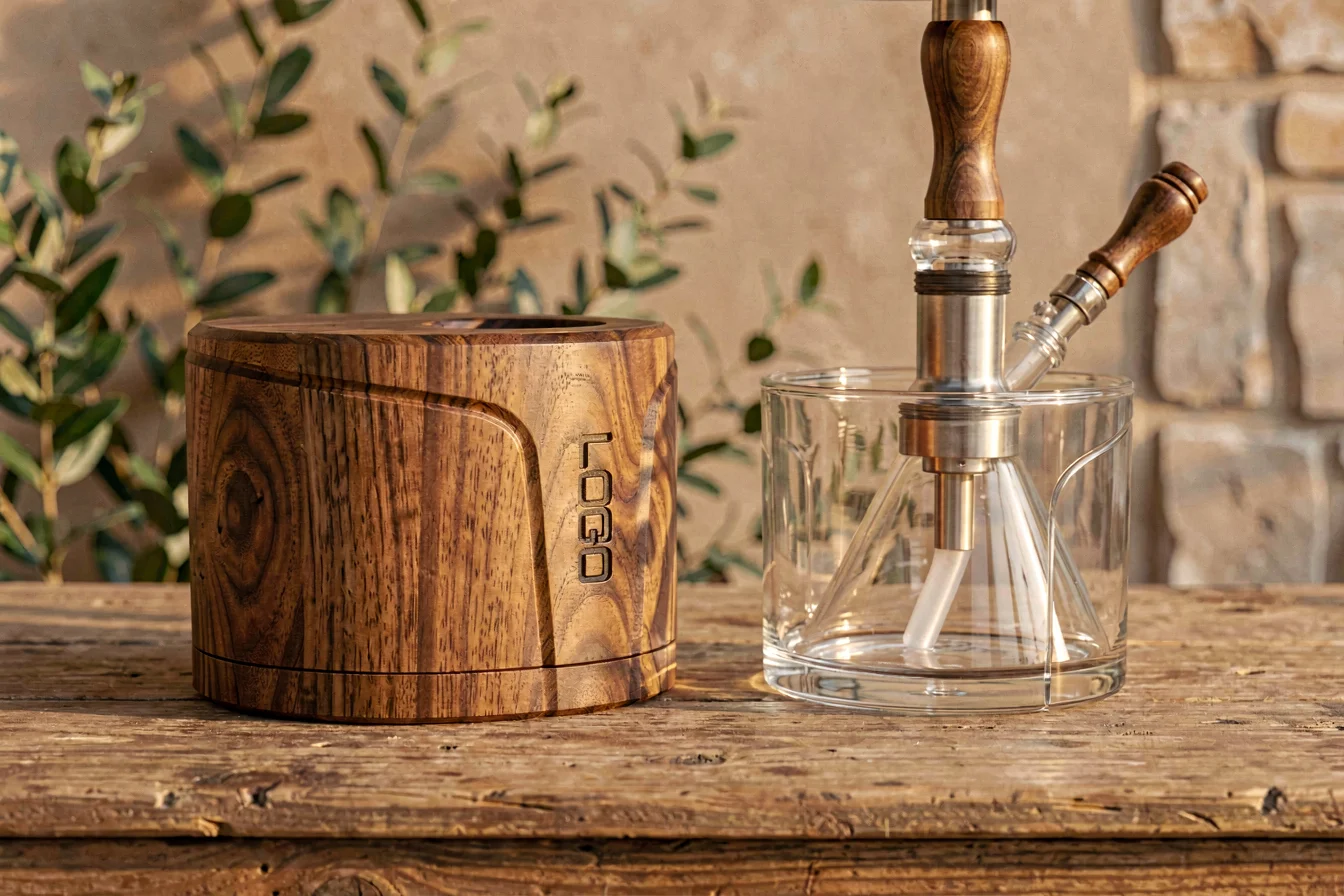
For buyers seeking durability, flavor neutrality, and easy maintenance, glass hookah base is the superior choice, dominating both retail and commercial markets with strong search momentum and positive user sentiment. Wooden hookah base appeals to collectors and specialty lounges for its unique flavor absorption and traditional aesthetics, but suffers from maintenance challenges and shorter lifespan. Procurement logic favors glass for high-turnover environments, while wooden bases are best reserved for niche, flavor-focused applications.
The choice between wooden hookah base and glass hookah base is shaped by distinct buyer needs, market trends, and technical limitations. Glass hookah base delivers unmatched durability, flavor neutrality, and ease of cleaning, making it the standard for commercial and high-use settings. Wooden hookah base offers a unique aesthetic and flavor-enhancing properties, appealing to collectors, traditionalists, and specialty lounges, but is limited by water absorption, rot risk, and cleaning complexity.
Technological innovations in borosilicate glass have improved thermal shock resistance and clarity, while wooden bases rely on careful maintenance and oiling to prevent deterioration. The procurement dilemma centers on balancing flavor experience against longevity and maintenance. Traditional challenges solved by glass include flavor neutrality and water-level visibility; wooden bases solve flavor enhancement and artisanal appeal but require vigilant upkeep.
| Feature | Wooden Hookah Base | Glass Hookah Base |
|---|---|---|
| Durability | 1–2 years, prone to rot if not dried | 1–3 years, borosilicate variants up to 5 years |
| Flavor Impact | Absorbs and intensifies flavor over time | Flavor neutral, preserves taste |
| Cleaning | Difficult, must dry thoroughly | Easy, vinegar/baking soda effective |
| Aesthetic | Traditional, artisanal appeal | Modern, transparent, customizable |
| Certification | Rare, often lacks standardized certifications | FDA-compliant, food-safe |
Glass hookah bases deliver superior durability, flavor neutrality, and cleaning convenience, making them the preferred choice for commercial buyers and high-use environments.
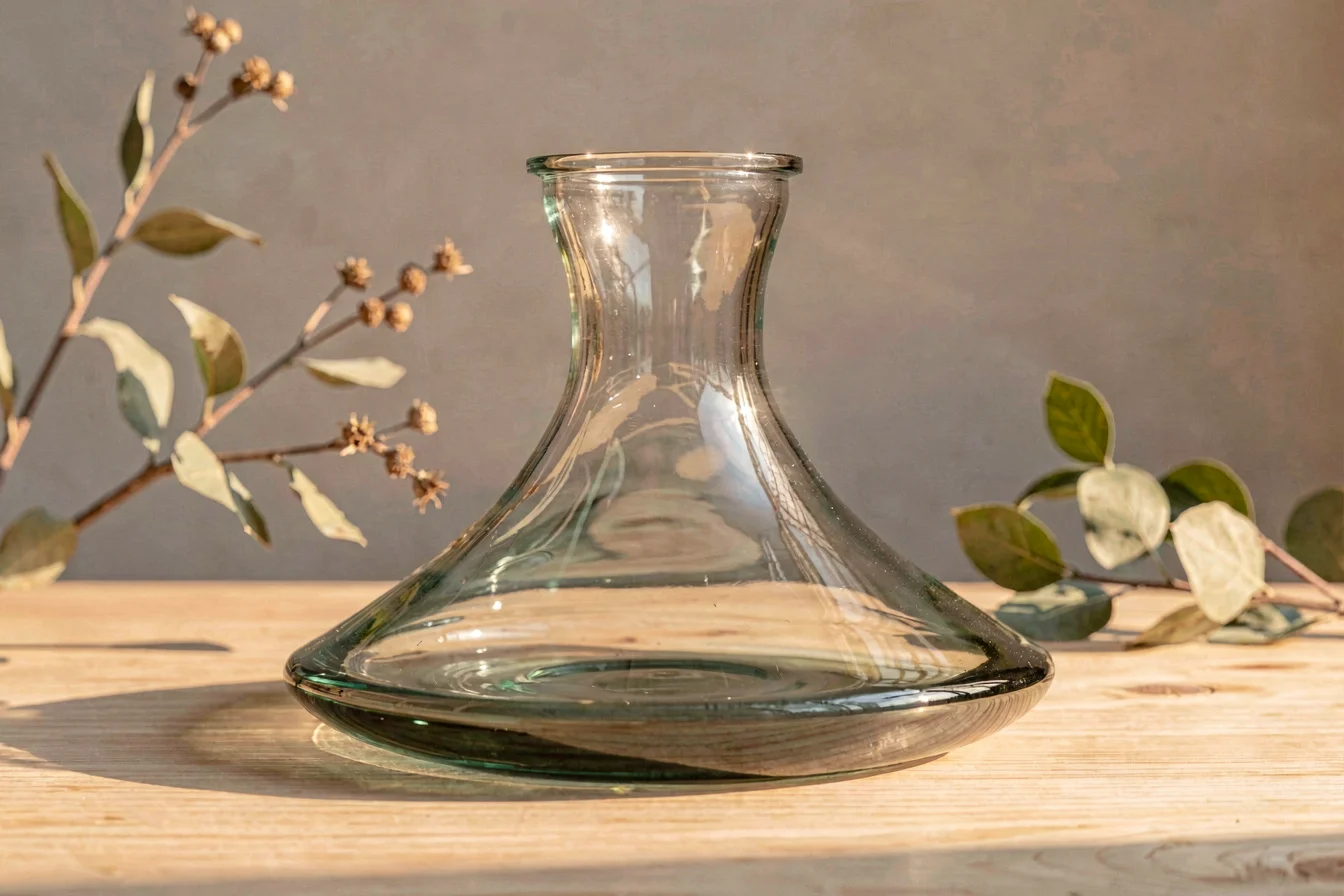
Durability is a critical factor for both wooden hookah base and glass hookah base , but their performance diverges sharply. Glass bases, especially borosilicate variants, are highly resistant to thermal shock and can last up to three years with proper care, while wooden bases typically last 1–2 years and are vulnerable to water damage and rot if not dried after each use. Glass bases offer consistent performance and water-level visibility, whereas wooden bases gradually absorb flavors and nicotine, which can affect both taste and longevity.
Application scenarios for glass bases include commercial hookah lounges, event venues, and retail outlets requiring frequent cleaning and rapid turnover. Wooden bases excel in collector circles, specialty lounges, and settings where flavor enhancement is prioritized. Maintenance for glass bases is straightforward, relying on vinegar, baking soda, or oxyclean, while wooden bases require meticulous drying and periodic oiling to prevent mold and rot.
Long-term cost analysis reveals that glass bases deliver lower total cost of ownership due to reduced replacement frequency and easier cleaning. Wooden bases incur higher maintenance costs and are more likely to need replacement within 1–2 years if not cared for properly. Hidden costs include cleaning supplies and potential health risks from mold or rot in wooden bases.
| Cost Factor | Wooden Hookah Base | Glass Hookah Base |
|---|---|---|
| Initial Purchase Price | $20–$80 | $15–$60 |
| Maintenance | High (drying, oiling, cleaning) | Low (vinegar, baking soda) |
| Replacement Frequency | 1–2 years | 1–3 years |
| Hidden Costs | Mold, rot, cleaning supplies | Cleaning supplies, occasional replacement |
| Total 5-Year Cost | $80–$200 | $40–$150 |
Glass bases provide superior long-term cost efficiency and reliability, making them ideal for commercial procurement and high-use environments.
The core value of the hookah base material is defined by durability, flavor neutrality, cleaning ease, and aesthetic appeal. In today’s competitive market, glass hookah base dominates due to its versatility, transparency, and high resale value, while wooden hookah base maintains a niche appeal for collectors and specialty lounges. Market trends show urbanization and multi-generational living driving demand for hookahs, with glass bases favored for event venues and retail outlets, and wooden bases for artisanal experiences and collector markets.
Google Trends data from March 2025 to February 2026 reveals that glass hookah base consistently outpaces wooden hookah base in search interest, with notable peaks during summer and winter months, reflecting seasonal demand for hookah use and gifting. Search volatility is moderate, with glass bases peaking at 83 in September 2025 and wooden bases fluctuating between 50 and 70. This trend validates glass bases as the preferred choice for retail and commercial procurement, while wooden bases remain niche.
Search Interest over Time
Glass bases consistently lead in search interest, confirming their dominance in retail and commercial procurement, while wooden bases remain a niche, flavor-focused option.
Reddit and TikTok discussions provide valuable insight into user experiences, pain points, and maintenance challenges for both wooden hookah base and glass hookah base . Glass bases are praised for their clarity, easy cleaning, and water-level visibility, but concerns arise about fragility and clouding over time. Wooden bases are valued for their traditional look and flavor-enhancing properties, but criticized for water absorption, rot risk, and difficult cleaning.
Case Study 1: A commercial hookah lounge owner in Dubai reports high satisfaction with glass bases, citing rapid cleaning and consistent flavor neutrality. “I use vinegar and baking soda for cleaning, and the glass stays clear for months.” This aligns with Reddit posts recommending oxyclean and hot water for clouding issues. The owner notes that glass bases last longer and require less maintenance than wooden bases, which often need replacement due to rot.
Case Study 2: A collector in Istanbul shares his experience with wooden bases, emphasizing the unique flavor absorption and artisanal appeal. “The wood intensifies the flavor over time, but I have to dry it thoroughly after each use to prevent mold.” Reddit discussions confirm that wooden bases require meticulous drying and oiling, with some users reporting creative fixes for broken bases, such as using Styrofoam or watermelon.
“Glass delivers smooth and flavorful smoke without altering taste.” [4]
“Wood eventually rots. If you leave a wooden hookah stem sitting in water it is going to get water logged and become a perfect breeding ground for nastiness and rot.” [2]
| Dimension | Wooden Hookah Base | Glass Hookah Base |
|---|---|---|
| Overall Satisfaction | Moderate (niche, flavor-focused) | High (commercial, collector, retail) |
| Most Praised Feature | Flavor absorption, artisanal appeal | Clarity, easy cleaning, flavor neutrality |
| Most Common Complaint | Water absorption, rot, difficult cleaning | Fragility, clouding over time |
| Community Recommendation Rate | Low (specialty only) | High (general use) |
Viral content themes on Reddit and TikTok focus on cleaning hacks, creative fixes for broken bases, and debates about flavor enhancement versus maintenance. Cultural reception confirms glass bases as the mainstream choice, while wooden bases are celebrated for their unique properties among collectors and traditionalists.
Glass bases receive higher overall satisfaction and recommendation rates, confirming their dominance in mainstream and commercial markets, while wooden bases remain a niche, flavor-focused choice.
Buyers should start by identifying their core needs through a checklist:
Tiered recommendations:
| Tier | Recommended Product | Key Reason |
|---|---|---|
| Budget-Friendly | Glass Hookah Base | Easy cleaning, high resale value |
| Mid-Range | Glass Hookah Base | Customizable, food-safe, durable |
| Premium | Wooden Hookah Base | Unique flavor absorption, artisanal appeal |
Optimization tips:
Glass bases are recommended for budget-friendly and mid-range buyers, while wooden bases are best reserved for premium, flavor-focused applications.
Synthesizing insights from all modules, glass bases are projected to maintain dominance in retail, commercial, and collector markets due to their durability, flavor neutrality, and cleaning convenience. Wooden bases will remain a niche, flavor-focused option for specialty lounges and collectors, with demand expected to remain steady but limited by maintenance challenges and shorter lifespan.
Forward-looking trend recommendation: Buyers should prioritize glass bases for high-turnover environments and event venues, while reserving wooden bases for artisanal and collector markets. Manufacturers should invest in borosilicate glass technology and FDA-compliant certifications to meet regulatory and consumer demands.
Confident procurement decisions favor glass bases for commercial and retail applications, while wooden bases should be reserved for niche, flavor-focused markets. Share your experiences with hookah bases on social media, and commercial buyers should source wholesale glass bases on Alibaba.com for optimal supply-chain resilience.