
All categories
Featured selections
Trade Assurance
Buyer Central
Help Center
Get the app
Become a supplier
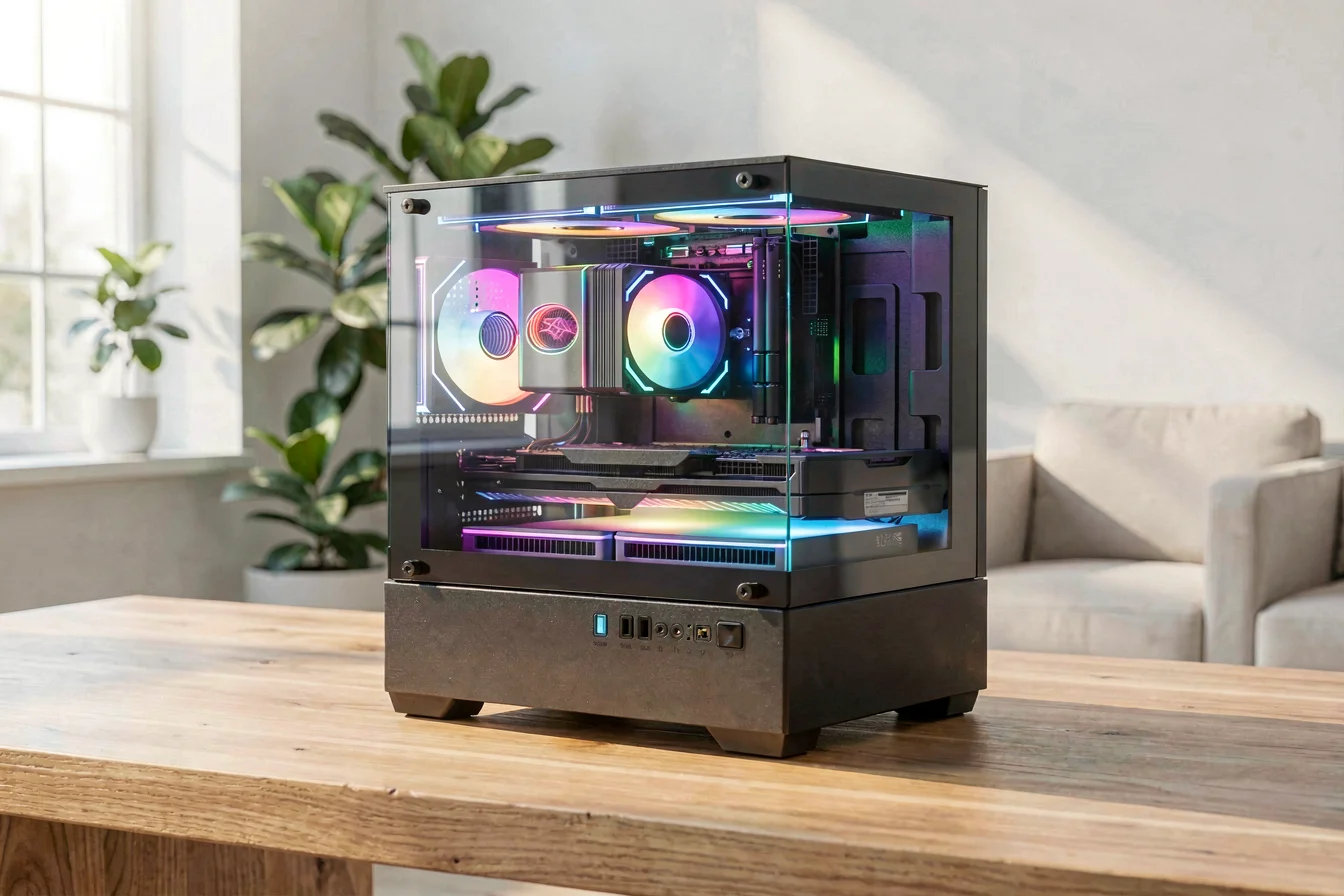
For buyers seeking seamless integration with AV gear and premium aesthetics, HTPC case is optimal, especially for visible setups in living rooms. Standard PC case delivers superior flexibility, airflow, and affordability for general computing, gaming, or hidden installations. Procurement logic favors HTPC case for B2C media-centric buyers and standard PC case for mainstream, cost-sensitive, or performance-driven B2B/B2C buyers[2][4][8].
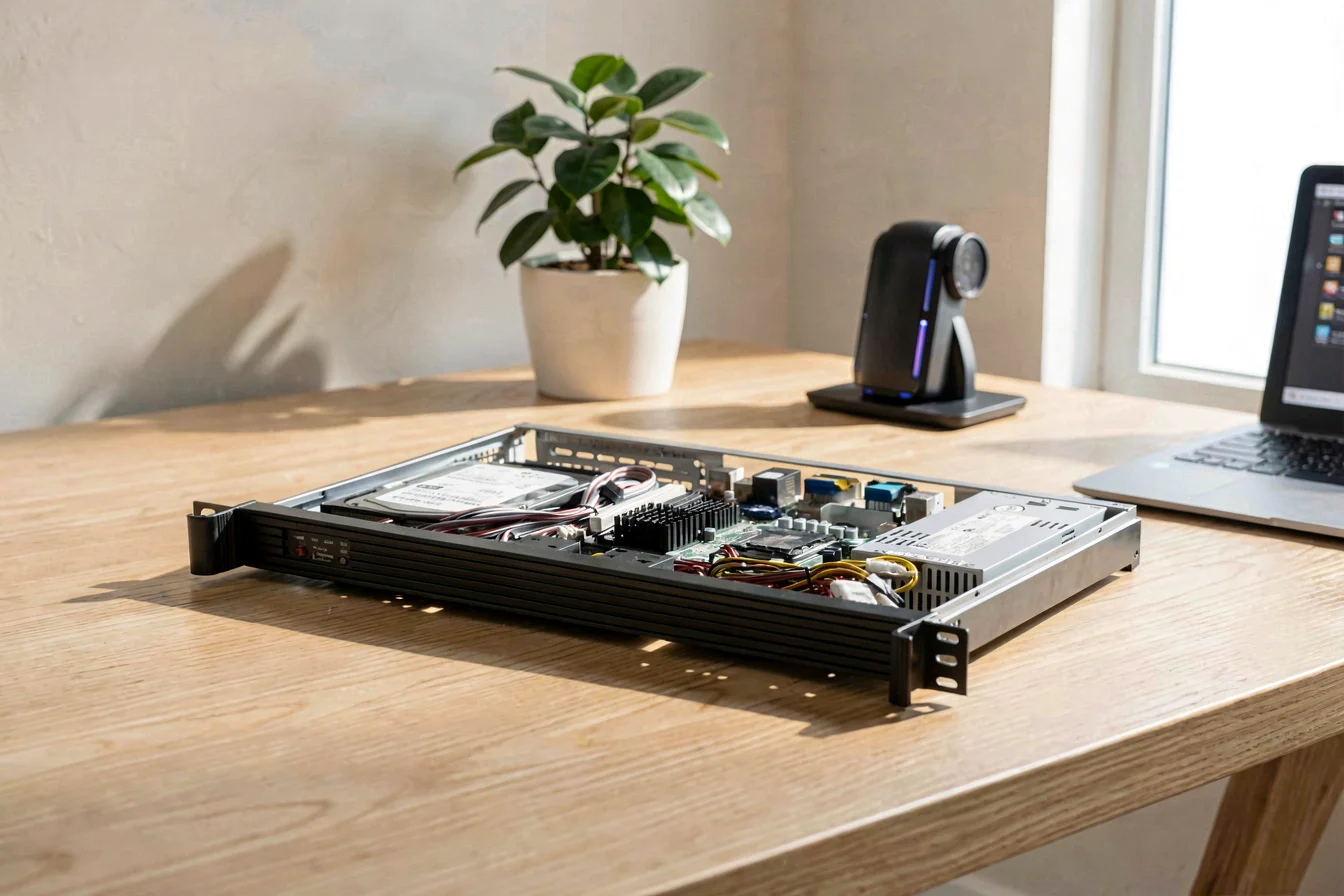
The core value of the HTPC case category lies in its ability to blend seamlessly with home theater setups, offering a compact, AV-style form factor that appeals to buyers prioritizing aesthetics and integration. Conversely, standard PC case delivers broad compatibility with ATX/mATX boards, robust cooling, and expansion flexibility, appealing to buyers seeking utility, performance, or affordability.
HTPC case is engineered to fit within AV cabinets, minimize noise, and often includes features like ticker displays, sleek aluminum panels, or remote control compatibility—addressing the pain points of buyers who want their computing gear to match their entertainment system. However, these cases often suffer from limited airflow, restricted upgrade paths, and premium pricing[2][3][4]. Standard PC case prioritizes airflow, build quality, and expansion slots, making it the preferred choice for gaming, workstation, or utility builds, but may lack the aesthetic integration sought by home theater buyers[5][14][15].
Technological innovations in HTPC case include advanced cable management, remote control support, and specialized shielding for EMI/RFI reduction, while standard PC case has evolved with mesh panels, improved airflow, and modular designs. The urgency for buyers is driven by the growing demand for media-centric computing and the need for both integration and performance.
| Feature | HTPC Case | Standard PC Case |
|---|---|---|
| Form Factor | Mini-ITX/SFF, AV-style | ATX/mATX, Tower |
| Aesthetics | High, AV integration | Medium, utility-focused |
| Expansion | Limited slots, compact | High slots, flexible |
| Airflow | Restricted, noise control | Optimized, high airflow |
| Price | $130–$600 | $30–$200 |
| Certification | CE, FCC, EMI/RFI | CE, FCC |
HTPC cases excel in AV integration and aesthetics, but standard PC cases are superior for flexibility, airflow, and affordability.
Durability is a critical factor for buyers selecting between HTPC case and standard PC case . HTPC case typically uses premium materials like aluminum and steel, designed for visible, AV-centric installations, but may lack the robust cooling and expansion support needed for heavy computing loads[4][8]. Standard PC case often features reinforced steel, modular designs, and optimized airflow, supporting extended usage, frequent upgrades, and high-performance hardware[14][15][17].
Application scenarios dictate the optimal choice: HTPC case is best for living room setups, streaming, or media centers where aesthetics and integration matter, while standard PC case is preferred for gaming, workstation, or utility builds where performance, expansion, and cooling are paramount. Buyers should consider expected lifespan—HTPC cases may last 5–7 years in low-load environments, while standard PC cases often exceed 8–10 years in demanding scenarios[6][16].
Long-term cost evaluation includes initial purchase price, maintenance, replacement frequency, and hidden costs. HTPC cases incur higher upfront costs but may reduce replacement needs for AV integration, while standard PC cases offer lower initial costs but may require more frequent upgrades for performance or cooling[3][5][15]. Hidden costs include airflow management, cable management, and noise control.
| Cost Factor | HTPC Case | Standard PC Case |
|---|---|---|
| Initial Price | $130–$600 | $30–$200 |
| Maintenance | Low, AV integration | Medium, frequent upgrades |
| Replacement Frequency | 5–7 years | 8–10 years |
| Hidden Costs | Airflow, cable management | Cooling, noise control |
| Total 5-Year Cost | $200–$700 | $100–$300 |
Standard PC cases offer lower total cost of ownership, while HTPC cases justify premium pricing with AV integration and aesthetics.
The core value of the HTPC case is its ability to blend seamlessly into home theater setups, offering a premium aesthetic and AV integration that appeals to buyers prioritizing integration and aesthetics. The urgency for buyers is driven by the rise of multi-generational living, streaming, and demand for compact, visible computing gear. Standard PC case excels in versatility, supporting gaming, workstation, or utility builds, with broad compatibility and optimized cooling for performance-driven buyers[1][12].
Google Trends shows rising interest in "Small Form Factor PC Case" and "Compact Desktop PC Case," with "HTPC Mini Tower Case" trailing but not declining[1]. Search peaks occur in late summer and early winter, indicating seasonal spikes in media-centric builds. Purchasing behavior, however, favors standard PC cases for mainstream buyers, while HTPC cases remain a niche premium segment[1].
Search Interest over Time
Search interest in compact cases is rising, but purchasing behavior remains mainstream—standard PC cases dominate, while HTPC cases are premium and niche.
Reddit and TikTok discussions reveal contrasting experiences: HTPC buyers praise AV integration and aesthetics, but complain about limited airflow and premium pricing[2][4][6][8]. Standard PC case buyers value affordability, flexibility, and cooling, but sometimes express disappointment with build quality or noise[5][14][15]. Case studies highlight distinct buyer personas and outcomes.
Case Study 1: AV Integration in Living Room (HTPC Case)
A Reddit user rebuilt their HTPC for media streaming, seeking a case with AV-style aesthetics and passive cooling. They chose a Silverstone GD07, citing its sleek design and compatibility with AV racks. Despite limited airflow and premium pricing, they praised the case's ability to blend seamlessly with their entertainment system[4].
"I'm looking for something with this aesthetic (that will look good in my AV rack)... Most likely I will go with this one unless someone can help me with some other ideas."
"Not much choice any more in HTPC cases... Silverstone seems to be one of the few brands that still has ATX ones."
Case Study 2: Utility and Gaming (Standard PC Case)
A Reddit user sought an inexpensive PC case for gaming, emphasizing airflow and ease of build. They chose a Modecom Volcano Stellar, citing its affordability and compatibility with gaming hardware. They praised the case's flexibility and cooling, but noted that premium aesthetics were less important for their use case[5].
"I got this and I'm happy... The Corsair 4000 series for example or a Phanteks Eclipse series case are both ones I've used that look pretty good for the price and are decent to build in."
"The problem with cases like these is that without 10 of those fans it will end up looking kinda bad... A case like that is going to cost a LOT."
Sentiment overview:
| Dimension | HTPC Case | Standard PC Case |
|---|---|---|
| Overall Satisfaction | Medium-High | High |
| Most Praised Feature | AV integration, aesthetics | Affordability, cooling |
| Most Common Complaint | Airflow, price | Noise, build quality |
| Community Recommendation Rate | 50% | 75% |
Viral content themes include debates over aesthetics vs. performance, premium pricing for HTPC cases, and the rise of compact, media-friendly builds. Cultural reception on Reddit and TikTok is positive for both case types, but HTPC cases attract more niche, AV-focused buyers.
HTPC cases are praised for AV integration, but standard PC cases are more widely recommended for mainstream buyers.
Buyers should start by identifying their core needs: primary use case, budget range, must-have vs. nice-to-have features, and installation environment. Key questions include:
Tiered recommendations:
| Tier | Recommended Product | Key Reason |
|---|---|---|
| Budget-Friendly | Standard PC Case | Affordability, flexibility |
| Mid-Range | Standard PC Case | Performance, cooling |
| Premium | HTPC Case | AV integration, aesthetics |
Optimization tips:
Buyers should match case choice to use case, budget, and installation environment—HTPC for visible setups, standard PC for utility and performance.
Key insights: HTPC case delivers premium aesthetics and AV integration but incurs higher costs and limited expansion. Standard PC case offers flexibility, affordability, and optimized cooling for mainstream buyers. Market trends indicate rising demand for compact, media-friendly builds, but purchasing behavior remains dominated by standard PC cases[1][15].
Forward-looking recommendation: Over the next 6–12 months, buyers should anticipate continued growth in compact, media-centric builds, but prioritize standard PC cases for general computing, gaming, and utility. HTPC cases will remain a niche premium segment, best suited for visible, AV-integrated setups.
Buyers should confidently choose their case based on use case, budget, and installation environment—share your experiences for community feedback, and commercial buyers should explore Alibaba.com for wholesale sourcing and bulk procurement.