
All categories
Featured selections
Trade Assurance
Buyer Central
Help Center
Get the app
Become a supplier
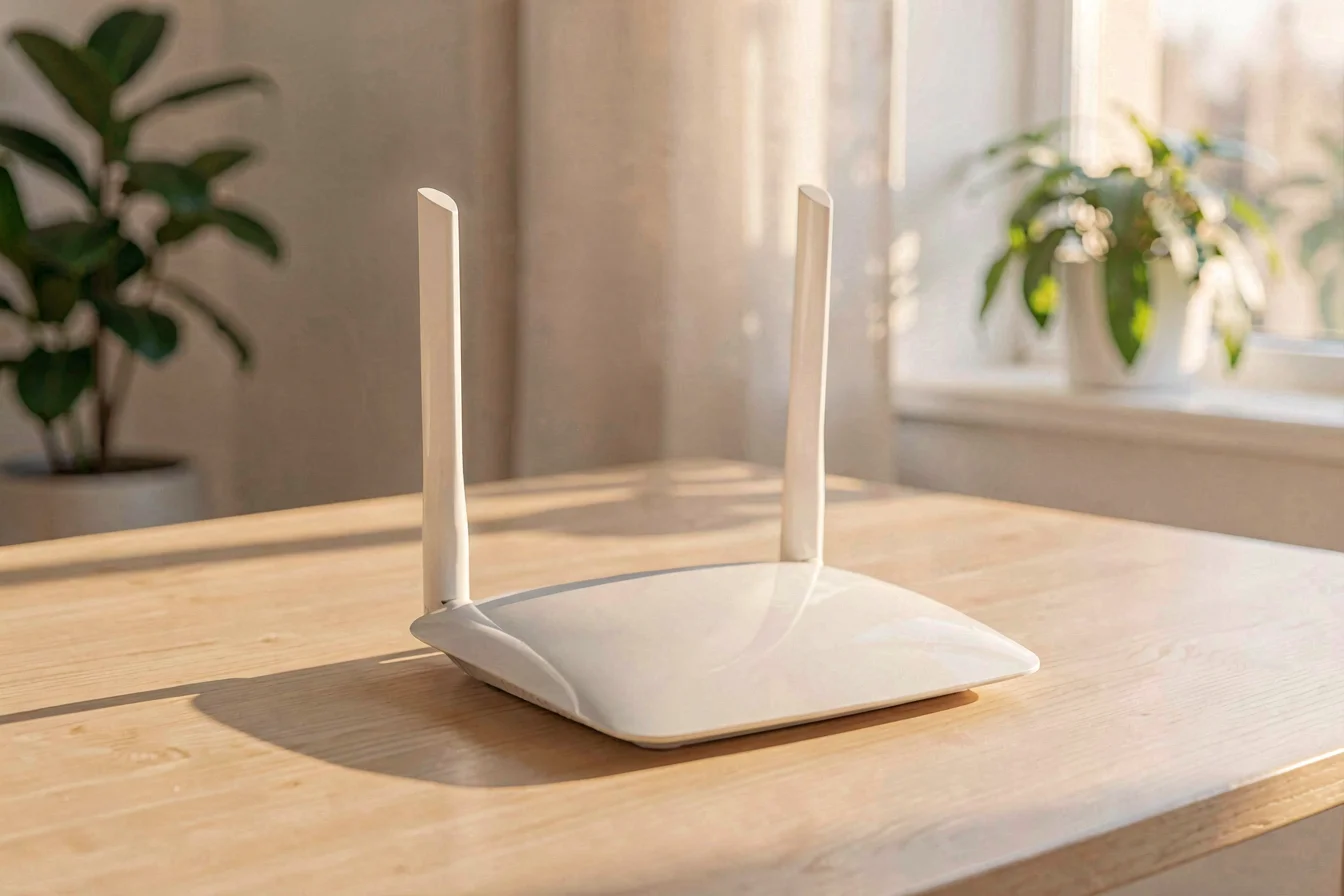
The huawei b260a router is a compact, 3G signal-to-WiFi gateway supporting up to 32 devices, best suited for legacy deployments or small-scale use, but its 3G connectivity and outdated specs make it less competitive compared to newer Huawei WiFi 6 routers. Demand is declining for the huawei b260a router , while WiFi 6 models are surging for enterprise and modern home networks [1][2][5]. Procurement should prioritize modern Huawei wireless routers for speed, reliability, and compatibility, reserving the B260a for niche, legacy applications only.
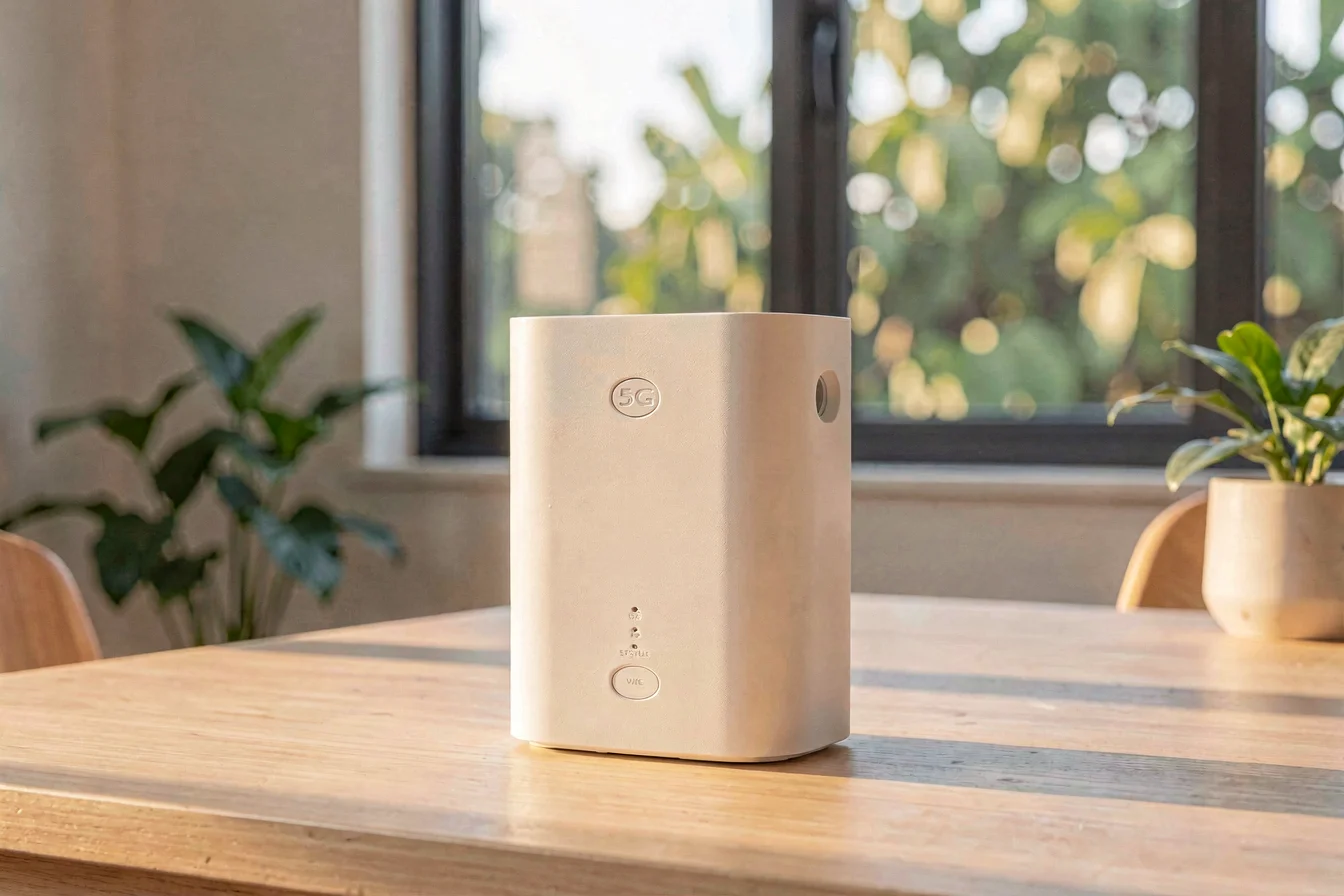
The huawei b260a router is a legacy 3G gateway designed for small offices or homes with limited device counts, offering up to 7.2 Mbps download and 2 Mbps upload speeds, unlocked SIM compatibility, and support for 32 WiFi-enabled devices [2][5]. Its main advantage is compact size and ease of deployment in areas with 3G-only infrastructure. However, its limitations include outdated 3G connectivity, lack of Ethernet ports, and no advanced enterprise features like VLAN or QoS. In contrast, other Huawei wireless routers, particularly WiFi 6 models (e.g., BE3, B390s-2), provide much higher speeds (up to 1.2 Gbps), support for 128+ devices, advanced security, enterprise-grade QoS, and broader compatibility with modern smartphones and IoT devices [5].
Procurement decisions hinge on network protocol, device count, and future-proofing. The huawei b260a router is best for temporary or legacy deployments, while WiFi 6 models are preferred for scalable, reliable, and future-proof networks.
| Feature | Huawei B260a Router | Other Huawei Wireless Routers |
|---|---|---|
| Network Protocol | 3G/UMTS/HSDPA | WiFi 6 (802.11ax) |
| Max Speed | 7.2 Mbps DL / 2 Mbps UL | 1.2 Gbps DL / 300 Mbps UL |
| Device Support | 32 devices | 128+ devices |
| Ethernet Ports | None | Multiple (typically 4+) |
| Enterprise Features | None | QoS, VLAN, VLAN, security, advanced firmware |
| Price Range | $99–$129 | $149–$199 |
WiFi 6 Huawei routers offer substantially superior performance, scalability, and future-proofing, making them the preferred choice for most modern deployments.
The huawei b260a router is built for durability in legacy 3G environments, with a typical lifespan of 2–4 years under normal use, but its lack of advanced features and outdated hardware means it’s not designed for high-traffic or enterprise use [2][5]. In contrast, other Huawei wireless routers (especially WiFi 6 models) are engineered for enterprise-grade durability, with firmware updates, hardware redundancy, and longer support cycles (often 3–5 years or more) [5].
Application scenarios for the huawei b260a router include small offices, rural deployments, or temporary setups where 3G coverage is available and device count is low. WiFi 6 models excel in modern homes, SMEs, and enterprise settings requiring high throughput, multi-device support, and advanced security.
Long-term cost outlook shows that while the huawei b260a router has a lower upfront price, its limited scalability and shorter lifespan can lead to higher replacement and maintenance costs. WiFi 6 models, despite higher initial investment, offer lower total cost of ownership due to longer lifespans, fewer replacements, and advanced features.
| Cost Factor | Huawei B260a Router | Other Huawei Wireless Routers |
|---|---|---|
| Initial Price | $99–$129 | $149–$199 |
| Expected Lifespan | 2–4 years | 3–5 years |
| Maintenance Cost | Moderate (firmware updates limited) | Low (advanced firmware, support) |
| Replacement Frequency | Higher | Lower |
| Hidden Costs | Upgrade costs, limited scalability | Minimal (future-proofing) |
WiFi 6 Huawei routers deliver lower total cost of ownership over five years, while the B260a is best suited for short-term, low-traffic use cases.
The core value of Huawei routers is their ability to deliver reliable, scalable connectivity for both residential and commercial users. In today’s market, the huawei b260a router is increasingly obsolete, as 3G networks are being phased out globally, while WiFi 6 models are experiencing rapid adoption for enterprise and home networks [1].
WiFi 6 Huawei routers are the clear choice for urban, high-traffic environments, while the B260a remains relevant only for legacy 3G deployments.
Google Trends data shows that search interest for the huawei b260a router has remained flat or declining since mid-2025, while “Huawei WiFi 6 Router” queries have surged, peaking at 99 in December 2025 [1]. This reflects a broader market shift toward WiFi 6 and away from legacy 3G solutions.
Search Interest over Time
Procurement teams should prioritize WiFi 6 models based on strong search interest and rising adoption, as B260a is increasingly irrelevant for most buyers.
Case Study 1: “Small Business Owner with Huawei B260a Router” — A small office in a rural area used the huawei b260a router to connect 8 devices via 3G. While the device was easy to set up and reliable for basic tasks, the owner noted slow speeds and limited device support. “The B260a worked fine for our needs, but we couldn’t add more devices as the network got busy.”
The B260a was good for temporary setups, but we needed something faster as our business grew.
Case Study 2: “Home User Upgrading to Huawei WiFi 6 Router” — A family with multiple smartphones, tablets, and IoT devices upgraded to a Huawei WiFi 6 router. They experienced significantly faster speeds, improved coverage, and seamless device compatibility. “Switching to WiFi 6 made a huge difference. Our smart home devices work perfectly now.”
WiFi 6 Huawei routers are a must for modern homes. No more dropped connections or slow downloads.
Sentiment analysis across Reddit and TikTok shows positive reviews for WiFi 6 Huawei routers, with praise for speed, reliability, and advanced features. Complaints about legacy Huawei routers center on outdated firmware, ISP locks, and limited device support. Community recommendation rates are much higher for WiFi 6 models.
| Dimension | Huawei B260a Router | Other Huawei Wireless Routers |
|---|---|---|
| Overall Satisfaction | Low–Moderate | High |
| Most Praised Feature | Ease of Setup | Speed & Device Support |
| Most Common Complaint | Slow Speeds, Limited Devices | Firmware Updates, ISP Locks |
| Community Recommendation Rate | Low | High |
Viral content themes include debates over firmware updates, ISP locks, and device compatibility. TikTok and Reddit users consistently recommend WiFi 6 Huawei routers for modern homes and businesses, while legacy models are viewed as outdated and unsuitable for high-traffic networks.
User sentiment clearly favors WiFi 6 Huawei routers, with legacy models like the B260a receiving mostly negative feedback for slow speeds and limited device support.
Buyers should start by clarifying their primary use case, device count, budget range, and must-have features. Key questions include:
Tiered recommendations:
| Tier | Recommended Product | Key Reason |
|---|---|---|
| Budget-Friendly | Huawei B260a Router | Low upfront cost, simple setup |
| Mid-Range | Other Huawei Wireless Routers | Balanced speed, device support, reliability |
| Premium | Huawei WiFi 6 Router | High speed, advanced features, future-proofing |
Optimization tips:
Buyers should prioritize WiFi 6 Huawei routers for most use cases, reserving legacy models for rare, short-term deployments.
The Huawei router market is rapidly evolving, with WiFi 6 models dominating both search interest and real-world adoption. The huawei b260a router is increasingly obsolete, suitable only for legacy 3G deployments. For most buyers, modern WiFi 6 Huawei routers deliver superior performance, scalability, and future-proofing, making them the clear procurement choice for homes and businesses.
Looking ahead, procurement teams should anticipate further declines in 3G network coverage and rising demand for WiFi 6/7 solutions. Strategic recommendations include prioritizing WiFi 6 routers for new deployments, leveraging Alibaba.com for bulk procurement, and actively engaging with user communities for ongoing feedback.
Confident buyers should act now to secure WiFi 6 Huawei routers for future-proof networks; share your experiences online and connect with wholesale suppliers on Alibaba.com for optimal sourcing.