
All categories
Featured selections
Trade Assurance
Buyer Central
Help Center
Get the app
Become a supplier
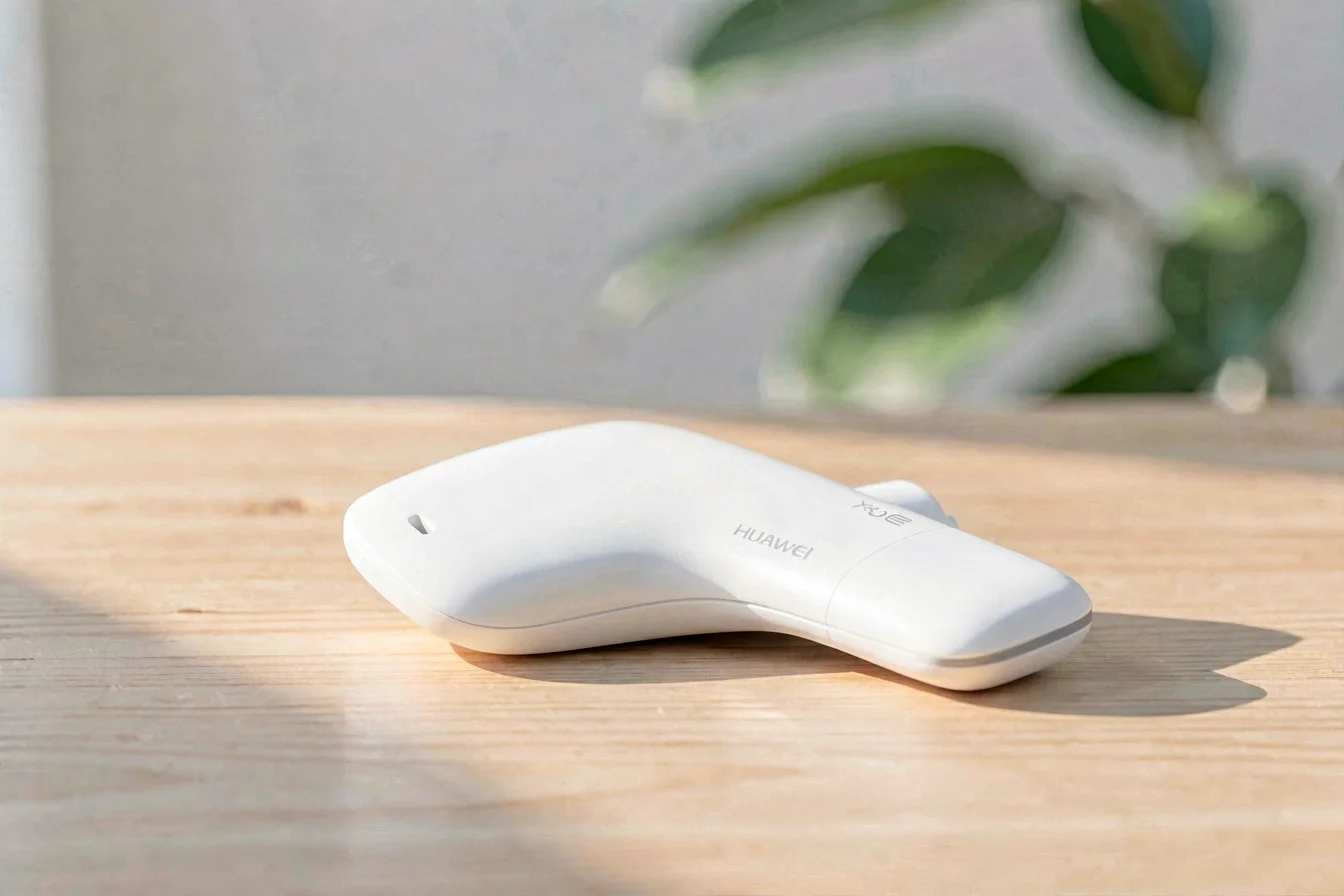
For industrial and legacy SMS deployments, the huawei e173 remains reliable, with fast SMS and robust plug-and-play performance. However, alternative USB modems are gaining traction due to broader compatibility, easier firmware updates, and lower costs. Buyers should weigh SMS speed, compatibility, and deployment environment when choosing between these options, as market trends favor alternatives for new, tech-forward applications.
The huawei e173 USB modem is a legacy 3G device that delivers fast SMS transmission, plug-and-play operation, and compatibility across Windows, Mac, Linux, and Android systems. It is designed for industrial and SMS-centric applications, featuring an external antenna for improved signal reception and a microSD slot for data expansion[2][3][4]. In contrast, alternative USB modems —often 4G LTE or newer—offer broader OS support, firmware flexibility, and lower prices, making them attractive for cost-sensitive and tech-forward buyers[6].
The urgency for decision-making arises from evolving network standards and the decline of 3G infrastructure. While the huawei e173 excels in SMS speed and reliability, its compatibility with modern OS and Linux environments is limited, and alternatives are increasingly recommended for new deployments. Innovations in alternative modems include improved firmware support, easier unlockability, and broader network compatibility, addressing the pain points of legacy devices.
The Huawei E173 is best suited for stable, SMS-centric deployments, while Alternative USB Modems are preferred for new installations requiring broader compatibility and cost efficiency.
| Feature | Huawei E173 | Alternative USB Modems |
|---|---|---|
| SMS Speed | Fast (11 min for 500 messages) | Moderate (varies by model) |
| OS Compatibility | Windows, Mac, Linux, Android | Windows, Mac, Linux, Android, iOS |
| External Antenna | Yes | Rare/None |
| Price (2026) | $66 | $40–$60 |
| Firmware Support | Limited (legacy) | Broad (modern) |
| Plug-and-Play | Yes | Yes (often better) |
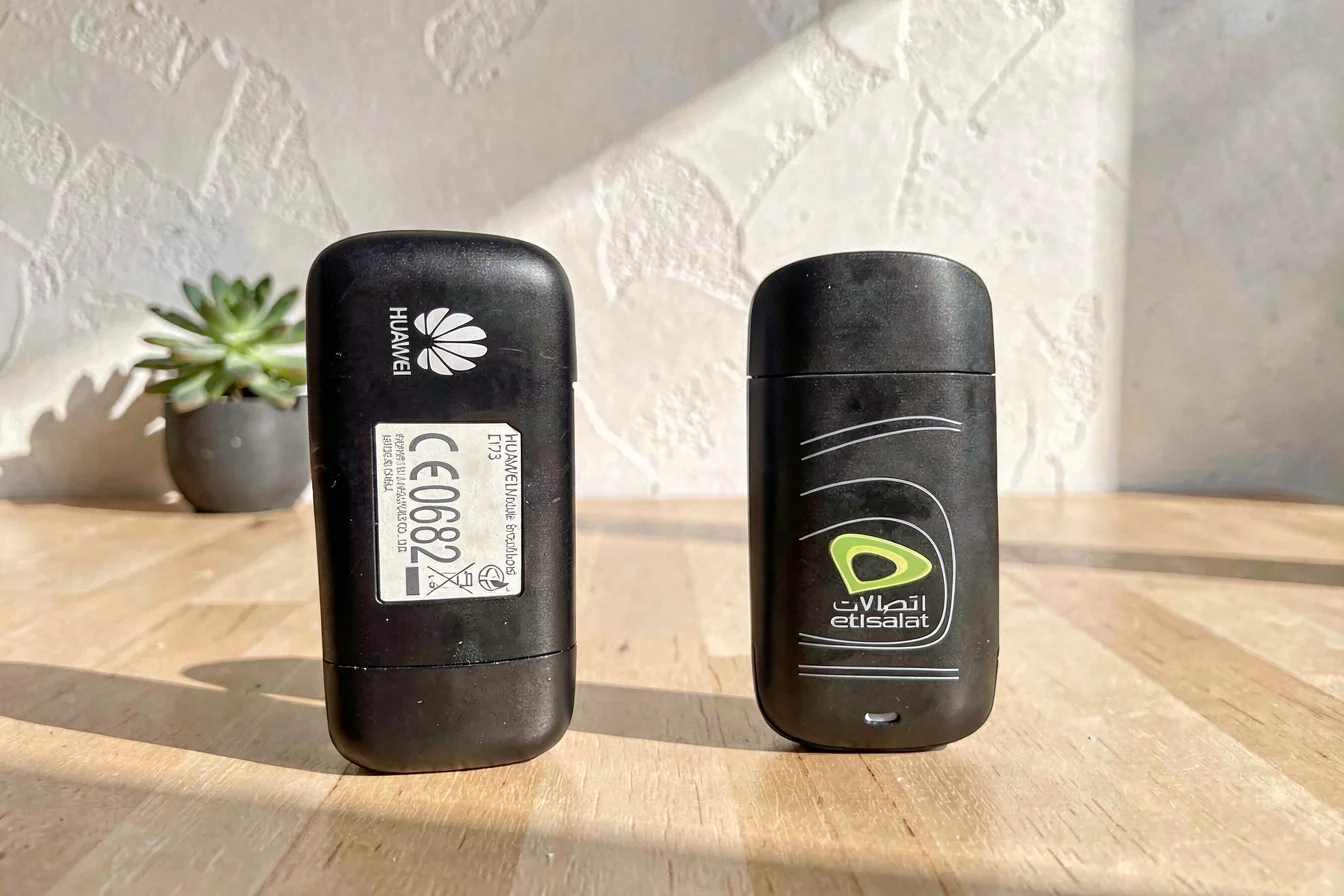
Durability is a critical factor in procurement decisions for USB modems. The huawei e173 has proven reliable over years of industrial use, with robust SMS performance and minimal driver issues[2]. Its external antenna offers improved signal strength in low-coverage areas, but does not significantly enhance speed or stability in all environments[2]. Alternative USB modems, while often newer, are designed for broader compatibility and easier firmware updates, which may improve long-term reliability.
Application scenarios are distinct: huawei e173 is preferred for SMS-centric industrial applications (e.g., messaging gateways, legacy automation), while alternative USB modems excel in general-purpose, tech-forward deployments (e.g., mobile hotspots, SBCs, Linux servers). The cost outlook over five years shows that the Huawei E173 has a higher initial price but lower replacement frequency, while alternatives offer lower upfront costs but may require more frequent upgrades due to evolving standards.
For SMS-heavy, legacy deployments, the Huawei E173 delivers long-term reliability; for new, tech-forward projects, alternatives offer better cost efficiency and easier upgrades.
| Cost Factor | Huawei E173 | Alternative USB Modems |
|---|---|---|
| Initial Purchase Price | $66 | $40–$60 |
| Maintenance | Low (legacy support) | Low (modern support) |
| Replacement Frequency | Rare (industrial use) | Moderate (evolving standards) |
| Hidden Costs | Driver/software updates | Firmware/compatibility updates |
| Total 5-Year Cost | $66–$75 | $40–$65 |
USB modems deliver core value by enabling mobile connectivity for industrial, commercial, and consumer applications. The urgency for buyers arises from rapid network upgrades and the phasing out of 3G infrastructure, making the choice between huawei e173 and alternative USB modems increasingly critical.
Huawei E173 excels in SMS-heavy, legacy industrial deployments, while Alternative USB Modems are favored for new, tech-forward applications requiring broader compatibility and lower cost.
Google Trends data shows that “Alternative 4G USB Modems” have consistently outpaced Huawei E3372 and E3551 models since mid-2025, indicating strong consumer and commercial interest[1]. Peaks occurred in August and September 2025, with values reaching 92 for alternatives versus 81 for Huawei E3372 and 79 for Huawei E3551. This trend suggests that buyers are increasingly favoring alternatives for new deployments, driven by broader compatibility and lower costs.
Search Interest over Time
Buyers should prioritize alternatives for new, tech-forward deployments, as search momentum favors broader compatibility and lower costs.
Reddit and TikTok data reveal distinct buyer personas and use cases for both huawei e173 and alternative USB modems . Case studies highlight SMS speed, compatibility, and deployment challenges as recurring pain points.
Huawei E173 is praised for SMS speed and reliability, but criticized for compatibility gaps in newer Linux and Android environments; Alternative USB Modems are favored for easier setup, broader OS support, and lower price points.
Case Study 1: Industrial SMS Gateway (Huawei E173) A user in r/Huawei reported: “The Huawei E173 is an excellent 3G modem for use with Diafaan SMS Server. Compared to most other 3G and GSM modems, sending SMS messages is incredibly fast. So fast in fact that we repeated the test a couple of times to be sure.”[2] This highlights the device’s reliability for SMS-centric industrial applications.
“After installation of the drivers, the Huawei E173 modem is found immediately by the GSM Modem Gateway in Diafaan SMS Server. The modem uses two virtual serial ports, both of which can be used by Diafaan SMS Server (but not at the same time).” [2]
Case Study 2: Linux SBC Deployment (Alternative USB Modems) A user in r/linuxquestions described: “I read that in order to send and receive SMS texts, I should get a USB SIM modem that can operate in ‘stick mode’. The first one I found was a Huawei h3372-153, but I am wondering if there are reliable or preferred options out there. Any advice much appreciated! Thanks.”[6] Community advice favored alternatives for easier setup and broader compatibility.
“Cheap af phone and hotspot is most cost effective. The cheapest (and less stressful) option - is a spare phone or some form of MiFi device - but they are expensive if you want 5G. Most of those cheap USB mobile data sticks have either incompatible hardware support in Linux (even in Windows may require proprietary software etc.) or require a lot of config etc.” [6]
| Dimension | Huawei E173 | Alternative USB Modems |
|---|---|---|
| Overall Satisfaction | High (SMS speed, reliability) | High (compatibility, cost) |
| Most Praised Feature | SMS speed, plug-and-play | Broad OS support, easy setup |
| Most Common Complaint | Compatibility with Linux/Android | Occasional firmware issues |
| Community Recommendation Rate | Moderate (legacy use) | High (new deployments) |
Viral content themes include SMS speed, compatibility gaps, firmware updates, and cost efficiency. Recurring debate points focus on legacy support versus modern compatibility, with cultural reception favoring alternatives for new projects and Huawei E173 for stable, SMS-heavy environments.
Buyers should start by clarifying their core needs, deployment environment, and compatibility requirements. Key questions include:
Tiered recommendations:
| Tier | Recommended Product | Key Reason |
|---|---|---|
| Budget-Friendly | Alternative USB Modems | Lower price, broader compatibility |
| Mid-Range | Alternative USB Modems | Cost efficiency, modern support |
| Premium/SMS-Centric | Huawei E173 | SMS speed, industrial reliability |
Buyers should prioritize alternatives for cost-sensitive, tech-forward deployments; Huawei E173 for SMS-heavy, legacy industrial applications.
Optimization tips:
Synthesizing insights, huawei e173 remains viable for SMS-heavy, legacy industrial applications, but alternative USB modems are favored for new deployments due to broader compatibility, easier firmware updates, and lower cost. Market trends indicate a shift toward alternatives, especially as 3G infrastructure declines and demand for modern standards increases.
For the next 6–12 months, buyers should prioritize alternatives for new, tech-forward projects, while maintaining Huawei E173 for stable, SMS-centric deployments.
Confident buyer action is essential: share your experiences with USB modem deployments, and commercial buyers should explore wholesale options on Alibaba.com for optimal sourcing, bundling, and future-proofing strategies.