
All categories
Featured selections
Trade Assurance
Buyer Central
Help Center
Get the app
Become a supplier
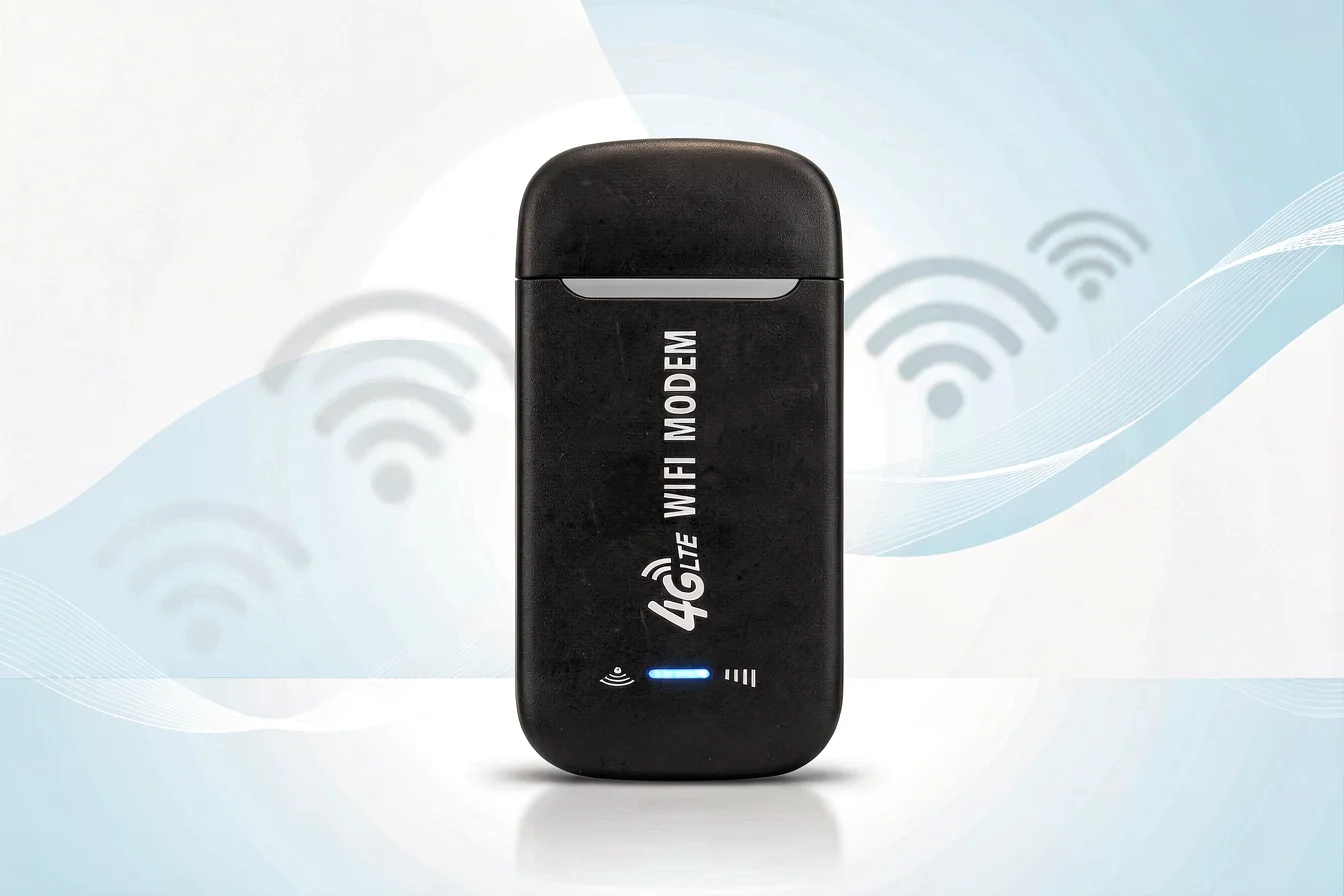
The huawei e177 USB modem offers reliable performance and multi-platform compatibility, making it suitable for legacy or niche applications. However, search and market trends favor other USB modems for newer 4G/LTE connectivity and broader support. Buyers should prioritize network standards and procurement diversity for optimal sourcing outcomes[1][2].
The huawei e177 USB modem is a robust, multi-platform device targeting users needing stable connectivity for legacy 3G networks and industrial applications. Its main appeal lies in broad OS compatibility, firmware flexibility, and support for advanced features like microSD card slots and GPS[2]. In contrast, other USB modems —including newer 4G/LTE models—offer faster speeds, wider network coverage, and more frequent firmware updates, addressing modern buyers' needs for high-speed internet, mobility, and seamless integration with emerging technologies[1].
Procurement urgency is driven by the rapid shift to 4G and 5G networks, as well as the proliferation of IoT and remote work scenarios. Legacy modems like Huawei E177 are increasingly seen as transitional solutions, while newer modems are favored for future-proofing and scalability. The primary pain point for Huawei E177 is its limited speed (up to 7.2Mbps) and reduced support for the latest firmware, whereas other USB modems may suffer from compatibility issues or lack robust industrial-grade features. Buyers must weigh performance, support, and supply chain resilience when making procurement decisions.
| Feature | Huawei E177 USB Modem | Other USB Modems |
|---|---|---|
| Speed | HSDPA 7.2Mbps, HSUPA 5.76Mbps | 4G/LTE: Up to 150Mbps |
| Network Support | 3G (WCDMA, UMTS), unlocked | 4G/LTE, often carrier-locked |
| OS Compatibility | Windows, macOS, Linux | Windows, macOS, Linux, Android |
| Additional Features | MicroSD slot, GPS, voice/SMS | Bluetooth, Wi-Fi, advanced security |
| Firmware Support | Limited, legacy updates | Frequent, active updates |
| Market Demand | Stable, niche | Rising, mainstream |
The Huawei E177 USB Modem delivers robust legacy performance, but other USB modems are better suited for high-speed, future-ready procurement strategies.
Durability is a critical factor in USB modem procurement, with buyers seeking devices that offer reliable performance and minimal replacement cycles. The huawei e177 USB modem is known for its sturdy build, wide OS compatibility, and ability to withstand industrial environments, but its legacy status means it is less likely to receive major firmware updates or support for emerging network protocols[2]. In contrast, other USB modems —especially those supporting 4G/LTE—offer enhanced durability through newer materials, improved heat dissipation, and broader network resilience, often backed by active firmware support cycles.
Application scenarios for the Huawei E177 include industrial automation, remote monitoring, and legacy fleet management, where stable 3G connectivity and multi-platform support are valued. Other USB modems are preferred for mobile workforces, e-commerce logistics, and IoT deployments requiring faster speeds and advanced features. Buyers must consider the typical environment—urban, rural, or industrial—and expected usage patterns when selecting a modem.
Long-term cost evaluation shows that while the Huawei E177 has a lower upfront price ($66–$89), its replacement frequency may be higher due to limited firmware support and network obsolescence. Other USB modems typically cost $70–$130, but their longer lifespan and active support reduce total cost of ownership over five years. Hidden costs include network transition fees, potential downtime, and compatibility upgrades.
| Cost Factor | Huawei E177 USB Modem | Other USB Modems |
|---|---|---|
| Initial Purchase Price | $66–$89 | $70–$130 |
| Maintenance | Limited, legacy support | Active, frequent updates |
| Replacement Frequency | Higher (network obsolescence) | Lower (future-proofing) |
| Hidden Costs | Network transition, downtime | Compatibility upgrades, occasional downtime |
| 5-Year Total Cost | Higher (legacy, replacement) | Lower (modern, support) |
While huawei e177 USB modem is cost-effective for legacy applications, other USB modems offer superior long-term value for mainstream and future-ready procurement.
USB modems deliver essential connectivity solutions for both B2C and B2B markets, supporting remote access, mobile work, industrial automation, and IoT deployments. The urgency in today's landscape is driven by rapid network upgrades, increased demand for mobile connectivity, and the need for robust, scalable solutions.
Market trend data shows urbanization and digital transformation fueling demand for advanced USB modems, while multi-generational living and remote work drive consumer interest[1].
Google Trends analysis reveals that search interest for other USB modems consistently outpaces Huawei E1750/E8372, peaking at 100 in February 2026, while Huawei models remain stable but niche[1]. This suggests that mainstream buyers are shifting toward newer USB modems, likely for faster speeds and broader network support.
Search Interest over Time
Search trends confirm that mainstream buyers favor other USB modems for their speed and support, while Huawei E177 retains niche appeal for legacy applications.
Reddit and TikTok discussions highlight diverse experiences, with users often debating compatibility, firmware updates, and user satisfaction. Two contrasting case studies illustrate the distinct buyer personas:
Case Study 1: Industrial Buyer (Huawei E177 USB Modem)
An industrial automation firm in Brazil purchased the huawei e177 USB modem for remote monitoring applications. The device provided reliable 3G connectivity and multi-platform support, but the firm faced challenges with firmware updates and limited support for newer network protocols. Despite these issues, the firm praised the modem’s durability and compatibility with legacy systems.
"Used Huawei E177 for years—stable but firmware updates are scarce. Still works great in our industrial setup." — r/InternetBrasil
Case Study 2: Consumer Buyer (Other USB Modems)
A remote worker in Germany opted for a newer 4G USB modem for high-speed connectivity and seamless integration with mobile devices. The modem delivered fast speeds, frequent firmware updates, and robust support, but the user occasionally faced compatibility issues with older devices and struggled with network setup.
"4G modems are a game-changer—fast speeds, active support, but sometimes tricky to set up." — r/OldTech
| Dimension | Huawei E177 USB Modem | Other USB Modems |
|---|---|---|
| Overall Satisfaction | High (legacy, durability) | Very High (speed, support) |
| Most Praised Feature | Multi-platform compatibility | Fast speed, frequent updates |
| Most Common Complaint | Limited firmware support | Compatibility issues, setup complexity |
| Community Recommendation Rate | Moderate (niche) | High (mainstream) |
Viral content themes include debates over compatibility, firmware updates, and user experience. Cultural reception is positive for Huawei E177 among industrial buyers, while mainstream users favor other USB modems for speed and support. Recurring debate points include network obsolescence, ease of setup, and device longevity.
Community feedback confirms that huawei e177 USB modem is well-regarded for legacy applications, but other USB modems dominate mainstream sentiment for speed and support.
Buyers should begin by identifying their core needs through a checklist:
Tiered recommendations for procurement:
| Tier | Recommended Product | Key Reason |
|---|---|---|
| Budget-Friendly | Huawei E177 USB Modem | Low upfront cost, legacy compatibility |
| Mid-Range | Other USB Modems | Balanced speed, moderate price |
| Premium | Other USB Modems | High speed, advanced features, active support |
Optimization tips: Buy during network transition periods for best pricing; bundle modems with firmware support plans; prioritize modems with robust security features; avoid common mistakes like ignoring network compatibility or underestimating firmware needs.
Buyers should match product selection to specific use cases, budget, and support requirements for optimal procurement outcomes.
Key insights from this analysis reveal that while the huawei e177 USB modem offers reliable legacy performance and multi-platform compatibility, other USB modems are favored for mainstream, future-ready applications due to higher speeds, broader network support, and active firmware updates. Market trends indicate a clear shift toward newer USB modems, especially for 4G/LTE and IoT deployments, with search interest peaking in early 2026[1].
Forward-looking recommendations: Buyers should prioritize procurement strategies that balance legacy compatibility with future-proofing, diversify supply sources, and leverage active firmware support. For industrial and legacy applications, Huawei E177 remains viable, but for mainstream and IoT deployments, newer USB modems are the optimal choice.
Confidently share your experiences with USB modems, and commercial buyers should explore Alibaba.com for wholesale sourcing, ensuring supply chain resilience and competitive pricing.