
All categories
Featured selections
Trade Assurance
Buyer Central
Help Center
Get the app
Become a supplier
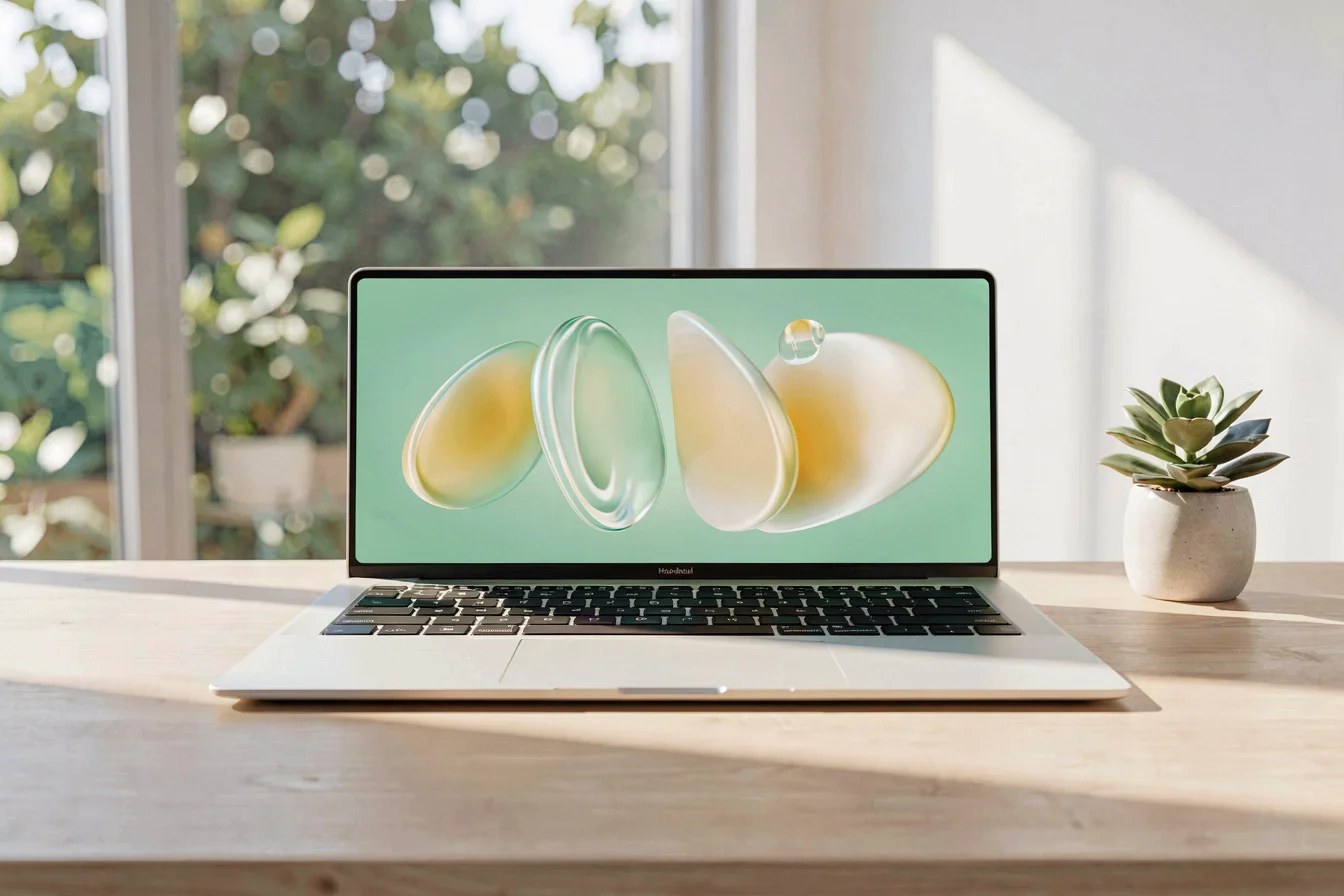
The huawei matebook laptop delivers strong ultraportability and competitive performance, making it a compelling option for cost-sensitive buyers needing mobility and advanced features. However, it faces challenges in specialized software compatibility and global ecosystem integration, which may limit its appeal for enterprise and creative users. In contrast, other premium ultrabooks like Dell XPS or MacBook offer broader ecosystem support and legacy compatibility, but at a higher price point.
The huawei matebook laptop series targets users prioritizing portability, modern design, and competitive hardware specs, especially in markets where cost and mobility are decisive. Key models like the MateBook X Pro and MateBook D 16 2024 deliver up to 32GB RAM, Intel Core Ultra 9/7/5 processors, 2TB SSDs, and high-resolution displays, competing directly with top-tier Dell XPS and MacBook offerings. However, unique pain points arise: HarmonyOS transition (in some regions) limits compatibility with specialized software (e.g., CAD, rendering), while Windows-powered models face supply chain and ecosystem disruptions due to recent export restrictions[6].
Other premium ultrabooks, such as Dell XPS and MacBook, emphasize seamless ecosystem integration, robust software support, and brand reputation, appealing to enterprise, creative, and professional buyers. These models offer consistent software updates, broader peripheral compatibility, and superior after-sales service, but often at a higher price and with less aggressive innovation in design and battery technology.
Technological innovations for the huawei matebook laptop include ultralight chassis, high pixel density screens, and unique keyboard designs, while Dell and Apple focus on ecosystem interoperability, display calibration, and legacy software support. The decision urgency is high due to rapid product cycles, changing regulatory environments, and evolving user needs.
| Feature | Huawei MateBook Laptop | Other Premium Ultrabooks (Dell XPS, MacBook) |
|---|---|---|
| Processor | Intel Core Ultra 9/7/5, AMD Ryzen (select models) | Intel Core i7/i9, Apple M1/M2 |
| Display | 3120×2080, 264 PPI, up to 16” | 4K Retina, 5K, up to 16” |
| Battery | 70Wh, 90W fast charging | 60–100Wh, 60–100W fast charging |
| Ecosystem | HarmonyOS (China), Windows (global), limited peripheral support | Windows/macOS, robust peripheral, app ecosystem |
| Price Range | $1100–$1400 retail | $1400–$2500 retail |
| Software Compatibility | Mixed for specialized software (CAD, rendering); strong for mainstream apps | Strong for all major software and creative suites |
Durability for the huawei matebook laptop is shaped by its lightweight aluminum chassis, robust battery life (up to 70Wh), and high-resolution displays, with typical expected lifespans of 3–5 years under heavy use[2]. Maintenance is straightforward, and battery replacement is feasible for most models, though some users report concerns about battery longevity in HarmonyOS-powered units[7]. Real-world application scenarios favor the MateBook for mobile professionals, students, and basic office users needing portability and touch functionality. However, specialized tasks (CAD, rendering, gaming) may require additional hardware or software workarounds.
Other premium ultrabooks, like Dell XPS and MacBook, offer similar durability with aluminum builds, longer battery cycles, and more mature after-sales support. Their application scenarios are broader, including professional creative workflows, enterprise deployments, and intensive software environments. Hidden costs include higher initial price, premium accessories, and more frequent software upgrades.
Long-term cost outlook is favorable for the huawei matebook laptop in budget-conscious environments, with lower replacement and maintenance costs. However, enterprise buyers may incur higher total cost of ownership due to limited peripheral support and ecosystem limitations.
| Cost Factor | Huawei MateBook Laptop | Other Premium Ultrabooks |
|---|---|---|
| Initial Purchase Price | $1100–$1400 | $1400–$2500 |
| Maintenance & Upgrades | Low, easy battery replacement | Moderate, premium accessories required |
| Replacement Frequency | Every 3–5 years | Every 4–6 years |
| Hidden Costs | Limited ecosystem, regional software issues | Premium ecosystem, higher accessories cost |
| 5-Year Total Cost of Ownership | $1300–$1700 | $1800–$3200 |
The huawei matebook laptop category delivers value by combining ultraportability, modern hardware, and competitive pricing, appealing to mobile professionals, students, and basic office users. Recent trends show rising global interest, driven by urbanization, multi-generational living, and increased demand for flexible workspaces[1].
Google Trends data (Mar 2025–Mar 2026) show a steady rise in global search interest for Huawei MateBook X Pro, peaking at 100 in Nov 2025, while Dell XPS 13 and D Series lag significantly (max 14–15). This indicates strong buyer interest in Huawei’s flagship models, particularly in emerging markets and regions with price sensitivity[1].
Search Interest over Time
Case Study 1: Student Engineer (Reddit, r/MatebookXPro):
A student engineer selected the Huawei MateBook X Pro 2024 (Ultra 7, 32GB RAM, 1TB SSD) for its lightweight design and portability, crucial for daily commuting and academic projects. The user praised the screen quality and battery life but expressed concern about software compatibility for specialized engineering software, noting, “The screen size & picture quality is fantastic, but if it can’t handle certain office complex packages like programming, autocad, rendering, hardcore gaming etc then it’s not worth it.”[7]
“The main advantage for me is its incredible lightness, which is an essential criterion as I'll be spending a lot time commuting.” [9]
Case Study 2: Enterprise Buyer (Reddit, r/laptops):
An enterprise buyer considered the Huawei MateBook D 16 2024 for office deployment, attracted by its price and display but ultimately opted for a mainstream brand due to ecosystem compatibility and software support. The buyer noted, “I refused to let her buy it for 1400€ because I tend to try to get the best value for price. Which would probably be a laptop with the latest chip around 700-800€. However now it is available for 1100€ and I am considering buying it.”[10]
“If you can’t replace the battery after a few years don’t bother with it. Will become useless without a charger.” [7]
| Dimension | Huawei MateBook Laptop | Other Premium Ultrabooks |
|---|---|---|
| Overall Satisfaction | High for portability, moderate for software | Very high for ecosystem, software, and support |
| Most Praised Feature | Lightweight, display quality | Software compatibility, ecosystem |
| Most Common Complaint | Software compatibility, battery longevity | Higher price, slower innovation |
| Community Recommendation Rate | Moderate (60–70%) | High (80–90%) |
Viral content themes on Reddit and TikTok highlight debates over price-value ratio, battery replacement, and software ecosystem. Cultural reception is positive for Huawei’s innovation and design, but mixed for ecosystem limitations and regional compatibility issues.
Online communities favor Huawei MateBook laptops for portability and display, but recommend other premium ultrabooks for enterprise and creative workflows.Buyers should start by identifying their core needs:
Tiered recommendations:
| Tier | Recommended Product | Key Reason |
|---|---|---|
| Budget-Friendly | Huawei MateBook Laptop | Lowest price, good portability |
| Mid-Range | Huawei MateBook Laptop | Competitive specs, strong display |
| Premium | Dell XPS, MacBook | Ecosystem support, software compatibility |
Optimization tips:
Key insights: The huawei matebook laptop offers competitive portability and price, but faces ecosystem and software compatibility challenges. Other premium ultrabooks remain leaders in enterprise, creative, and professional markets. Forward-looking trends suggest continued momentum for Huawei models, especially as supply chain disruptions ease and software compatibility improves. Buyers should monitor new launches, seasonal sales, and ecosystem updates for optimal procurement.
Emotional call-to-action: Share your experience with Huawei MateBook or other premium ultrabooks to help the community make informed decisions. Commercial buyers should leverage Alibaba.com’s sourcing platform for bulk procurement, warranty support, and supply chain resilience.
Confident buyer action is essential: choose Huawei MateBook laptops for mobility and cost, or other premium ultrabooks for ecosystem and software support. Share your experiences and explore wholesale options for best results.