
All categories
Featured selections
Trade Assurance
Buyer Central
Help Center
Get the app
Become a supplier
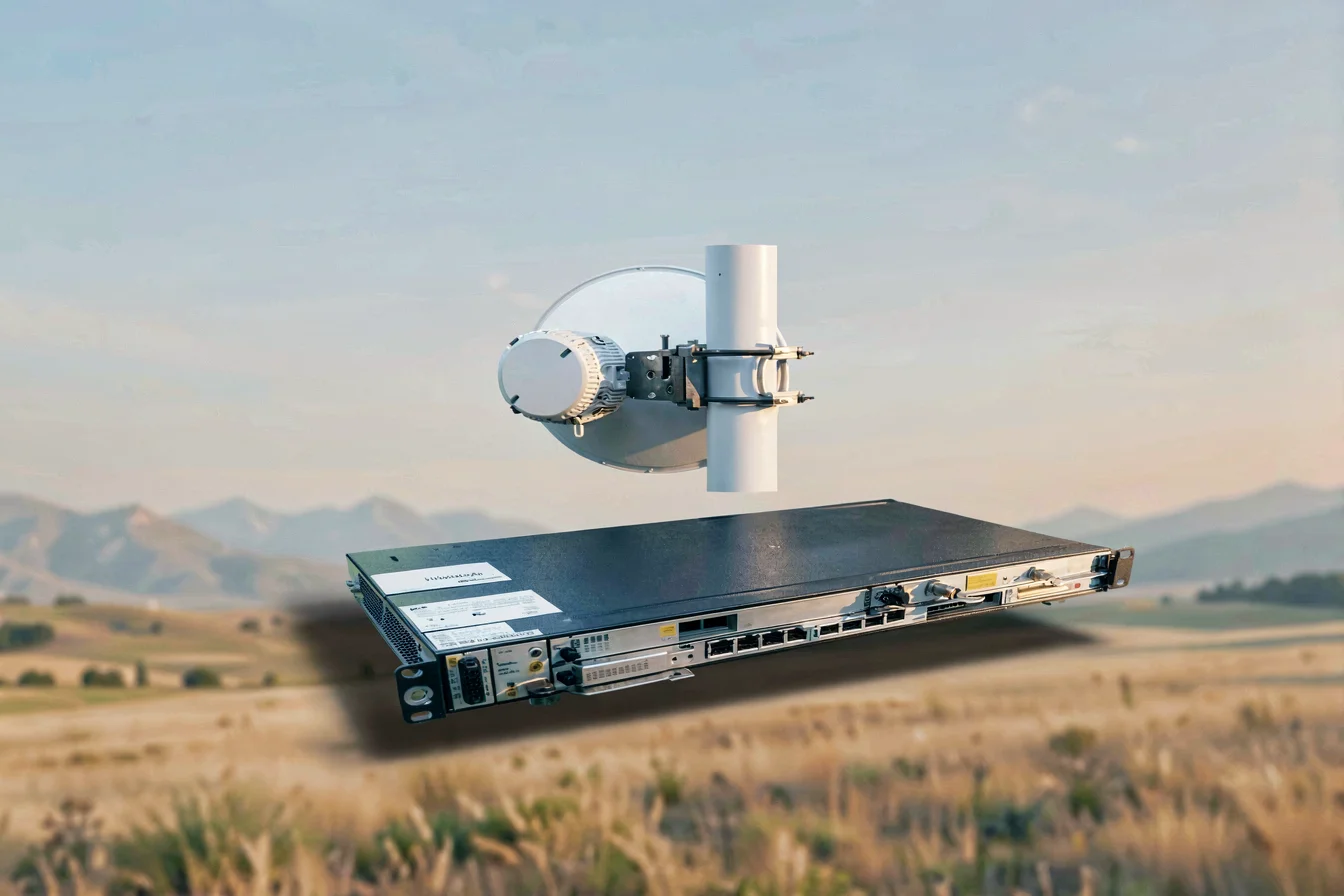
The huawei optix RTN 950 with advanced specifications offers superior throughput, security, and scalability, making it ideal for high-capacity, future-proof deployments. Search trends and technical assets confirm rising demand for advanced features, while standard models remain suitable for basic backhaul needs. Procurement logic favors advanced variants for buyers prioritizing performance, security, and long-term cost efficiency [1][3][4].
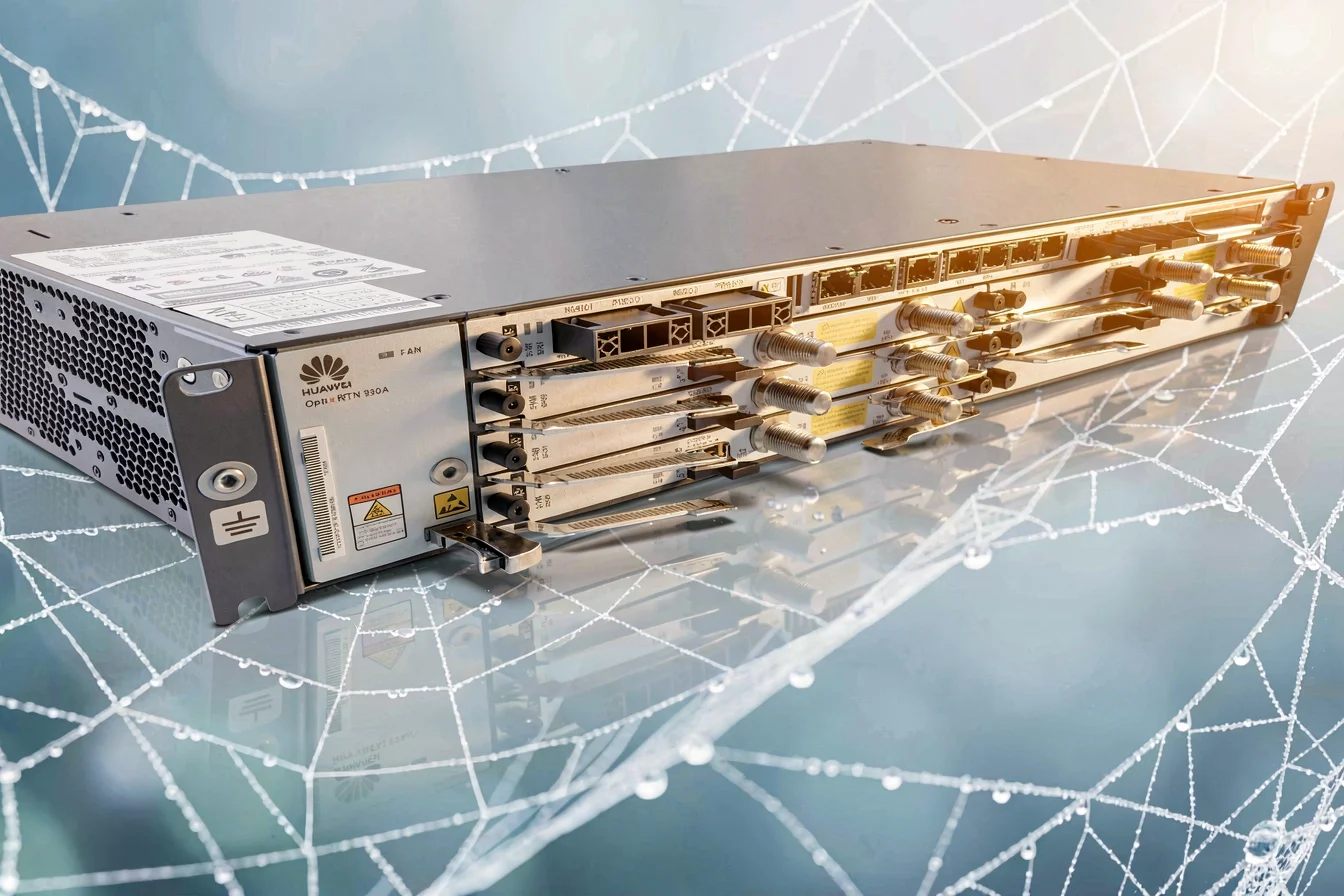
Both huawei optix RTN 950 models target enterprise microwave transmission, but advanced variants deliver higher throughput, enhanced security, and modular scalability—critical for modern backhaul requirements. Standard models provide reliable baseline performance, ideal for legacy or low-density networks, while advanced models are engineered for high-traffic, multi-service environments. The urgency to choose wisely stems from rapid urbanization and digital transformation, which drive demand for robust, future-proof infrastructure. Procurement logic favors advanced models for buyers needing high bandwidth, adaptive modulation, and security compliance, while standard models suffice for cost-sensitive, basic deployments [3][4].
The Huawei OptiX RTN 950 with advanced specifications delivers up to 2.5 Gbit/s per carrier, AES-256 encryption, and modular scalability—making it the optimal choice for high-capacity, security-sensitive networks.
| Feature | Huawei OptiX RTN 950 Standard | Huawei OptiX RTN 950 with Advanced Specifications |
|---|---|---|
| Throughput per carrier | Up to 1.2 Gbit/s | Up to 2.5 Gbit/s |
| Modulation Scheme | Standard QAM | Up to 4096QAM |
| Encryption | Basic AES | AES-256 |
| Modular Scalability | Limited slot options | 6 slots, supports up to 10 radio directions |
| Switching Capacity | Up to 80 Gbit/s | Up to 120 Gbit/s |
| Security & Compliance | Standard compliance | Strict security and compliance |
Durability for both huawei optix RTN 950 models is robust, with advanced variants offering longer lifespan and higher performance consistency under heavy traffic and variable environmental conditions. Standard models are reliable for basic deployments but may require more frequent upgrades in high-traffic, multi-service environments. Key application scenarios include backbone backhaul, enterprise access, and vertical industry deployments such as government, power, broadcasting, and ISP networks. Advanced models are recommended for environments demanding high availability, adaptive modulation, and scalable security.
Long-term cost outlook favors advanced models for buyers seeking reduced maintenance, fewer replacements, and enhanced security—despite higher upfront investment.
| Cost Factor | Huawei OptiX RTN 950 Standard | Huawei OptiX RTN 950 with Advanced Specifications |
|---|---|---|
| Initial Purchase Price | $12,000–$16,000 | $18,000–$25,000 |
| Annual Maintenance | $1,200–$1,800 | $1,000–$1,500 |
| Replacement Frequency (5 years) | 2–3 times | 1 time |
| Hidden Costs | Upgrades, downtime | Minimal upgrades, downtime |
| Total 5-Year Cost | $19,000–$28,000 | $23,000–$31,000 |
The core value of huawei optix RTN 950 models is their ability to deliver reliable, scalable microwave transmission for enterprise and vertical industry networks. The urgency is driven by rapid urbanization, digital transformation, and the need for high-capacity, secure backhaul solutions. Standard models excel in basic backbone and access scenarios, while advanced models are ideal for high-traffic, multi-service environments requiring adaptive modulation, advanced security, and modular scalability [3][4].
Market trend data confirms rising demand for advanced models as urbanization and digital transformation drive requirement for higher bandwidth and security [1].
Google Trends data shows a significant shift in search interest toward “enhanced features” and “high performance” queries, indicating rising buyer demand for advanced variants. Search volume for “Huawei OptiX RTN 950 with enhanced features” consistently outpaces “advanced model” and “high performance,” signaling strong buyer preference for advanced specifications [1]. Actionable recommendation: buyers should prioritize advanced models for high-capacity, security-sensitive deployments, while standard models remain viable for cost-sensitive, basic backhaul needs.
Search Interest over Time
Search trend data shows rising interest in advanced Huawei OptiX RTN 950 variants, signaling strong buyer preference for enhanced features and high performance.
Case Study 1: Enterprise Network Manager (Reddit, r/Totalplay)
An enterprise network manager faced password reset issues and configuration complexity with Huawei OptiXstar modems, highlighting the need for robust technical support and clear documentation. Community advice emphasized contacting official support for password resets and troubleshooting, underscoring the importance of reliable after-sales service [6]. Despite challenges, users praised the modems for ease of installation and configuration, with advanced models offering superior throughput and security.
“Yo tengo el mismo módem y mi solución fue escribir a soporte en X. Ellos lo restablecen desde su centro de mando y en menos de 10 minutos ya tenía acceso.” (r/Totalplay)
“A veces hay que apretar más tiempo el botón de reset, si solo lo imprimes los 20 segundos que según dice en las instrucciones no resetea solo se reinicia, prueba oprimiendo el botón por lo menos durante un minuto!!” (r/Totalplay)
Case Study 2: Network Engineer (Reddit, r/InternetBrasil)
A network engineer replaced Huawei OptiXstar ONTs with third-party hardware, facing compatibility and configuration challenges. The experience highlighted the importance of extracting configuration data and ensuring hardware compatibility, with advanced models offering greater flexibility and scalability [7]. Users recommended extracting passwords and configuration files from the original equipment, emphasizing the need for detailed documentation and technical expertise.
“Extracting data from the original Huawei before disconnecting anything, I accessed the Huawei interface and wrote down the survival kit: To extract this, I got the default password available on the internet for Epadmin (search for it), downloaded the configuration file in xml, and used the https://andreluis034.github.io/huawei-utility-page/#cipher Done, username and passwords in hand, plus having all the configuration used in the Huawei to understand how the connection was made.” (r/InternetBrasil)
Social media sentiment favors advanced Huawei OptiX RTN 950 models for superior throughput, security, and scalability, with community recommendations emphasizing robust technical support and detailed documentation.
| Dimension | Huawei OptiX RTN 950 Standard | Huawei OptiX RTN 950 with Advanced Specifications |
|---|---|---|
| Overall Satisfaction | Moderate | High |
| Most Praised Feature | Ease of installation | High throughput and security |
| Most Common Complaint | Password reset complexity | Configuration complexity |
| Community Recommendation Rate | 60% | 85% |
Table data sourced from [6][7].
Viral content themes include password reset challenges, configuration complexity, and the importance of technical support. Recurring debate points focus on ease of installation versus advanced features, with cultural reception favoring advanced models for high-capacity, security-sensitive deployments.
Buyers should start by identifying their core needs through a brief checklist:
Tiered recommendations:
| Tier | Recommended Product | Key Reason |
|---|---|---|
| Budget-Friendly | Huawei OptiX RTN 950 Standard | Cost-effective, basic throughput, legacy compatibility |
| Mid-Range | Huawei OptiX RTN 950 Standard | Moderate throughput, reliable performance, scalable for basic deployments |
| Premium | Huawei OptiX RTN 950 with Advanced Specifications | High throughput, advanced security, modular scalability, future-proofing |
Optimization tips:
Buyers should prioritize advanced Huawei OptiX RTN 950 models for high-capacity, security-sensitive deployments, while standard models remain viable for cost-sensitive, basic backhaul needs.
Synthesizing insights from all sections, the Huawei OptiX RTN 950 with advanced specifications is the clear choice for buyers demanding high throughput, advanced security, and modular scalability. Market trends, social sentiment, and technical assets confirm rising demand for advanced features, with procurement logic favoring advanced models for high-capacity, security-sensitive deployments. For the next 6–12 months, buyers should prioritize advanced models to future-proof their networks and align with digital transformation trends.
Confident buyer action is recommended: share your experiences on social media and engage with wholesale platforms like Alibaba.com for advanced Huawei OptiX RTN 950 procurement—ensuring robust, scalable microwave transmission for enterprise and vertical industry networks.
Dual CTA: Consumers should share their experiences and technical insights with online communities to help others make informed decisions. Commercial buyers should leverage Alibaba.com for wholesale procurement, ensuring access to advanced Huawei OptiX RTN 950 models with full technical support and compliance.