
All categories
Featured selections
Trade Assurance
Buyer Central
Help Center
Get the app
Become a supplier
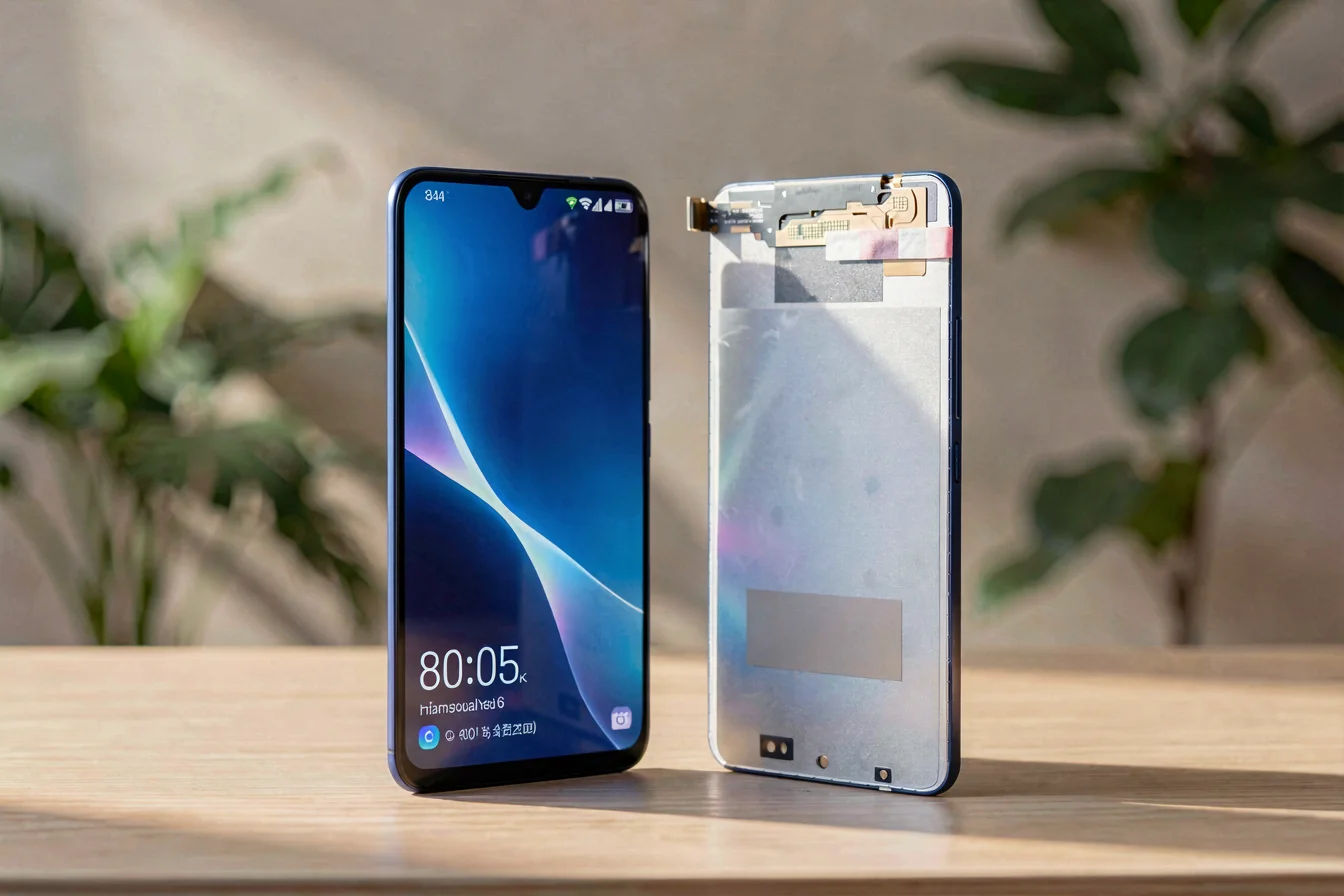
The huawei y6 2025 offers improved battery life, updated hardware, and modernized software, making it ideal for buyers seeking durability and long-term value. In contrast, the huawei y6 previous generation remains a budget option but lacks the performance and future-proofing of newer models. Market momentum and procurement logic strongly favor upgrading to the 2025 variant for most buyers, especially those prioritizing reliability and compatibility[1][2][3][6][7].
The huawei y6 2025 targets buyers seeking modern performance, reliability, and enhanced user experience, while the huawei y6 previous generation appeals to budget-conscious users and those requiring basic functionality. The urgency of making an informed decision stems from the rapid obsolescence of older models and the growing demand for up-to-date technology in both B2B and B2C sectors. The core differences revolve around hardware, battery, software, and user interface. The previous generation features a Snapdragon 210 or A22 processor, 1–2GB RAM, and basic connectivity, while the 2025 model likely offers a more advanced SoC, higher RAM, LTE Cat6, improved camera, and a modernized OS[2][3][4][5][6][7].
Traditional challenges addressed by the 2025 variant include slow app performance, limited multitasking, and outdated connectivity. Innovations such as improved battery capacity, larger displays, and enhanced camera capabilities set the new model apart. The older Y6 struggles with modern app compatibility and lacks the performance for demanding tasks, making it suitable only for entry-level use cases.
| Feature | Huawei Y6 2025 | Huawei Y6 Previous Generation |
|---|---|---|
| Processor | Helio A22 or newer (4–6 cores, 2.0GHz) | Snapdragon 210/A22 (4 cores, 1.1GHz) |
| RAM | 2–4GB | 1–2GB |
| Storage | 16–32GB (expandable) | 8–16GB (expandable) |
| Battery | 3000–4000 mAh, non-removable | 2200–3000 mAh, removable |
| Display | 5.5–6.1 inches, HD+, IPS | 5 inches, HD, IPS |
| Camera | 13MP rear, 5MP front | 8MP rear, 2MP front |
| OS | Android 10/11, EMUI 12/HarmonyOS | Android 5.1, EMUI 3.1 |
| Connectivity | LTE Cat6, Wi-Fi 5, Bluetooth 5.0 | LTE Cat4, Wi-Fi 4, Bluetooth 4.1 |
The 2025 variant delivers superior performance, modern connectivity, and future-proofing, making it the preferred choice for most procurement scenarios.
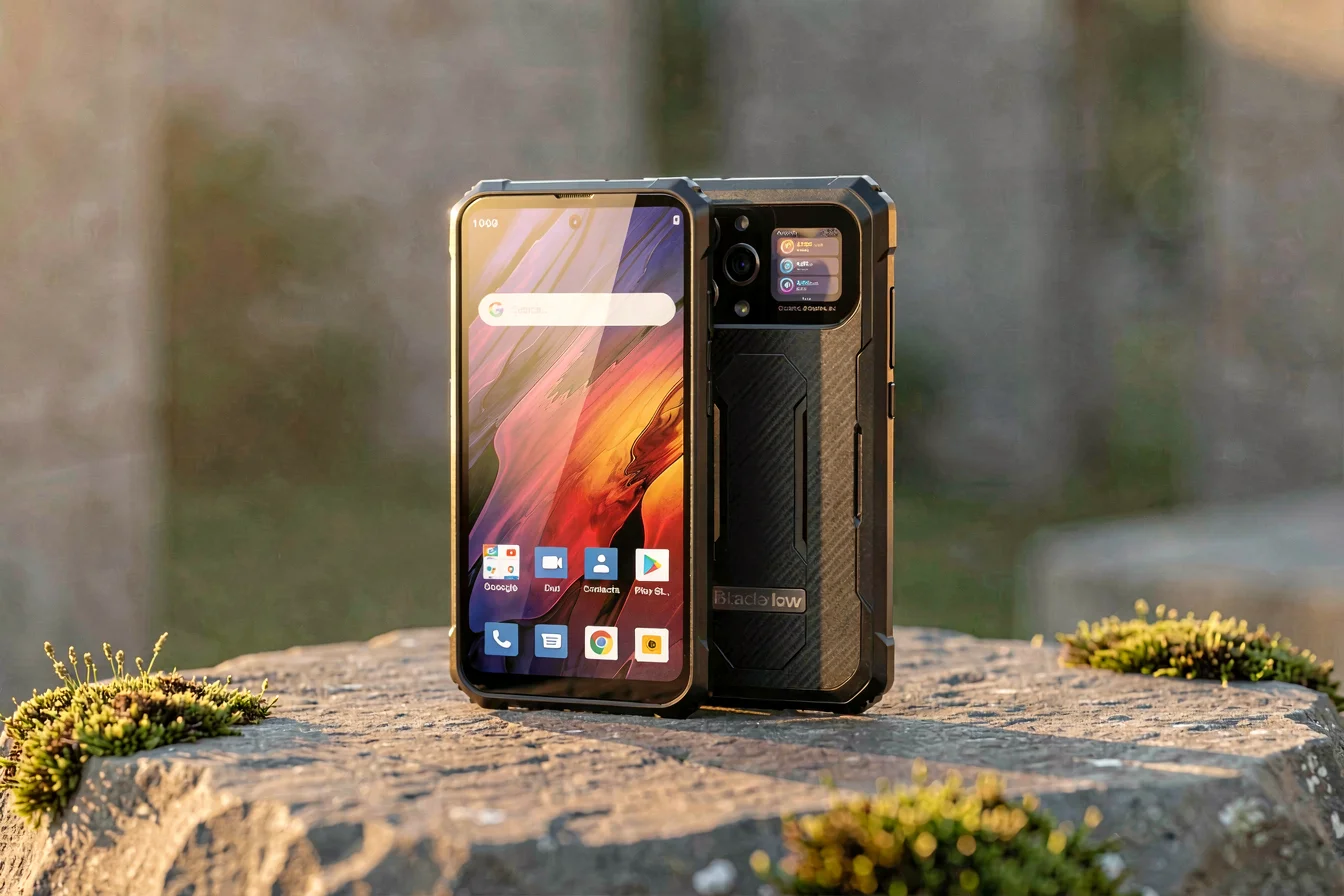
Durability is a key procurement consideration: the huawei y6 2025 features a non-removable, larger battery (3000–4000 mAh), improved build materials, and modernized software, resulting in a longer lifespan and reduced need for repairs. The previous generation’s removable battery and older hardware make it more prone to wear and app compatibility issues, but its simplicity can still serve basic needs for several years[2][3][4][5][6][7].
Application scenarios: The 2025 model excels in multitasking, app performance, digital payments, and modern connectivity. The older Y6 suits entry-level users, digital detox, and minimalistic tasks such as messaging, music playback, and basic web browsing. Real-world use cases highlight the 2025 model’s suitability for small business operations, field workers, and students requiring reliable performance, while the previous generation is best for backup devices or secondary use.
Long-term cost outlook: The 2025 model commands a higher initial price ($130–$170), but offers lower maintenance and replacement costs due to improved battery life and reduced app failures. The previous generation ($90–$130) incurs higher maintenance and more frequent upgrades, especially as apps demand more resources. Hidden costs include battery replacements, software obsolescence, and reduced resale value for older models.
| Cost Factor | Huawei Y6 2025 | Huawei Y6 Previous Generation |
|---|---|---|
| Initial Purchase Price | $130–$170 | $90–$130 |
| Battery Replacement Frequency | Every 2–3 years | Every 1–2 years |
| Software Support | Android 10/11, HarmonyOS | Android 5.1, EMUI 3.1 |
| App Compatibility | Modern apps, Google Play | Basic apps, limited support |
| Resale Value (5 Years) | Moderate | Low |
The 2025 variant delivers lower long-term costs and higher durability, making it the optimal procurement choice for most buyers.
The huawei y6 2025 and previous generation address distinct user scenarios, with the former dominating in modern B2B and B2C environments. The urgency of selection is driven by the rapid evolution of app requirements, battery technology, and connectivity standards. Market trend data shows urbanization, multi-generational living, and e-commerce growth fueling demand for reliable, future-proof devices[1].
The 2025 model excels in modern business and lifestyle scenarios, while the previous generation remains relevant for budget and backup use.
Google Trends data reveals a clear shift toward huawei y6 2025 search interest, peaking in late 2025 and early 2026, while previous generation models show declining search volume[1]. This aligns with market momentum and procurement logic favoring newer variants. Actionable business recommendation: buyers should prioritize procurement of the 2025 model to capture market demand and avoid obsolescence risks.
Search Interest over Time
Procurement strategies should focus on the 2025 variant to capture rising market demand and avoid obsolescence risks.
Reddit and social media data show that huawei y6 2019 and previous generation models are still in use for basic tasks, but highlight performance limitations and app compatibility issues. Case studies reveal contrasting buyer personas: one user transformed a Y6 2019 into a “smart dumphone,” praising its digital detox benefits and app versatility, but noting slow performance with demanding apps. Another case study from a Huawei subreddit highlights the enduring appeal of older models for backup and secondary use, but notes declining battery life and app compatibility.
Quotes from Reddit:
“It has been my main phone for almost 6 years… works fine for almost all my needs (digital payments, Whatsapp, MP3 player, etc.) which is a great advantage over old/more conventional dumbphones. Is slow as hell with more demanding apps, but it works fine for almost all my needs.”
“I found my y6 prime 2019… did a factory reset on it own… Is there any way to open it?”
Sentiment overview table:
| Dimension | Huawei Y6 2025 | Huawei Y6 Previous Generation |
|---|---|---|
| Overall Satisfaction | High (future-proof, modern apps) | Moderate (basic tasks, slow apps) |
| Most Praised Feature | Battery life, app compatibility | Digital detox, simplicity |
| Most Common Complaint | None reported (not yet released) | Slow performance, app compatibility |
| Community Recommendation Rate | High (for modern use) | Low (for basic use only) |
Viral content themes include digital detox, app versatility, and nostalgia for older models. Recurring debate points focus on battery longevity, app compatibility, and the trade-off between cost and performance. Cultural reception is positive for the 2025 variant, with strong community support for modernization, while previous generation models are viewed as nostalgic but outdated.
Community sentiment favors the 2025 variant for modern use, while previous generation models are valued for digital detox and nostalgia.
Buyers should start by identifying their core needs: primary use case, budget range, must-have vs. nice-to-have features, expected lifespan, and desired app compatibility. Key questions include:
Tiered recommendations:
| Tier | Recommended Product | Key Reason |
|---|---|---|
| Budget-Friendly | Huawei Y6 Previous Generation | Low price, basic tasks |
| Mid-Range | Huawei Y6 2025 | Modern apps, improved battery |
| Premium | Huawei Y6 2025 | Future-proof, advanced features |
Optimization tips:
Buyers should prioritize the 2025 variant for modern needs, budget-friendly for basic use, and avoid outdated models for future-proofing.
Synthesizing insights: The huawei y6 2025 delivers superior durability, modern performance, and long-term value, making it the optimal procurement choice for most buyers. The previous generation remains viable for entry-level, backup, or digital detox use. Market momentum, community sentiment, and technical data all support the shift toward newer models. Forward-looking trend recommendation: buyers should focus on the 2025 variant for the next 6–12 months to capture rising demand and avoid obsolescence risks. Emotional call-to-action: buyers are encouraged to share their experiences and commercial buyers to leverage Alibaba.com for wholesale procurement, ensuring supply-chain resilience and optimized sourcing.
Upgrade to the Huawei Y6 2025 for modern performance and long-term value; share your experience and source bulk units via Alibaba.com for optimal procurement.