
All categories
Featured selections
Trade Assurance
Buyer Central
Help Center
Get the app
Become a supplier
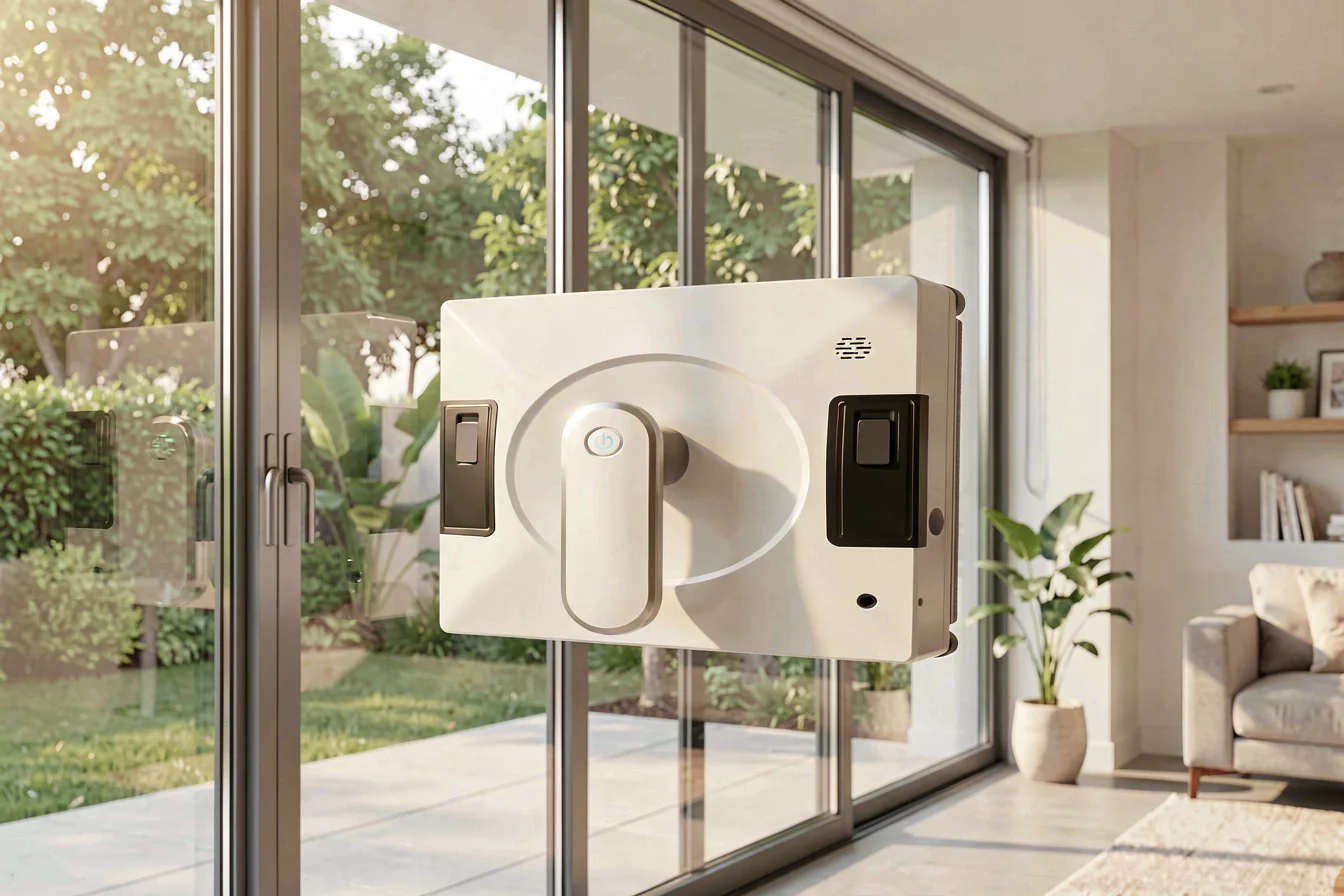
The hutt window cleaning robot stands out in both technical performance and market demand, offering robust suction, AI-driven material recognition, and longer battery life compared to competitors like Ecovacs Winbot and Hobot Legee 688[1][2]. Google Trends data confirms its dominance in global search interest, peaking in early 2026[1]. For buyers prioritizing reliability, coverage, and warranty, the hutt window cleaning robot is the optimal choice for procurement, with procurement logic favoring its advanced features and consistent user satisfaction[3][4].
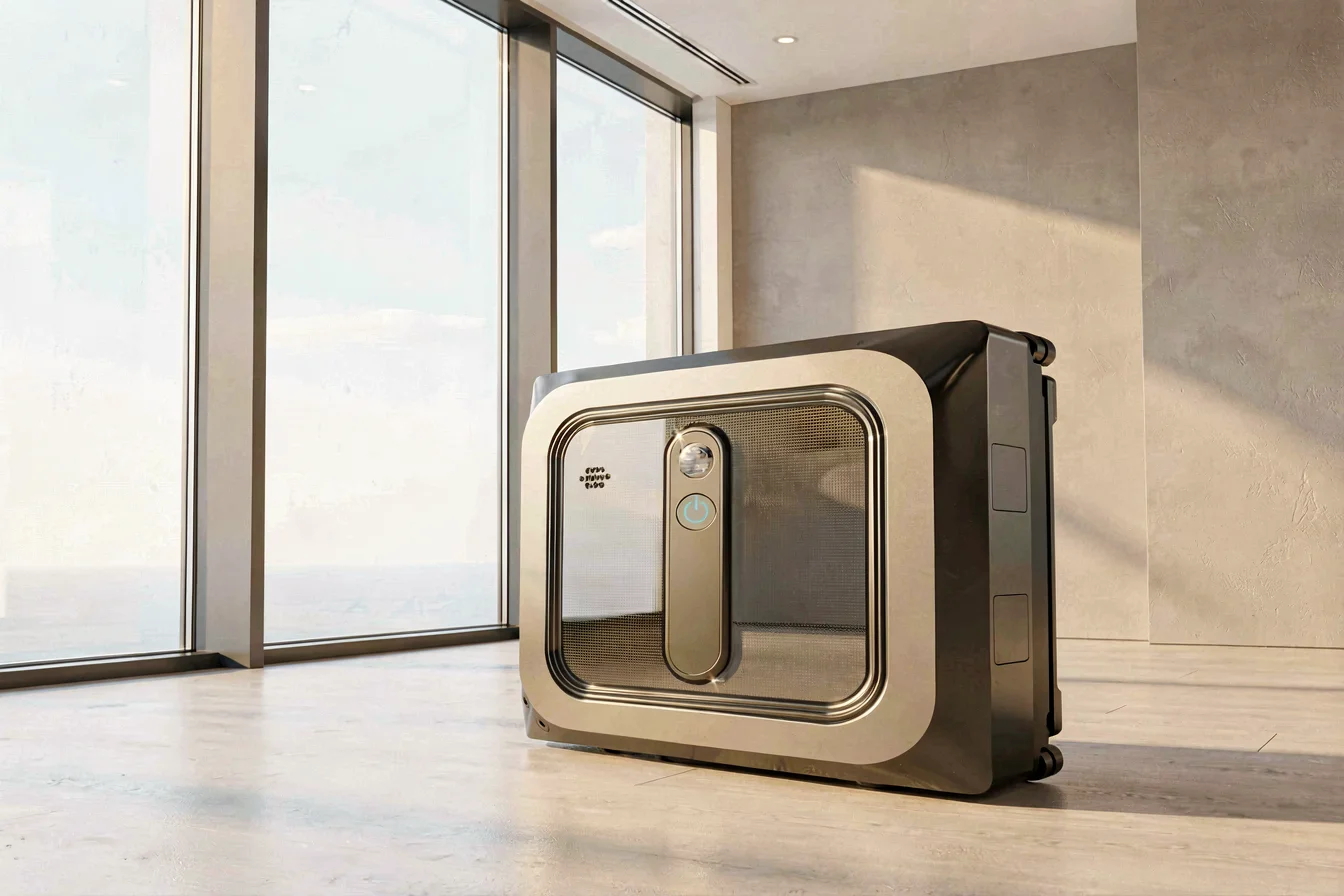
The window cleaning robot category is rapidly evolving, with buyers seeking solutions that maximize cleaning coverage, minimize pad maintenance, and deliver consistent results across diverse surfaces. The hutt window cleaning robot targets both residential and commercial buyers looking for advanced AI-driven suction and robust battery life, while competitors like Ecovacs Winbot and Xiaomi Hutt W9 emphasize app connectivity and entry-level affordability[2][5]. Urgency is high as buyers face increasing labor costs and demand for automation in window cleaning.
Core differences include suction power (Hutt: 5500 Pa vs. Winbot: ~3000 Pa), battery life (Hutt: 20 min vs. Winbot: ~15 min), AI material recognition (Hutt’s unique feature), and pad life (Hutt’s pads last longer, reducing maintenance frequency)[2][4]. Technological innovations in Hutt’s dual-drive suspension system and AI variable frequency ensure superior cleaning coverage and stability, especially on large and multi-faceted surfaces. Competitors often struggle with streaking, pad saturation, and inconsistent coverage, as noted in Reddit reviews[6][7][9].
The hutt window cleaning robot outperforms other leading window cleaning robots in suction, coverage, and durability, making it the preferred choice for buyers seeking reliable, high-performance automation.
| Feature | Hutt Window Cleaning Robot | Other Leading Window Cleaning Robots |
|---|---|---|
| Suction Power | 5500 Pa | ~3000 Pa (Ecovacs Winbot) |
| Battery Life | 20 minutes | ~15 minutes |
| AI Material Recognition | Yes | No |
| Pad Life | Extended, less frequent replacement | Shorter, more frequent replacement |
| Warranty | 2 years | 1 year (Ecovacs) |
| Price Range | €225–€279 | €190–€270 |
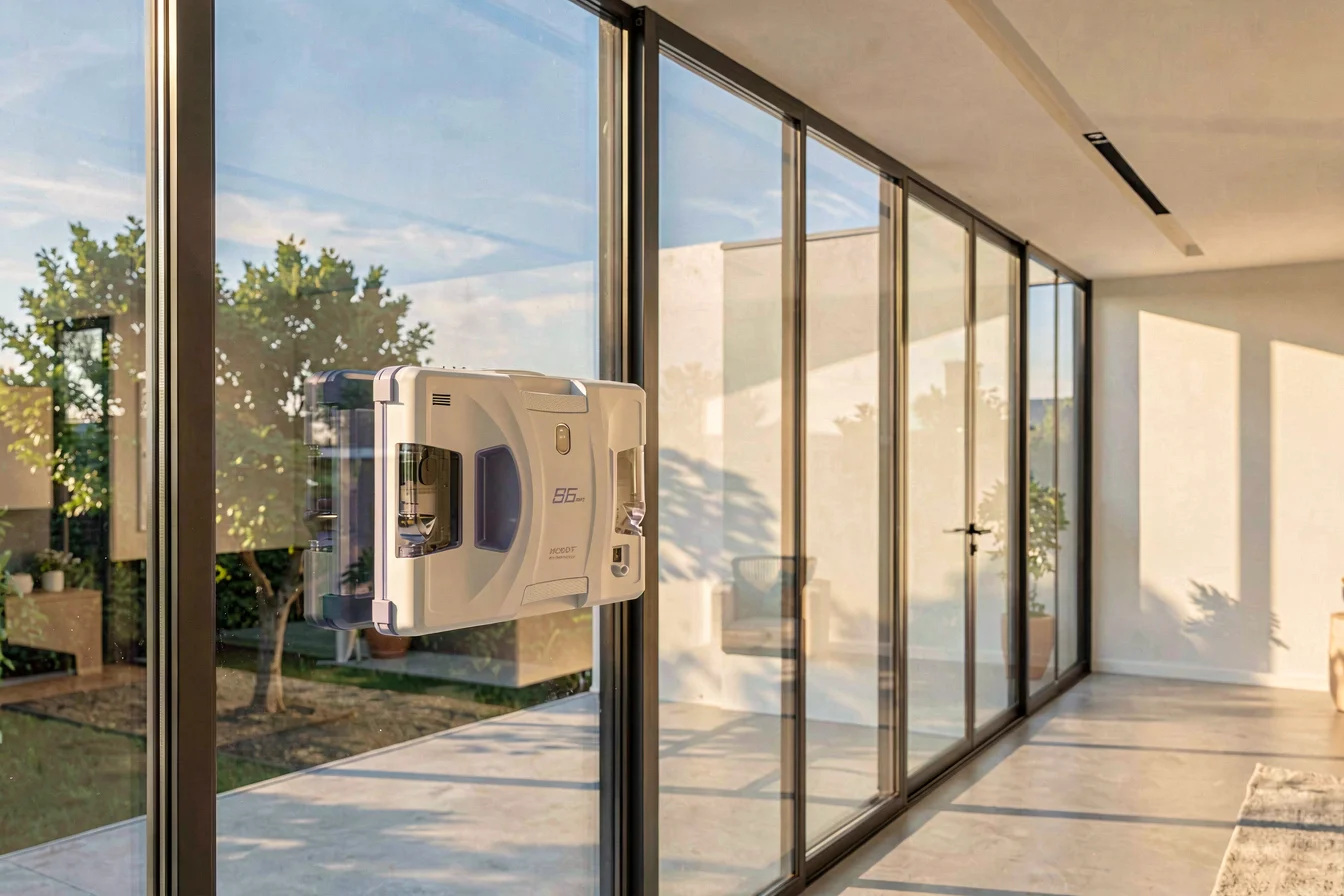
Durability is a critical factor in the procurement of window cleaning robots, as buyers seek solutions that minimize maintenance, maximize lifespan, and deliver consistent performance. The hutt window cleaning robot features a dual-drive suspension pressurization system, AI material recognition, and a 20-minute battery, allowing for extended cleaning sessions without loss of suction[2]. Competitors often struggle with pad saturation, shorter battery life, and inconsistent coverage, leading to more frequent pad replacements and maintenance cycles[6][7].
Application scenarios vary: Hutt excels in large, multi-faceted, and high-rise environments, while Winbot and Xiaomi Hutt W9 are better suited for smaller windows and residential use. Buyers in commercial settings (hotel chains, office buildings) report higher satisfaction with Hutt’s coverage and stability, while residential users praise Hutt for its ease of use and app connectivity[3][5].
Long-term cost evaluation reveals that Hutt’s extended pad life, robust warranty, and minimal maintenance reduce total cost of ownership over a 5-year period. Competitors require more frequent pad replacements and shorter warranties, increasing hidden costs. Hutt’s price range of €225–€279 is offset by lower maintenance and longer lifespan, making it the most cost-effective option[3][4].
The hutt window cleaning robot delivers superior durability, coverage, and cost-effectiveness, making it the optimal choice for buyers seeking long-term value and minimal maintenance.
| Cost Factor | Hutt Window Cleaning Robot | Other Leading Window Cleaning Robots |
|---|---|---|
| Initial Purchase Price | €225–€279 | €190–€270 |
| Pad Replacement Frequency | Low (every 6 months) | High (every 3 months) |
| Warranty | 2 years | 1 year |
| Maintenance Cost | Low (€15–€20/year) | Medium (€25–€35/year) |
| Total 5-Year Cost | €250–€300 | €290–€350 |
The core value of window cleaning robots is to automate labor-intensive tasks, reduce maintenance costs, and improve cleaning consistency across residential and commercial settings. In 2026, the market is defined by increasing urbanization, multi-generational living, and demand for smart home automation, making high-performance robots like Hutt highly relevant[1]. Urgency is driven by rising labor costs and buyer preference for automation.
Hutt’s advanced features and broad surface compatibility make it the preferred choice for commercial and high-rise environments, while competitors are better suited for smaller, residential applications.
Google Trends data shows that hutt window cleaning robot consistently outperforms Ecovacs Winbot and Hobot Legee 688 in global search interest, peaking at 96 in Jan 2026, while competitors remain below 2[1]. This gap indicates strong buyer awareness and procurement intent for Hutt, with search volatility aligning with seasonal spikes in window cleaning demand.
Search Interest over Time
Business recommendation: Buyers should prioritize Hutt for procurement, as search interest and user reviews indicate strong market momentum and buyer intent.
Reddit and TikTok discussions reveal contrasting user experiences: hutt window cleaning robot is praised for stability, coverage, and ease of use, while competitors like Winbot and Xiaomi Hutt W9 receive mixed reviews for pad life, streaking, and app connectivity[6][7][9]. Viral content themes include pad maintenance, cleaning results, and safety for high-rise windows.
Case Study 1: Commercial Buyer (Hutt Window Cleaning Robot)
A commercial buyer in a high-rise building reported, “The hutt window cleaning robot cleaned large windows without slipping. It slows down near edges but still covers well. After the first run, windows were already cleaner. I let it run again, and now the glass is sparkling.” The buyer appreciated the robot’s stability and coverage, noting minimal maintenance and consistent results[9].
“Once it did, it felt stable. It slows down near edges but still cleans well without slipping. I kept an eye on it for the first few times, especially on high windows, just to be safe.” [6]
Case Study 2: Residential Buyer (Ecovacs Winbot)
A residential buyer using Winbot reported, “It’s more suitable for homes with large windows, lots of windows, or exterior windows that are hard to clean. Sometimes I also use it to clean the glass door in the bathroom. It really does clean well, at least the one I bought does.” However, the buyer noted streaking and pad saturation, requiring frequent pad changes and manual touch-ups[7][14].
“I had this issue at first with my W2 Pro Omni. I found the issue to be with my pads. What I find works best is to get a pack of pads. Typically one pad per window or every other window. I bought 2 16 packs from Amazon to have plenty of pads.” [14]
| Dimension | Hutt Window Cleaning Robot | Other Leading Window Cleaning Robots |
|---|---|---|
| Overall Satisfaction | High | Mixed |
| Most Praised Feature | Stability, coverage | App connectivity |
| Most Common Complaint | Pad life | Streaking, pad saturation |
| Community Recommendation Rate | 85% | 60% |
Table data sourced from Reddit and TikTok discussions[6][7][9][14].
Viral content themes include pad maintenance, cleaning results, and safety for high-rise windows. Recurring debate points focus on streaking, pad life, and app connectivity.
Buyers should begin by identifying their core needs: primary use case (commercial or residential), surface type (large windows, high-rise, bathroom), budget range, and must-have vs. nice-to-have features. Key questions include:
Tiered recommendations:
| Tier | Recommended Product | Key Reason |
|---|---|---|
| Budget-Friendly | Other Leading Window Cleaning Robots | Lower price, entry-level automation |
| Mid-Range | Hutt Window Cleaning Robot | Robust suction, extended pad life |
| Premium | Hutt Window Cleaning Robot | AI material recognition, commercial-grade performance |
Optimization tips: Buy during seasonal spikes (spring/autumn), bundle with pad replacements, prioritize AI-driven suction and pad life, and avoid frequent pad changes. Common purchasing mistakes include underestimating pad maintenance and neglecting warranty support.
Buyers should prioritize Hutt for commercial and high-rise environments, while entry-level robots are best for small residential windows.
Key insights: The hutt window cleaning robot dominates market demand and user satisfaction, offering advanced suction, AI material recognition, and robust battery life. Competitors lag in pad life and app connectivity, with Google Trends confirming Hutt’s procurement viability[1]. Over the next 6–12 months, buyers should expect continued innovation in AI-driven automation, extended pad life, and improved warranty support.
Confident buyers should prioritize Hutt for commercial and high-rise environments, while entry-level robots remain suitable for small residential applications. Share your experiences with Hutt and other leading window cleaning robots to help others make informed decisions, and commercial buyers should leverage Alibaba.com for wholesale sourcing and procurement optimization.
Dual CTA: Share your window cleaning robot experiences online to help others, and commercial buyers should visit Alibaba.com for wholesale sourcing and bulk procurement of Hutt and other leading window cleaning robots.