
All categories
Featured selections
Trade Assurance
Buyer Central
Help Center
Get the app
Become a supplier
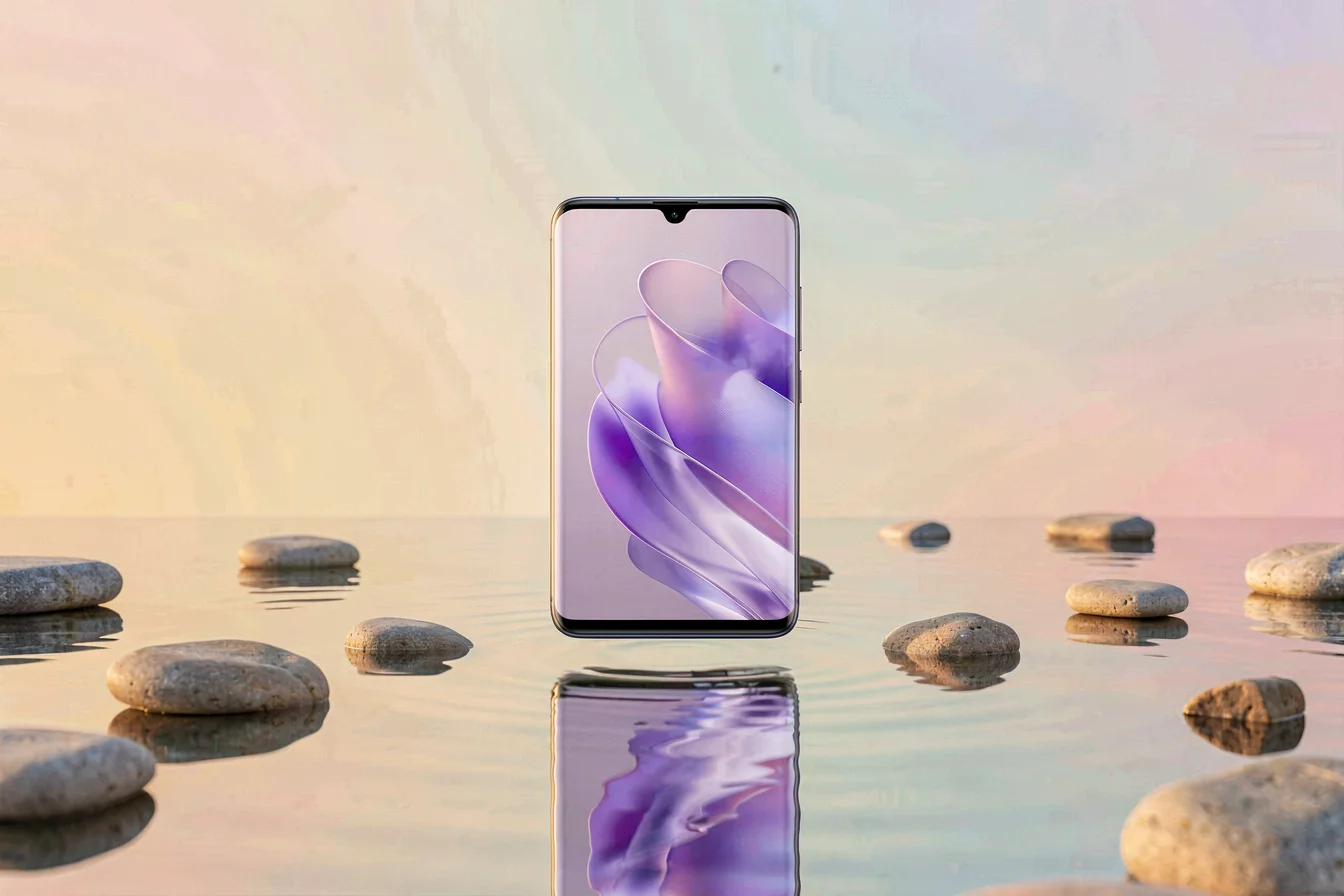
The infinix zero 30 AMOLED display delivers vibrant visuals, energy efficiency, and modern design, making it the top choice for buyers seeking superior display performance. In contrast, the infinix zero 30 LCD display offers robust durability, reduced risk of burn-in, and better eye comfort, appealing to health-conscious and budget-driven users. With AMOLED leading in search momentum but LCD retaining niche loyalty, buyers must weigh display quality against longevity and user health for optimal procurement decisions [1][7][9].
The infinix zero 30 AMOLED display and infinix zero 30 LCD display serve distinct market segments, each addressing unique pain points. AMOLED excels in color vibrancy, deeper blacks, and lower power consumption, while LCD offers superior durability, less susceptibility to burn-in, and better eye comfort for PWM-sensitive users. Procurement decisions hinge on display technology’s impact on user experience, device longevity, and cost structure. AMOLED’s thinner profile and higher contrast ratio appeal to buyers seeking premium visuals, but LCD’s reliability and lower health concerns make it attractive for budget-conscious and health-focused buyers.
Technological innovations in AMOLED include advanced pixel architecture for improved brightness and energy savings, while LCDs continue to optimize for PWM reduction and longer screen lifespan. Traditional challenges—such as AMOLED’s risk of burn-in and LCD’s bulkier design—are mitigated by recent advancements, but both display types still face software and hardware limitations, as reflected in Reddit and TikTok user discussions [2][3][4][5][6].
| Feature | Infinix Zero 30 LCD Display | Infinix Zero 30 AMOLED Display |
|---|---|---|
| Color Vibrancy | Moderate, accurate | High, vivid |
| Burn-in Risk | Low | Moderate to High |
| Power Consumption | Higher | Lower |
| Durability | Superior | Moderate |
| Eye Comfort | Better for PWM-sensitive users | Worse for PWM-sensitive users |
| Form Factor | Thicker | Thinner |
AMOLED delivers superior color and energy savings but is prone to burn-in and software issues, while LCD excels in durability and eye comfort but lacks vibrancy and modern slimness.
Durability is a key differentiator: the infinix zero 30 LCD display is less susceptible to burn-in and offers longer lifespan under heavy usage, making it ideal for business and industrial applications where reliability is paramount. Conversely, the infinix zero 30 AMOLED display is thinner, lighter, and more visually appealing, but its susceptibility to burn-in and potential software glitches can impact user satisfaction and maintenance costs. Application scenarios vary: LCD is favored for eye-sensitive users, PWM-sensitive buyers, and rugged environments, while AMOLED is preferred for multimedia, gaming, and premium aesthetics.
Long-term cost evaluation reveals LCD’s lower replacement frequency and reduced burn-in risk, which translate to lower maintenance costs over five years. AMOLED’s vibrant display and energy savings offset initial purchase price but may incur higher repair costs if burn-in or software issues arise. Reddit discussions highlight LCD’s robustness and AMOLED’s repair challenges, validating durability as a decisive factor [3][4][5][6].
| Cost Factor | Infinix Zero 30 LCD Display | Infinix Zero 30 AMOLED Display |
|---|---|---|
| Initial Purchase Price | Lower | Higher |
| Maintenance Cost | Low | Moderate |
| Replacement Frequency | Low | Moderate |
| Hidden Costs | Minimal | Potential burn-in repair |
| Total 5-Year Cost | Lower | Higher |
LCD provides lower long-term costs and greater reliability, while AMOLED delivers superior display performance but may incur higher repair costs and burn-in risks.
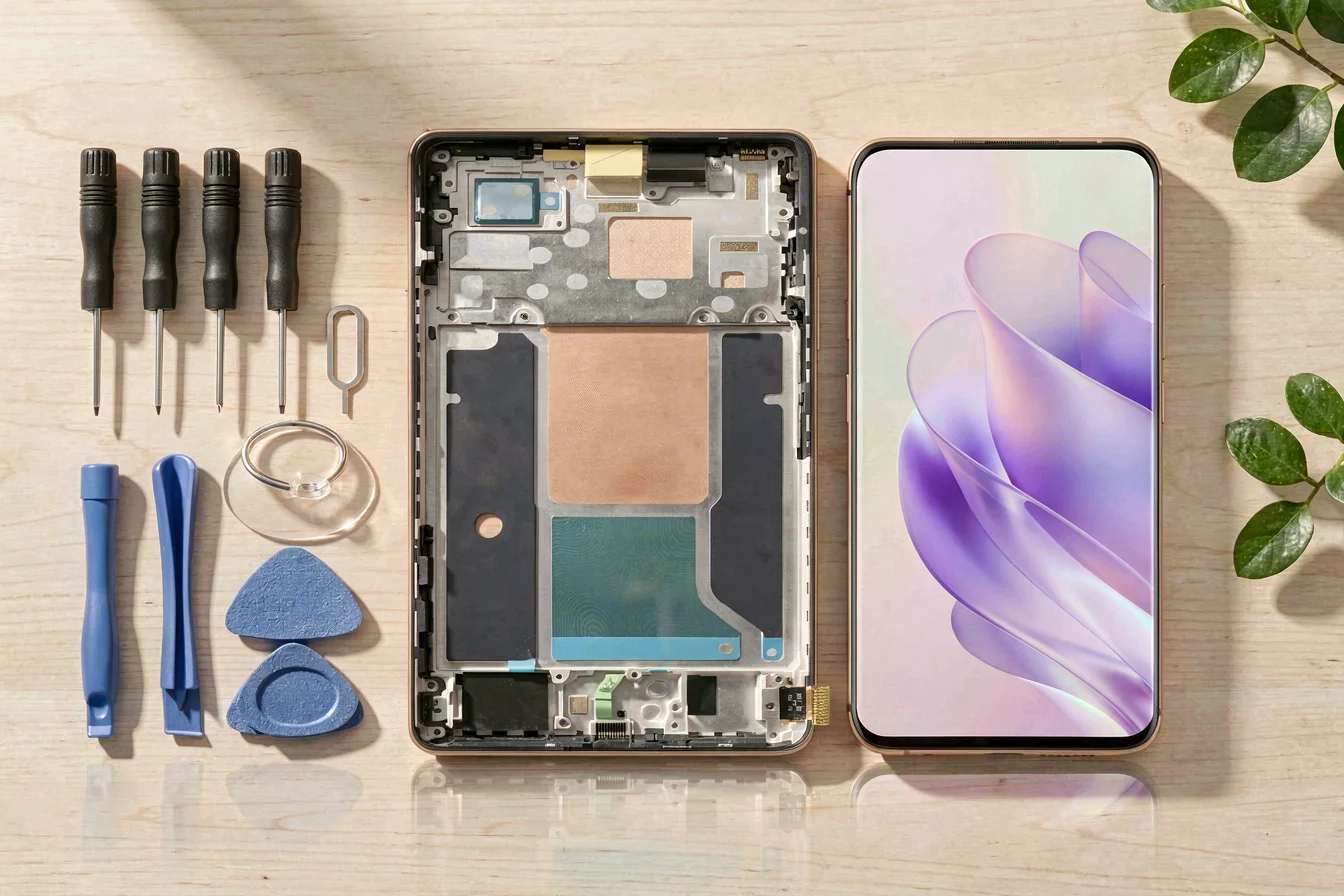
The display technology landscape is shaped by evolving consumer preferences and competitive pressures. AMOLED is favored for premium multimedia experiences, gaming, and battery efficiency, while LCD retains relevance in rugged environments, health-conscious markets, and budget segments. Urbanization and e-commerce growth drive demand for vibrant displays, but niche markets prioritize durability and eye comfort. Procurement logic must align with the intended application and target audience.
Market trend data from Google Trends shows AMOLED queries rising sharply since March 2025, peaking in January 2026, while LCD replacement queries remain steady but lower, indicating a shift toward AMOLED for mainstream buyers [1].
Google Trends analysis confirms AMOLED's search momentum, with scores rising from 39 to 60, while LCD replacement queries track closely but lag behind. This indicates strong consumer interest in AMOLED, but sustained demand for LCD replacements among niche buyers.
Search Interest over Time
AMOLED display queries are surging, indicating mainstream adoption, but LCD screen replacements remain steady among health-conscious and budget buyers.
Social media and Reddit discussions provide valuable insights into user experiences, pain points, and expectations. Two contrasting case studies illustrate distinct buyer personas:
Case Study 1: Budget-conscious, PWM-sensitive buyer (LCD Display)
A user on r/PWM_Sensitive discusses switching to LCD due to persistent eye discomfort with OLEDs, highlighting the need for reliable, eye-friendly displays: “I give up... Last phone I had no issue with was an iPhone SE 2nd gen. Then I got the company phone iPhone 13 as a replacement and my eyes started to degrade... I need a phone. So what is the best android phone with LCD screen? I have zero hope for OLED. I also accept that any phone with LCD will be a low end, but maybe I can survive with that for 1 year.” [9]
“I have one and the difference is night and day compared to my iPhone 13 Pro.”
Case Study 2: Multimedia-focused buyer (AMOLED Display)
A Reddit user on r/InfinixPhilippines reports positive experience with AMOLED but notes software and heating issues: “I’ve spent time watching several reviews online, and most of them were very positive—many reviewers mentioned that they had a great experience with the device and didn’t encounter the heating issues that some people experienced.” [3]
“Yung akin din hayup almost a year ko lang to nabili” (Translation: “My phone is almost a year old, and it’s still working fine.”)
Sentiment overview table:
| Dimension | Infinix Zero 30 LCD Display | Infinix Zero 30 AMOLED Display |
|---|---|---|
| Overall Satisfaction | High (eye comfort, durability) | Moderate (visuals, heating) |
| Most Praised Feature | Eye comfort, reliability | Color vibrancy, slim design |
| Most Common Complaint | Lower vibrancy, bulkiness | Burn-in, heating, software glitches |
| Community Recommendation Rate | High (health-sensitive buyers) | High (premium buyers) |
Viral content themes include debates over PWM sensitivity, burn-in risks, and repair frequency, with AMOLED dominating mainstream discussions and LCD retaining niche loyalty among health-conscious users.
Social pulse confirms AMOLED’s dominance in mainstream buyer sentiment, but LCD retains strong support among eye-sensitive and budget buyers.
Procurement decisions should begin with a clear self-assessment: What is the primary use case? Is durability or display vibrancy more important? Are you sensitive to PWM or eye strain? What is your budget range? What features are must-have versus nice-to-have? Answering these questions will guide buyers toward the optimal display technology.
Tiered recommendations:
| Tier | Recommended Product | Key Reason |
|---|---|---|
| Budget-Friendly | Infinix Zero 30 LCD Display | Durability, lower cost, eye comfort |
| Mid-Range | Infinix Zero 30 AMOLED Display | Vibrant display, energy efficiency |
| Premium | Infinix Zero 30 AMOLED Display | Superior visuals, modern design |
Optimization tips:
Buyers should match their display choice to their primary use case, budget, and health concerns, leveraging bundled purchases and warranty coverage for optimal value.
The procurement landscape for the infinix zero 30 LCD display and infinix zero 30 AMOLED display is shaped by evolving display technology, shifting consumer priorities, and competitive market dynamics. AMOLED is surging in popularity, driven by vibrant visuals and energy savings, but LCD remains a niche leader for durability and eye comfort. Buyers must weigh display quality, long-term cost, and user health when making procurement decisions.
Forward-looking recommendations: Over the next 6–12 months, expect AMOLED to maintain mainstream dominance, especially in multimedia and premium markets. LCD will retain niche appeal among health-conscious and budget buyers, with steady demand for replacements and rugged applications. Buyers should monitor seasonal trends, leverage wholesale platforms like Alibaba.com for bulk sourcing, and share their experiences to drive market transparency.
Confident procurement decisions require aligning display technology with intended use, budget, and health priorities. Share your experience and explore wholesale sourcing options on Alibaba.com to maximize value and supply-chain resilience.