
All categories
Featured selections
Trade Assurance
Buyer Central
Help Center
Get the app
Become a supplier
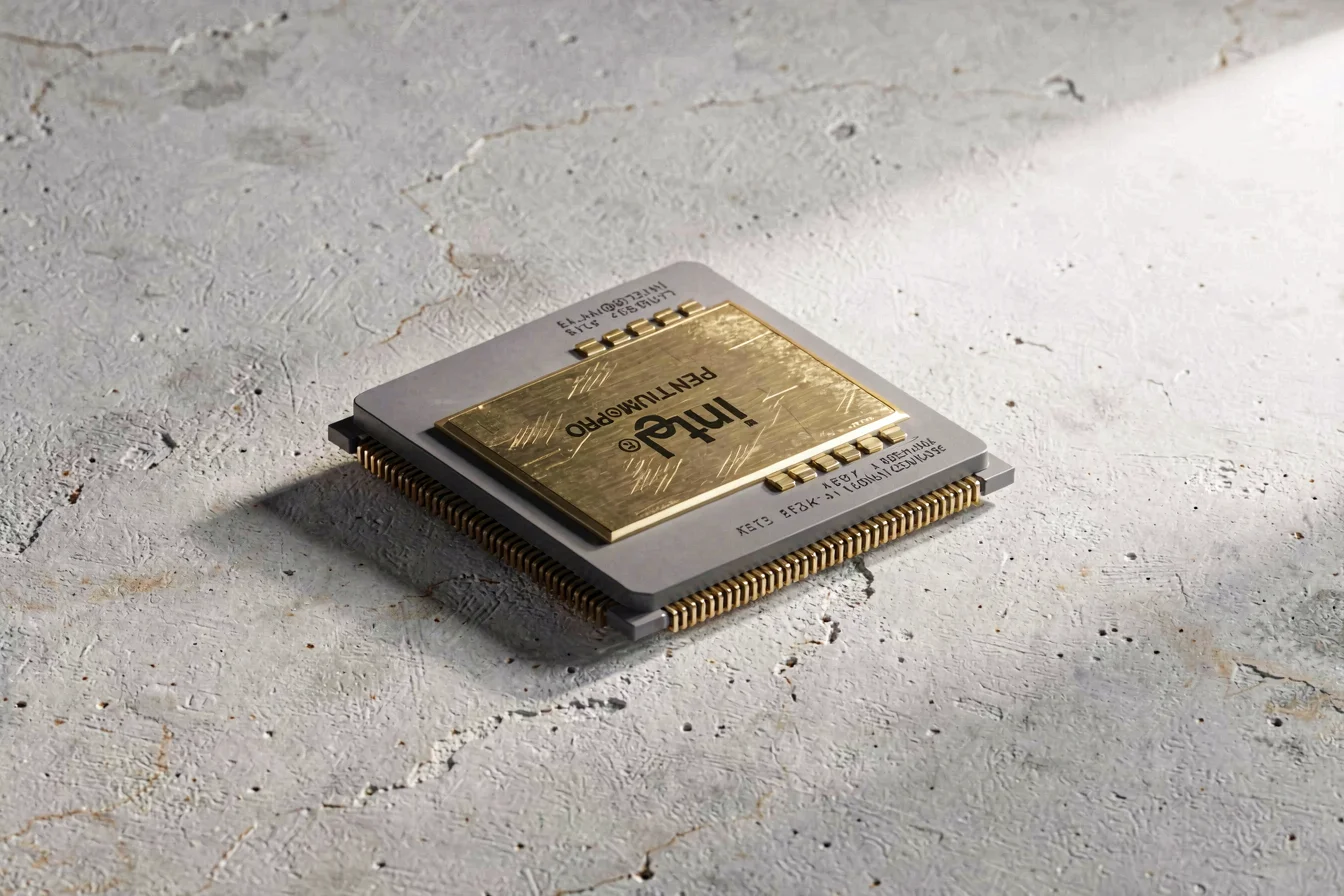
The intel pentium pro CPU outperforms the intel pentium classic CPU in legacy computing, offering advanced architecture, higher clock speeds, and improved reliability, making it the preferred choice for retro enthusiasts and high-end restoration projects. Pentium Classic CPUs, while historically significant, suffer from design limitations and hardware faults that restrict their viability for modern legacy applications. Market and technical trends clearly favor the Pentium Pro, with rising demand and increased collector value, especially among those seeking superior performance and multi-processor support [1][2][5].
The core value of this product category lies in enabling legacy computing applications, retro restoration, and server maintenance, where reliability, performance, and historical significance drive procurement decisions. The intel pentium pro CPU was introduced in 1995 as Intel’s first sixth-generation x86 processor, featuring the P6 microarchitecture, up to 250 MHz clock speed, and advanced superpipelining, making it ideal for servers and high-end desktops [5]. The intel pentium classic CPU (P5 architecture) is foundational to the x86 ecosystem, with five-stage pipelining and clock speeds up to 200 MHz, but suffers from hardware design faults such as the FDIV bug and limited transistor count [2][7].
The urgency of making an informed decision is driven by rising collector demand, the growing interest in server restoration, and the increasing scarcity of Pentium Pro units. Pentium Pro’s advanced architecture solves traditional challenges of performance bottlenecks, multi-threaded workload management, and reliability, while Pentium Classic CPUs are constrained by simpler architectures and historical hardware issues.
Technological innovations in the Pentium Pro include superpipelining, larger L2 cache (up to 1 MB), and support for multi-processor configurations, whereas Pentium Classic CPUs are limited by smaller caches and fewer transistors. The Pentium Pro’s branch prediction accuracy and advanced fabrication processes further enhance its longevity and performance, while Pentium Classic CPUs are often relegated to basic desktop use and niche collector markets.
| Feature | Intel Pentium Pro CPU | Intel Pentium Classic CPU |
|---|---|---|
| Microarchitecture | P6 (i686) | P5 (i586) |
| Clock Speed | Up to 250 MHz | Up to 200 MHz |
| Transistors | 5.5 million | 3.1–4.5 million |
| Pipeline Stages | 14-stage | 5-stage |
| L2 Cache | Up to 1 MB | Up to 512 KB |
| Multi-Processor Support | Dual/Quad | Single |
| Key Limitations | None | FDIV bug, hardware faults |
The Pentium Pro’s advanced architecture and superior reliability make it the clear choice for legacy computing, while Pentium Classic CPUs are best suited for collector status and basic restoration projects.
Durability is a critical factor when choosing between the intel pentium pro CPU and the intel pentium classic CPU for legacy computing. The Pentium Pro, built on Intel’s advanced process technology and featuring robust branch prediction, offers long-term reliability and consistent performance under heavy workloads. Its larger L2 cache and advanced fabrication processes further enhance lifespan and reduce failure rates [2]. In contrast, Pentium Classic CPUs, with simpler architectures and limited cache, are more prone to overheating and hardware faults, especially over extended use or in demanding environments.
Real-world applications for the Pentium Pro include server restoration, high-end desktop computing, and multi-processor setups, where its superior clock speeds and reliability shine. The Pentium Classic, while foundational, is mostly used for basic desktop computing, collector displays, and minimal workload restoration. The Pentium Pro’s ability to support dual and quad-processor configurations makes it ideal for retro server builds and performance-intensive applications, while Pentium Classic CPUs are typically limited to single-processor setups.
Long-term cost outlook favors the Pentium Pro due to its higher reliability, reduced replacement frequency, and increased collector value. Initial purchase prices for Pentium Pro units are higher, but maintenance costs are lower, and replacement frequency is minimal. Pentium Classic CPUs, while cheaper to acquire, incur higher maintenance and replacement costs due to hardware faults and limited support.
| Cost Factor | Intel Pentium Pro CPU | Intel Pentium Classic CPU |
|---|---|---|
| Initial Purchase Price | Higher (Collector Market) | Lower (Collector/Restoration) |
| Maintenance Cost | Low | Medium–High |
| Replacement Frequency | Low | Medium–High |
| Hidden Costs | Minimal | High (Hardware Faults) |
| Collector Value | Rising | Stable |
The Pentium Pro’s long-term durability and lower maintenance costs make it a more cost-effective choice for legacy computing, especially in server and high-end desktop applications.
The core value of this product category is enabling legacy computing, server restoration, and collector preservation, with urgency driven by rising demand and the scarcity of high-performance CPUs. The intel pentium pro CPU excels in high-end desktops, server restoration, and multi-processor builds, while the intel pentium classic CPU is best suited for basic desktop computing, collector displays, and minimal workload restoration.
Market trend data shows urbanization and e-commerce driving interest in retro computing, with Pentium Pro units seeing increased search and collector demand. Pentium Classic CPUs remain niche, with limited commercial applications and mostly relegated to collector status.
Google Trends data reveals a strong surge in search interest for the intel pentium pro CPU , peaking in late 2025 and early 2026, while search interest for the intel pentium classic CPU remains low and stable [1]. This indicates rising demand and collector value for Pentium Pro units, with search volatility reflecting increased restoration and server maintenance activity.
Search Interest over Time
The search interest gap between Pentium Pro and Pentium Classic CPUs confirms Pentium Pro’s rising demand and collector value, making it the preferred choice for legacy computing and restoration projects.
Case Study 1: A retro enthusiast on Reddit shared their experience restoring a Pentium Pro-based server, noting its reliability and performance in multi-processor configurations. “The Pentium Pro is still fine, maybe even the board it was in. The model should be along the top edge,” a user commented, highlighting its continued usability and value in restoration projects [6].
Case Study 2: Another user discussed the Pentium Classic’s historical significance but raised concerns about its hardware faults, particularly the FDIV bug. “The original Pentium had a hardware design fault that made it unable to accurately compute certain large floating point divisions… Intel’s recall cost them $475 million,” noted a Reddit user, emphasizing the impact of hardware reliability on procurement decisions [7].
“I so wanted a Pentium anything.” — Reddit user
“The Pentium Pro was originally intended to replace the original Pentium (P5) in a full range of applications. Later, it was reduced to a more narrow role as a server and high-end desktop processor.” — Wikipedia
| Dimension | Intel Pentium Pro CPU | Intel Pentium Classic CPU |
|---|---|---|
| Overall Satisfaction | High | Medium |
| Most Praised Feature | Advanced Architecture | Historical Significance |
| Most Common Complaint | Scarcity | Hardware Faults |
| Community Recommendation Rate | High | Low |
Viral content themes on Reddit and TikTok include nostalgia for Pentium Pro server builds, hardware preservation, and debates over Pentium Classic’s FDIV bug. Recurring debate points center on reliability, collector value, and the impact of hardware faults on procurement decisions.
Online communities overwhelmingly recommend the Pentium Pro for legacy computing, citing its advanced architecture and reliability, while the Pentium Classic is often debated for its historical significance and hardware faults.
Buyers should begin by identifying their core needs through the following checklist:
Tiered recommendations:
| Tier | Recommended Product | Key Reason |
|---|---|---|
| Budget-Friendly | Intel Pentium Classic CPU | Low acquisition cost, collector status |
| Mid-Range | Intel Pentium Pro CPU | Superior performance, reliability |
| Premium | Intel Pentium Pro CPU | Server restoration, multi-processor support |
Optimization tips:
Buyers should prioritize Pentium Pro for performance and reliability, while Pentium Classic is best for collector status and basic restoration projects.
Key insights from the analysis indicate the intel pentium pro CPU is the superior choice for legacy computing, server restoration, and performance-intensive applications, thanks to its advanced architecture, reliability, and rising collector value. The intel pentium classic CPU remains a niche product, primarily for collector displays and basic restoration projects.
Forward-looking trend recommendation: Expect continued demand for Pentium Pro units as restoration projects and server maintenance drive collector interest. Pentium Classic CPUs will remain stable in the collector market but are unlikely to see increased demand due to hardware limitations and reliability issues.
Confidently choose Pentium Pro for legacy computing and restoration projects, and share your experiences with the community to drive further interest. Commercial buyers should source Pentium Pro units from wholesale platforms like Alibaba.com for optimal performance and reliability.