
All categories
Featured selections
Trade Assurance
Buyer Central
Help Center
Get the app
Become a supplier
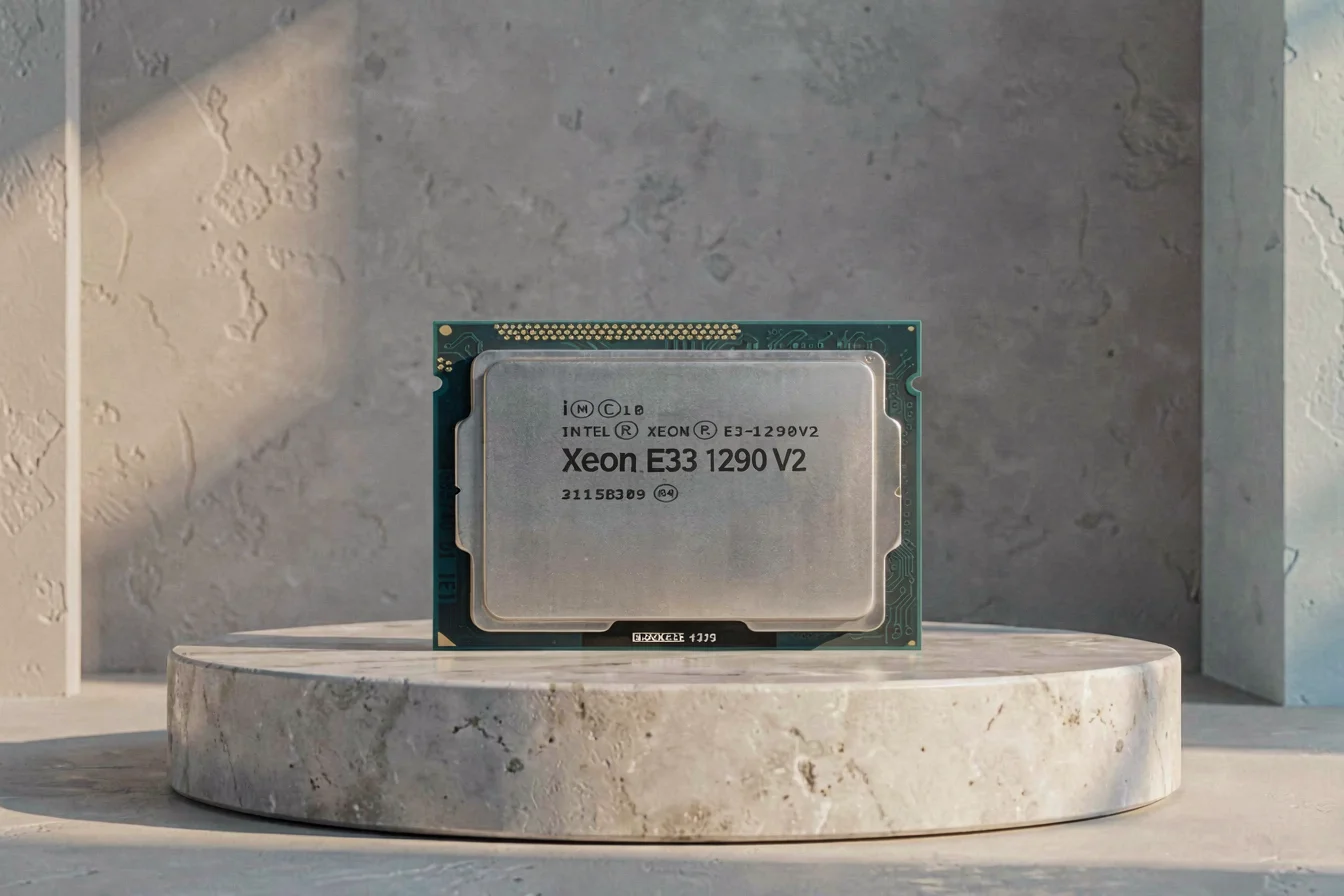
The intel xeon e3 1290 v2 offers reliable ECC memory support and strong single-threaded performance for legacy or budget-sensitive servers, but newer server-grade processors deliver superior multi-threaded performance, power efficiency, and cost-effectiveness for most modern workloads[2][3][6]. Buyers should weigh compatibility and legacy support against the need for scalability, virtualization, and future-proofing when choosing between the intel xeon e3 1290 v2 and newer alternatives. As market momentum shifts toward AMD EPYC and Ryzen, procurement decisions should prioritize long-term value and application fit.
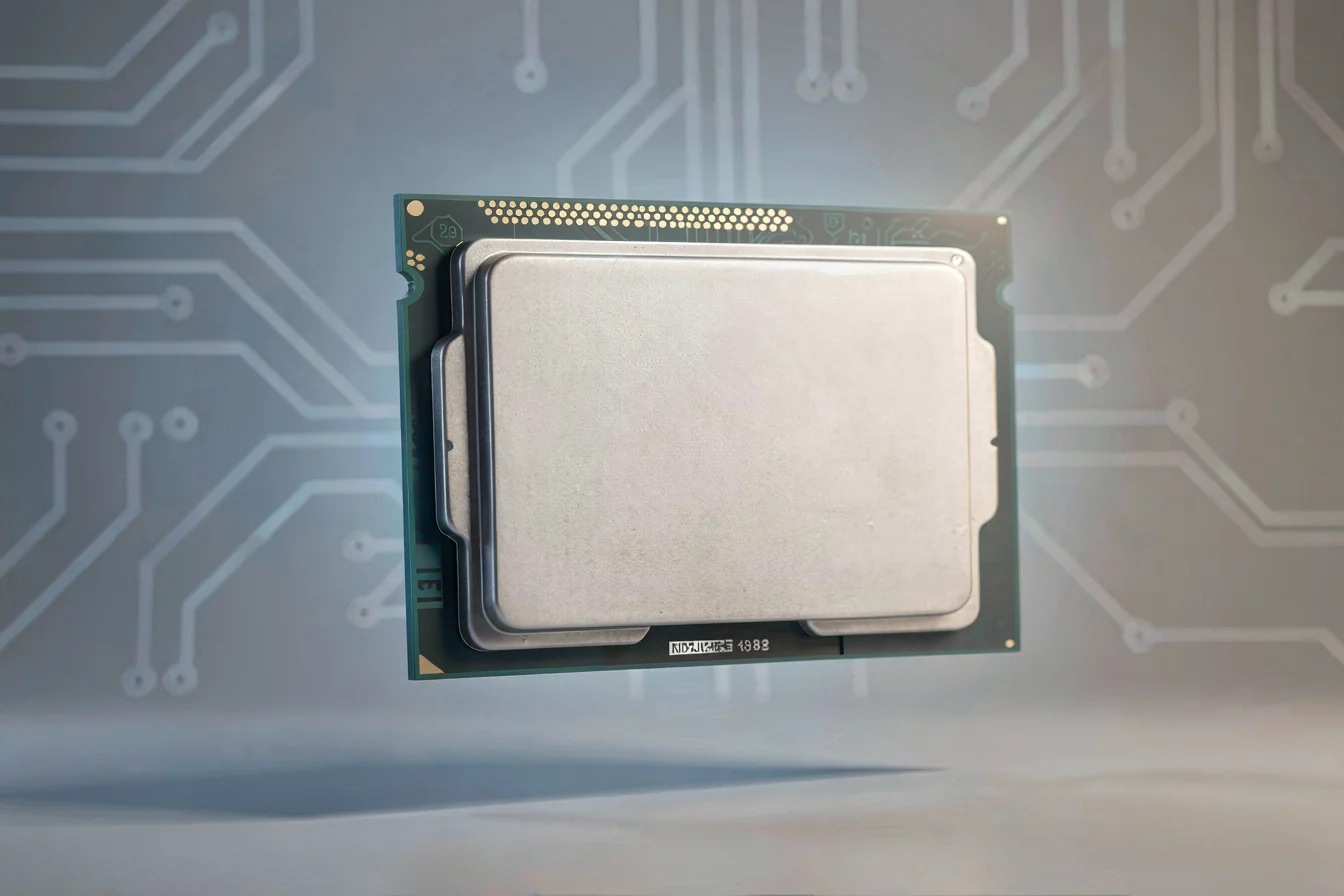
The intel xeon e3 1290 v2 is a legacy server processor launched in May 2012, offering 4 cores, 8 threads, a base clock of 3.7 GHz, and a max turbo of 4.1 GHz[3][6]. It supports ECC memory, hardware virtualization, and PCIe 3.0, making it a popular choice for small-scale servers, virtualization, and workstations where reliability and compatibility are paramount[3][5]. However, its lack of integrated graphics, limited core count, and higher TDP (87W) restrict its appeal for high-density or future-proof server deployments. In contrast, modern server-grade processors such as AMD EPYC and Ryzen offer 6–24 cores, 12–96 threads, AVX-512 support, PCIe 4.0, and improved power efficiency, catering to high-performance computing, cloud, and virtualization environments[8].
Traditional challenges addressed by the intel xeon e3 1290 v2 include ECC memory support, stable virtualization, and compatibility with older motherboards. Newer server-grade processors solve these and offer scalability, better multi-threaded performance, and lower TDP for modern workloads. Technological innovations like advanced memory controllers, improved cache hierarchies, and enhanced virtualization features distinguish the latest processors from the intel xeon e3 1290 v2 .
| Feature | Intel Xeon E3 1290 V2 | Comparable Server-Grade Processors (EPYC/Ryzen) |
|---|---|---|
| Cores/Threads | 4 / 8 | 6–24 / 12–96 |
| Base/Max Clock | 3.7 / 4.1 GHz | 2.2–4.0 / 4.0–4.7 GHz |
| TDP | 87 W | 65–225 W |
| ECC Memory Support | Yes | Yes |
| Virtualization Support | Yes | Yes |
| PCIe Version | 3.0 | 4.0 |
| Launch Price (2012–2026) | $885 (MSRP) | $199–$1,700 (2025–2026) |
| Multi-Core Benchmark (Geekbench 6) | 2504 | 4230–9480 |
The intel xeon e3 1290 v2 is best suited for legacy systems, budget-sensitive procurement, and ECC-dependent applications, while modern server-grade processors excel in performance, scalability, and power efficiency for new deployments.
The intel xeon e3 1290 v2 is known for its robust ECC memory support, reliable virtualization capabilities, and compatibility with older motherboards, delivering stable performance for mission-critical systems[3][5]. Its durability is evident in legacy environments where reliability and compatibility outweigh the need for cutting-edge performance. However, its higher TDP (87W) and lack of integrated graphics can lead to increased power consumption and cooling requirements compared to newer server-grade processors[3].
Real-world applications for the intel xeon e3 1290 v2 include small-scale virtualization, NAS, and home server deployments where ECC memory is essential, and budget constraints limit hardware upgrades. In contrast, modern server-grade processors (EPYC/Ryzen) excel in high-density cloud environments, large-scale virtualization, and compute-intensive workloads, offering lower TDP, greater core/thread counts, and advanced memory management for improved scalability and reliability[8].
Long-term cost analysis reveals that while the intel xeon e3 1290 v2 has a high upfront price ($885), it is often used in older systems where replacement costs are minimal. However, its limited future-proofing, higher power consumption, and lower multi-threaded performance mean it may require more frequent upgrades for evolving workloads. Modern server-grade processors offer better cost-per-performance, lower power consumption, and longer support cycles, reducing total cost of ownership over five years.
| Cost Factor | Intel Xeon E3 1290 V2 | Comparable Server-Grade Processors |
|---|---|---|
| Initial Purchase Price | $885 | $199–$1,700 |
| Maintenance/Upgrade Frequency | Low (legacy) | Medium–High (modern) |
| Power Consumption (Idle/Load) | 36–87 W | 18–120 W |
| Cooling Requirements | Tower cooler with 4+ heatpipes | Standard cooler |
| 5-Year Total Cost of Ownership | High (legacy, limited upgrades) | Lower (modern, scalable upgrades) |
Durability and reliability favor the intel xeon e3 1290 v2 for legacy systems, but long-term cost and future-proofing make modern server-grade processors the superior choice for new deployments.
The core value of the intel xeon e3 1290 v2 and comparable server-grade processors lies in their ability to deliver scalable, reliable performance for mission-critical applications, virtualization, and data center environments. Urgency is driven by rapid advances in processor architecture, memory management, and cloud infrastructure, with buyers increasingly seeking future-proof solutions.
Google Trends data reveals a persistent gap in search interest between Intel Xeon E3 variants and newer AMD Opteron/EPYC/Ryzen processors. From March 2025 to February 2026, AMD Opteron 6300 Series consistently outperformed Intel Xeon E3 1280 V2 and 1240 V2 in search volume, peaking at a 100% normalized value in November 2025, while Intel variants remained below 20%[1].
Search Interest over Time
AMD Opteron and newer server-grade processors are gaining momentum in search and purchasing behavior, signaling a shift in buyer preference toward more modern architectures.
Reddit and TikTok discussions highlight the intel xeon e3 1290 v2 as a legacy workhorse, appreciated for its ECC memory support and stable virtualization, but criticized for high price and limited multi-threaded performance. In contrast, AMD EPYC and Ryzen processors are praised for superior performance, lower idle power, and better value for money, especially in modern server and cloud environments.
Case Study 1: Home Lab Enthusiast Upgrades to AMD EPYC
A Reddit user upgraded from an Intel Xeon E5-2690 V2 to an AMD EPYC 7702, noting a dramatic improvement in idle power consumption and workload performance. The user reported that the EPYC’s idle power was only 36W compared to 115W for the Xeon, leading to significant cost savings and improved reliability for running public-facing web applications[9].
"I have 4 empty SATA ports and a x16 gen 3 PCIE slot which translates to plenty of storage! Even under load with NGINX serving http requests, I don't see it consuming more than 50 W which is still an impressive result."
Case Study 2: Small Business Server Upgrade to Ryzen
Another user upgraded their server from an Intel Xeon E3-1225 V3 to an AMD Ryzen 9950X, noting a "night and day difference" in performance for WordPress and Woocommerce sites. The community consensus was that Intel’s legacy Xeons are outperformed by newer AMD processors for most server tasks, especially those requiring high concurrency and virtualization[10].
"The xeon E3 1225 is like a 2013 cpu lol, no shit its so much faster But overall EPYC cpu's are beasts, Intel cant beat them any way."
| Dimension | Intel Xeon E3 1290 V2 | Comparable Server-Grade Processors |
|---|---|---|
| Overall Satisfaction | Moderate (legacy users) | High (modern users) |
| Most Praised Feature | ECC memory support | High core/thread count, power efficiency |
| Most Common Complaint | High price, limited multi-threaded performance | Occasional compatibility issues |
| Community Recommendation Rate | Low (for new builds) | High (for new builds) |
Viral content themes include debates on power consumption, value for money, and performance per core. Cultural reception is mixed: legacy users appreciate stability and ECC memory, while modern buyers demand scalability and future-proofing. TikTok and YouTube content often features comparisons between Intel legacy Xeons and AMD Ryzen/EPYC, with a clear trend toward AMD for new server builds.
Social sentiment is negative for intel xeon e3 1290 v2 among buyers seeking modern server upgrades, but positive among those maintaining legacy systems.
Before purchasing, buyers should ask:
Tiered recommendations:
| Tier | Recommended Product | Key Reason |
|---|---|---|
| Budget-Friendly | Intel Xeon E3 1290 V2 | ECC memory support, legacy compatibility, low upfront cost |
| Mid-Range | AMD Ryzen 5/7 (EPYC 7000) | Balanced performance, power efficiency, cost-effectiveness |
| Premium | AMD EPYC 7702/9004 | High core/thread count, PCIe 4.0, AVX-512, future-proofing |
Optimization tips:
Buyers should prioritize application fit, budget, and future-proofing when choosing between the intel xeon e3 1290 v2 and modern server-grade processors.
Synthesizing the above insights, the strategic roadmap for server processor procurement in 2026 is clear: demand is shifting toward modern server-grade processors (AMD EPYC/Ryzen) for scalability, performance, and cost efficiency, while intel xeon e3 1290 v2 remains relevant only for legacy and budget-sensitive upgrades. Buyers should act confidently, leveraging procurement platforms like Alibaba.com to source compatible motherboards, ECC memory, and future-proof processors for new deployments.
For consumers: Share your experiences with intel xeon e3 1290 v2 and modern server-grade processors on forums and social media to inform the community. For commercial buyers: Source wholesale solutions on Alibaba.com, prioritize future-proofing, and optimize procurement timing for best pricing and compatibility.
Confident procurement decisions will ensure resilience, scalability, and value for both legacy and next-generation server environments.