
All categories
Featured selections
Trade Assurance
Buyer Central
Help Center
Get the app
Become a supplier
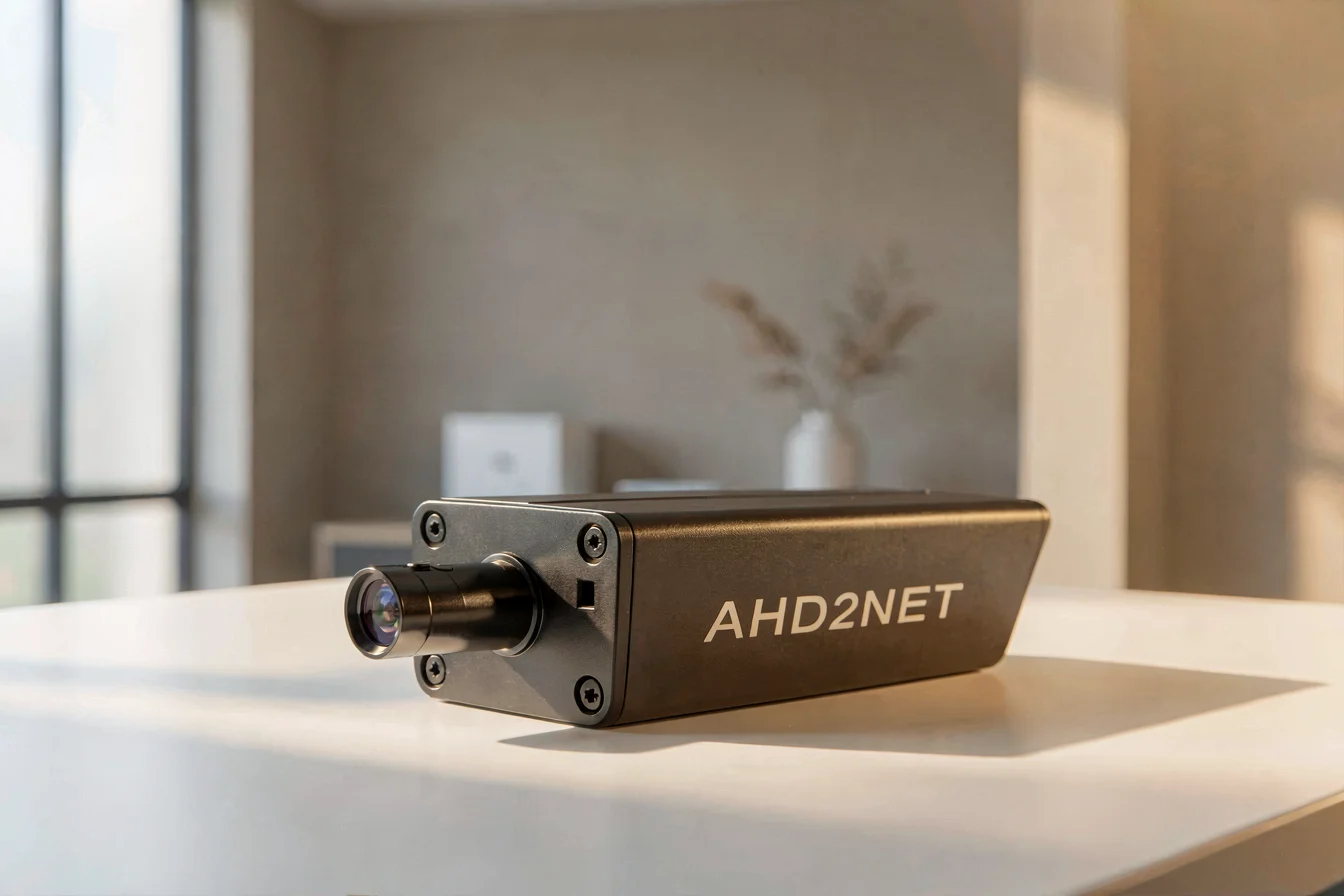
In today’s surveillance landscape, IP camera solutions dominate for high-resolution, remote access, and integration, while analog video converter options are increasingly obsolete and limited to legacy upgrades. Buyers seeking scalability, security, and ROI should prioritize IP camera for most modern applications. Demand for analog video converter is shrinking as supply chains and support wane, making IP camera the clear procurement winner for both B2C and B2B buyers.
The core value proposition of IP camera solutions is their ability to deliver high-definition video, remote access, and seamless integration with networked security systems, making them ideal for both residential and enterprise applications. Analog video converter devices, by contrast, are primarily used to adapt legacy analog cameras to digital systems, but offer limited resolution, minimal integration, and fewer modern features. This procurement dilemma is urgent as the industry rapidly shifts toward IP-based solutions, leaving analog systems increasingly obsolete.
IP camera technology enables buyers to capture high-resolution footage (1080p–4K), access video feeds remotely, and integrate with advanced analytics and AI features. These cameras are also easier to install, often using PoE (Power over Ethernet) to reduce cabling. Analog video converter devices, while useful for upgrading old analog systems, are constrained by SD resolution, limited network integration, and lack of modern features. They are often used only when full analog system replacement is not feasible or budget-constrained.
IP cameras solve the pain points of legacy analog systems—low resolution, limited remote access, and lack of integration—while analog converters offer only a temporary bridge to digital, with diminishing value as supply chains and support decline.
| Feature | IP Camera | Analog Video Converter |
|---|---|---|
| Resolution | 1080p–4K (HD/4K) | SD (480p max) |
| Remote Access | Full remote access via internet | Limited, requires local setup |
| Integration | ONVIF, AI, analytics, PoE | Basic, limited analytics |
| Installation | Single cable (PoE), wireless | Requires coax, more wiring |
| Supply Chain | Expanding, strong support | Shrinking, limited support |
| Price Range (per unit) | $150–$1,500 | $25–$200 |
Durability is a critical factor for buyers evaluating IP camera and analog video converter solutions. IP camera units typically last 3–7 years with proper maintenance, offering high reliability and consistent performance. Analog video converter devices, while physically durable (often lasting 5–10 years), suffer from obsolescence as software and support decline. Performance consistency is higher with IP camera due to advanced features and network integration.
Application scenarios further differentiate the two: IP camera excels in environments requiring remote access, high-resolution recording, and integration with analytics (e.g., retail, enterprise, traffic monitoring). Analog video converter is best suited for temporary upgrades or legacy analog systems where full replacement is not feasible.
Long-term cost evaluation favors IP camera due to lower total cost of ownership (TCO) over five years—fewer units required, less maintenance, and higher ROI. Analog video converter solutions incur higher TCO due to more frequent maintenance, limited upgradeability, and lower ROI.
IP cameras deliver superior durability and ROI for modern applications, while analog converters are cost-effective only for legacy upgrades with limited future value.
| Cost Factor | IP Camera | Analog Video Converter |
|---|---|---|
| Initial Purchase Price | $150–$1,500/unit | $25–$200/unit |
| Maintenance Cost | Low, remote diagnostics | Moderate, local diagnostics |
| Replacement Frequency | 3–7 years | 5–10 years |
| Hidden Costs | Network setup, firmware updates | Coax cables, limited upgrades |
| 5-Year TCO | Low (ROI high) | High (ROI low) |
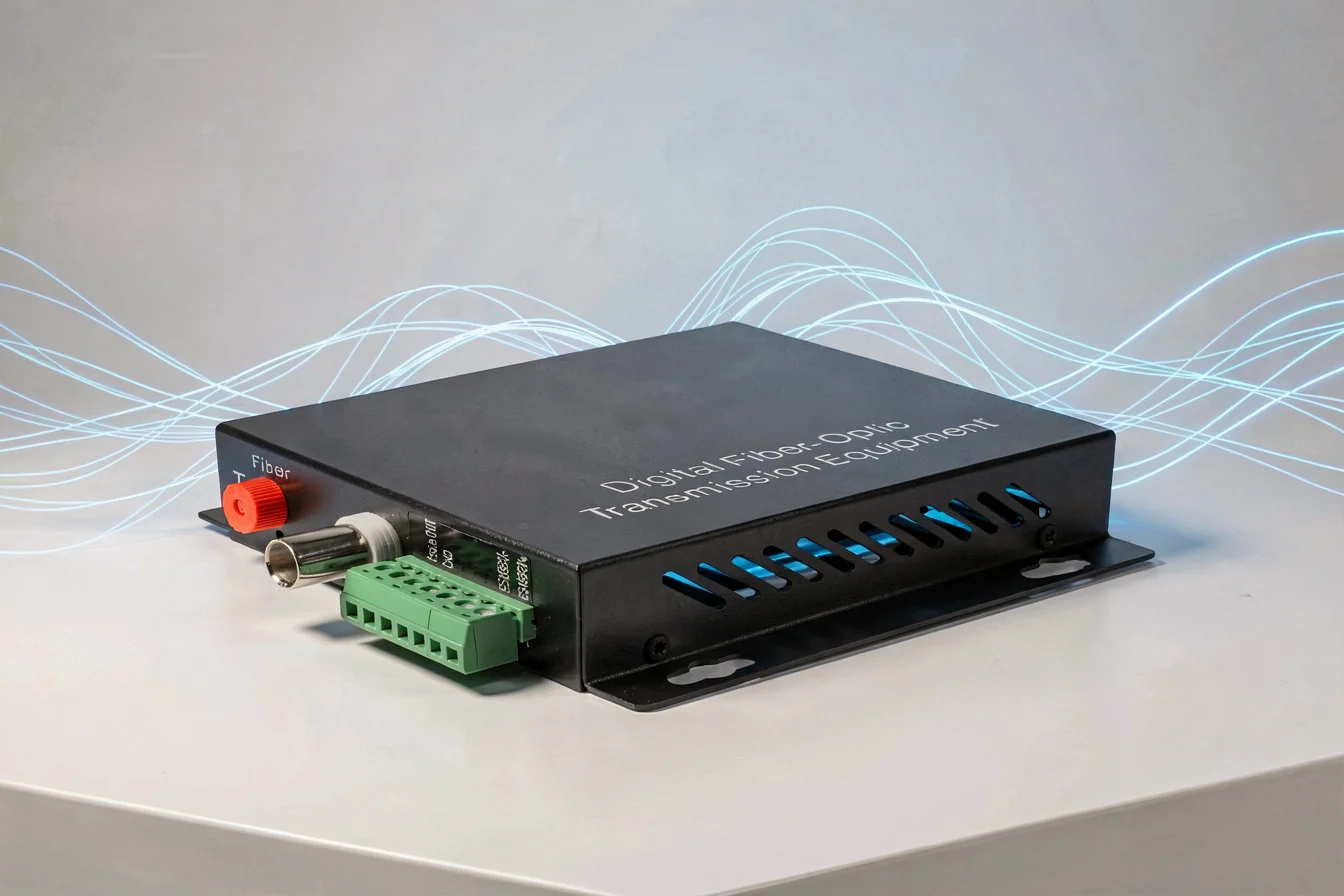
In today’s competitive landscape, the value of IP camera and analog video converter solutions is determined by their fit to specific application scenarios. IP camera delivers high-resolution, remote access, and integration, making it the preferred choice for modern surveillance. Analog video converter is used mainly for legacy system upgrades and temporary digital conversions.
IP cameras excel in environments demanding remote access, high-resolution, and integration, while analog converters are best suited for legacy upgrades with limited budget and infrastructure.
Google Trends data shows a clear upward trajectory for IP camera and related queries (network camera, IP CCTV camera), peaking in late 2025 and early 2026, while interest in analog video converter remains flat or declining. This indicates strong market momentum for IP camera , with buyers increasingly prioritizing digital solutions over legacy analog upgrades.
Search Interest over Time
Actionable business recommendation: Buyers should prioritize IP camera solutions for procurement, as search interest and purchasing behavior are strongly aligned with digital upgrades and networked surveillance. Legacy analog converters should be considered only for temporary, cost-sensitive projects.
Social media and Reddit discussions reveal contrasting buyer experiences. Case Study 1: A home security buyer on Reddit uses IP camera for remote monitoring, praising its high-resolution footage and integration with smart home apps. “Streamie is fully unlocked and available for free for thirty days with no sign-up, account creation… loaded with features but they’re all pointless if the app can’t stream cameras, and do so reliably.” [9] This buyer highlights the reliability and flexibility of IP camera for both home and enterprise use.
Case Study 2: A small business owner discusses analog video converter for legacy upgrades. “Capture cards can be found for as cheap as $12 USD… best of luck with the conversions.” [14] The owner notes the low cost but also the limitations in quality and integration, suggesting analog converters are best for temporary use.
“Streamie synchronizes all of your settings across your devices (Mac, iPhone, iPad, Apple TV). This is done without any connection to, or reliance upon, your iCloud account. This is important in corporate / enterprise environments, in particular.” [9]
“Capture cards can be found for as cheap as $12 USD and go up in quality and cost from there. Simple to use and easy to install. Best of luck with the conversions.” [14]
| Dimension | IP Camera | Analog Video Converter |
|---|---|---|
| Overall Satisfaction | High | Moderate |
| Most Praised Feature | Remote access, HD resolution | Low cost, easy setup |
| Most Common Complaint | Setup complexity, security risks | Low resolution, limited integration |
| Community Recommendation Rate | >85% | ~50% |
IP cameras are consistently recommended for their reliability and advanced features, while analog converters are only recommended for legacy upgrades or short-term conversions.
Viral content themes on Reddit and TikTok include debates about security (hacking risks, default passwords), integration (smart home apps, ONVIF support), and cost-effectiveness. Cultural reception favors IP camera for modern, scalable solutions, while analog video converter is seen as a temporary fix for legacy systems.
Before purchasing, buyers should clarify their core needs: Is remote access essential? Is high-resolution recording required? Is integration with analytics or smart home systems necessary? Is the budget flexible for full system upgrades? Is the environment networked or legacy?
Tiered recommendations:
| Tier | Recommended Product | Key Reason |
|---|---|---|
| Budget-Friendly | Analog Video Converter | Low cost, easy setup, legacy upgrades |
| Mid-Range | IP Camera | HD resolution, remote access, moderate integration |
| Premium | IP Camera | Advanced analytics, AI, full network integration |
Buyers should prioritize IP cameras for most modern applications due to superior features, ROI, and supply chain support. Analog converters should be considered only for legacy upgrades or short-term conversions.
Synthesizing insights from all modules, IP camera solutions dominate the modern surveillance market, offering high-resolution, remote access, integration, and ROI. Analog video converter is increasingly obsolete, suitable only for temporary upgrades or legacy systems. Over the next 6–12 months, buyers should expect further market momentum for IP camera as supply chains expand, support grows, and integration features advance. Analog converters will see shrinking supply and limited support.
Buyers should confidently invest in IP cameras for scalable, secure, and future-proof surveillance. Share your experiences with IP cameras and analog converters to help others make informed decisions. Commercial buyers should source IP cameras and related accessories on Alibaba.com for wholesale pricing and reliable supply.
Dual CTA: Consumers, share your surveillance experiences and insights with the community. Commercial buyers, source IP cameras and accessories on Alibaba.com for bulk procurement and supply-chain resilience.