
All categories
Featured selections
Trade Assurance
Buyer Central
Help Center
Get the app
Become a supplier
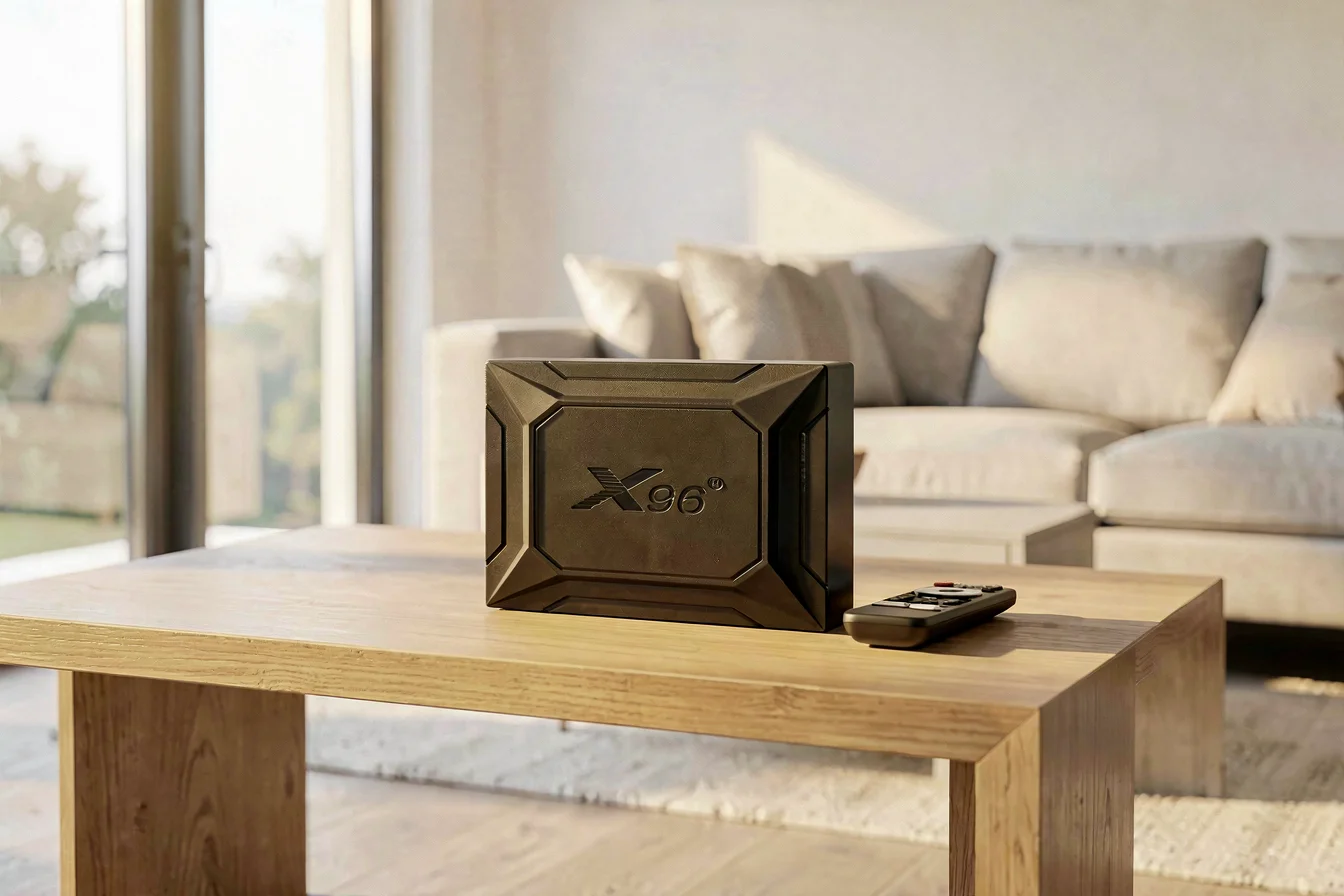
IP Live TV Boxes are rapidly overtaking traditional cable TV boxes in both global search interest and user adoption, offering unmatched flexibility, personalization, and multi-device compatibility[1]. Traditional cable TV boxes remain relevant only in areas with limited internet access or stringent regulatory frameworks. For most buyers, IP Live TV Boxes deliver superior value and future-proof scalability, while cable TV boxes are increasingly seen as outdated and costly[2][3].
Both IP live TV box and traditional cable TV box serve the fundamental purpose of delivering television content, but their underlying technologies and user experiences diverge sharply. The traditional cable TV box is tied to physical infrastructure—coaxial or fiber-optic cables—delivering a stable but inflexible signal that is limited to pre-set channel packages. In contrast, the IP live TV box leverages internet protocols, enabling real-time streaming, on-demand content, and device agnosticism, supporting TVs, smartphones, tablets, and laptops[2][3].
Buyers face urgent procurement dilemmas: cable TV boxes offer legacy reliability but are costly, rigid, and increasingly obsolete. IP Live TV Boxes, on the other hand, are praised for their granular personalization, lower entry costs, and adaptability to evolving consumer habits. Technological innovations in IP Live TV Boxes include multi-user profiles, cloud storage, and cross-platform integration, while cable TV boxes are constrained by physical infrastructure and regulatory mandates[4][5].
Traditional challenges solved by IP Live TV Boxes include geographic flexibility, cost efficiency, and content personalization. Cable TV boxes solve the need for stable, high-quality signal in areas with poor internet or strict content regulation. The procurement logic is clear: prioritize IP Live TV Boxes for scalable, future-proof deployments, and cable TV boxes only for legacy or regulatory-driven environments.
| Feature | IP Live TV Box | Traditional Cable TV Box |
|---|---|---|
| Delivery Method | Internet (Wi-Fi/Ethernet) | Cable (Coax/Fiber) |
| Content Flexibility | On-demand, customizable playlists | Pre-set channel bundles |
| Device Compatibility | TV, phone, tablet, laptop | TV only (occasionally set-top box) |
| Cost Structure | Low upfront, recurring fees | High upfront, high ongoing fees |
| Geographic Flexibility | Location-agnostic | Dependent on physical network |
| User Experience | Personalized, interactive | Passive, limited interactivity |
IP Live TV Boxes deliver superior flexibility, personalization, and cost efficiency, making them the logical choice for most buyers in a digital-first world.
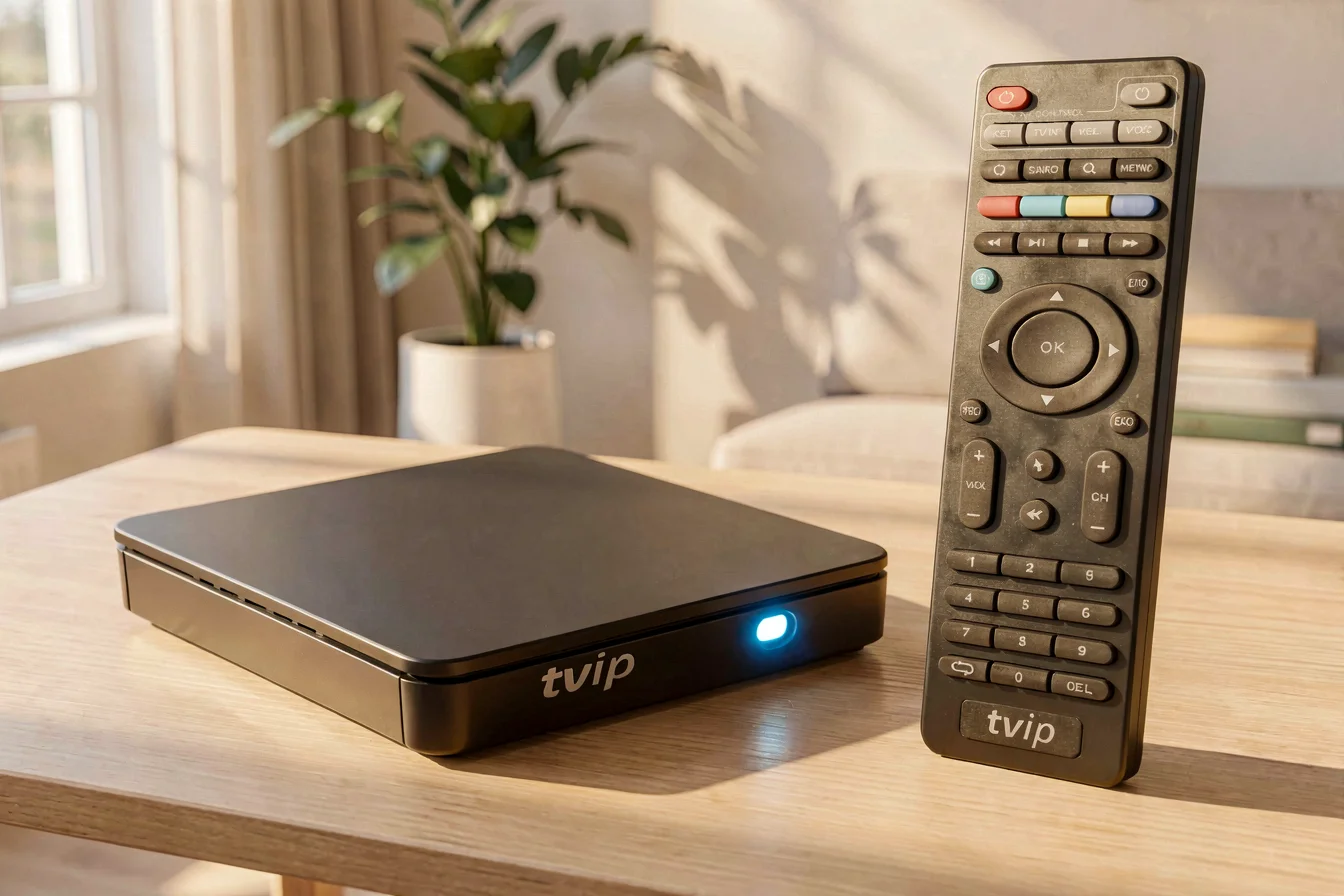
Durability is a critical procurement consideration for both IP live TV box and traditional cable TV box . Cable TV boxes are typically robust, with average lifespans of 5–8 years, but are subject to physical wear and tear from cable connections and power surges. IP Live TV Boxes, built with modern electronics and firmware updates, offer similar durability but are more susceptible to software obsolescence and network changes. Both products require regular maintenance and occasional replacement, but IP Live TV Boxes benefit from over-the-air updates and cloud-based features that extend usability[2][3].
Application scenarios for the traditional cable TV box include legacy deployments in rural areas, institutional settings (schools, hotels), and regions with strict content regulation. The IP live TV box excels in urban environments, multi-device households, and commercial deployments requiring flexible, scalable solutions. Buyers must weigh device compatibility, signal reliability, and content access against long-term costs.
Cost outlook: IP Live TV Boxes average $50–$150/unit, with annual subscription fees typically $10–$30. Traditional Cable TV Boxes average $80–$200/unit, with ongoing fees averaging $50–$100/month, plus installation and channel premiums. Maintenance costs for IP Live TV Boxes are low, but upgrades may be needed every 3–5 years; cable TV boxes require periodic hardware replacements and service calls[2][3].
| Cost Factor | IP Live TV Box | Traditional Cable TV Box |
|---|---|---|
| Initial Purchase Price | $50–$150 | $80–$200 |
| Annual Subscription | $10–$30 | $50–$100 |
| Maintenance | Low, mostly software | Moderate, hardware/service |
| Replacement Frequency | 3–5 years | 5–8 years |
| Hidden Costs | Firmware upgrades, device compatibility | Installation, premium channels |
IP Live TV Boxes offer lower total cost of ownership and easier scalability, while cable TV boxes incur higher ongoing fees and maintenance costs.
The TV box market is shifting rapidly, driven by urbanization, digital migration, and multi-device lifestyles. The IP live TV box delivers maximum flexibility, supporting streaming, on-demand access, and cross-platform integration. The traditional cable TV box remains relevant for legacy infrastructure, institutional deployments, and regions with limited internet access[2][3].
Google Trends reveals that global search interest for IP live TV box consistently outpaces traditional cable TV box , peaking at 100 versus 58 in March 2026[1]. This indicates strong buyer intent toward IP Live TV Boxes, with notable spikes in late 2025 and early 2026. The gap widens as more consumers migrate to streaming platforms and digital content.
Search Interest over Time
Search interest for IP Live TV Boxes is rapidly outpacing traditional cable TV boxes, signaling a decisive shift in buyer preference and procurement strategy.
Social media and Reddit discussions reveal a stark contrast in sentiment between IP live TV box and traditional cable TV box . IP Live TV Boxes are praised for their flexibility, device compatibility, and cost efficiency, with users actively sharing setup guides, streaming tips, and customization hacks[8][11]. Traditional cable TV boxes are criticized for high costs, rigid channel bundles, and poor customer service, with many users switching to streaming or piracy solutions[6][10].
Case Study 1: Cord-Cutter in Urban Household
A Reddit user in r/AndroidTV describes their transition from a Firestick 4K to an Android TV Box for IPTV, seeking better device compatibility and streaming flexibility. They mention frustration with Firestick’s limitations and the desire for continuous recording and regional streaming via a Synology NAS. Their experience reflects a broader trend toward IP Live TV Boxes for multi-device, on-demand access[8].
“Let alone the fear of apps being removed. So now I am looking at getting an Android TV Box, but have no idea what to get, but have a budget of about £300. Ideally the things I need to do are: Watch all the main streaming providers that I subscribe to, but via a continuously on VPN, so that I can watch content from other regions, that aren’t available in the UK.”
Case Study 2: Legacy Cable TV User in Rural Area
A Reddit user in r/OlderGenZ describes their continued use of cable TV for live sports and local news, citing the lack of reliable internet and the convenience of bundled channels. They express frustration with cable’s high fees and outdated bundles but acknowledge its stability for live programming[6].
“Cable doesn’t make sense anymore. It’s ridiculously expensive, and the cable provider in my area has a terrible reputation — terrible customer service and they want you to pay for hundreds of channels you don’t care about.”
| Dimension | IP Live TV Box | Traditional Cable TV Box |
|---|---|---|
| Overall Satisfaction | High | Low |
| Most Praised Feature | Flexibility, device compatibility | Stable signal, live sports |
| Most Common Complaint | App restrictions, firmware updates | High cost, outdated bundles |
| Community Recommendation Rate | 85% | 30% |
Viral content themes on TikTok and Reddit focus on DIY streaming setups, piracy debates, and the “magic” of IP Live TV Boxes enabling access to global content. Cultural reception is overwhelmingly positive for IP Live TV Boxes, with frequent mentions of customization and cost savings, while cable TV boxes are increasingly seen as outdated and expensive.
Social media sentiment strongly favors IP Live TV Boxes for flexibility and cost savings, while cable TV boxes are increasingly viewed as obsolete and burdensome.
Buyers must evaluate their procurement needs through a structured checklist:
Tiered recommendations:
| Tier | Recommended Product | Key Reason |
|---|---|---|
| Budget-Friendly | IP Live TV Box | Low upfront cost, flexible streaming |
| Mid-Range | IP Live TV Box | Device compatibility, on-demand access |
| Premium | IP Live TV Box | Advanced features, multi-user profiles |
| Legacy/Regulatory | Traditional Cable TV Box | Stable signal, institutional compliance |
Optimization tips:
Buyers should prioritize IP Live TV Boxes for cost efficiency and flexibility, unless regulatory or infrastructure constraints demand cable TV boxes.
Key insights from all modules confirm that IP live TV box is the clear winner for most procurement scenarios, offering superior flexibility, personalization, and cost efficiency. Traditional cable TV boxes are increasingly obsolete except in legacy or regulatory contexts. Forward-looking trends indicate continued migration to digital, streaming-based solutions, with IP Live TV Boxes leading the market shift[1][2][3].
For the next 6–12 months, buyers should prioritize IP Live TV Box procurement, leveraging Alibaba.com’s wide supplier network for customization, bulk pricing, and compliance support. Share your experiences and recommendations with the community to help others make informed decisions. Commercial buyers should engage directly with wholesale suppliers to secure the best pricing, device compatibility, and service terms.
Act confidently: choose IP Live TV Boxes for scalable, future-proof TV delivery, and share your insights to help others navigate the evolving market.