
All categories
Featured selections
Trade Assurance
Buyer Central
Help Center
Get the app
Become a supplier
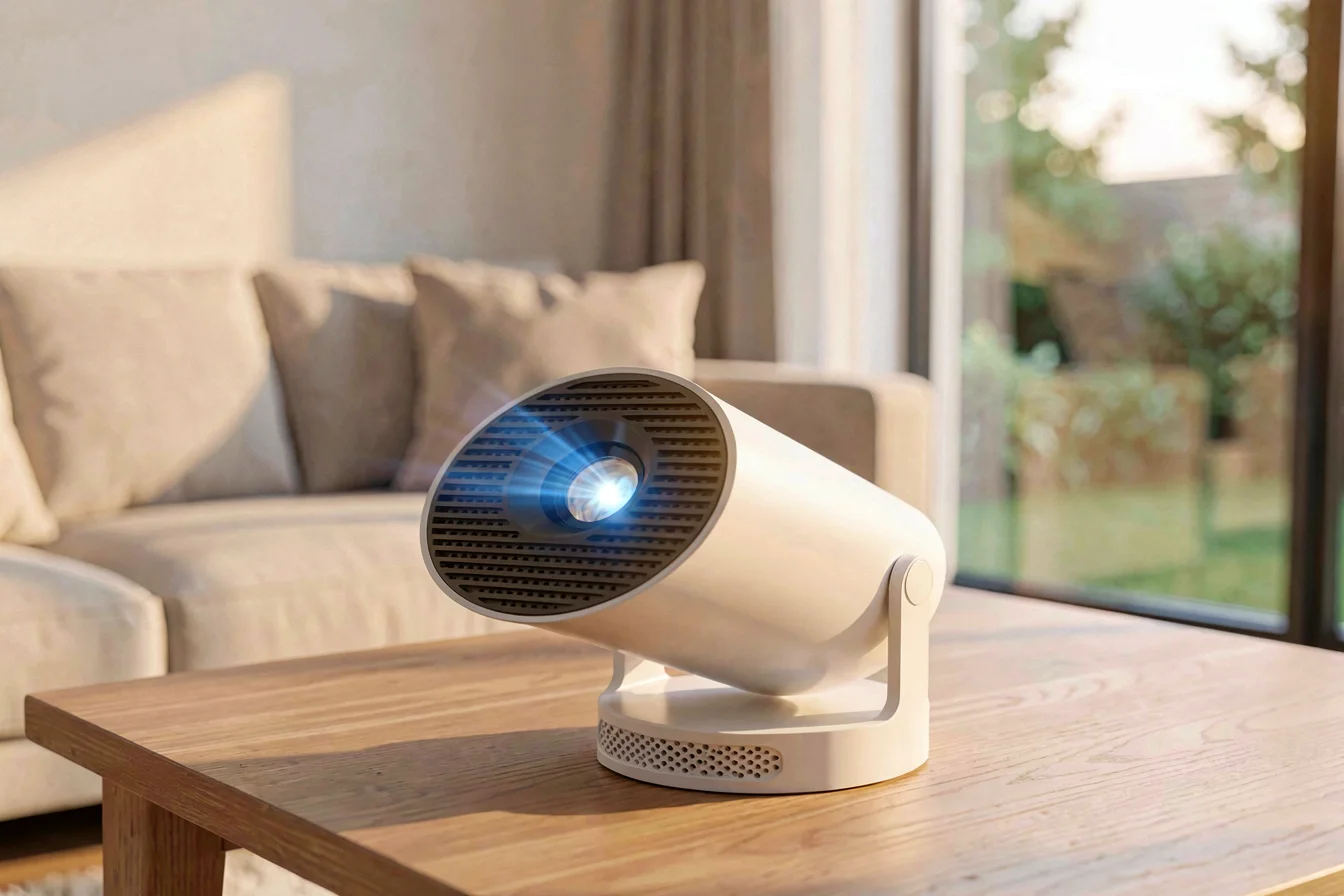
For buyers seeking reliable, high-quality portable projection, mini projector models are the superior choice due to their improved brightness, resolution, and versatility for both entertainment and professional applications. Pico projector devices, while ultra-portable, are limited by low brightness and sub-HD resolution, making them best suited for casual, low-light use. Market trends and social sentiment strongly favor mini projector for mainstream procurement, but pico projector remains relevant for niche, travel-centric needs[1][2][4].
The portable projection market is split between two distinct segments: pico projector and mini projector . Each addresses unique pain points and buyer expectations. Pico projector devices are engineered for extreme portability—often fitting in a pocket or small bag, with battery-powered operation and minimal setup. Their primary audience includes travelers, students, and casual users who prioritize convenience over image quality[3][6]. However, their technical limitations—such as sub-HD resolution, low brightness (typically <200 ANSI lumens), and limited feature sets—make them unsuitable for professional or high-demand entertainment scenarios[2][5].
In contrast, mini projector models are designed for users who want portable projection without sacrificing performance. They offer higher brightness (180–450 ANSI lumens), native resolutions from 720p to 1080p, and advanced features like Wi-Fi, Bluetooth, and built-in speakers. These models appeal to families, small businesses, and content creators who require reliable, consistent image quality in various lighting conditions[2][4]. The urgency for buyers is heightened by rapid technology advances and market shifts; choosing the right projector can mean the difference between a seamless, immersive experience and disappointment with subpar results.
The main procurement dilemma is balancing ultra-portability with image quality and versatility—Mini Projectors deliver on both, while Pico Projectors are best reserved for very casual, low-light use cases.
| Feature | Pico Projector | Mini Projector |
|---|---|---|
| Size & Weight | Ultra-compact, <150g | Compact, 300–600g |
| Brightness (ANSI Lumens) | 100–200 | 180–450 |
| Resolution | 240–480p | 720p–1080p |
| Battery Life | 2–3 hours | 2–4 hours |
| Key Features | Basic, limited connectivity | Wi-Fi, Bluetooth, smart OS, speakers |
| Typical Use Case | Travel, casual, low-light | Home, office, content creation |
Durability and long-term cost are critical factors in the procurement decision. Pico projector devices are constructed for minimal wear and tear, but their low brightness and limited resolution result in shorter effective lifespans for demanding applications. These models are typically made with basic components and lack advanced cooling systems, leading to higher risk of overheating and reduced performance over time[3][5]. The average lifespan is 1–2 years for frequent use, and maintenance is rare but may involve battery replacement.
mini projector models, on the other hand, are engineered for consistent performance and reliability. Their higher brightness and advanced cooling systems ensure stable operation in varied environments. Most models use DLP or LCD technology, which delivers longer lamp life and improved durability. Battery life is slightly longer, and maintenance usually involves occasional dusting and software updates[2][4]. The average lifespan is 3–5 years, with minimal downtime and predictable replacement costs.
Application scenarios also diverge. Pico projector is best suited for casual use in dark rooms, such as dorms, travel, and temporary setups. Mini projector excels in home theaters, small offices, classrooms, and content creation environments where consistent image quality and brightness are essential[10][12]. Buyers should consider the environment and usage frequency when evaluating long-term value.
Mini Projectors offer superior durability and cost efficiency over five years, making them the clear choice for buyers seeking reliable, long-term performance.
| Cost Factor | Pico Projector | Mini Projector |
|---|---|---|
| Initial Purchase Price | $20–$80 | $50–$500 |
| Maintenance | Rare, battery replacement | Occasional, dusting, software |
| Replacement Frequency | 1–2 years | 3–5 years |
| Hidden Costs | Low (limited features) | Low–Moderate (accessories) |
| 5-Year Total Cost | $100–$200 | $200–$550 |
The portable projector category is experiencing rapid growth, fueled by urbanization, remote work, and demand for flexible entertainment solutions. Mini projector models are increasingly favored for their ability to deliver reliable, high-quality projection in diverse settings, while pico projector remains relevant for ultra-portable, casual use.
Market data from Google Trends confirms that search interest for mini projector is consistently higher and more volatile, peaking in late 2025 and early 2026[1]. This reflects broader adoption and mainstream use, while pico projector interest remains niche and stable.
Mini Projectors are dominating the mainstream market due to their versatility, while Pico Projectors maintain a loyal niche among travelers and creative professionals.
Google Trends data shows that search interest for “Mini Projector Portable” has steadily increased, reaching nearly triple the search volume of “Pico Projector 4K” by late 2025[1]. This indicates a strong shift in buyer intent toward higher-performance, portable projectors.
Search Interest over Time
Actionable recommendation: Buyers should prioritize mini projector models for mainstream, high-impact use cases, while pico projector is best suited for niche, ultra-portable needs.
Social media and Reddit discussions reveal nuanced buyer experiences. Mini Projector owners praise brightness, clarity, and versatility, especially for movies, gaming, and small office use[12][13]. Pico Projector users appreciate portability but lament poor image quality and limited brightness, often recommending them only for very casual, low-light setups[11][9]. Viral content themes include debates over native resolution, brightness, and value for money.
Mini Projectors are consistently recommended for practical, high-performance needs, while Pico Projectors are viewed as novelty devices for specific, limited scenarios.
Case Study 1: Mini Projector—Home Theater Enthusiast
A Reddit user upgraded from a $50–$70 Mini Projector to a newer model, noting a “crisp, bright, and immersive” experience for movies and cartoons[13]. They emphasized the importance of checking native resolution and brightness, advising others not to settle for the cheapest model. The upgrade improved usability, even for casual viewing, and boosted overall satisfaction.
“Before committing, I even did some casual late-night browsing on Alibaba just to see how many similar mini projectors exist and what features are common. Honestly, it helped me know what specs actually matter.” [13]
Case Study 2: Pico Projector—Artist for Image Reproduction
An artist sought a Pico Projector for reproducing images, highlighting the need for flexibility over high brightness or resolution[11]. They found the Pico Genie and Wimius Q3 models adequate for their needs but warned against expecting cinematic quality. The community recommended AaxaTech for durability but noted the company’s closure, underscoring the importance of brand reliability.
“Wimius is the only brand I've even heard of on this list and it's a pretty run of the mill DLP Pico model. The Pico Genie is the same. Nothing wrong with the first two.” [11]
| Dimension | Pico Projector | Mini Projector |
|---|---|---|
| Overall Satisfaction | Moderate (casual use) | High (versatile use) |
| Most Praised Feature | Portability | Brightness, Resolution |
| Most Common Complaint | Poor image quality, low brightness | Occasional overheating |
| Community Recommendation Rate | Low (niche) | High (mainstream) |
Table data sourced from Reddit discussions[8][11][12][13].
Viral content themes include debates over “native resolution” vs. “marketing fluff,” battery life, and feature sets. TikTok and YouTube reviews highlight the gap between perceived and actual performance, especially for budget models. Cultural reception is positive for Mini Projectors, with users sharing upgrade stories and recommending brands like Dangbei, XGIMI, and BenQ.
Buyers should start by clarifying their primary needs and use cases:
Tiered recommendations:
| Tier | Recommended Product | Key Reason |
|---|---|---|
| Budget-Friendly | Pico Projector | Ultra-portable, low cost, casual use |
| Mid-Range | Mini Projector | Brightness, clarity, versatility |
| Premium | Mini Projector | Advanced features, durability |
For most buyers, Mini Projectors offer the best balance of portability, image quality, and value, especially at mid-range and premium tiers.
Optimization tips:
The portable projector market is evolving rapidly, with mini projector models leading mainstream adoption due to their improved brightness, resolution, and advanced features. Expect further innovation in battery life, smart connectivity, and cooling systems over the next 6–12 months, especially from brands like Dangbei, XGIMI, and BenQ. Pico projector will remain relevant for niche, ultra-portable needs but is unlikely to gain significant mainstream traction.
Buyers should confidently choose Mini Projectors for high-performance, versatile use cases, while Pico Projectors are best reserved for niche, travel-centric applications.
Share your experiences with portable projectors and help others make informed decisions. Commercial buyers should source directly from Alibaba.com for bulk procurement, leveraging platform reviews and supplier ratings to ensure quality and reliability.