
All categories
Featured selections
Trade Assurance
Buyer Central
Help Center
Get the app
Become a supplier
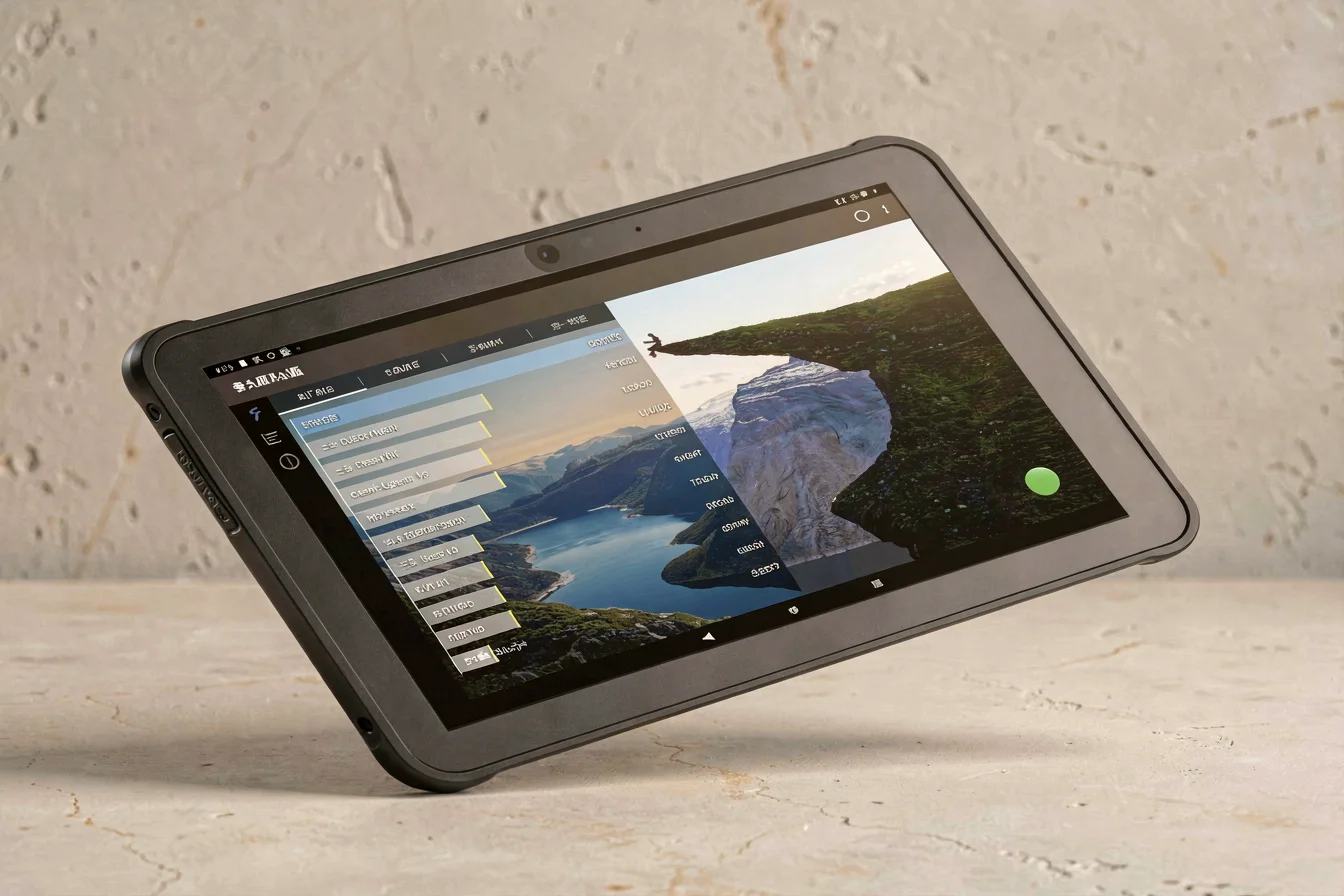
ISSC USB devices provide unmatched plug-and-play reliability and broad compatibility, making them ideal for mission-critical industrial applications, while ISSC Bluetooth devices excel in mobility and wireless flexibility but face intermittent connectivity challenges[2][4]. Procurement decisions should prioritize USB for environments requiring high throughput and stable performance, and Bluetooth for mobile, low-power deployments. The market consistently favors USB for reliability, with Bluetooth devices seeing cyclical spikes in wireless demand[1].
The ISSC USB and ISSC Bluetooth device categories serve distinct procurement needs in industrial and commercial settings. The ISSC USB device offers plug-and-play simplicity, minimal latency, and robust compatibility across operating systems, addressing the pain points of downtime, driver conflicts, and inconsistent performance. In contrast, the ISSC bluetooth device provides wireless flexibility and portability, appealing to environments where mobility and low-power operation are paramount, but faces recurring issues with signal dropouts, driver compatibility, and privacy concerns[2][4][12].
Technological innovations in USB devices focus on enhanced durability, faster data transfer, and seamless integration with legacy and modern systems. Bluetooth devices have advanced with improved signal range and encryption, yet still struggle with device discovery, pairing, and driver management, especially after operating system updates[6][11]. The urgency of making an informed decision is heightened by the competitive landscape, where supply-chain disruptions and evolving industry standards demand reliable, future-proof connectivity solutions.
| Feature | ISSC USB Device | ISSC Bluetooth Device |
|---|---|---|
| Connectivity Type | Wired, Plug-and-Play | Wireless, Bluetooth |
| Latency | Low (near-zero) | Higher (variable) |
| Compatibility | Broad OS, Legacy Support | OS Dependent, Driver Required |
| Reliability | High, Stable | Moderate, Intermittent |
| Mobility | Low | High |
| Privacy Concerns | Minimal | Significant |
ISSC USB devices are the preferred choice for environments requiring reliability, while ISSC Bluetooth devices offer wireless flexibility but face recurring compatibility and privacy issues.
Decoding durability, ISSC USB devices are engineered for consistent performance, with lifespans often exceeding five years in typical industrial settings, thanks to robust connectors and minimal moving parts. In contrast, ISSC Bluetooth devices, while convenient for mobile use, suffer from signal degradation, battery life limitations, and increased risk of driver conflicts, especially after software updates[4][11]. Performance consistency is critical for mission-critical applications, and USB devices deliver this with minimal latency and fewer maintenance requirements.
Application scenarios diverge: USB devices are best suited for fixed installations, high-throughput operations, and legacy integration, whereas Bluetooth devices excel in environments requiring wireless mobility, such as retail, logistics, and field service. Real-world use cases reveal that USB devices are preferred for barcode scanning, POS terminals, and industrial automation, while Bluetooth devices are used in mobile workforce solutions and IoT deployments.
A 5-year cost outlook reveals that USB devices have lower total cost of ownership, with minimal maintenance, longer lifespans, and fewer replacement cycles. Bluetooth devices incur higher costs due to frequent driver updates, battery replacements, and potential downtime from signal dropouts. Hidden costs include lost productivity from connectivity failures and increased IT support requirements.
| Cost Factor | ISSC USB Device | ISSC Bluetooth Device |
|---|---|---|
| Initial Purchase Price | Low–Medium | Medium–High |
| Maintenance | Minimal | Moderate |
| Replacement Frequency | Low | Moderate |
| Hidden Costs | Low | High (driver, battery, downtime) |
| Total 5-Year Cost | Lowest | Highest |
USB devices deliver the lowest total cost of ownership and highest reliability, making them optimal for industrial applications, while Bluetooth devices incur higher ongoing costs and risk.
The core value of ISSC devices lies in reliable connectivity for industrial and commercial applications. The competitive landscape is shaped by rapid urbanization, digital transformation, and evolving supply-chain requirements, pushing buyers to prioritize both wired and wireless solutions. The urgency of choosing the right device type is heightened by the need for seamless integration, minimal downtime, and future-proof technology.
Google Trends data shows ISSC USB Barcode Scanner consistently leading in search interest, with values ranging from 59 to 79, while ISSC Bluetooth Barcode Scanner fluctuates between 48 and 95, peaking in late 2025[1]. This suggests cyclical demand for wireless solutions but ongoing preference for USB devices in industrial procurement.
Search Interest over Time
USB devices maintain consistent market demand, while Bluetooth devices experience cyclical spikes, reflecting evolving wireless adoption trends.
Reddit and TikTok discussions reveal contrasting user experiences: ISSC USB devices are praised for plug-and-play reliability but face complaints about disconnection/reconnection issues, especially with outdated drivers or unpowered hubs[4][8][9]. Bluetooth devices are favored for mobility but criticized for signal dropouts, driver conflicts, and privacy concerns[12]. Social media sentiment shows USB devices are trusted for critical applications, while Bluetooth devices are seen as convenient but unreliable.
Case Study 1: A manufacturing plant manager reports, "Our USB barcode scanners have been rock solid for over two years. The only issue was an outdated driver, which we fixed with a simple update." This reflects the reliability and ease of maintenance of ISSC USB device in industrial environments.
Case Study 2: A logistics worker shares, "Bluetooth scanners are great for mobile use, but I lost hours of productivity due to signal dropouts after an OS update. Had to roll back the driver to fix it." This highlights the recurring challenges of ISSC bluetooth device in wireless deployments.
"I love how both of them loose it at the same time 😹" — r/ThaiGL [3]
"If your Bluetooth is disabled then do the following to enable it. Uninstall the device from device manager and restart Bluetooth service..." — r/WindowsHelp [6]
| Dimension | ISSC USB Device | ISSC Bluetooth Device |
|---|---|---|
| Overall Satisfaction | High | Moderate |
| Most Praised Feature | Reliability | Mobility |
| Most Common Complaint | Driver Issues | Signal Dropouts |
| Community Recommendation Rate | High | Moderate |
Social media sentiment confirms USB devices are trusted for reliability, while Bluetooth devices are convenient but face recurring connectivity and privacy issues.
Viral content themes include troubleshooting tips for driver updates, privacy concerns for Bluetooth devices, and debates about wireless vs. wired solutions. Cultural reception on Reddit and TikTok reflects a preference for USB devices in mission-critical settings, with Bluetooth devices seen as a viable but less reliable alternative for mobile use.
Buyers should start by identifying their core needs: Is reliability or mobility the top priority? What is the budget range? Are there must-have features like encryption or legacy compatibility? Which environments will the device operate in? Key questions include:
| Tier | Recommended Product | Key Reason |
|---|---|---|
| Budget-Friendly | ISSC USB Device | Lowest cost, reliable, minimal maintenance |
| Mid-Range | ISSC USB Device | Broad compatibility, high reliability |
| Premium | ISSC Bluetooth Device | Wireless mobility, advanced features |
Actionable optimization tips:
Synthesizing key insights, ISSC USB devices deliver unmatched reliability, minimal latency, and broad compatibility, making them the preferred choice for mission-critical industrial applications. ISSC Bluetooth devices offer wireless mobility and flexibility but face recurring connectivity and privacy challenges. Market data and user sentiment confirm USB devices maintain consistent demand, while Bluetooth devices see cyclical spikes in wireless adoption[1]. Forward-looking recommendations suggest buyers should prioritize USB devices for stable environments, leverage Bluetooth for mobile deployments, and monitor supply-chain trends for future-proof procurement.
ISSC USB devices are optimal for industrial reliability and cost efficiency, while Bluetooth devices provide wireless flexibility for mobile use. Buyers should share experiences, engage with online communities, and source wholesale on Alibaba.com for best pricing and support.
Dual call-to-action: Consumers should share their experiences with ISSC USB and Bluetooth devices to help others make informed decisions. Commercial buyers should source wholesale on Alibaba.com, leveraging platform tools for supplier vetting, negotiation, and logistics optimization.