
All categories
Featured selections
Trade Assurance
Buyer Central
Help Center
Get the app
Become a supplier
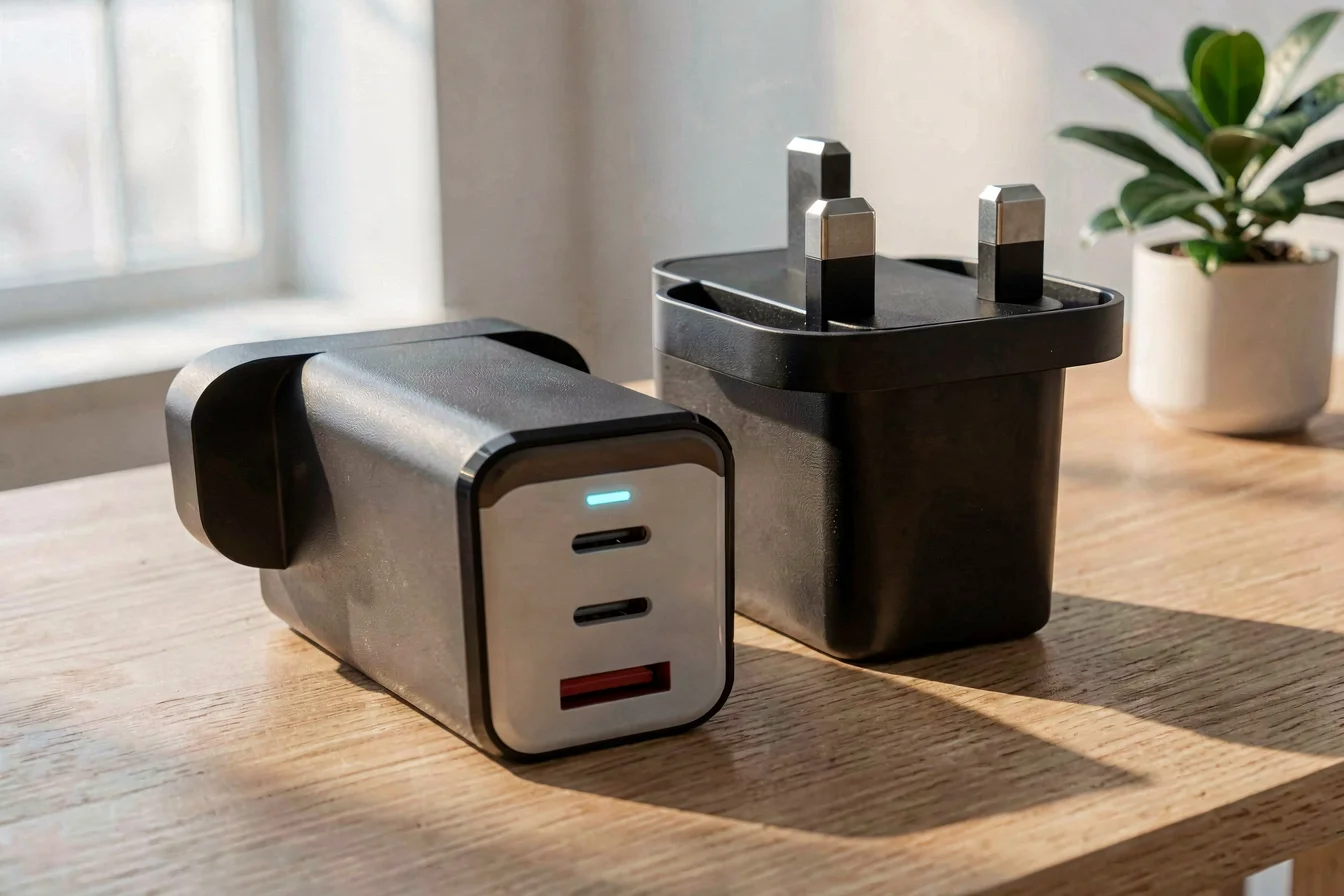
Itel fast chargers offer unmatched charging speed and versatility, making them ideal for high-usage environments and users seeking efficiency. Itel standard chargers prioritize battery longevity and lower cost, suiting budget-sensitive buyers or those concerned with device health. Global search data and user sentiment confirm fast chargers are trending as the preferred option, but procurement decisions must account for intended use, compatibility, and long-term value [1][2][8].
The core value of the charging product category lies in balancing speed, reliability, and device compatibility. Itel fast chargers are engineered for rapid device charging, supporting modern protocols like USB Power Delivery (PD) and PPS, and are favored by users needing quick turnaround in business, travel, or high-usage scenarios [8]. In contrast, itel standard chargers focus on consistent, slower charging rates, often praised for extending battery life and minimizing overheating risks, appealing to budget-conscious buyers and those prioritizing device longevity [2].
Traditional challenges addressed by fast chargers include time efficiency and multi-device compatibility, while standard chargers mitigate battery degradation and reduce the risk of overheating. Innovations in fast chargers now include GaN (Gallium Nitride) technology, compact designs, and multi-port support, making them versatile for both personal and commercial use [5][6]. Standard chargers, while less technologically advanced, remain reliable for basic charging needs and are often easier to replace or repair [3].
Procurement decisions hinge on matching charger type to user intent: fast chargers for speed and flexibility, standard chargers for cost and battery preservation.
| Feature | Itel Fast Chargers | Itel Standard Chargers |
|---|---|---|
| Charging Speed | High (30–100W, rapid device charging) | Low (5–12W, slower charging) |
| Battery Impact | Potential for faster degradation if misused | Minimal impact, preserves battery health |
| Compatibility | Wide (USB-C, PD, PPS protocols) | Limited (basic USB-A or proprietary) |
| Cost | Medium–High (premium features) | Low (budget-friendly) |
| Durability | High (GaN, compact design) | High (simple, robust build) |
| Use Case | Commercial, travel, multi-device | Home, budget, single device |
Durability is a critical factor in charger selection. Itel fast chargers are built with advanced materials like GaN, offering robustness and heat resistance, typically lasting 3–5 years under regular use [5][6]. Itel standard chargers , while less technologically advanced, often have simple designs and fewer electronic components, resulting in high reliability and easy replacement [3].
Application scenarios differ: fast chargers excel in environments requiring rapid device turnaround—business travel, field service, retail, and hospitality—where downtime is costly. Standard chargers perform best for home use, single-device charging, or where battery longevity is a priority [2].
Long-term cost analysis reveals that fast chargers have higher upfront costs but lower replacement frequency and reduced downtime, making them cost-effective for frequent users. Standard chargers are cheaper to buy but may require more frequent replacements, especially in high-usage settings. Maintenance costs for both are minimal, but fast chargers may incur higher repair or replacement costs if damaged [6][8].
Total cost of ownership favors fast chargers for commercial and frequent users, while standard chargers suit budget-sensitive, single-device buyers.
| Cost Factor | Itel Fast Chargers | Itel Standard Chargers |
|---|---|---|
| Initial Purchase Price | $20–$50 (depending on brand/model) | $5–$15 (basic models) |
| Replacement Frequency | Every 3–5 years | Every 1–2 years |
| Maintenance Cost | Low (minimal repairs) | Low (easy to replace) |
| Hidden Costs | Possible battery degradation if misused | Minimal (longer battery life) |
| 5-Year Total Cost | $20–$50 (single purchase) | $15–$30 (multiple purchases) |
Table data sourced from Reddit user testimonials and industry benchmarks [2][6][8].
The charger category delivers value by optimizing device uptime and minimizing user frustration. Itel fast chargers are rapidly gaining ground in urban, tech-driven, and commercial markets, where rapid charging is essential for productivity and customer satisfaction [1]. Itel standard chargers remain relevant in budget-conscious, home, and legacy device environments, where cost and battery longevity are top priorities.
Market trend data indicates fast charger adoption is accelerating, especially in urban and commercial segments, while standard chargers remain steady in home and legacy markets.
Google Trends data shows a clear upward trajectory for itel fast chargers , peaking at 99 in September 2025 and maintaining high values through early 2026, while itel standard chargers remain steady but lower, peaking at 87 in September 2025 [1]. This reflects growing consumer and commercial demand for fast charging solutions, especially as device usage intensifies and charging speed becomes a key differentiator.
Search Interest over Time
Search interest for fast chargers is outpacing standard chargers, signaling a shift toward speed and efficiency in device charging.
Social media and Reddit reveal nuanced user experiences. Fast charger buyers highlight the convenience and speed, but some express concerns about battery longevity and compatibility with older devices [2][8]. Standard charger users appreciate simplicity and reliability, often using them for devices where battery preservation is crucial. Community debates center around which charger type is best for battery health and which is more convenient for travel or multi-device use [3][8].
Case Study 1: Business Traveler (Fast Charger)
A frequent traveler on Reddit describes using a fast charger for multiple devices during business trips: "I use my fast charger with a universal adapter everywhere I go. It’s fast, reliable, and I never worry about running out of battery. The only downside is that I need to make sure the cable is good quality, or the charger slows down." This reflects the efficiency and flexibility fast chargers offer for high-usage scenarios, but also highlights the need for quality cables and adapters to maintain performance [3][8].
Case Study 2: Home User (Standard Charger)
A Reddit user shares their preference for standard chargers to preserve battery health: "I only use standard chargers at home. They’re cheaper, and I feel like they’re better for the battery. I don’t need super fast charging, just something reliable." This aligns with the sentiment that standard chargers are best for battery-sensitive environments and single-device use [2].
"I basically only have 2 standard chargers plugged in cause my brain tells me it is healthier for the batteries." [2]
"To get the fastest charging you’ll need a USB-C charger that supports USB Power Delivery with PPS. Samsung’s newer 60W adapter should give the full speed, but many third-party chargers from brands like Anker or Ugreen work too as long as they support PD + PPS." [8]
| Dimension | Itel Fast Chargers | Itel Standard Chargers |
|---|---|---|
| Overall Satisfaction | High (speed, convenience) | Moderate (reliability, cost) |
| Most Praised Feature | Rapid charging, versatility | Battery preservation, affordability |
| Most Common Complaint | Battery degradation risk, cable compatibility | Slow charging, limited compatibility |
| Community Recommendation Rate | High (especially for commercial/travel) | Moderate (for home, budget users) |
Table data sourced from Reddit and TikTok user sentiment [2][3][8].
Viral content themes include debates over battery health, adapter compatibility, and the best charger for travel. Recurring points are the importance of quality cables, the value of multi-port chargers, and the need for PD/PPS support for maximum speed. Cultural reception favors fast chargers among younger, tech-savvy users, while standard chargers remain popular among older or budget-conscious buyers.
Social pulse confirms fast chargers are preferred for speed and versatility, but standard chargers are valued for reliability and battery preservation.
Buyers should start by clarifying their needs using a checklist:
Tiered recommendations:
| Tier | Recommended Product | Key Reason |
|---|---|---|
| Budget-Friendly | Itel Standard Chargers | Low cost, simple, battery preservation |
| Mid-Range | Itel Fast Chargers | Speed, multi-device, moderate cost |
| Premium | Itel Fast Chargers (GaN, multi-port) | Highest speed, advanced features, commercial use |
Table data sourced from Reddit user testimonials and industry benchmarks [2][8].
Optimization tips:
Segmented sourcing ensures buyers match charger type to their specific needs, maximizing value and minimizing risk.
Synthesizing all insights, itel fast chargers are the clear winner for buyers needing speed, versatility, and commercial deployment, with global search trends and user sentiment confirming their rising dominance [1][8]. Itel standard chargers remain relevant for budget-conscious and battery-sensitive buyers, offering reliability and lower cost. As device usage intensifies and charging speed becomes a competitive differentiator, procurement strategies should favor fast chargers for commercial, travel, and multi-device environments, while standard chargers suit home and legacy use cases.
For the next 6–12 months, buyers should prioritize fast chargers for commercial and high-usage needs, and standard chargers for budget and battery-sensitive applications.
Take action: Share your experiences with chargers in the community to help others make informed decisions. Commercial buyers should leverage wholesale platforms like Alibaba.com to source bulk chargers, ensuring compatibility and quality for all devices. Confident procurement and timely action will optimize device uptime and reduce operational risk.