
All categories
Featured selections
Trade Assurance
Buyer Central
Help Center
Get the app
Become a supplier
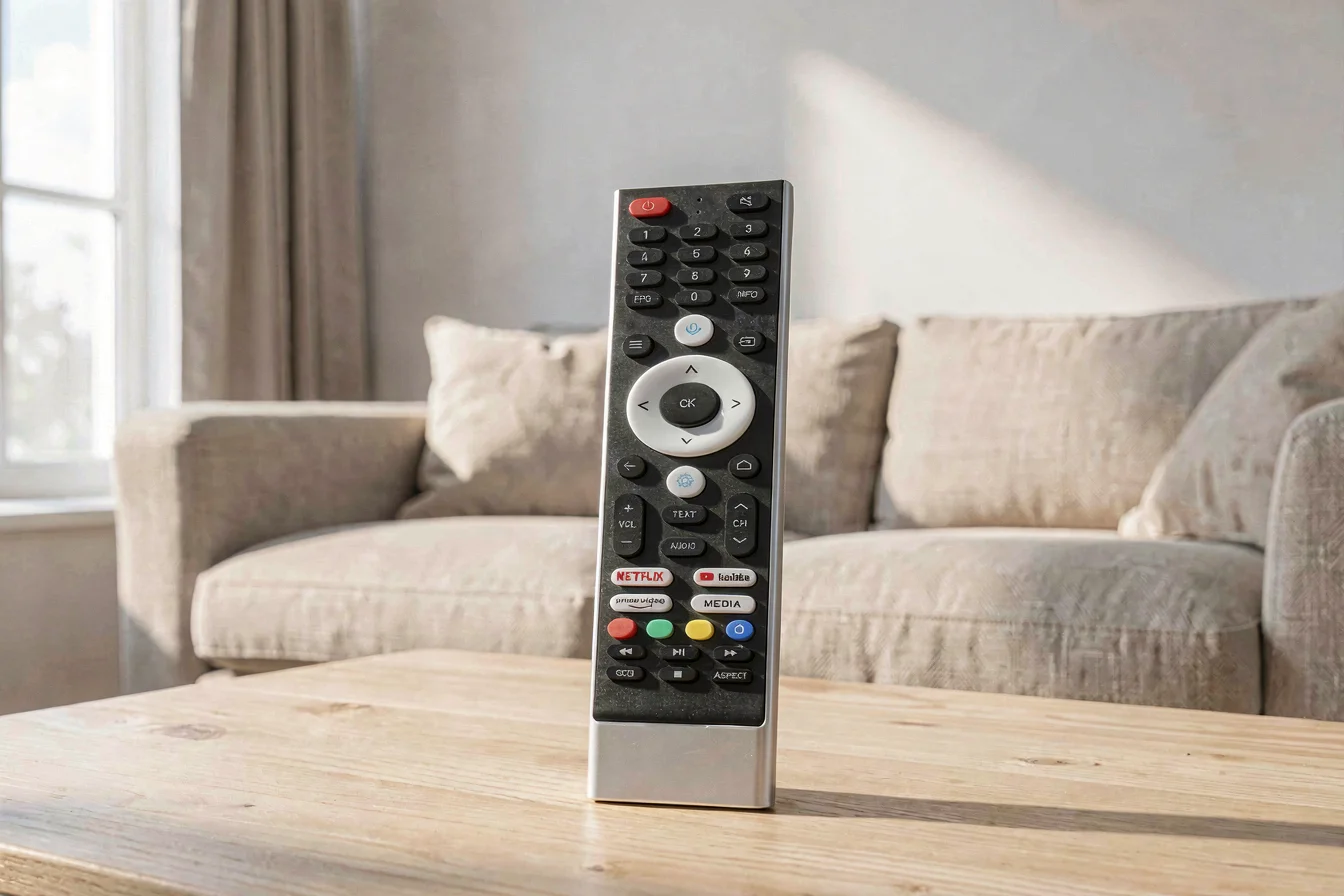
In today’s competitive market, itel TV remote control is the preferred choice for buyers prioritizing seamless integration with smart TVs, offering brand-specific compatibility and premium features. Meanwhile, generic TV remote control remains dominant for households needing universal device compatibility and cost savings. Procurement decisions should weigh ecosystem alignment, durability, and long-term cost, with rising demand for both categories as smart TVs and multi-device setups proliferate [1][3].
The TV remote control market is bifurcated between itel TV remote control and generic TV remote control , each addressing distinct buyer pain points. Itel remotes are engineered for seamless compatibility with Itel smart TVs, delivering premium features such as energy-efficient design, lightweight build, and responsive controls. They appeal to buyers seeking a unified ecosystem, reduced replacement frequency, and advanced functionality like voice command or specialized buttons [3][4]. Generic remotes, on the other hand, are designed for broad compatibility, supporting multiple TV brands and legacy models, making them ideal for households with mixed device portfolios or limited budgets [2].
Traditional challenges with remotes include accidental button presses, lost devices, and inconsistent layouts. Itel remotes solve these by offering intuitive button placement and robust build quality, while generics often prioritize affordability and flexibility at the expense of ergonomic design. Technological innovations in Itel remotes include longer battery life and integrated features for streaming, whereas generic models focus on universal compatibility and easy setup [3].
| Feature | Itel TV Remote Control | Generic TV Remote Control |
|---|---|---|
| Brand Compatibility | Seamless with Itel TVs | Universal, multi-brand |
| Build Quality | Premium, lightweight, ergonomic | Standard, often heavier, less ergonomic |
| Battery Life | Long, energy efficient | Standard, variable |
| Special Features | Voice command, streaming buttons | None or basic |
| Replacement Frequency | Low | Medium to high |
| Price Range | $4–$10 | $2–$6 |
Itel TV Remote Controls excel in premium features and brand-specific integration, while Generic TV Remote Controls offer broad compatibility and affordability.
Durability is a critical factor for TV remote procurement, especially in high-traffic households or commercial environments. Itel TV remote control models are engineered for longevity, featuring energy-efficient batteries and robust casings that resist accidental drops and frequent use [3]. Generic remotes, while less expensive, often suffer from shorter battery life and less ergonomic design, leading to higher replacement rates and user frustration [2].
Application scenarios vary: Itel remotes are ideal for smart TV setups requiring seamless integration, streaming features, and minimal setup. Generics are favored in multi-device homes, hospitality, or environments where device rotation is frequent. Buyers should weigh the frequency of remote use, the number of TVs, and the need for advanced features.
A 5-year cost outlook shows that Itel remotes, despite higher upfront costs, offer lower total cost of ownership due to reduced replacement frequency and advanced features. Generics may be cheaper initially but incur higher long-term costs from frequent replacements and inconsistent user experience.
| Cost Factor | Itel TV Remote Control | Generic TV Remote Control |
|---|---|---|
| Initial Purchase Price | $4–$10 | $2–$6 |
| Replacement Frequency | 1–2 replacements over 5 years | 3–5 replacements over 5 years |
| Maintenance Cost | Low | Medium |
| Hidden Costs | Minimal | Setup, compatibility issues |
| Total 5-Year Cost | $10–$20 | $10–$25 |
Itel TV Remote Controls offer superior durability and lower long-term costs, making them ideal for buyers prioritizing reliability and advanced features.
The TV remote control category delivers critical value in both consumer and commercial settings, with urgency rising as smart TV adoption accelerates. Itel TV remote control is increasingly relevant in markets with high smart TV penetration and brand loyalty, while generic TV remote control remains dominant in multi-device homes, hospitality, and legacy setups.
Market trend data indicates rising search interest for both Itel and Generic TV Remote Controls, with universal remotes trending highest as multi-device setups become more common [1]. Urbanization, e-commerce growth, and the rise of smart TVs are driving demand for both categories, but brand-specific remotes are gaining traction as smart TV adoption increases.
Google Trends data reveals search interest volatility for both Itel and Generic TV Remote Controls, with universal remotes consistently leading. Peaks in search interest correspond to major TV launches and holiday seasons, indicating strong top-of-funnel demand.
Search Interest over Time
Universal remotes lead in search interest, but Itel and Generic models show strong growth, signaling increased demand for both brand-specific and universal solutions.
Online communities, particularly Reddit and TikTok, highlight distinct pain points and use cases for both itel TV remote control and generic TV remote control . Case studies reveal that buyers of Itel remotes value seamless integration, ergonomic design, and reduced replacement frequency. Generics are praised for flexibility but criticized for inconsistent layouts and frequent loss [5][6][8].
Case Study 1: Smart TV Enthusiast (Itel Remote) A Reddit user describes the Itel remote as “slightly heavy but responsive, with a button layout that makes actual sense.” The user notes that accidental presses are rare, and the remote’s durability reduces replacement frequency.
"I give it a 9/10. If you have the same one I want to hear your opinion, I know there's a shortened version without the numpad for instance." [5]
Case Study 2: Multi-TV Household (Generic Remote) Another Reddit user recounts the struggle of managing two different remotes for Samsung and LG TVs, leading to frequent replacement and frustration. They praise universal apps for flexibility but criticize inconsistent layouts and frequent loss.
"Hi everyone! Recently, I realized I’m tired of dealing with a physical TV remote. It constantly goes missing, and I have two different TVs at home, Samsung and LG, which means two different remotes - not very convenient." [6]
| Dimension | Itel TV Remote Control | Generic TV Remote Control |
|---|---|---|
| Overall Satisfaction | High | Medium |
| Most Praised Feature | Ergonomic design, seamless integration | Flexibility, universal compatibility |
| Most Common Complaint | Occasional battery issues | Frequent loss, inconsistent layout |
| Community Recommendation Rate | High | Medium |
Viral content themes include ergonomic design debates, frequent loss, and compatibility gaps. TikTok and Reddit highlight recurring complaints about accidental button presses and inconsistent layouts, with community debates favoring premium remotes for reliability and universal remotes for flexibility [5][6][8].
Itel TV Remote Controls are highly recommended for reliability and ergonomic design, while Generic TV Remote Controls are valued for flexibility but criticized for frequent loss and inconsistent layouts.
Buyers should begin by identifying their core needs through a simple checklist:
Tiered recommendations:
| Tier | Recommended Product | Key Reason |
|---|---|---|
| Budget-Friendly | Generic TV Remote Control | Lowest cost, universal compatibility |
| Mid-Range | Itel TV Remote Control | Brand-specific integration, ergonomic design |
| Premium | Itel TV Remote Control | Advanced features, long battery life |
Optimization tips:
Buyers should match their procurement strategy to their TV ecosystem, budget, and frequency of use for optimal value.
Synthesizing key insights, both itel TV remote control and generic TV remote control are experiencing strong growth, with universal remotes leading in search interest but brand-specific models gaining traction as smart TV adoption rises [1]. Forward-looking trend recommendations include prioritizing ergonomic design, advanced features, and energy efficiency, especially for smart TV ecosystems. Buyers should confidently choose Itel remotes for seamless integration and durability, or generics for universal compatibility and cost savings.
The next 6–12 months will see increased demand for both brand-specific and universal remotes, with buyers encouraged to share experiences and commercial buyers to leverage wholesale platforms for optimal procurement.
Emotional call-to-action: Share your TV remote experience online to help others make informed decisions. Commercial buyers should explore Alibaba.com for wholesale procurement, leveraging bulk discounts and OEM/ODM support to optimize supply chain resilience and reduce long-term costs.