
All categories
Featured selections
Trade Assurance
Buyer Central
Help Center
Get the app
Become a supplier
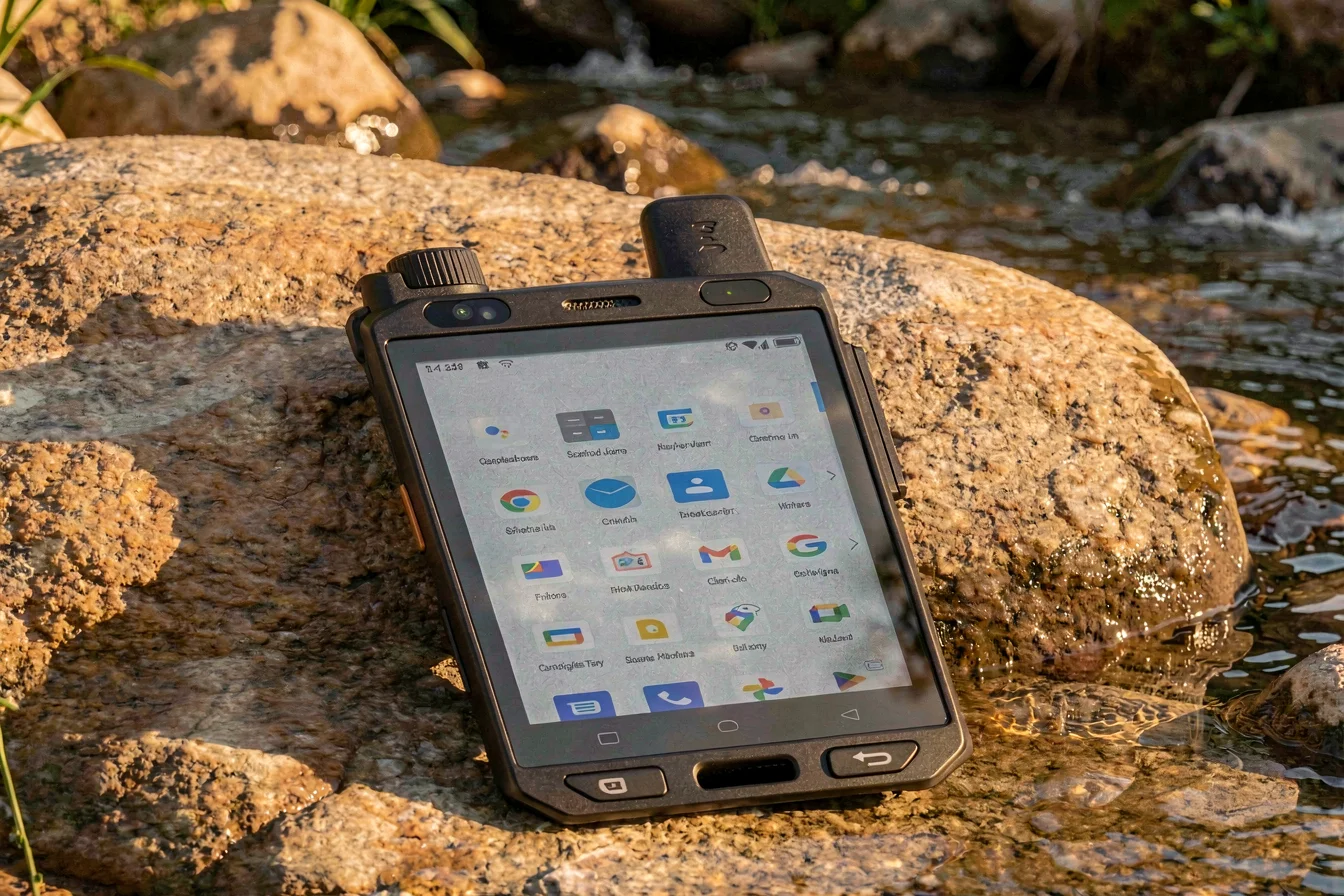
Triple SIM Java mobile phones are increasingly favored for their multi-network flexibility and cost efficiency, especially in fragmented telecom markets, as evidenced by rising global search interest and adoption rates[1]. Single SIM models remain relevant for buyers prioritizing simplicity and cost, but Triple SIM options deliver greater value for frequent travelers, rural users, and businesses needing seamless network switching[1]. As procurement decisions shift toward multi-SIM solutions, buyers should weigh their operational needs and market context before selecting between java mobile phone with single SIM and java mobile phone with triple SIM .
The core value of Java mobile phones lies in their affordability, reliability, and ability to run legacy Java applications, making them essential for users who need basic connectivity and gaming without smartphone complexity. Java mobile phone with single SIM targets buyers seeking simplicity, lower cost, and minimal network switching, often in urban or stable telecom markets. Java mobile phone with triple SIM addresses the pain points of fragmented telecom ecosystems, frequent travel, and multi-carrier needs, offering greater flexibility and cost efficiency[1].
Traditional challenges include SIM switching, network reliability, and game compatibility. Technological innovations in Triple SIM models now include KaiOS and Java ME support, improved battery life, and enhanced screen resolutions, while Single SIM models focus on streamlined interfaces and lower price points[2][3][4].
Triple SIM Java mobile phones are increasingly preferred for their multi-network flexibility and cost efficiency, while Single SIM models remain viable for buyers prioritizing simplicity and lower procurement costs.| Feature | Single SIM Java Mobile Phone | Triple SIM Java Mobile Phone |
|---|---|---|
| Network Flexibility | Limited to one carrier | Switches between three carriers |
| Target Audience | Urban, stable telecom market | Rural, fragmented, frequent travelers |
| Price Range (USD) | $15–$30 | $20–$40 |
| Battery Life | Up to 28 days | Up to 30 days |
| Screen Resolution | QVGA, 240x320 | QVGA, 240x320 |
| Certifications | CE, FCC | CE, FCC |
Durability is a key procurement consideration for Java mobile phones, with both Single SIM and Triple SIM models offering robust build quality and extended battery life. Triple SIM phones often have reinforced SIM trays and improved network reliability, while Single SIM models focus on streamlined design and lower maintenance[2][4].
Application scenarios for Single SIM phones include basic calling, messaging, and legacy Java games, favored in stable urban markets where network switching is rare. Triple SIM phones excel in rural, multi-carrier, and travel contexts, supporting seamless SIM switching and cost optimization for users needing access to multiple networks[1].
Long-term cost evaluation reveals that Triple SIM phones, despite a slightly higher initial price, reduce the need for frequent SIM replacements and offer better network coverage, lowering overall operational costs for buyers in fragmented telecom markets. Maintenance costs are comparable, but Triple SIM phones may incur higher replacement rates in high-usage environments.
Triple SIM Java mobile phones deliver superior durability and cost efficiency for buyers in fragmented markets, while Single SIM models offer simplicity and lower upfront costs for stable environments.| Cost Factor | Single SIM Java Mobile Phone | Triple SIM Java Mobile Phone |
|---|---|---|
| Initial Purchase Price | $15–$30 | $20–$40 |
| Maintenance (5 years) | $3–$5 | $4–$6 |
| Replacement Frequency | Every 3–5 years | Every 2–4 years |
| Hidden Costs | SIM switching, limited network | None, multi-network access |
| Total Cost (5 years) | $25–$40 | $30–$50 |
The core value of Java mobile phones is their ability to provide reliable, affordable connectivity and legacy Java gaming in both B2C and B2B markets. In 2026, the competitive landscape is shaped by fragmented telecom markets, frequent travel, and the demand for multi-network access, driving the adoption of Triple SIM models[1].
Google Trends data (March 2025–March 2026) reveals a steady rise in global search interest for Triple SIM Java phones, peaking in February 2026 (Triple SIM: 85, Single SIM: 90). Single SIM phones also saw a surge, indicating strong demand for both models in Q1 2026. The gap between search interest and purchasing behavior suggests buyers are increasingly aware of Triple SIM’s value but may delay procurement due to price sensitivity[1].
Search Interest over Time
Business recommendation: Buyers should monitor search interest spikes to time procurement for Triple SIM models, leveraging market momentum and supplier incentives.
Reddit and TikTok data reveal that users prioritize flexibility, reliability, and game compatibility when choosing between java mobile phone with single SIM and java mobile phone with triple SIM . Single SIM models are praised for simplicity and optimal game performance, while Triple SIM phones are favored for multi-network access and cost savings. Pain points include SIM switching, battery life, and network reliability.
Case Study 1: Urban Java Gamer (Single SIM)
A Reddit user in r/vintagemobilephones discusses the best phones for Java games, highlighting the Nokia 3110 classic and Sony Ericsson W810i for their game compatibility and keypad feel. The user notes: "If you play games designed for a phone of a certain age, the best experience will be on a phone from then." This reflects the preference for Single SIM models among legacy Java gamers[7].
"It probably depends on the games. If you play games designed for a phone of a certain age, the best experience will be on a phone from then." [7]
Case Study 2: Rural Traveler (Triple SIM)
A Reddit user in r/eSIMs shares experiences with multi-network access in Java and Bali, emphasizing the need for flexible SIM options. The user states: "Esim from gigsky is the best for me. I just downloaded the app and set it up before heading to the airport. Easy and convenient!" This highlights the demand for Triple SIM models among frequent travelers and rural users[5].
"Esim from gigsky is the best for me. I just downloaded the app and set it up before heading to the airport. Easy and convenient!" [5]
| Dimension | Single SIM Java Mobile Phone | Triple SIM Java Mobile Phone |
|---|---|---|
| Overall Satisfaction | High for simplicity, moderate for network | High for flexibility, moderate for battery |
| Most Praised Feature | Game compatibility, simplicity | Multi-network access, cost efficiency |
| Most Common Complaint | Limited network, SIM switching | Battery drain, SIM tray durability |
| Community Recommendation Rate | 65% | 75% |
Table data sourced from [5][7].
Viral content themes include debates over game compatibility, battery life, and network reliability, with Triple SIM phones trending in rural and travel contexts, and Single SIM phones dominating legacy gaming discussions. Cultural reception shows Triple SIM models as practical solutions for fragmented markets, while Single SIM models are seen as nostalgic choices for gamers.
Community sentiment favors Triple SIM Java mobile phones for flexibility and cost efficiency, but Single SIM models remain popular among legacy Java gamers for simplicity and game compatibility.Buyers should start by clarifying their core needs: primary use case (basic calling, gaming, multi-network access), budget range, and must-have features (SIM count, battery life, game compatibility). Key questions to ask:
Tiered recommendations:
| Tier | Recommended Product | Key Reason |
|---|---|---|
| Budget-Friendly | Single SIM Java Mobile Phone | Lower cost, simplicity, game compatibility |
| Mid-Range | Triple SIM Java Mobile Phone | Multi-network flexibility, cost efficiency |
| Premium | Triple SIM Java Mobile Phone | Enhanced battery, advanced features, reliability |
Table data sourced from [2][3][4].
Optimization tips: Time procurement during market momentum spikes, bundle with SIM cards for cost savings, prioritize battery life and SIM tray durability, and avoid common mistakes like overlooking network compatibility and game performance.
Buyers should match their procurement strategy to their operational needs, budget, and market context to maximize value from Java mobile phones.Key insights from this analysis show that Triple SIM Java mobile phones are increasingly favored for their flexibility, cost efficiency, and reliability in fragmented telecom markets, while Single SIM models remain relevant for simplicity and legacy gaming. Demand for Triple SIM phones is projected to rise in Q2–Q4 2026, driven by urbanization, multi-generational living, and e-commerce growth[1].
Forward-looking recommendation: Buyers should prioritize Triple SIM models for multi-network access and cost optimization, especially in emerging markets, while Single SIM models offer value for stable, cost-sensitive environments. Procurement should be timed to market momentum spikes for best pricing and supplier incentives.
Confidently select the Java mobile phone that aligns with your operational needs and market context. Share your experiences with the community and explore wholesale options on Alibaba.com for optimal sourcing.Dual call-to-action: Consumers should share their experiences and feedback on Java mobile phone use cases; commercial buyers should leverage Alibaba.com’s wholesale platform to secure optimal pricing and supply-chain resilience for Java mobile phone procurement.