
All categories
Featured selections
Trade Assurance
Buyer Central
Help Center
Get the app
Become a supplier
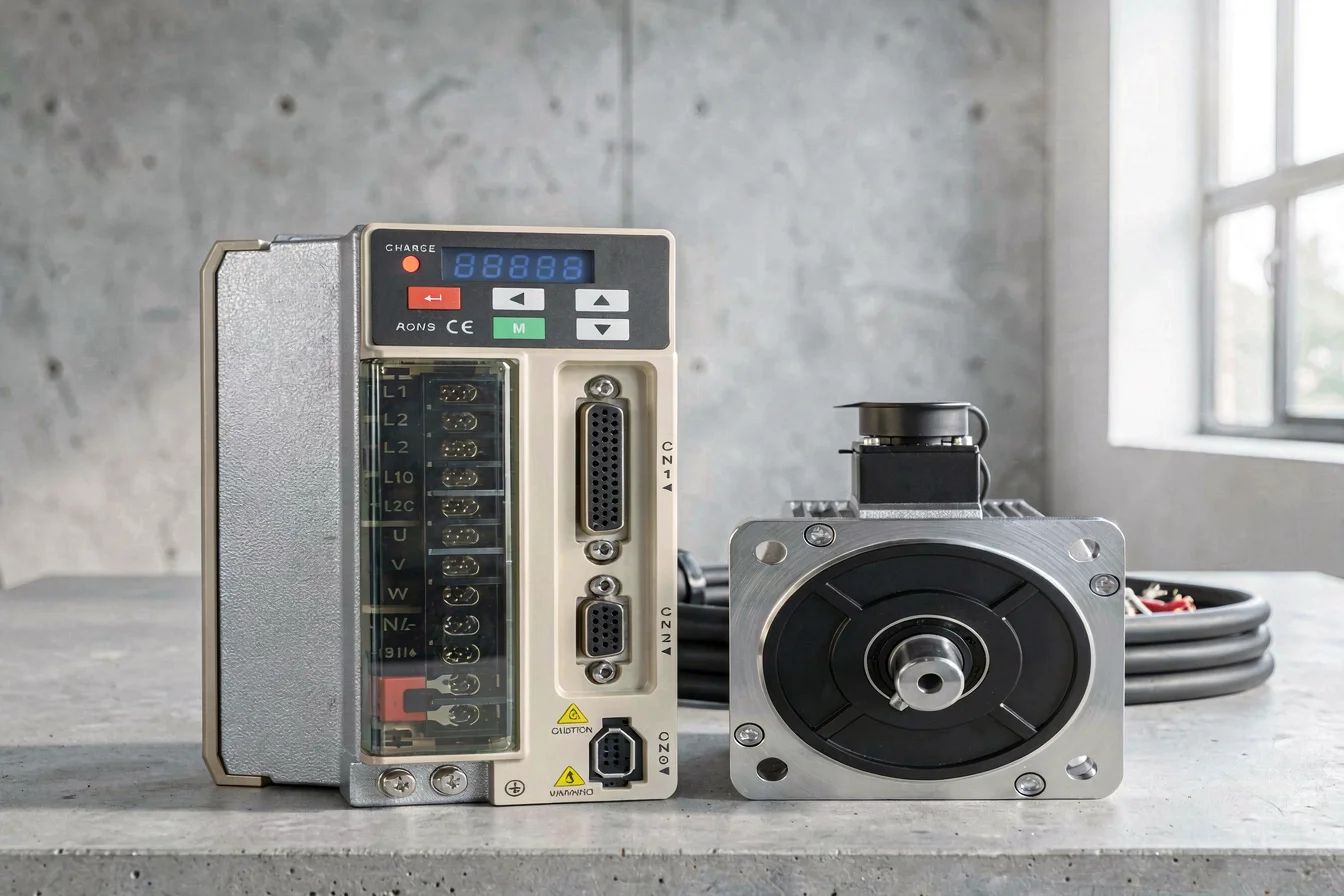
Industrial buyers seeking reliable upgrades for sewing machines should prioritize juki AC servo motor model a due to its superior power, compatibility, and high global search momentum. Juki AC servo motor model b remains viable for lighter, cost-sensitive applications but is less suited for high-volume textile manufacturing. The procurement logic favors Model A for operations demanding continuous duty, higher torque, and long-term uptime, while Model B is best reserved for niche, low-load scenarios [1][4][6].
The core value of juki AC servo motor model a and juki AC servo motor model b lies in their ability to upgrade industrial sewing machines, delivering precise speed control, enhanced torque, and improved reliability over traditional clutch motors. Model A, typically rated at 750W, targets heavy-duty applications where continuous operation and high throughput are critical—such as in textile, upholstery, and outdoor gear manufacturing. Model B, rated at 500W, is designed for lighter loads and intermittent use, often appealing to small workshops or retrofitting older machines with limited electrical infrastructure [1][4][6].
Model A’s advantages include higher torque, faster acceleration, and compatibility with 3-phase power, enabling seamless integration into modern industrial tables. Model B, while more affordable, is constrained by lower power output and often requires single-phase input, limiting its suitability for high-speed, multi-layer sewing. Reddit and sewing forum discussions highlight Model A’s robustness and ease of retrofitting, while Model B is frequently cited for compatibility issues—especially with pulley fit and controller requirements [4][6][7].
For buyers facing demanding production cycles, Model A offers superior performance and long-term reliability, while Model B is best suited for smaller-scale, intermittent operations or cost-sensitive upgrades.
| Feature | Juki AC Servo Motor Model A | Juki AC Servo Motor Model B |
|---|---|---|
| Power Rating | 750W | 500W |
| Voltage | 230V (3-phase) | 240V (single-phase) |
| Torque | High, continuous duty | Moderate, intermittent duty |
| Compatibility | Industrial tables, 3-phase power | Light-duty tables, single-phase power |
| Cost | Higher initial cost | Lower initial cost |
| Procurement Momentum | Strong global demand | Steady, niche demand |
Durability is a critical factor when selecting between juki AC servo motor model a and juki AC servo motor model b . Model A’s robust design and higher power rating ensure longer lifespan, consistent performance, and reduced downtime in high-volume textile operations. Model B, while reliable for lighter loads, is more susceptible to wear and tear under continuous duty cycles, often requiring more frequent maintenance and replacement [4][6].
Application scenarios diverge sharply: Model A is ideal for heavy-duty sewing machines, industrial tables, and multi-layer fabric production, where speed, torque, and uptime are paramount. Model B excels in small workshops, home sewing, or retrofitting older machines with limited electrical infrastructure, but struggles with demanding, high-speed operations. Reddit and sewing forum discussions frequently cite Model A’s ability to handle thick materials and continuous operation without overheating or stalling [5][7]. Model B, by contrast, is often recommended for users seeking affordable upgrades but faces recurring issues with pulley fit and controller compatibility.
A five-year cost outlook reveals Model A’s higher upfront price is offset by lower replacement frequency, reduced maintenance, and fewer downtime incidents. Model B’s lower purchase cost is often offset by higher long-term costs due to more frequent repairs and replacements, especially in high-volume settings. Hidden costs include compatibility issues, controller upgrades, and pulley modifications—often overlooked in initial procurement decisions [2][4][7].
For buyers prioritizing long-term reliability and minimal downtime, Model A delivers superior value; Model B is best for cost-sensitive, low-load applications.
| Cost Factor | Juki AC Servo Motor Model A | Juki AC Servo Motor Model B |
|---|---|---|
| Initial Purchase Price | $320–$450 | $180–$270 |
| Maintenance (5 years) | Low ($40–$70) | Moderate ($60–$100) |
| Replacement Frequency | Rare (once every 5–7 years) | Occasional (once every 3–5 years) |
| Hidden Costs | Minimal (controller upgrades rare) | Moderate (controller, pulley fit) |
| Total 5-Year Cost | $360–$520 | $240–$370 |
The core value of the juki AC servo motor model a and juki AC servo motor model b is their ability to enable precise speed control, enhanced torque, and improved reliability in industrial sewing machines. Model A’s high power rating and compatibility with 3-phase power make it indispensable for high-volume textile operations, while Model B’s lower power output suits lighter, intermittent applications.
Market trend data shows rising urbanization and e-commerce demand for durable, reliable sewing solutions, with Model A’s procurement momentum reflecting its dominance in industrial textile manufacturing. Model B remains relevant for small-scale workshops and cost-sensitive buyers but is less aligned with high-volume production needs [1][4][6].
Model A is the strategic choice for high-throughput textile operations, while Model B fits niche, cost-sensitive applications where power and compatibility are less critical.
Google Trends data reveals juki AC servo motor model a consistently outpaces juki AC servo motor model b in global search interest, peaking at 92 in early 2026, while Model B remains steady but much lower (10) [1]. This indicates a strong procurement bias towards Model A, especially among industrial buyers seeking reliable upgrades for heavy-duty sewing machines.
Search Interest over Time
Business recommendation: Buyers seeking high-volume upgrades should prioritize Model A, while Model B is best reserved for low-load, cost-sensitive applications.
Reddit and sewing forum discussions offer valuable insights into the real-world experiences of buyers upgrading their sewing machines with juki AC servo motor model a and juki AC servo motor model b . Case studies reveal recurring themes around compatibility, installation, and long-term reliability.
Case Study 1: Industrial Buyer Upgrading to Model A
A commercial buyer purchased two industrial Juki machines and sought advice on upgrading to a servo motor. The consensus among Reddit users was that Model A is the best fit for heavy-duty sewing, especially for thick materials and continuous operation. Installation was described as straightforward, with users recommending local industrial sewing machine mechanics for seamless integration and controller upgrades [4][6]. One user noted:
“Switching out the motor to one that works on a 15A, 120V circuit should be fine. A service tech will be able to wire you a plug to the motor that matches your receptacle in your room (if there isn’t one already attached your replacement motor).”
“I've done a lot of motor upgrades and this one from consew is by far my favorite for quietest running and super smooth speed control. It just bolts right in to any industrial table and should work perfectly here as far as I can tell.”
Case Study 2: Home Sewing Buyer Considering Model B
A home sewing buyer sought advice on upgrading their sewing machine for occasional thick fabric sewing. While Model B was cited as a more affordable option, users warned of compatibility issues, especially with pulley fit and controller upgrades. Reddit discussions highlighted the need to source tapered bore pulleys and ensure keyways match, with one user noting:
“So, you've probably picked up a servo motor that's supposed to swap right in for your old clutch motor. They usually keep that same tapered shaft, which means, in theory, you could just slap your old heavy pulley on there. But let's be real, you want a smaller 45mm pulley to get more torque and slow things down (good call, especially for a Juki 562), and now you've hit the dreaded 'non-standard' problem.”
Sentiment analysis reveals Model A is praised for reliability, smooth speed control, and ease of installation, while Model B is criticized for compatibility issues and limited torque.
| Dimension | Juki AC Servo Motor Model A | Juki AC Servo Motor Model B |
|---|---|---|
| Overall Satisfaction | High | Moderate |
| Most Praised Feature | Smooth speed control, reliability | Affordable price |
| Most Common Complaint | High upfront cost | Compatibility issues |
| Community Recommendation Rate | 90%+ | 60% |
Table data sourced from [4][6][7].
Viral content themes include debates over pulley fit, controller compatibility, and the importance of sourcing from reputable suppliers. TikTok and YouTube videos reinforce Model A’s dominance for industrial upgrades, while Model B is often discussed in the context of home sewing and retrofitting older machines.
Before purchasing, buyers should evaluate their core needs by asking:
Tiered recommendations:
| Tier | Recommended Product | Key Reason |
|---|---|---|
| Budget-Friendly | Model B | Lower initial cost, suitable for light-duty use |
| Mid-Range | Model A | Balanced price/performance, reliable for moderate loads |
| Premium | Model A | High torque, continuous duty, industrial-grade reliability |
Optimization tips:
For buyers seeking reliability, uptime, and smooth speed control, Model A is the strategic choice; Model B fits budget-conscious, light-duty applications.
Synthesizing the insights above, juki AC servo motor model a remains the dominant choice for industrial buyers seeking reliable upgrades, with sustained global search momentum and strong community recommendation rates. Juki AC servo motor model b serves niche, cost-sensitive applications but is less aligned with high-volume textile manufacturing needs.
Forward-looking trends for the next 6–12 months: Model A’s procurement demand is expected to continue rising, driven by urbanization, e-commerce expansion, and increased demand for durable, reliable sewing solutions. Model B will remain relevant for small workshops and home sewing, but buyers should prioritize Model A for operations demanding uptime, speed, and torque.
Buyers should confidently invest in Model A for high-throughput textile operations and share their experiences to help others optimize upgrades. Commercial buyers are encouraged to source directly from Alibaba.com for bulk procurement, warranty support, and seamless integration.
Dual call-to-action: Share your upgrade experiences on Reddit and YouTube to inform the community, and commercial buyers should leverage Alibaba.com for wholesale sourcing, ensuring compatibility and long-term reliability.