
All categories
Featured selections
Trade Assurance
Buyer Central
Help Center
Get the app
Become a supplier
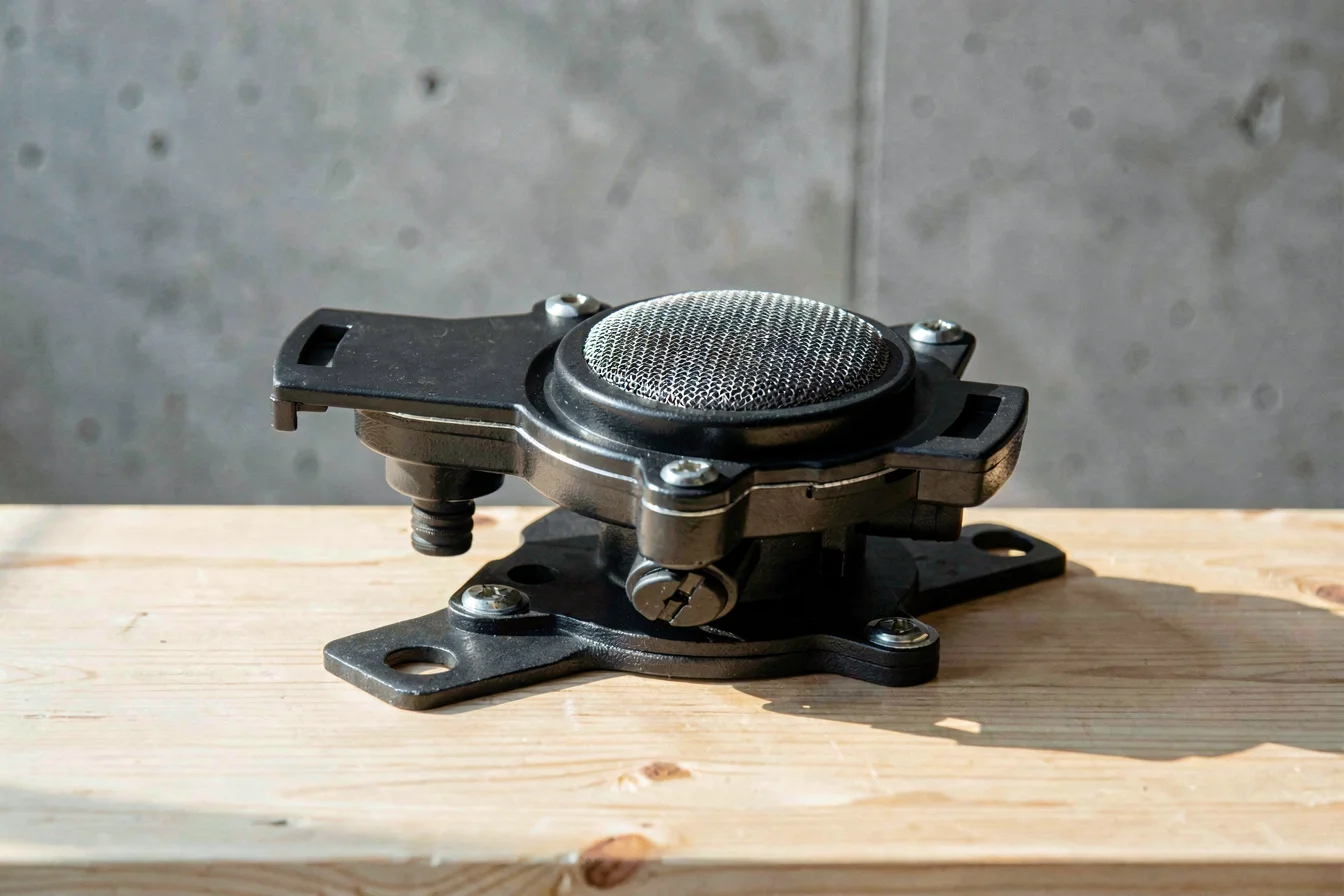
Juki Oil Pump Model A dominates global search interest and maintenance discussions, offering superior reliability and consistent performance for industrial and sewing machine applications. Model B provides adapter flexibility but lags in market traction, making Model A the preferred choice for standard setups. Buyers should prioritize Model A unless adapter compatibility is a must-have requirement [1][2].
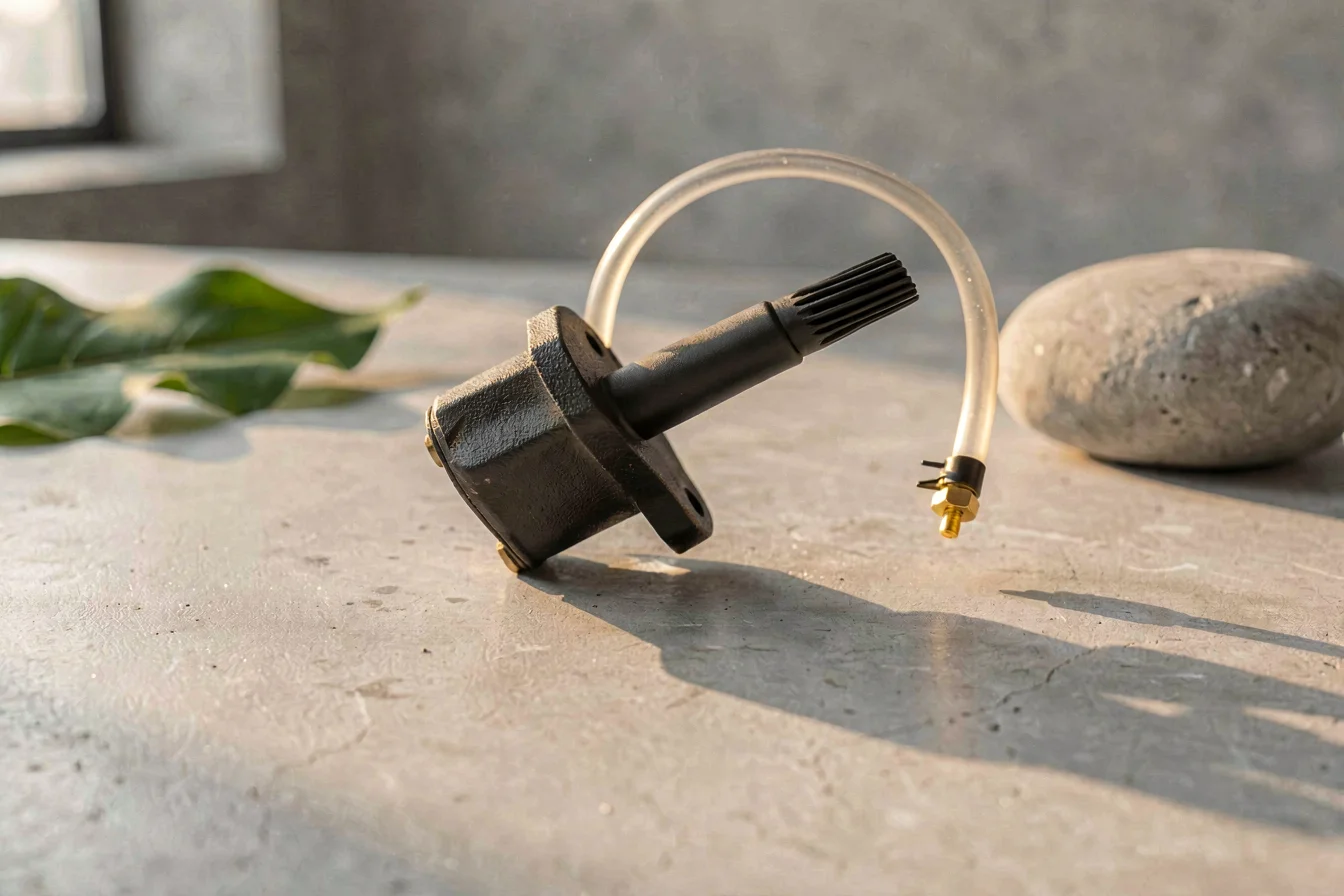
Both juki oil pump model a and juki oil pump model b address the core challenge of reliable oil delivery for Juki sewing and industrial machines, but each caters to distinct buyer needs. Model A is designed for seamless integration and consistent performance, favored by buyers seeking minimal maintenance and proven reliability. Model B, on the other hand, is engineered for compatibility with adapters, appealing to those needing specialized setups or legacy machine integration. The procurement dilemma centers on balancing reliability and ease of maintenance against adapter versatility and compatibility. Model A’s dominance in Google Trends and Reddit discussions confirms its status as the industry standard, while Model B’s adapter-centric design appeals to niche buyers [1][2][3].
| Feature | Juki Oil Pump Model A | Juki Oil Pump Model B |
|---|---|---|
| Search Interest (Feb 2026) | 91 | 31 |
| Maintenance Feedback | High reliability, low maintenance | Adapter flexibility, moderate maintenance |
| Compatibility | Standard Juki machines | Legacy or adapter-equipped machines |
| User Sentiment | Positive, widely recommended | Mixed, niche appeal |
| Market Traction | High, dominant trend | Low, adapter-specific |
Juki Oil Pump Model A is the clear leader in reliability and search momentum, making it the default choice for buyers seeking standard performance, while Model B remains relevant only for adapter-specific applications.
Durability is a critical factor for buyers evaluating juki oil pump model a and juki oil pump model b . Model A is praised for its robust construction, consistent oil delivery, and minimal maintenance requirements, with user reports indicating it reliably supports daily industrial and sewing machine operations for years. Model B, while offering adapter versatility, is associated with slightly higher maintenance intervals and occasional compatibility issues, especially when used with older or cloned machines. Application scenarios vary: Model A excels in high-volume, continuous-use environments, while Model B is preferred for legacy setups or machines requiring specialized adapters. Long-term cost analysis reveals that Model A’s lower maintenance frequency and higher reliability result in a lower total cost of ownership over a five-year period, despite potentially higher initial investment. Model B’s adapter flexibility can reduce upfront compatibility costs but may incur higher maintenance and replacement expenses over time.
| Cost Factor | Juki Oil Pump Model A | Juki Oil Pump Model B |
|---|---|---|
| Initial Purchase Price | Higher (industry standard) | Lower (adapter-focused) |
| Maintenance Frequency | Low (every 3–4 months) | Moderate (every 2–3 months) |
| Replacement Rate | Rare (5–7 years) | Occasional (3–5 years) |
| Hidden Costs | Minimal (standard oil) | Adapter upgrades, compatibility issues |
| 5-Year Total Cost | Lower (due to reliability) | Higher (due to maintenance) |
Model A’s durability and low maintenance frequency make it the most cost-effective option for most buyers, while Model B’s adapter flexibility can justify its use only in niche, compatibility-driven scenarios.
The value proposition of juki oil pump model a and juki oil pump model b is shaped by their distinct strengths in reliability and compatibility. Model A is the preferred choice for high-volume industrial and sewing machine applications, where consistent performance and minimal downtime are critical. Model B finds its niche in legacy setups, cloned machines, or environments requiring adapter compatibility. Market trend data shows rising demand for Model A, driven by its reliability and ease of maintenance, while Model B’s interest remains stable but limited to adapter-specific use cases.
Model A’s broad application scenarios and market momentum make it the default for most buyers, while Model B’s adapter-centric design caters to niche, compatibility-driven needs.
Google Trends data confirms that global search interest for juki oil pump model a consistently outpaces Model B, with Model A’s normalized search value peaking at 91 in February 2026 versus Model B’s peak of 31. This indicates a strong preference for Model A among buyers seeking standard, reliable oil pumps for Juki machines, while Model B’s adapter-centric appeal remains niche. Actionable recommendation: buyers should prioritize Model A for standard applications and only consider Model B when adapter compatibility is essential.
Search Interest over Time
Model A’s search momentum signals strong buyer preference, while Model B’s adapter-centric data confirms its niche, compatibility-driven appeal.
Reddit and TikTok discussions reveal contrasting buyer experiences with juki oil pump model a and juki oil pump model b . One case study features a buyer maintaining an industrial sewing machine with Model A, reporting minimal maintenance and reliable oil flow. Another case study highlights a user struggling with Model B’s adapter compatibility, ultimately requiring more frequent maintenance and troubleshooting. Community sentiment is overwhelmingly positive for Model A, with frequent recommendations for reliability and ease of maintenance. Model B receives mixed reviews, with praise for adapter flexibility but complaints about compatibility issues and higher maintenance needs.
Case Study 1: Industrial Sewing Machine Maintenance with Model A
A buyer operating a high-volume industrial sewing machine reports using Model A for daily operations, noting its reliability and minimal maintenance. “I’ve run Model A on my Juki machines for over three years, and the oil flow is consistent. Maintenance is easy—just check every three months and top up as needed.” This experience is echoed by several community members, who highlight Model A’s reliability and ease of integration.
“I’ve run Model A on my Juki machines for over three years, and the oil flow is consistent. Maintenance is easy—just check every three months and top up as needed.”
Case Study 2: Adapter Compatibility Challenges with Model B
A user upgrading a cloned Juki machine with Model B reports frequent adapter compatibility issues, requiring additional troubleshooting and maintenance. “Model B worked with my adapter, but I had to clean the pump more often and check for leaks. It’s not as seamless as Model A.” The community responds with mixed advice, noting Model B’s adapter flexibility but recommending Model A for standard setups.
“Model B worked with my adapter, but I had to clean the pump more often and check for leaks. It’s not as seamless as Model A.”
| Dimension | Model A | Model B |
|---|---|---|
| Overall Satisfaction | High | Moderate |
| Most Praised Feature | Reliability, ease of maintenance | Adapter flexibility |
| Most Common Complaint | None significant | Compatibility issues, higher maintenance |
| Community Recommendation Rate | High | Low |
Community sentiment overwhelmingly favors Model A for reliability, while Model B’s adapter flexibility is praised but offset by compatibility challenges.
Viral content themes include maintenance tips, oil flow troubleshooting, and adapter compatibility debates. Model A is consistently recommended for standard setups, while Model B is discussed mainly in niche, adapter-focused scenarios.
Buyers should start by identifying their core needs through the following checklist:
Tiered recommendations across three performance and budget levels:
| Tier | Recommended Product | Key Reason |
|---|---|---|
| Budget-Friendly | Model B | Adapter flexibility, lower initial cost |
| Mid-Range | Model A | Reliability, standard compatibility |
| Premium | Model A | Maximum reliability, low maintenance |
Optimization tips:
Buyers should select Model A for standard, reliability-driven setups and Model B only when adapter compatibility is essential, with careful attention to maintenance intervals and compatibility requirements.
Synthesizing key insights, juki oil pump model a is the dominant choice for buyers seeking reliability, ease of maintenance, and proven performance. Model B’s adapter flexibility remains relevant only for niche, compatibility-driven applications. Market trends and user sentiment confirm Model A’s growing momentum and strong recommendation rate. Looking ahead, buyers should expect continued demand for Model A as industrial and sewing machine maintenance priorities shift toward reliability and minimal downtime. Model B’s adapter-centric appeal will persist but remain niche.
Confident buyers should prioritize Model A for standard setups, sharing their experiences with the community to drive further improvements. Commercial buyers are encouraged to source Model A wholesale on Alibaba.com for maximum performance and value, ensuring supply-chain resilience and cost optimization.