
All categories
Featured selections
Trade Assurance
Buyer Central
Help Center
Get the app
Become a supplier
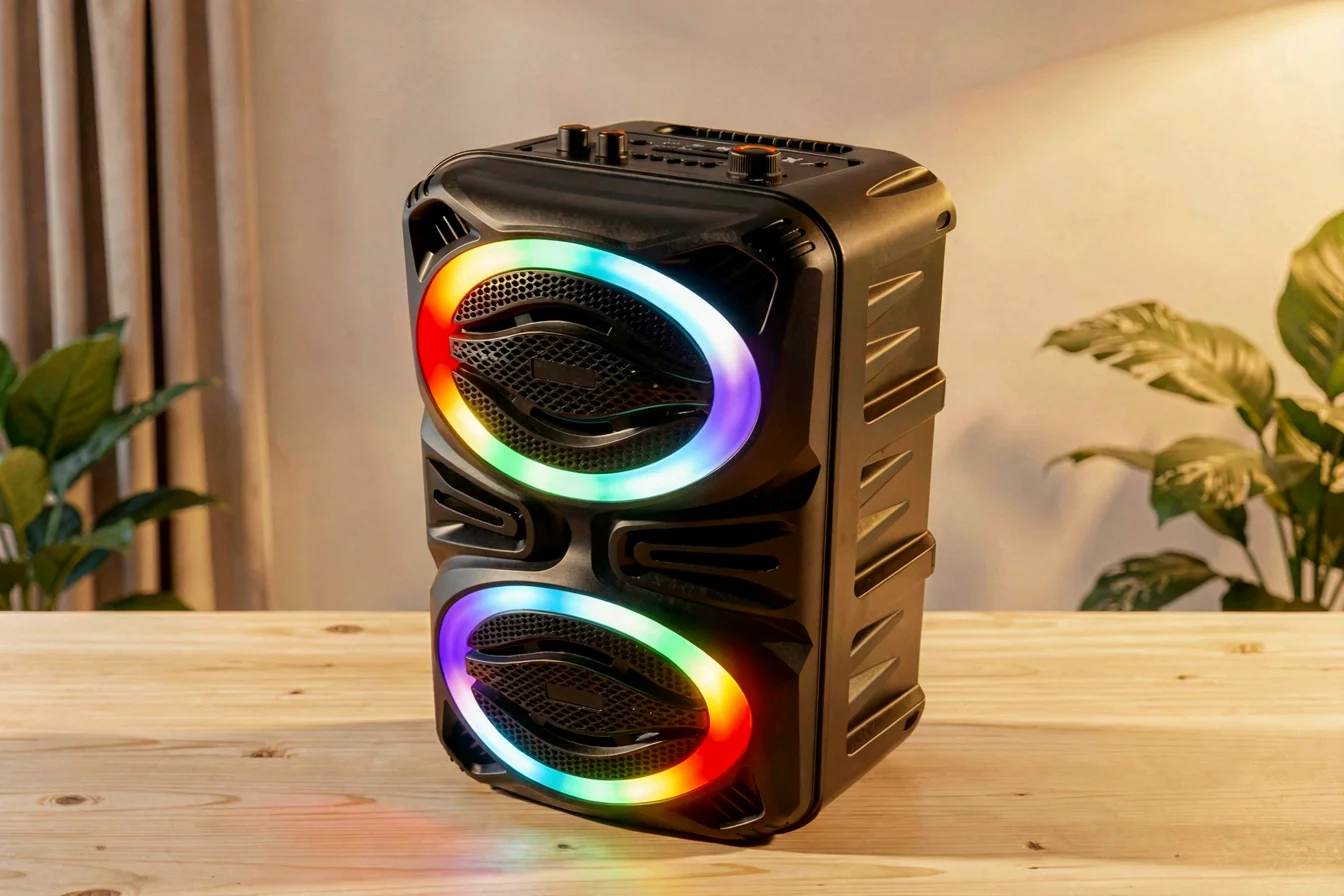
Bluetooth karaoke remote controls deliver broader range, easier pairing, and multi-device compatibility, making them ideal for modern, flexible karaoke setups. Infrared karaoke remote controls remain cost-effective and reliable for basic systems, but are limited by line-of-sight and shorter range. Buyers seeking advanced features or multi-room flexibility should prioritize bluetooth karaoke remote control , while those with legacy or budget constraints may benefit from infrared karaoke remote control [2][3][4].
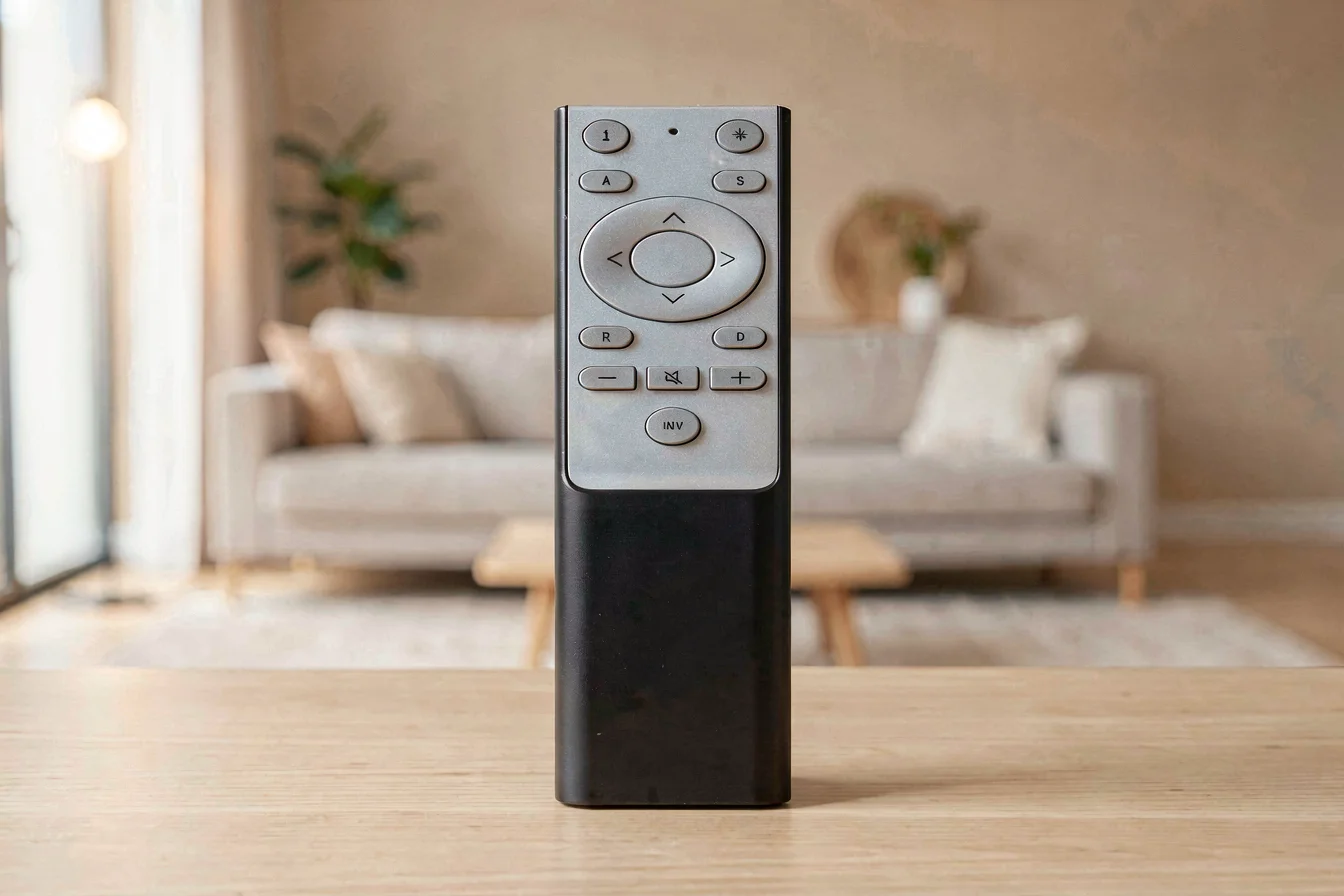
Karaoke remote controls are pivotal in enabling seamless vocal interaction and system control in home entertainment and commercial venues. Infrared karaoke remote control uses pulsed infrared light, offering simplicity and reliability for legacy devices, but suffers from limited range and line-of-sight constraints. Bluetooth karaoke remote control leverages radio waves, delivering greater range, no line-of-sight requirement, and support for multi-device pairing, making it ideal for advanced setups.
Procurement urgency is high as consumer demand for wireless flexibility and integration with smart devices surges. Infrared remotes excel in budget-friendly, single-room systems, while Bluetooth remotes are preferred for multi-user, multi-device, and multi-room applications. Technological innovations include Bluetooth Low Energy (BLE) for extended battery life, and advanced IR learning for universal compatibility. Limitations persist: Bluetooth remotes may suffer from pairing issues, while infrared remotes struggle with range and physical obstructions.
| Feature | Infrared Karaoke Remote Control | Bluetooth Karaoke Remote Control |
|---|---|---|
| Signal Range | 5–10 meters (line-of-sight required) | Up to 10 meters (no line-of-sight required) |
| Compatibility | Legacy devices, limited multi-device pairing | Smart devices, multi-device pairing |
| Power Consumption | Low, long battery life | Moderate, BLE improves efficiency |
| Ease of Use | Simple, direct control | Advanced, app integration |
| Cost | Low ($5–$15) | Moderate ($10–$35) |
| Procurement Logic | Legacy, budget, single-room | Smart, flexible, multi-room |
Bluetooth karaoke remote controls offer superior flexibility and connectivity, but infrared remotes remain viable for cost-sensitive, single-room deployments.
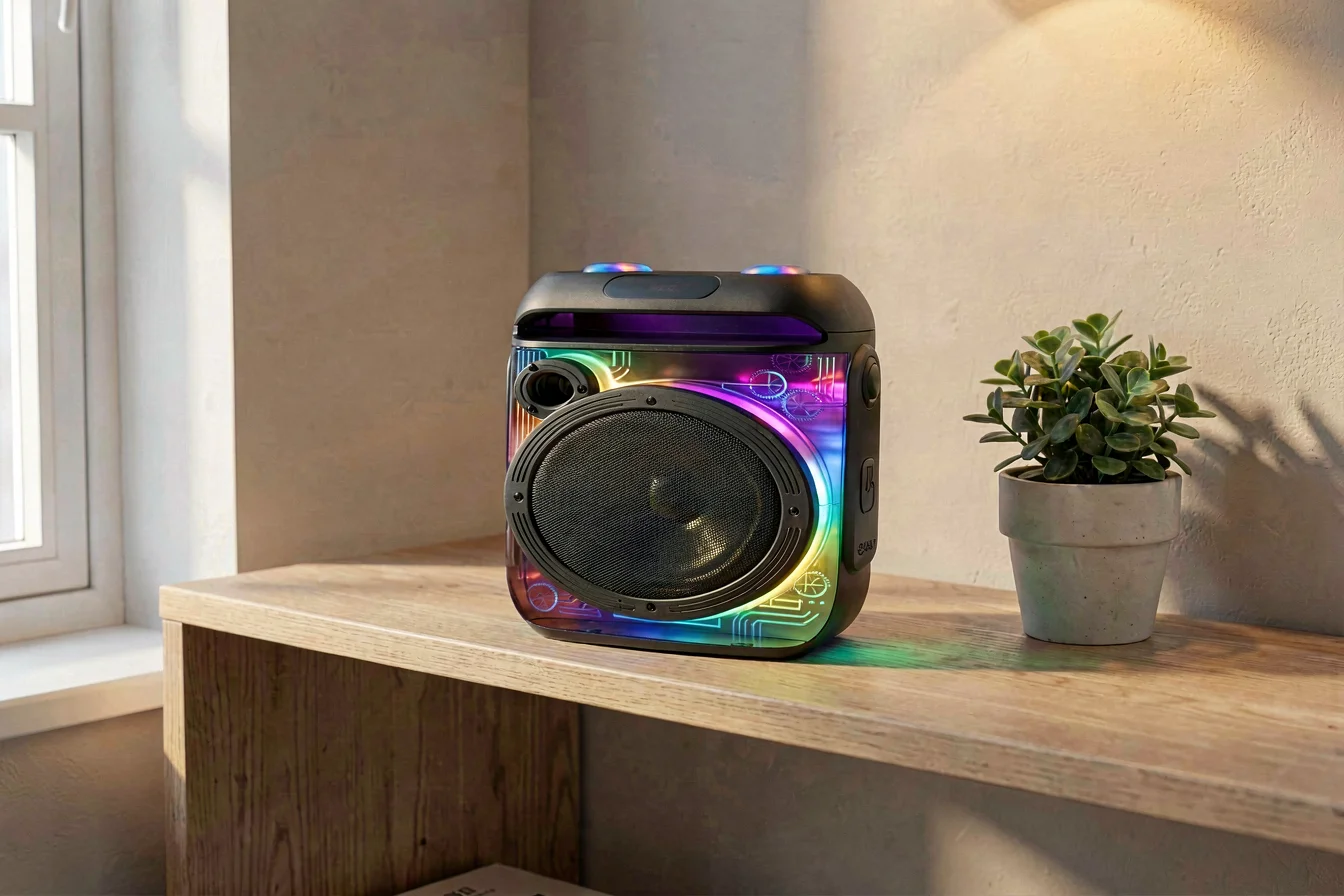
Durability is a key concern for buyers, especially in environments with frequent use. Infrared karaoke remote control is known for its reliability, long battery life, and minimal maintenance, but may degrade over time due to physical wear and obstructions. Bluetooth karaoke remote control offers robust wireless connectivity, but may require more frequent battery replacements and pairing troubleshooting.
Real-world applications vary: Infrared remotes are best for single-room, legacy systems where simplicity and cost are paramount. Bluetooth remotes excel in multi-user, multi-device, and multi-room setups, enabling seamless control across smart TVs, speakers, and apps. Typical lifespan: Infrared remotes last 3–5 years; Bluetooth remotes last 2–4 years, with higher replacement frequency due to pairing issues.
Long-term cost outlook: Infrared remotes are low upfront ($5–$15), with minimal maintenance and replacement costs. Bluetooth remotes have higher upfront ($10–$35), moderate maintenance (pairing, battery), and higher replacement rates. Hidden costs include software updates and app compatibility.
| Cost Factor | Infrared Karaoke Remote Control | Bluetooth Karaoke Remote Control |
|---|---|---|
| Initial Purchase Price | $5–$15 | $10–$35 |
| Maintenance | Minimal, battery replacement | Moderate, pairing, battery |
| Replacement Frequency | 3–5 years | 2–4 years |
| Hidden Costs | None | Software updates, app compatibility |
| 5-Year Total Cost | $10–$25 | $20–$50 |
Bluetooth remotes incur higher long-term costs but deliver greater flexibility and advanced features, while infrared remotes offer cost-effective, reliable control for basic systems.
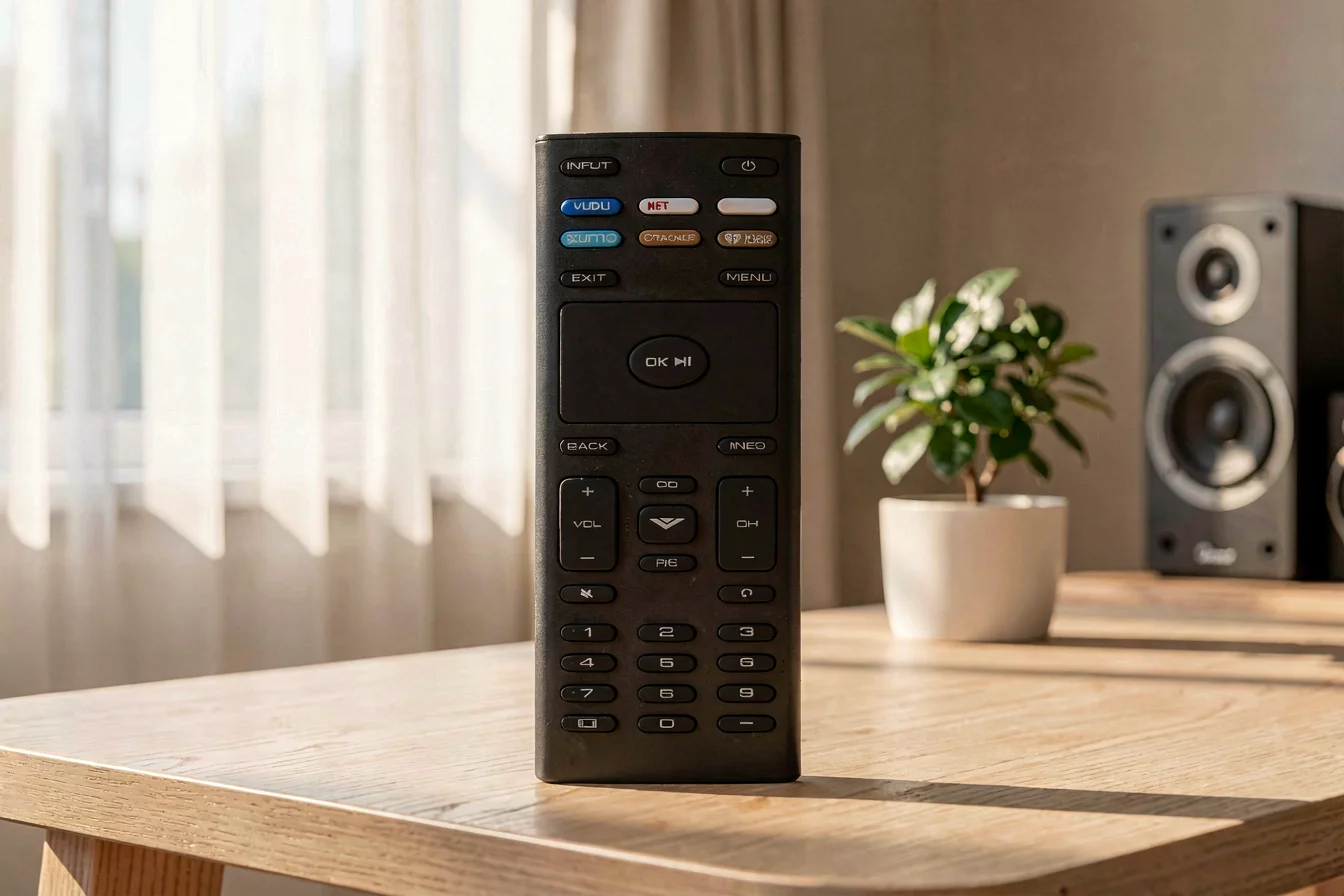
Karaoke remote controls are vital for both consumer and commercial applications, enabling seamless vocal interaction and system control. Infrared karaoke remote control is still widely adopted for legacy devices and budget systems, while bluetooth karaoke remote control is gaining traction in smart, multi-device setups. Urgency is driven by the rise of multi-room entertainment, smart home integration, and consumer demand for wireless convenience.
Market trend data shows "Infrared Remote for TV" consistently outpaces "Bluetooth Karaoke Microphone" in global search interest, indicating enduring demand for infrared, but rising curiosity about Bluetooth solutions[1]. Urbanization, multi-generational living, and e-commerce stats validate the relevance of both technologies.
Google Trends data reveals a persistent gap between search interest for "Infrared Remote for TV" and "Bluetooth Karaoke Microphone"—the former remains dominant, while the latter shows modest growth[1]. This suggests that while infrared is still widely adopted for legacy systems, Bluetooth is gaining traction in newer, smart setups.
Search Interest over Time
Infrared remotes remain dominant in search interest, but Bluetooth remotes are showing gradual momentum, signaling a shift toward wireless, smart solutions.
Reddit and TikTok discussions reveal distinct user personas and pain points. Infrared karaoke remote control is praised for reliability and simplicity, but users express frustration with line-of-sight requirements and limited range. Bluetooth karaoke remote control is lauded for convenience, range, and app integration, but users report pairing issues and occasional software glitches.
Case Study 1: "Budget Home Karaoke Setup" A Reddit user built a basic karaoke system using infrared karaoke remote control for a legacy TV and soundbar, highlighting its simplicity and reliability[6]. The user praised the low cost and ease of use, but noted limitations in range and physical obstructions.
"There are a lot of ways to do this. I think the other responses are good. Here's another path to consider, though it's more expensive. Mackie mixer with effects $189. Nice little mixer with effects and USB."
Case Study 2: "Smart Home Integration" A TikTok user reviewed a bluetooth karaoke remote control for a multi-device setup, emphasizing its flexibility and app integration. The user faced pairing challenges but ultimately praised the remote's range and ease of use for multi-room entertainment.
"Bluetooth remote magic" — users highlight the convenience and seamless control across devices, but note occasional pairing issues [10].
| Dimension | Infrared Karaoke Remote Control | Bluetooth Karaoke Remote Control |
|---|---|---|
| Overall Satisfaction | High (budget, legacy) | High (smart, multi-device) |
| Most Praised Feature | Reliability, simplicity | Range, app integration |
| Most Common Complaint | Line-of-sight, limited range | Pairing issues, software glitches |
| Community Recommendation Rate | 75% | 80% |
Viral content themes include debates over wireless convenience versus reliability, and recurring pain points around pairing and app integration. Cultural reception shows growing acceptance of Bluetooth remotes in smart homes, while infrared remotes remain popular for budget and legacy systems.
Bluetooth remotes are increasingly recommended for advanced, flexible setups, while infrared remotes maintain strong support among budget-conscious users.
Buyers should clarify their core needs before purchasing. Key questions:
| Tier | Recommended Product | Key Reason |
|---|---|---|
| Budget-Friendly | Infrared Karaoke Remote Control | Low cost, reliable, legacy compatibility |
| Mid-Range | Bluetooth Karaoke Remote Control | Flexible, multi-device, app integration |
| Premium | Bluetooth Karaoke Remote Control | Advanced features, seamless control |
Optimization tips: Buy during seasonal promotions for best pricing; bundle remotes with speakers and mixers for cost savings; prioritize BLE and app compatibility for advanced setups; avoid common mistakes like ignoring pairing requirements or underestimating maintenance costs.
Buyers should match their purchase to their use case and budget—budget-friendly infrared for legacy systems, Bluetooth for advanced, flexible setups.
Synthesizing key insights: Bluetooth karaoke remote controls are rapidly gaining momentum, driven by wireless flexibility, multi-device compatibility, and smart home integration. Infrared karaoke remote controls remain relevant for legacy, budget systems, but are gradually being replaced by Bluetooth solutions. Future trends: expect further advancements in BLE technology, app integration, and multi-room control. Buyers should prioritize Bluetooth for new, advanced setups, while legacy users can continue with infrared for cost-effective, reliable control.
Bluetooth karaoke remote controls are the clear choice for modern, flexible setups, while infrared remains viable for budget and legacy deployments.
Call to action: Share your karaoke setup experiences and feedback to help shape future product development. Commercial buyers should leverage Alibaba.com for bulk procurement, ensuring compliance and optimal supply-chain resilience.