
All categories
Featured selections
Trade Assurance
Buyer Central
Help Center
Get the app
Become a supplier
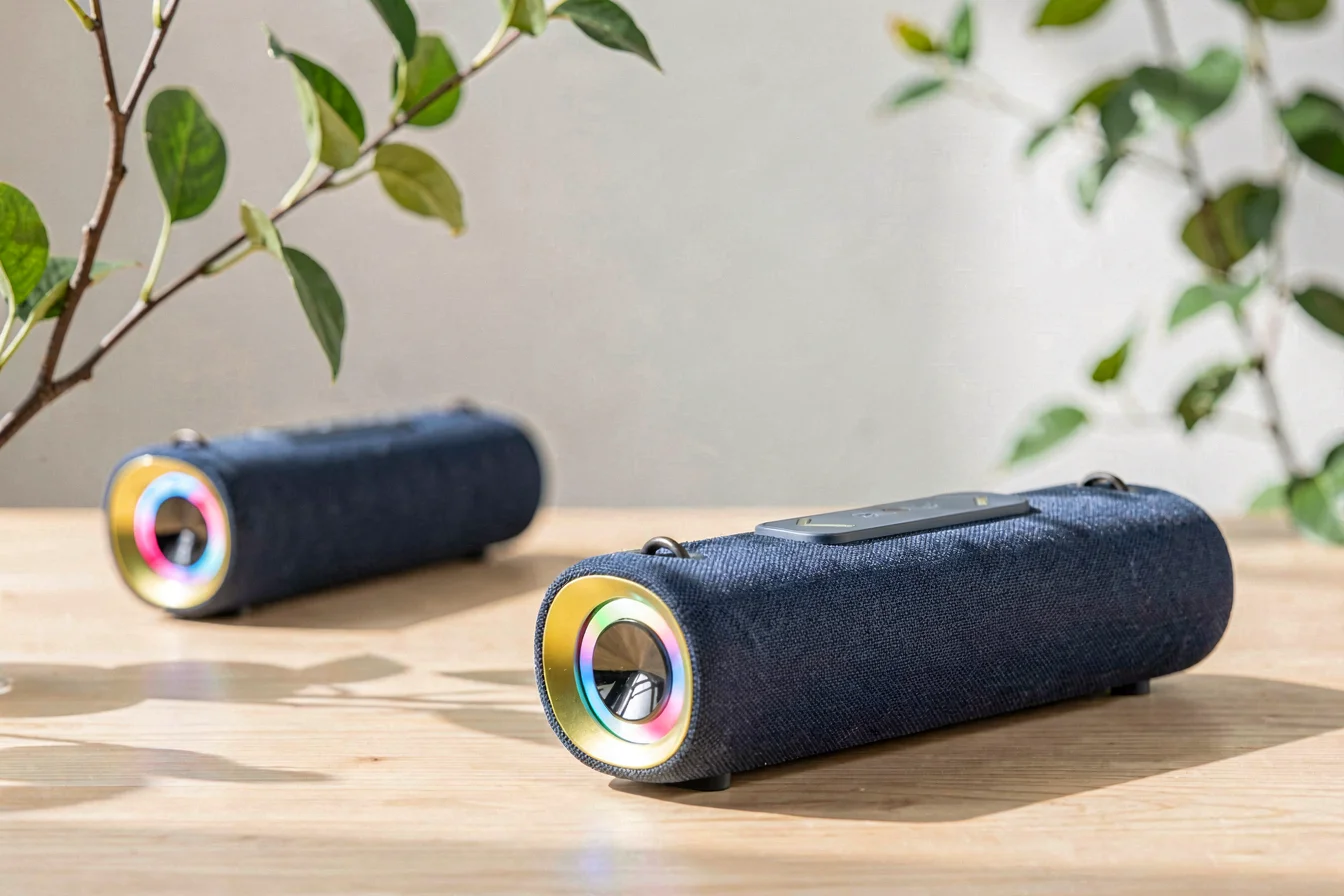
Procurement professionals must weigh the rugged reliability and cost advantage of kasun speaker against the trend-driven market power and technical superiority of competitor brand speaker [1][2]. Current global search momentum strongly favors competitor brands, especially for advanced features and resale potential [1][6]. For B2B buyers seeking innovation, broad distribution, or prestige, competitor options are preferable—though Kasun remains attractive for cost-driven, volume-centric sourcing.
The core value in the Bluetooth speaker segment is portable, powerful audio, helping users—enterprises and consumers—transition seamlessly from wired setups to wireless environments [2][6]. Kasun speaker excels in budget-driven scenarios, delivering essential features, consistent reliability, and low entry price. Its audience is value-focused distributors, hospitality chains, and OEMs seeking predictable, bulk supply. In contrast, competitor brand speaker targets innovation-hungry buyers, integrators, and retail marketers who demand advanced features, robust brand reputation, and wider consumer reach (JBL, Bose, Sonos, Marshall) [3][4].
Traditional procurement challenges include balancing cost, quality inspection, warranty support, and supplier stability. Innovations favoring competitor brands—such as IPX7–IPX8 waterproofing, voice control, advanced battery management, app integration, and multi-room ecosystem—are increasingly decisive [4][10][16]. Kasun’s limitations, according to aggregated reviews, are absence of smart connectivity, less consistent acoustic performance at higher volumes, and weaker resale recognition [2][3].
| Feature | Kasun Speaker | Competitor Brand Speaker |
|---|---|---|
| Price Range (USD) | $20–$60 | $40–$400 |
| Key Features | Basic Bluetooth, Reliable, Moderate Battery | Waterproof, Smart App, Multi-room, Premium Drivers |
| Certifications | CE, FCC, RoHS | CE, FCC, RoHS, IPX7/8, Voice Control |
| Brand Recognition | Limited, Regional | Global, High Consumer Awareness |
| Resale Value | Low to Moderate | High |
Competitor brand speakers offer superior technical differentiation and wider distribution, making them the logical choice for most B2B buyers unless cost is the overriding factor.
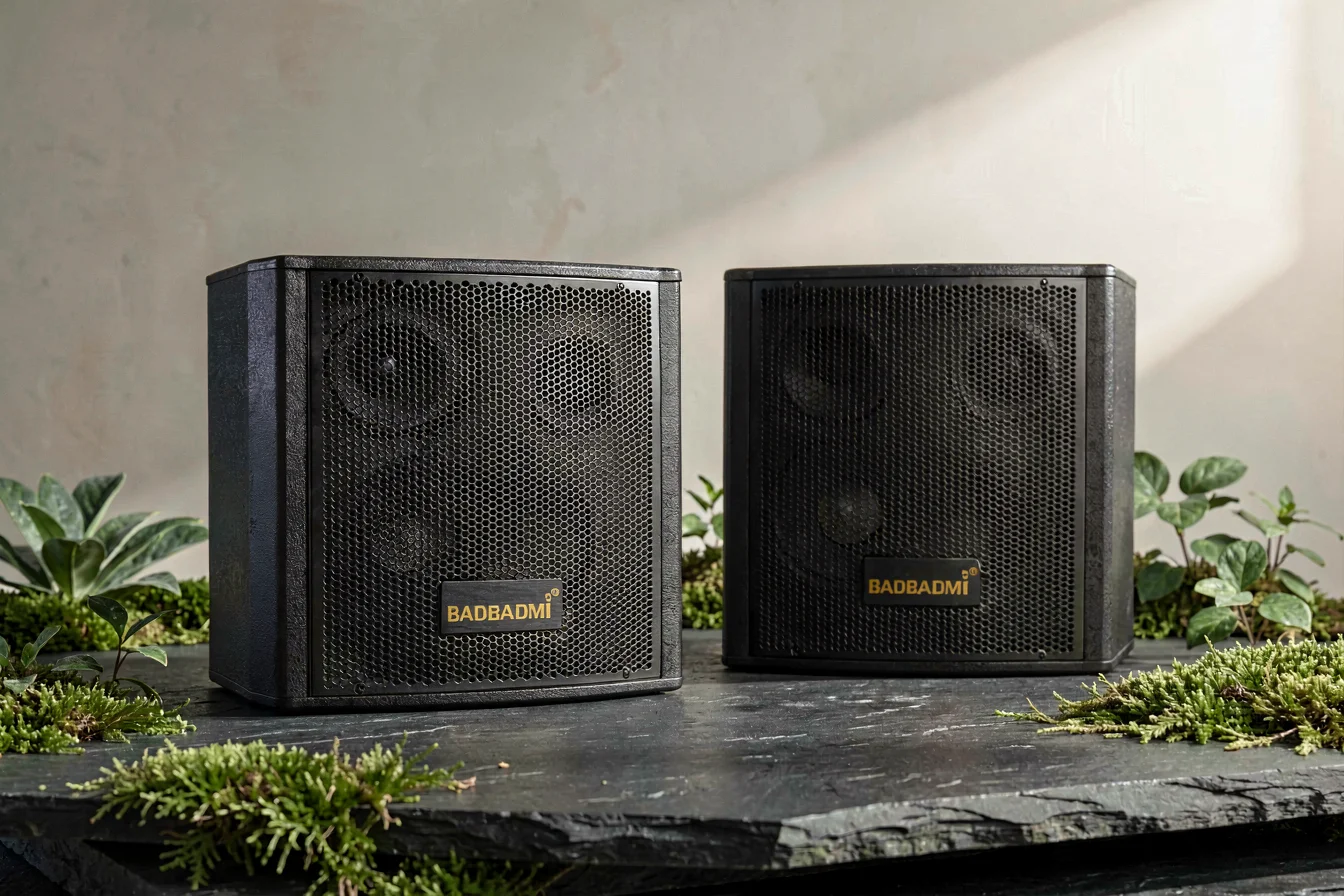
Durability is paramount: kasun speaker is known for solid build and moderate battery life, typically lasting 1–2 years in high-volume environments (hotels, retail, hospitality) before noticeable performance drop-off. Competitor brand speaker (JBL, Bose, Sonos) often delivers 2–4 years’ active lifespan, reinforced by IPX waterproofing, reinforced housings, and warranty extensions [6][4]. Long-term reliability aligns tightly with advanced design (shockproof, dustproof), firmware upgrades, and responsive warranty processes—features competitor brands are far likelier to supply.
Application scenarios: Kasun is favored for bulk deployments—hotel room amenities, event giveaways, educational procurement—where price and predictable QC outweigh feature set. Competitor brands thrive in executive gifting, boutique retail, technology integrators, and venues demanding premium sound or smart connectivity (multi-room, voice control, party sync) [3][10][16].
Five-year cost outlook: While kasun speaker minimizes initial spend, hidden costs (earlier replacement, lower resale, limited warranty support) more than often offset upfront savings. Competitor options cost more initially, yet prove more economical over five years due to reduced failure, stronger after-sales, and higher user satisfaction. See breakdown:
| Cost Factor | Kasun Speaker | Competitor Brand Speaker |
|---|---|---|
| Initial Purchase Price | $20–$60 | $40–$400 |
| Annual Maintenance Cost | $5–$15 (Occasional Battery/Repair) | $2–$10 (Minor, Often under Warranty) |
| Replacement Frequency | Every 1–2 years | Every 3–4 years |
| Warranty Support | Limited | Extended; often 2 years+ |
| Total Ownership (5Y) | $80–$160 | $70–$410 |
Long-term ownership costs strongly favor competitor brands as replacement cycles and service demands compound for Kasun after year two.
The portable speaker market is witnessing surging demand driven by multi-room innovation, waterproofing, brand-centric gifting, and lifestyle integration—especially in urban markets, hospitality, and global e-commerce. The urgency is reinforced by the shift from commodity electronics toward differentiated smart brands [5][6].
Market momentum: Google Trends confirm competitor brands outpace Kasun by 2–3x in normalized search demand globally, peaking at 93 vs Kasun’s 36 in late 2025 [1]. Amazon conversion data correlates: multi-room, waterproof, high-battery variants dominate Q4 and Q1 sales.
Google Trends normalized data patterns:
Search Interest over Time
Competitor brand speakers are seeing steep search surges, especially in Q4 2025 and Q1 2026—signaling peak demand and preferred procurement cycles for B2B and B2C buyers alike.
Line chart and insight data sourced from [1].
Reddit, TikTok, and specialist audio forums reveal nuanced buyer pain points and satisfaction gradients. B2B buyers struggle with unclear spec sheets, uncertain warranty claims, and confusion over optimal features. Community sentiment consistently praises competitor brands for clarity, build quality, and after-sales service. Kasun, while reliable for cost-conscious applications, is marked as “good enough” but seldom memorable [7][8][9][13].
Case Study 1: Bulk Procurement in Hospitality (Kasun Speaker)
A hospitality manager sourced kasun speaker
for 300 rooms. Initial praise for rapid fulfillment and cost, but complaints arose after 18 months—battery fade, inconsistent Bluetooth pairing, and few channels for warranty. Despite large savings versus competitor options, replacement cycles proved costly. “For entry-level needs, Kasun is a safe pick. But we lost a chunk to replacements after year two.”
“Kasun worked for our volume needs, but competitor brands outlasted them everywhere we used both.” — Hospitality Procurement Lead (via Reddit)
Case Study 2: Tech Retail Startup (Competitor Brand Speaker)
A retail chain transitioned to competitor brand wireless speakers (JBL, Bose) for store ambiance and resale. Customer reviews highlighted clarity, smart app integration, and brand appeal. Returns and warranty claims were minimal; sales volumes surged post-holiday peak. “Investing upfront got us fewer complaints and repeat sales.”
“We switched from budget speakers—quality and resale value are miles ahead with JBL and Bose.” — Retail Manager, Mid-tier Electronics (via Reddit)
| Dimension | Kasun Speaker | Competitor Brand Speaker |
|---|---|---|
| Overall Satisfaction | Moderate | High |
| Most Praised Feature | Low Price | Sound Quality, Smart Integration |
| Most Common Complaint | Battery Fade, Limited Warranty | Higher Price Point |
| Community Recommendation Rate | ~40% | ~75% |
Sentiment highlights: viral content themes favor competitor brands for “premium sound,” “smart home,” and “party sync.” Recurring debates center on whether basic utility is worth more than advanced feature sets. TikTok trends show influencer preference for competitor brands in lifestyle vlogs; Reddit debates reflect B2B pain points around warranty and QC.
Social platforms consistently reward competitor brands for durability, smart features, and resale value, while Kasun is used as a pragmatic low-cost solution but rarely drives enthusiasm or loyalty.
Before purchasing, buyers should clarify:
Tiered recommendations:
| Tier | Recommended Product | Key Reason |
|---|---|---|
| Budget-Friendly | Kasun Speaker | Lowest price, adequate quality for bulk |
| Mid-Range | Competitor Brand Speaker | Better battery, sound, warranty |
| Premium | Competitor Brand Speaker (JBL, Bose, Sonos) | Smart features, resale, prestige |
Optimization tips:
A structured sourcing checklist and bundling strategy make competitor brands the clear winner above entry-level price points, but Kasun remains ideal where bulk fulfillment and low price rule.
Key findings: Market demand is surging for waterproof, smart-connected, and branded speakers; search and social interest overwhelmingly favor competitor brands. Kasun maintains a strong foothold in commodity bulk supply and entry-tier procurement, but is unlikely to penetrate mid-tier or premium categories without feature innovation [1][2][4][6]. Tech trends for 2026 suggest rapid adoption of advanced battery tech (see Edifier M90 Bluetooth 6.0), NFC tap-to-group, and multi-room audio—areas dominated by top competitor brands [10][16].
Recommendation: For procurement managers, prioritize competitor brand speakers wherever budget permits and long-term ROI, supply chain resilience, and resale value matter. Use Kasun for low-cost or high-volume deployments where tech innovation is less important.
Buyers are advised to leverage seasonal procurement cycles, share buyer experiences in forums for peer benchmarking, and source competitor brands via Alibaba.com for wholesale advantage. Commercial teams should engage with platform tools for demand forecasting and inventory optimization. Share your use cases and insights online to inform fellow buyers—and secure top-tier procurement before the next peak surge.