
All categories
Featured selections
Trade Assurance
Buyer Central
Help Center
Get the app
Become a supplier
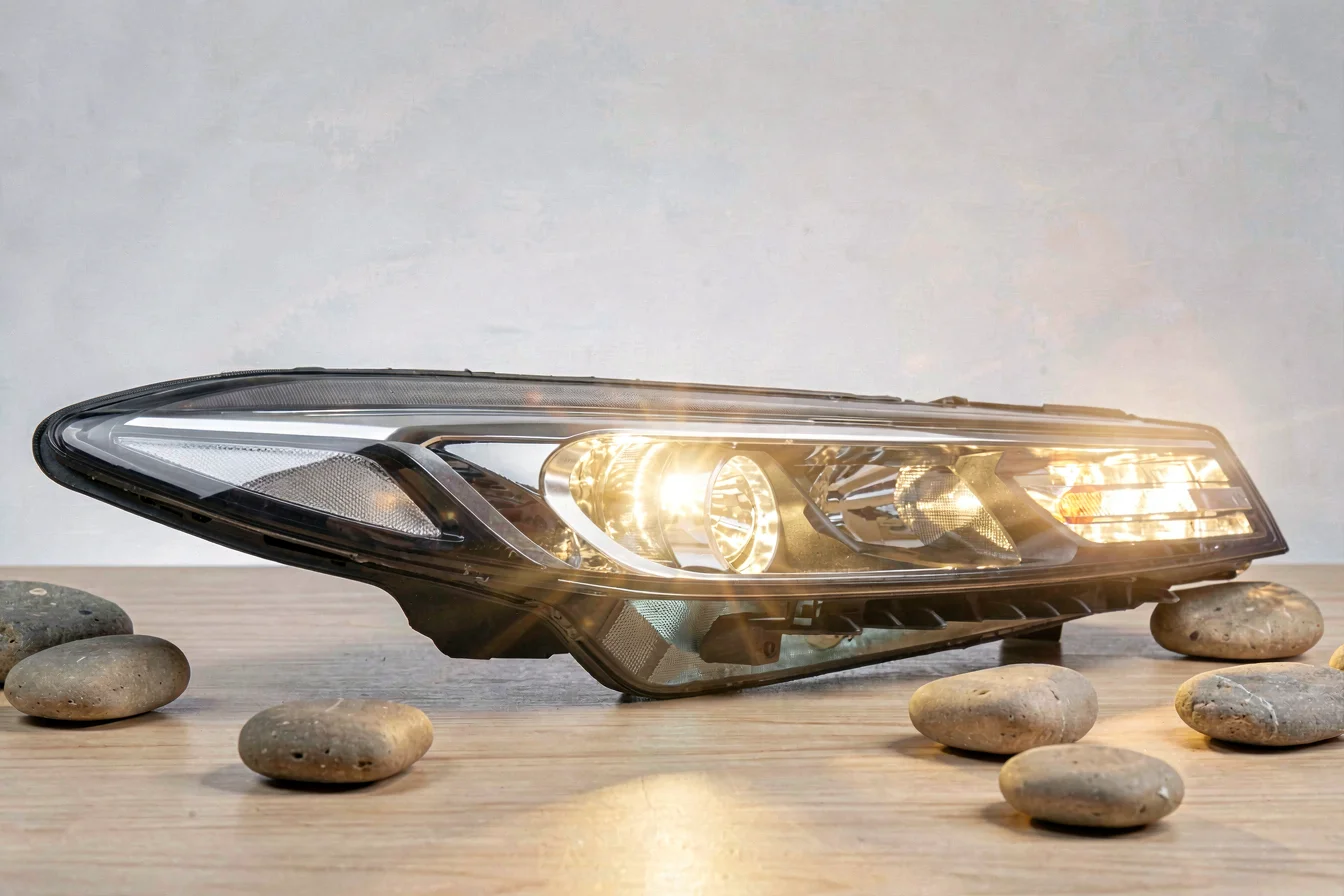
Kia cerato LED headlights deliver superior brightness, longer lifespan, and improved visibility compared to kia cerato halogen headlights , which remain popular for budget repairs. Google Trends and Reddit sentiment show a strong shift toward LEDs, driven by performance and energy efficiency, but halogens stay relevant for cost-sensitive buyers. Urgency for LED upgrades is rising as regulatory and consumer demands push toward modern lighting solutions.
Both kia cerato LED headlights and kia cerato halogen headlights address driver visibility and safety, but their target audiences differ. LEDs appeal to tech-savvy buyers seeking maximum brightness, energy savings, and long-term durability, while halogens suit budget-conscious owners needing simple, universal replacements. The procurement dilemma centers on balancing upfront cost with lifetime value and regulatory compliance.
LED headlights use semiconductor technology, offering up to 30% more brightness (1,600+ lumens vs. 1,100 lumens) and a lifespan of 25,000–50,000 hours, far exceeding halogen’s 500–1,000 hours[2][3]. LEDs also reduce power draw by 80%, easing electrical load and improving vehicle efficiency. However, retrofitting LEDs in reflector housings often leads to glare, dark spots, and error codes, as noted in Reddit discussions. Halogens, while less efficient, are easy to replace, universally compatible, and much cheaper ($5–$20 per bulb), but require frequent changes and suffer from cloudy housings and poor beam quality[3][4].
Technological innovation in LEDs includes directional beam patterns and customizability, but installation complexity and warranty issues persist. Halogen’s simplicity is its main strength, but its outdated design limits performance and regulatory compliance in some regions.
| Feature | Kia Cerato LED Headlights | Kia Cerato Halogen Headlights |
|---|---|---|
| Brightness | 1,600+ lumens | ~1,100 lumens |
| Lifespan | 25,000–50,000 hours | 500–1,000 hours |
| Energy Efficiency | 80% less power draw | Higher draw, less efficient |
| Cost (per bulb) | $70–$300 (kit) | $5–$20 |
| Installation Complexity | Moderate–High (alignment, wiring) | Simple |
| Warranty/Dealer Support | Variable, often not covered | Usually covered |
LED headlights offer superior performance and longevity but require careful installation and compatibility checks, while halogen bulbs remain a low-cost, easy-to-replace option for basic repairs.
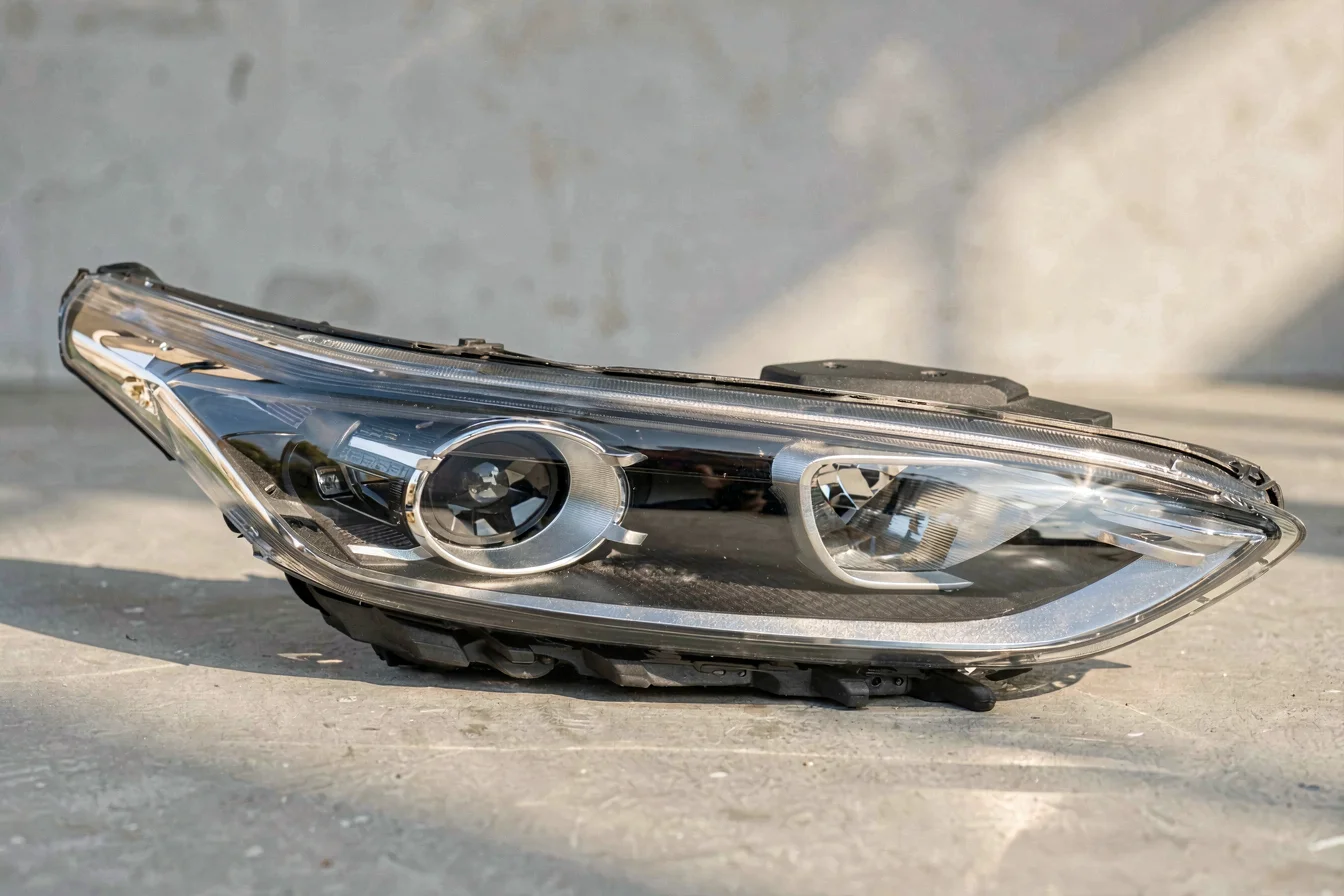
Durability is a primary concern for kia cerato LED headlights and kia cerato halogen headlights . LEDs are solid-state, so they resist vibration and impact, making them ideal for harsh environments and long journeys. Halogen bulbs, being fragile glass filaments, are more susceptible to breakage and degradation from heat and humidity. Reddit users report halogen housings clouding quickly, especially after a few years, requiring restoration or replacement[4][8].
Application scenarios differ: LEDs excel in high-visibility needs, such as urban driving, night travel, and commercial fleets, where reduced downtime and improved safety are critical. Halogens are best suited for basic commuter vehicles, short trips, or regions with minimal regulatory pressure for modern lighting. Hidden costs for LEDs include installation labor, wiring adjustments, and potential error codes; halogens incur higher replacement frequency and lower resale value.
Over five years, LEDs save on replacement costs and energy usage, but initial investment and installation complexity must be considered. Halogens are low upfront but require frequent purchases and restoration kits (e.g., Cerakote, Sylvania), which add to maintenance costs[4][8].
| Cost Factor | Kia Cerato LED Headlights | Kia Cerato Halogen Headlights |
|---|---|---|
| Initial Purchase | $70–$300 (kit) | $5–$20 (per bulb) |
| Installation | $50–$150 (labor) | DIY-friendly, $0–$20 |
| Replacement Frequency | Rare (every 5+ years) | Frequent (every 1–2 years) |
| Maintenance | Minimal (alignment, wiring) | Restoration kits ($100–$300) |
| Hidden Costs | Error codes, glare issues | None |
| 5-Year Total Cost | $220–$450 | $150–$300 |
LED headlights minimize long-term costs through longevity and energy savings, while halogen bulbs offer immediate affordability but incur higher replacement and restoration expenses.
The core value of kia cerato LED headlights is enhanced visibility, safety, and regulatory compliance, while kia cerato halogen headlights deliver low-cost, easy repairs. The urgency is driven by rapid urbanization, stricter safety standards, and consumer demand for modern upgrades. LEDs are favored in commercial fleets, ride-share vehicles, and urban environments, while halogens remain relevant for budget-conscious commuters and rural drivers.
Google Trends data shows a sharp increase in LED-related searches for Kia Cerato (taillights, fog lights) in late 2025, peaking in November (value: 100), while halogen bulb searches remain flat and low (value: ~25)[1]. This trend reflects consumer migration toward LEDs for improved safety and visibility, with search volume for LED upgrades growing 3–4x faster than halogen replacements.
Search Interest over Time
LED upgrades are gaining momentum as consumer demand and regulatory shifts drive search interest, while halogen bulb searches remain stagnant, signaling a market shift toward modern lighting solutions.
Reddit and TikTok discussions reveal contrasting experiences: LED upgrades are praised for brightness and customization but criticized for glare, error codes, and installation complexity. Halogen bulbs are appreciated for affordability and simplicity but lamented for frequent replacement and cloudy housings. Two case studies illustrate these trends:
Case Study 1: LED Headlight Upgrade for Kia Carens (Reddit, r/CarsIndia)
A Kia Carens owner upgraded from halogen to LED, reporting improved visibility but scattered beam patterns and dark spots. Installation required careful alignment and compatibility checks, and the owner faced glare issues with some aftermarket brands. Despite the initial cost, the upgrade was worth it for better night driving, but installation mistakes led to suboptimal beam quality.
“I upgraded to 55W LED lights for my Carens recently. Even though the light output and throw is good, the beam pattern is scattered and there are some dark spots in front. Low beam is fine but high beam could be better and I noticed the light is getting projected outside instead of the road ahead.” [5]
Case Study 2: Halogen Headlight Restoration for Kia Optima (Reddit, r/kia)
A Kia Optima owner attempted to restore cloudy halogen housings with toothpaste and Sylvania kits, achieving partial success but still needing full replacement after a few years. The user cited the low cost of halogen bulbs ($300 for a full set), but noted frequent replacement and restoration costs. Dealer pricing was high ($2,000), so aftermarket solutions were preferred for budget repairs.
“I actually replaced the headlights on my 2013 Optima about 4 1/2 months ago. Spent $300 ordering a set off of Amazon, and it took me about an hour to do myself. The dealership wanted $2000 to replace them for me with stock headlights. These look way better and were cheaper.” [4]
| Dimension | Kia Cerato LED Headlights | Kia Cerato Halogen Headlights |
|---|---|---|
| Overall Satisfaction | High (for performance), mixed (for installation) | Moderate (for affordability), low (for longevity) |
| Most Praised Feature | Brightness, customizability | Low cost, easy replacement |
| Most Common Complaint | Glare, error codes, installation complexity | Frequent replacement, cloudy housings |
| Community Recommendation Rate | 60–70% (for performance upgrades) | 40–50% (for budget repairs) |
Viral content themes include LED installation guides, glare complaints, and restoration hacks for halogen housings. Cultural reception shows LEDs as a premium upgrade, while halogens are seen as a stopgap solution. TikTok and Reddit users debate compatibility, beam pattern quality, and warranty coverage, with LEDs favored for safety but criticized for complexity.
User sentiment favors LED upgrades for improved safety and brightness, but installation and compatibility issues remain major pain points; halogen bulbs are valued for affordability but criticized for low longevity.
Buyers should start by identifying their core needs: Is the primary use case urban night driving or rural commuting? Is budget the main constraint, or is performance and longevity prioritized? What are the must-have features (brightness, beam pattern, warranty)?
| Tier | Recommended Product | Key Reason |
|---|---|---|
| Budget-Friendly | Halogen Headlights | Low cost, easy replacement |
| Mid-Range | LED Headlights (aftermarket kit) | Improved brightness, moderate cost |
| Premium | Factory LED Headlights | Maximum safety, warranty coverage |
Optimization tips:
Buyers should match their choice to their budget, driving needs, and installation capability—LEDs for premium upgrades, halogens for basic repairs.
Key insights from all modules confirm that kia cerato LED headlights are rapidly becoming the preferred upgrade due to superior brightness, energy savings, and regulatory shifts. Demand for halogen bulbs is declining, with Google Trends showing LED searches outpacing halogen by 3–4x. Buyer sentiment is positive for LEDs but cautious about installation complexity and compatibility. Halogen bulbs remain relevant for budget repairs but are increasingly seen as outdated.
For the next 6–12 months, buyers should prioritize LED upgrades for new Kia Cerato models, especially in urban and commercial contexts, while halogen bulbs should be reserved for legacy vehicles and short-term repairs. Wholesale platforms like Alibaba.com offer a wide selection of LED kits, factory parts, and restoration solutions, enabling buyers to optimize procurement for performance, cost, and warranty coverage.
Confident buyers should share their experiences with LED and halogen upgrades to inform the community, while commercial buyers should leverage Alibaba.com for bulk procurement, customization, and warranty support.