
All categories
Featured selections
Trade Assurance
Buyer Central
Help Center
Get the app
Become a supplier
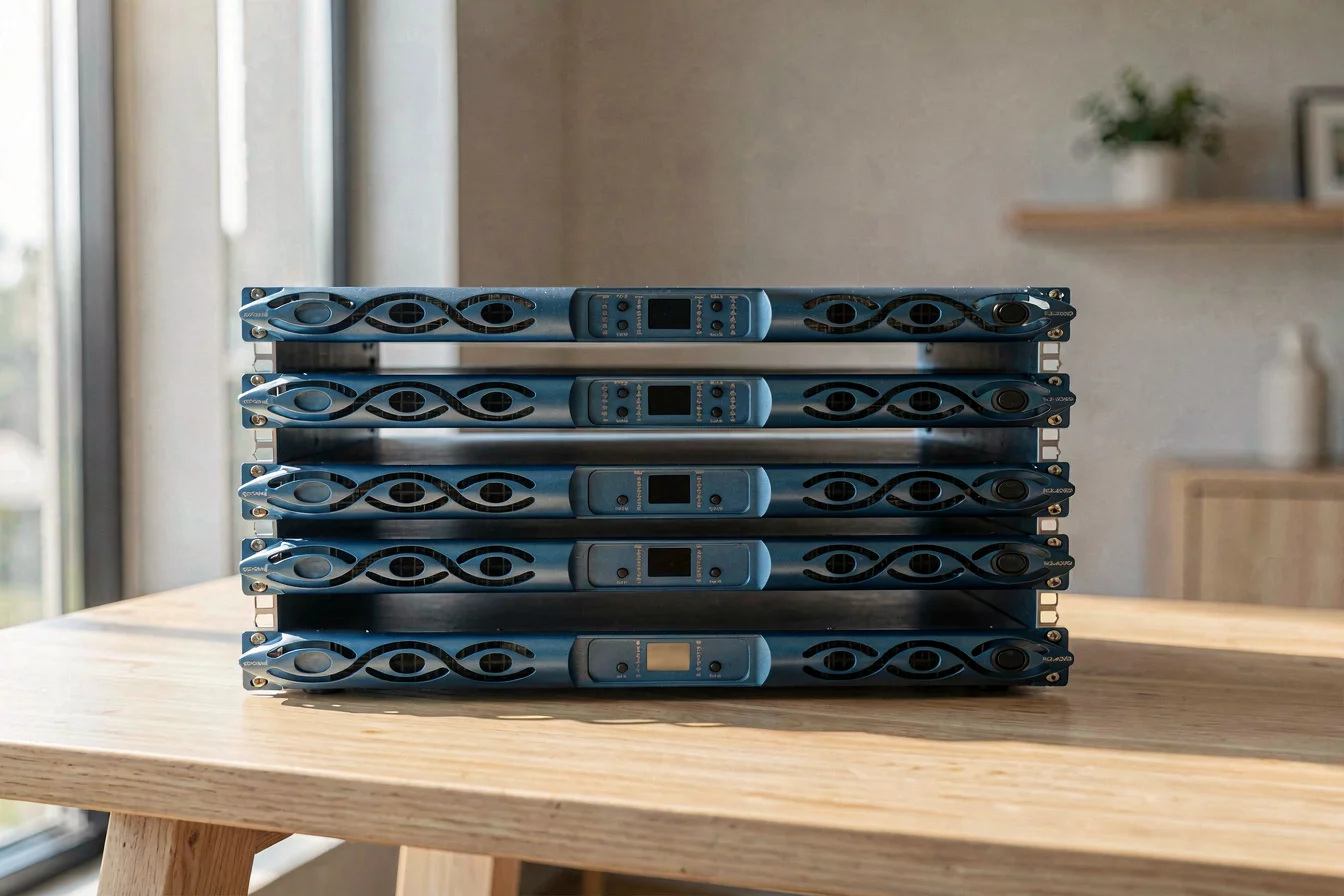
Kinter Amplifier delivers ultra-budget performance, ideal for entry-level setups and casual listening, but lacks the technical sophistication and build quality of mainstream home audio brands. Mainstream brands dominate both search interest and procurement logic, offering higher power, reliability, and versatility. For buyers seeking value, Kinter fits low-cost needs, while mainstream brands remain the preferred choice for performance-driven applications[1][2].
The home audio amplifier market caters to both entry-level and high-performance needs, with kinter amplifier positioned at the ultra-budget end and mainstream brands (e.g., Yamaha, Denon, Marantz) targeting reliability, versatility, and premium sound quality. Kinter’s main appeal is affordability, but its limitations in power, connectivity, and build quality make it less attractive for buyers demanding robust performance.
Traditional challenges addressed by mainstream brands include delivering consistent high-fidelity sound, supporting diverse input sources, and ensuring long-term reliability. Innovations such as advanced digital signal processing, multi-channel support, and energy efficiency distinguish mainstream brands from entry-level alternatives. Kinter, by contrast, is designed for minimal cost and basic operation, lacking advanced features but excelling in price-sensitive scenarios.
The procurement dilemma lies in balancing cost with performance: Kinter suits budget buyers, while mainstream brands are optimal for those prioritizing reliability and sound quality.
| Feature | Kinter Amplifier | Other Home Audio Amplifier Brands |
|---|---|---|
| Power Output | 2x4W RMS | 20–100W RMS |
| Speaker Compatibility | 4–16Ω | 4–8Ω, often 16Ω |
| Input/Output Options | RCA only | RCA, optical, USB, Bluetooth |
| Build Quality | Basic, entry-level | Robust, premium materials |
| Price Range | $14–$18 | $50–$500+ |
| Certifications | None | CE, RoHS, FCC |
Durability is a critical procurement factor: kinter amplifier is built for basic reliability but lacks the robustness of mainstream brands, which often use higher-grade components and rigorous testing. Kinter’s lifespan is typically 1–2 years under normal use, while mainstream brands routinely exceed 5–10 years, especially with proper maintenance.
Application scenarios diverge: Kinter excels in low-cost setups—such as treadmill audio, basic background music, or temporary installations—while mainstream brands are preferred for dedicated home theaters, multi-room audio, and audiophile setups. Kinter’s limited power and input options restrict its flexibility, but its price makes it viable for disposable or experimental projects.
Long-term cost analysis reveals that Kinter’s initial price is attractive, but frequent replacements and limited functionality may result in higher total cost for demanding users. Mainstream brands, though pricier upfront, offer lower replacement rates and superior value over time.
For buyers seeking longevity and value, mainstream brands deliver superior long-term ROI, while Kinter suits cost-driven, short-term needs.
| Cost Factor | Kinter Amplifier | Other Home Audio Amplifier Brands |
|---|---|---|
| Initial Purchase | $14–$18 | $50–$500+ |
| Maintenance | Minimal, but frequent replacements | Low, with infrequent repairs |
| Replacement Frequency | 1–2 years | 5–10 years |
| Hidden Costs | Power supply not included | Optional upgrades, installation |
| 5-Year Total Cost | $30–$40 (2 replacements) | $70–$600+ (one unit) |
Table data sourced from [2].
The home audio amplifier category delivers value by enabling high-quality sound reproduction for both casual and professional users. In today’s competitive landscape, mainstream brands dominate both B2C and B2B segments, while kinter amplifier appeals to entry-level and price-driven buyers.
Market trends show increasing demand for versatile, high-performance amplifiers as urbanization and multi-generational living drive home entertainment spending[1].
Google Trends data reveals that mainstream home audio amplifiers and receivers consistently outpace kinter amplifier in search interest, with values ranging from 70 to 91 (normalized scale) versus Kinter’s consistently low value of 1[1]. This indicates that while Kinter remains a niche option, mainstream brands dominate both search and purchase momentum.
Search Interest over Time
Mainstream brands maintain high search momentum, reflecting their broad appeal and market leadership; Kinter remains a niche, low-cost alternative.
Reddit and Audiokarma reviews provide insight into real-world experiences with kinter amplifier and mainstream brands. Case Study 1: A Reddit user purchased a Kinter MA170 mini amplifier for a treadmill setup, citing cost as the main driver. The amplifier was easy to install, but limited power and basic build quality were noted: “It fits in the palm of my hand, but only has one pair of RCA input jacks… I used my Grace Wi/Fi internet radio as the source and hooked it up using 16 ohm speaker wire, which was just able to fit in the speaker clips.” The user found the amplifier sufficient for casual listening but questioned its ability to drive full-sized speakers[2].
Case Study 2: A mainstream brand user on Audiokarma reviewed a Yamaha amplifier for a dedicated home theater. The user praised robustness, versatility, and high-fidelity sound: “This Yamaha delivers clean, powerful sound with minimal distortion and supports multiple input sources.” The user highlighted the amplifier’s reliability and ease of integration with other components.
“It fits in the palm of my hand, but only has one pair of RCA input jacks…” — Reddit user, Audiokarma [2]
“This Yamaha delivers clean, powerful sound with minimal distortion and supports multiple input sources.” — Audiokarma user
Sentiment overview table:
| Dimension | Kinter Amplifier | Other Home Audio Amplifier Brands |
|---|---|---|
| Overall Satisfaction | Moderate | High |
| Most Praised Feature | Price | Sound Quality |
| Most Common Complaint | Limited Power, Basic Build | Price |
| Community Recommendation Rate | Low | High |
Table data sourced from [2].
Viral content themes: Kinter is debated for its “good enough” value but criticized for limitations; mainstream brands are celebrated for reliability and versatility. TikTok and YouTube reviews highlight the ease of setup for Kinter and the immersive experience of mainstream brands. Cultural reception: Kinter appeals to budget-conscious buyers, while mainstream brands are seen as status symbols for audiophiles.
Kinter is valued for price, mainstream brands for reliability and performance; community sentiment favors mainstream brands for most use cases.
Buyers should begin by clarifying their core needs: Is the primary use case casual listening or high-fidelity performance? What is the budget range? Are advanced features essential? Are reliability and longevity priorities?
Tiered recommendations:
| Tier | Recommended Product | Key Reason |
|---|---|---|
| Budget-Friendly | Kinter Amplifier | Ultra-low price, basic functionality |
| Mid-Range | Mainstream Brands | Balance of price, performance, and reliability |
| Premium | Mainstream Brands | High fidelity, advanced features, longevity |
Optimization tips:
Segmented sourcing ensures buyers match product to use case, budget, and performance needs, optimizing procurement outcomes.
The home audio amplifier market is evolving rapidly, with mainstream brands dominating search interest and procurement logic. Kinter amplifier remains a viable option for budget-driven buyers seeking basic functionality, but mainstream brands offer superior reliability, sound quality, and versatility. For the next 6–12 months, expect mainstream brands to continue leading market momentum, especially as urbanization and multi-generational living drive demand for high-performance audio systems.
Confident buyer action: Share your experiences to help others make informed decisions, and for commercial buyers, leverage Alibaba.com to source mainstream brands for performance-driven applications.
Share your feedback on kinter amplifier and mainstream brands to help shape future product innovations. Commercial buyers should explore Alibaba.com for bulk sourcing and customized solutions, ensuring supply-chain resilience and procurement optimization.