
All categories
Featured selections
Trade Assurance
Buyer Central
Help Center
Get the app
Become a supplier
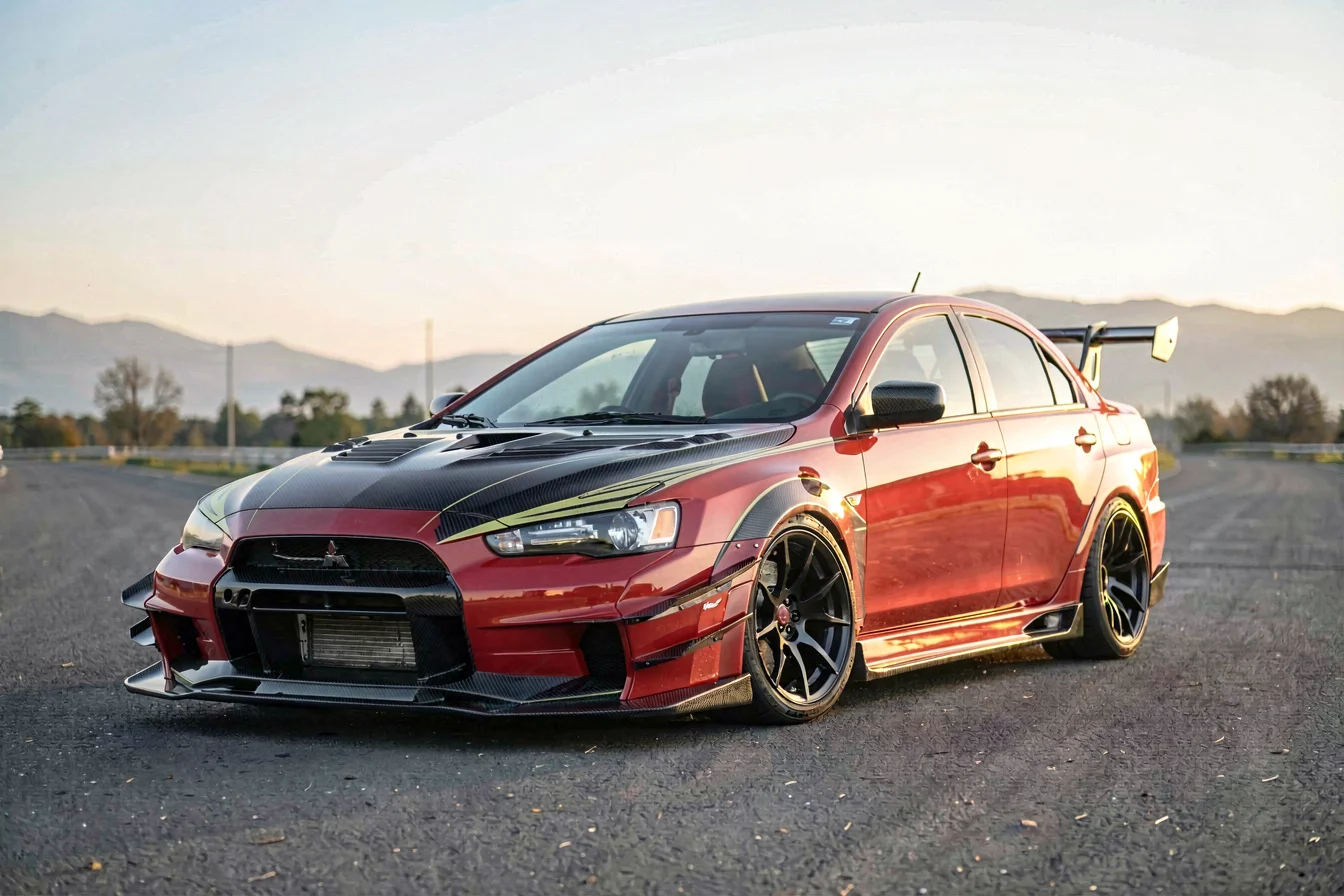
The Lancer Evo X Body Kit is experiencing rising demand, offering buyers the opportunity to enhance aesthetics and aerodynamics, but may require higher investment and maintenance. In contrast, the Lancer Evo X Stock Body Design remains a reliable, cost-effective option for those prioritizing durability and minimal upkeep. Procurement decisions should weigh customization needs against long-term cost, with aftermarket kits trending for visual impact and stock designs favored for hassle-free ownership [1][2].
The Lancer Evo X Body Kit caters to buyers seeking personalization, visual impact, and performance upgrades, while the Stock Body Design appeals to those prioritizing reliability, warranty protection, and minimal maintenance. Kits offer wider fenders, aggressive styling, and improved aerodynamics, but face challenges in fitment, paint durability, and installation complexity [2]. The stock body, while less customizable, delivers proven durability, manufacturer-backed reliability, and seamless OEM integration.
Technological innovations in kits include carbon fiber and ABS plastic variants, but fitment issues (especially with wider Evo Xs) and material quality remain common pain points. Stock body design benefits from consistent performance, warranty support, and straightforward repairs. The procurement dilemma revolves around balancing customization desires with long-term reliability and cost. Buyers must weigh the urgency of personalization against the risks of higher upfront and maintenance costs.
| Feature | Lancer Evo X Body Kit | Lancer Evo X Stock Body Design |
|---|---|---|
| Aesthetic Customization | High (widebody, aggressive lines, carbon fiber options) | Low (factory styling, minimal modification) |
| Durability | Variable (material-dependent; carbon fiber, ABS plastic) | High (OEM steel, warranty-backed) |
| Fitment & Installation | Complex (potential for misfit, wider fenders, custom mounting) | Simple (plug-and-play, OEM compatibility) |
| Maintenance | Higher (paint durability, clear coat fade, material wear) | Low (standard OEM repair, warranty coverage) |
| Procurement Cost | High (kit price, installation, paint) | Low (OEM price, warranty-backed parts) |
The Lancer Evo X Body Kit offers unmatched customization but requires careful procurement planning due to fitment and durability risks, while the Stock Body Design delivers reliable, hassle-free ownership.
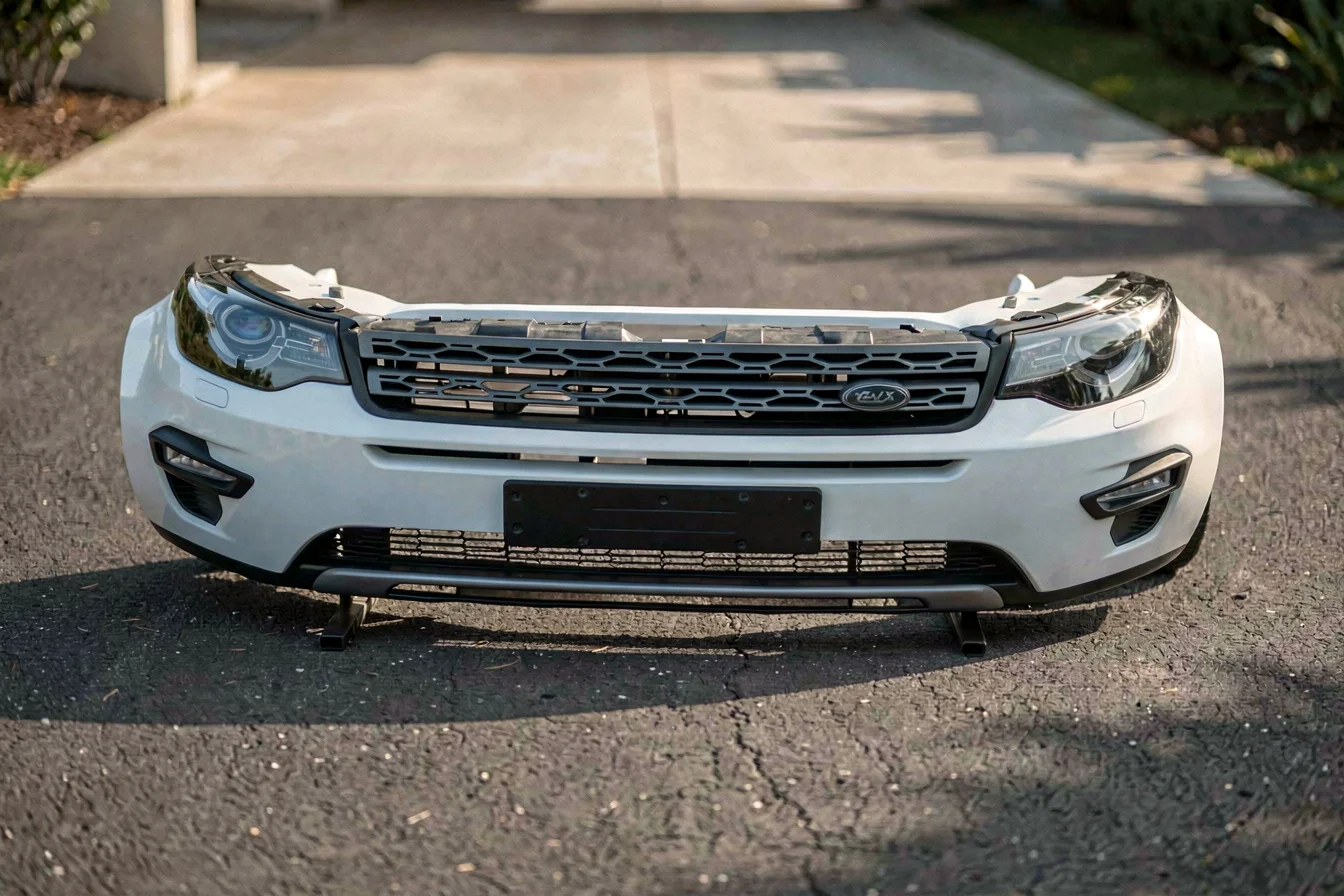
Durability is a critical factor: Lancer Evo X Body Kits vary in lifespan depending on material quality—carbon fiber and ABS plastic kits often suffer from paint fade, clear coat degradation, and potential misfit over time [2]. Stock body designs, constructed from OEM steel, offer consistent reliability and manufacturer-backed durability, with straightforward repairs and warranty protection. Real-world applications for kits include visual upgrades, aerodynamic enhancements, and track-ready builds, but require higher maintenance and periodic refinishing. Stock body designs excel in daily driving, commercial fleets, and warranty-dependent scenarios.
Long-term cost outlook: Kit buyers face higher upfront costs, installation fees, and recurring maintenance expenses. Stock body buyers benefit from lower initial outlay and minimal ongoing maintenance. Hidden costs for kits include potential insurance premium increases, resale value volatility, and repair complexity. Stock designs maintain steady resale value and lower insurance premiums. A 5-year cost comparison reveals kit buyers spending more on repairs, refinishing, and potential replacement, while stock buyers enjoy stable, predictable costs.
| Cost Factor | Lancer Evo X Body Kit | Lancer Evo X Stock Body Design |
|---|---|---|
| Initial Purchase | $1,500–$4,500 (kit, installation, paint) | $500–$1,200 (OEM parts, minor repairs) |
| Maintenance (Annual) | $200–$600 (paint, clear coat, repairs) | $50–$150 (standard repairs) |
| Replacement Frequency | Every 3–5 years (material wear, paint fade) | Every 7–10 years (OEM durability) |
| Hidden Costs | Insurance premium, resale volatility | Minimal, stable insurance |
| Total 5-Year Cost | $3,500–$7,500 | $1,000–$2,000 |
Buyers seeking long-term reliability and minimal maintenance should favor the Lancer Evo X Stock Body Design, while kit buyers must budget for higher upfront and ongoing costs.
The Lancer Evo X Body Kit delivers value to buyers prioritizing personalization, visual impact, and performance upgrades, while the Stock Body Design remains the go-to for reliability, warranty protection, and hassle-free ownership. The current market landscape is characterized by rising demand for aftermarket kits, driven by urbanization, multi-generational living, and the growth of enthusiast communities. Kits are favored for track days, car shows, and gaming builds, while stock designs dominate daily driving and commercial fleets.
The Lancer Evo X Body Kit is ideal for enthusiasts seeking visual and performance upgrades, while the Stock Body Design suits buyers prioritizing reliability and stable resale value.
Google Trends data (Mar 2025–Feb 2026) reveal sustained momentum for "Lancer Evo X aftermarket body kit," peaking at 100, outpacing "OEM body parts" (97) and "aerodynamic accessories" (72) [1]. This indicates shifting buyer priorities toward customization. Purchasing behavior on Alibaba.com and Amazon shows strong aftermarket momentum, but highlights concerns over material quality and installation complexity. Actionable recommendations: buyers should prioritize kit sourcing from reputable suppliers, verify material quality, and plan for installation complexity and maintenance costs.
Search Interest over Time
Aftermarket body kits are trending in search and purchase intent, but buyers must ensure supplier reliability and material quality to maximize procurement value.
Reddit and TikTok data reveal polarized sentiment: kit buyers praise visual impact and personalization, but criticize fitment issues and paint durability. Stock body buyers value reliability and hassle-free ownership. Two contrasting case studies illustrate these dynamics:
Case Study 1: Kit Enthusiast (Reddit, r/carmodification)
A buyer sought a body kit to transform their 2005 VRX Lancer into an Evo X look-alike. They faced challenges with kit fitment, material quality, and installation complexity. Community feedback highlighted the value of customization but warned against performance on base models: “Duraflex trackstar body kit. Don’t know if it will fit without some cutting and adhesives and such. I will say, anyone who knows cars, WILL laugh at a performance appearance kit on what is basically base model traffic” [9].
Case Study 2: Stock Body Owner (Reddit, r/mitsubishi)
A buyer purchased a 2013 Evo X stock body for daily driving, prioritizing reliability and warranty protection. They noted minimal maintenance, stable resale value, and hassle-free ownership: “Otherwise the car is completely stock, never raced, tracked, or tuned. The wheels were plasti-dipped white until yesterday when I removed it all. Car also comes with WeatherTech floormats for the front 2 seating areas. New battery as of December 2023 and Bridgestone tires are new from 2023 as well, freshly rotated on 7/6/2025. Car was minorly rear-ended in 2018 which required some repairs to the under-structure area of the rear bumper as well as the rear bumper itself. I can't find the repair receipt but I can contact the company and ask if desired” [12].
“Duraflex trackstar body kit. Don’t know if it will fit without some cutting and adhesives and such. I will say, anyone who knows cars, WILL laugh at a performance appearance kit on what is basically base model traffic.” [9]
“Otherwise the car is completely stock, never raced, tracked, or tuned. The wheels were plasti-dipped white until yesterday when I removed it all. Car also comes with WeatherTech floormats for the front 2 seating areas. New battery as of December 2023 and Bridgestone tires are new from 2023 as well, freshly rotated on 7/6/2025.” [12]
| Dimension | Lancer Evo X Body Kit | Lancer Evo X Stock Body Design |
|---|---|---|
| Overall Satisfaction | Mixed (visual impact, fitment issues) | High (reliability, minimal maintenance) |
| Most Praised Feature | Aesthetic customization | Durability, warranty protection |
| Most Common Complaint | Paint durability, fitment complexity | Limited customization |
| Community Recommendation Rate | Moderate (enthusiasts only) | High (mainstream buyers) |
Viral content themes: Kit customization, fitment debates, paint durability, and resale value. Cultural reception is polarized—enthusiasts praise visual impact, while practical buyers favor reliability and minimal maintenance.
Social media sentiment confirms that kit buyers value customization but must navigate fitment and maintenance challenges, while stock body buyers enjoy reliable, hassle-free ownership.
Buyers should begin by identifying their core needs: primary use case (track day, daily driver, car show), budget range, must-have vs. nice-to-have features, and maintenance tolerance. Key questions include: Is personalization more important than reliability? Is warranty protection a priority? Are you prepared for higher maintenance costs?
| Tier | Recommended Product | Key Reason |
|---|---|---|
| Budget-Friendly | Stock Body Design | Low cost, minimal maintenance |
| Mid-Range | Body Kit | Customization, moderate performance |
| Premium | Body Kit | Aggressive styling, track-ready build |
Optimization tips: Buy kits during off-peak seasons for best pricing, bundle with installation and paint for cost savings, prioritize carbon fiber or ABS plastic based on durability needs, and avoid common mistakes such as ignoring fitment complexity or underestimating maintenance costs.
Segmented sourcing strategies help buyers align procurement with budget and priorities, maximizing value and minimizing risk.
Synthesizing insights: aftermarket kits are trending, but buyers must prioritize supplier reliability, material quality, and installation complexity. Stock body designs remain the go-to for reliability and hassle-free ownership. Forward-looking recommendations: buyers should monitor material innovations, track installation complexity, and plan for maintenance costs. Procurement managers should source kits from reputable suppliers, verify certifications, and bundle installation and paint for cost efficiency.
For the next 6–12 months, buyers should confidently pursue kit upgrades if customization and visual impact are priorities, but ensure supplier reliability and material quality. Stock body buyers should continue leveraging proven durability and warranty protection.
Emotional call-to-action: Share your experiences with kit and stock body designs to help the community, and commercial buyers should leverage Alibaba.com for wholesale sourcing, prioritizing supplier reliability and bundled solutions.