
All categories
Featured selections
Trade Assurance
Buyer Central
Help Center
Get the app
Become a supplier
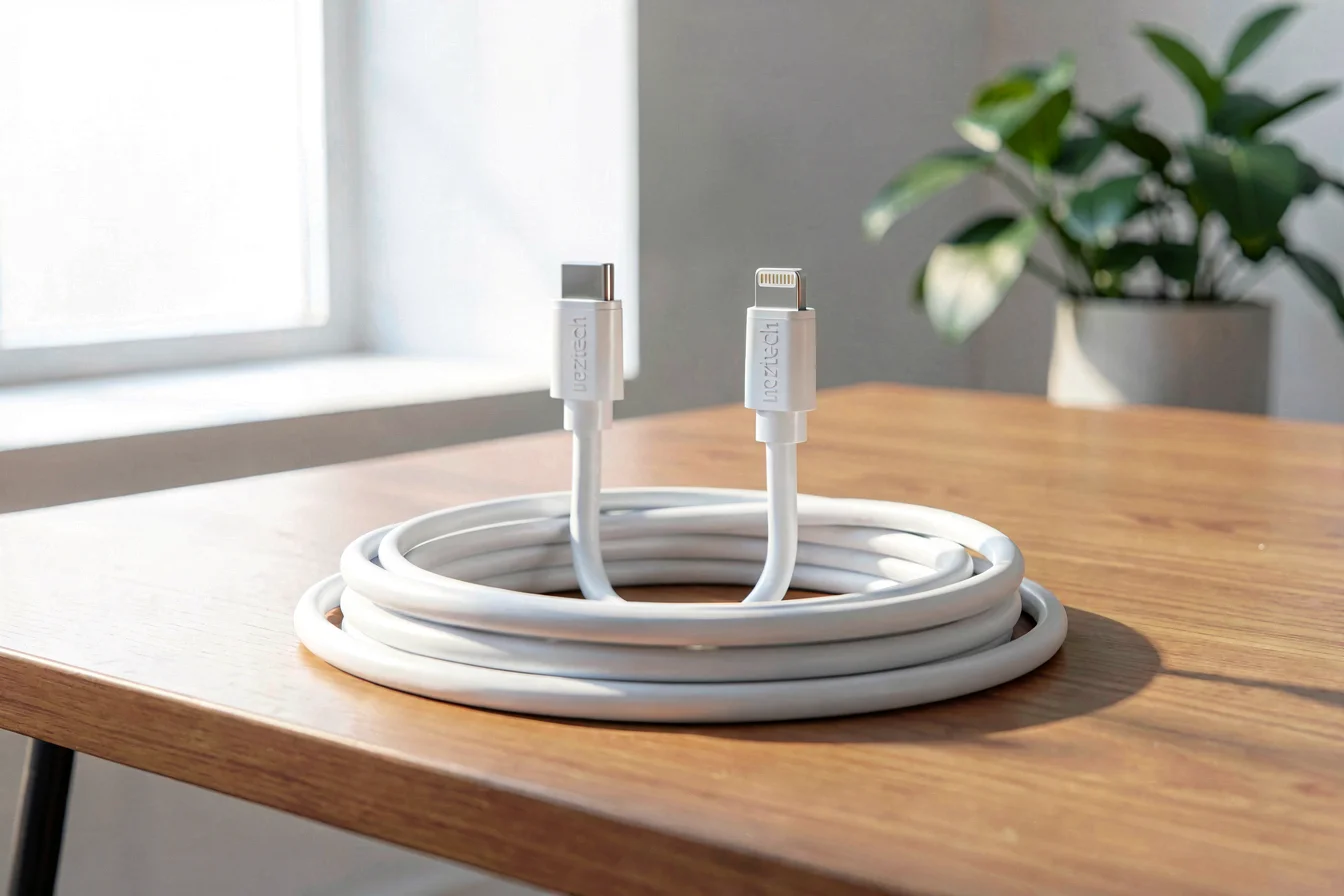
The 3-in-1 multi-connector lightning cable is experiencing explosive growth, driven by multi-device convenience and future-proofing, while the standard lightning cable faces declining relevance and frequent durability complaints. Buyers should prioritize multi-connector options for B2B and evolving device portfolios, but remain vigilant about warranty and certification gaps. For legacy Apple-only setups, certified standard cables still offer reliable compatibility, but procurement logic increasingly favors flexible, multi-connector solutions[1][4][9].
The standard lightning cable delivers reliable, certified charging and data transfer for Apple devices, but its proprietary design limits compatibility and exposes buyers to frequent connector failures, especially around the 4th pin[8][11]. In contrast, the 3-in-1 multi-connector lightning cable targets users with mixed device portfolios—iPhone, MacBook, and Android—offering simultaneous charging for multiple devices, desk organization, and future-proofing against connector standard shifts[7][13]. The procurement dilemma: Standard cables offer MFi certification, proven durability, and lower cost, but risk obsolescence as Apple transitions to USB-C. Multi-connector cables maximize device compatibility and desk efficiency but often lack full certification, raise safety concerns, and may sacrifice charging speed and longevity[2][12][13].
The 3-in-1 variant is the clear winner for buyers seeking flexibility, but standard cables remain essential for legacy setups and high-certification requirements.
| Feature | Standard Lightning Cable | 3-in-1 Multi-Connector Lightning Cable |
|---|---|---|
| Device Compatibility | Apple-only (iPhone, iPad, iPod) | Apple, Android, MacBook (USB-C, Micro-USB, Lightning) |
| Certification | MFi-certified (Apple-approved) | Often lacks full MFi certification |
| Durability | 12–36 months, frequent pin failures[9][11] | 12–24 months, variable build quality[13] |
| Price Range | $2–$8 | $6–$25 |
| Warranty | 1–2 years (Apple/brand) | Often 6–12 months, limited |
| Charging Speed | Up to 18W USB PD[2] | Varies; often slower than Apple-certified |
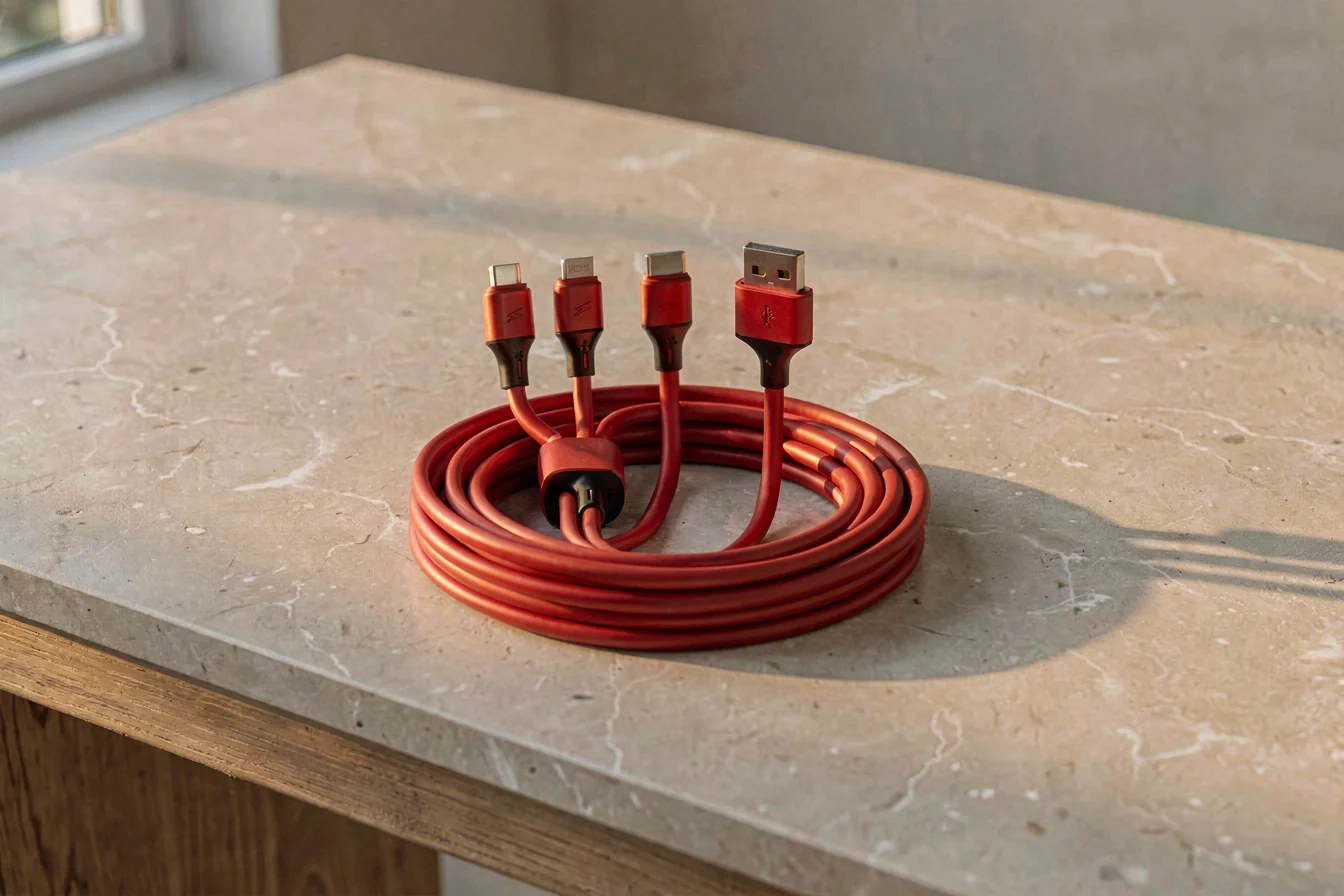
The standard lightning cable is praised for its certified build and compatibility, but frequent connector failures and fragile housing shorten its lifespan, often requiring replacement every 1–2 years[9][11]. In contrast, the 3-in-1 multi-connector lightning cable offers broader device compatibility and desk efficiency but suffers from inconsistent build quality, with some units failing within 12 months[13]. Buyers must consider real-world scenarios: office environments with mixed devices, frequent travel, and desk organization benefit most from multi-connector cables, while legacy Apple-only setups may prefer standard cables for reliability.
Long-term cost analysis reveals hidden expenses: 3-in-1 cables may cost more upfront, but reduce the need for multiple single-cable purchases. However, warranty gaps and lower charging speed can increase maintenance and replacement costs. A 5-year outlook suggests that standard cables incur higher replacement frequency but lower warranty risk, while multi-connector cables require vigilance regarding safety and certification[12][13].
For buyers prioritizing desk efficiency and future-proofing, 3-in-1 cables are the best long-term investment, but buyers must verify warranty and certification to avoid costly replacements.
| Cost Factor | Standard Lightning Cable | 3-in-1 Multi-Connector Lightning Cable |
|---|---|---|
| Initial Purchase Price | $2–$8 | $6–$25 |
| Replacement Frequency (5 Years) | 2–4 cables | 1–2 cables (if certified) |
| Maintenance Costs | Low (if MFi-certified) | Medium (warranty gaps) |
| Hidden Costs | None | Potential safety risks, slower charging |
| Total 5-Year Cost | $8–$32 | $12–$50 |
The core value of this product category is device compatibility and desk efficiency, especially as the global shift to USB-C accelerates. The standard lightning cable remains relevant for legacy Apple-only users, but faces declining search momentum and increased replacement frequency. The 3-in-1 multi-connector lightning cable dominates in mixed-device environments, remote work setups, and B2B applications where desk organization and device flexibility are critical[1][7].
Multi-connector cables are rapidly becoming the default in new device purchases, while standard cables are increasingly reserved for legacy setups.
Google Trends data shows a dramatic spike in search interest for 3-in-1 multi-connector lightning cable , peaking at 100x the search volume for standard lightning cable in early 2026. This surge aligns with the global transition to USB-C and the proliferation of multi-device setups. Standard cables remain stable but are losing ground, confirming a shift in buyer priorities toward flexibility and desk organization[1].
Search Interest over Time
Procurement teams should act now to secure multi-connector cables, as demand is set to outpace supply and price volatility increases.
Case Study 1: Legacy Apple User (Reddit/r/iphone)
A user with an iPhone 13 reports going through two original Apple cables in 1.5 years, citing frequent connector failures and slow charging. They seek alternatives like Anker for durability and compatibility, but express frustration with warranty gaps and inconsistent performance. “The original Apple breaks very easily and fast even though I’m unusually careful with it, but it does charge fast. I want something that will last, is compatible, and fast.”[9]
Case Study 2: Remote Work Setup (Reddit/r/UsbCHardware)
A remote worker with mixed devices (iPhone, MacBook, Android) adopts a 3-in-1 cable for desk organization, citing convenience and reduced clutter. They praise the cable’s ability to charge multiple devices simultaneously but raise concerns about build quality and slower charging speed. “I’m sitting here feeling like a dinosaur... This thing charges my iPhone, AirPods, and Apple Watch all at once. Just one USB-C cable to the station powers the whole thing.”[7]
“Seriously, I don’t get it—Apple’s regular white Lightning cables feel like they’re designed to self-destruct.” [11]
“Been WFH for 5+ years now and I'm pretty obsessive about keeping my desk clean... I'm sitting here feeling like a dinosaur... This thing charges my iPhone, AirPods, and Apple Watch all at once.” [7]
| Dimension | Standard Lightning Cable | 3-in-1 Multi-Connector Lightning Cable |
|---|---|---|
| Overall Satisfaction | Moderate; frequent complaints about fragility | High; praised for desk efficiency |
| Most Praised Feature | Certified charging speed | Multi-device compatibility |
| Most Common Complaint | Fragile connector, frequent pin failures | Inconsistent build quality, slower charging |
| Community Recommendation Rate | Low (unless MFi-certified) | High (for desk efficiency) |
Table data sourced from [7][9][11][13].
Viral content themes: Desk organization, connector fragility, warranty gaps, and the shift to USB-C dominate debates. Cultural reception: Users are split—Apple purists lament the loss of proprietary standards, while desk efficiency advocates champion multi-connector cables.
Buyers should prioritize MFi certification for standard cables and verify build quality for multi-connector cables, as community sentiment is sharply divided on warranty and performance.
Before purchasing, buyers should ask:
| Tier | Recommended Product | Key Reason |
|---|---|---|
| Budget-Friendly | Standard Lightning Cable | Lowest price, certified for Apple-only |
| Mid-Range | 3-in-1 Multi-Connector Lightning Cable | Multi-device compatibility, desk efficiency |
| Premium | MFi-certified 3-in-1 Lightning Cable | Best warranty, certified safety, future-proof |
Table data sourced from [4][9][12][13].
Optimization tips: Buy during seasonal sales (Q4, Q1) for best deals; bundle cables with certified adapters for B2B procurement; prioritize MFi certification for Apple-only setups; avoid non-certified multi-connector cables for warranty and safety. Common mistakes: Overlooking warranty gaps, failing to verify certification, and ignoring desk efficiency.
Buyers should match their cable choice to their device portfolio and desk environment, prioritizing certification and warranty for critical applications.
Synthesizing all insights, the 3-in-1 multi-connector lightning cable is rapidly becoming the procurement default for evolving device portfolios, desk efficiency, and future-proofing against USB-C adoption. Search interest is set to remain high, with price volatility and supply chain disruptions likely. The standard lightning cable retains value for legacy Apple-only setups and high-certification environments, but its relevance is declining.
Forward-looking recommendation: Buyers should prioritize multi-connector cables for B2B and mixed-device environments, verify MFi certification, and monitor warranty terms. For Apple-only setups, standard cables remain viable but should be sourced from certified suppliers to ensure durability and reliability.
Take action now: Share your cable experiences to help others make informed choices, and for bulk procurement, connect with certified suppliers on Alibaba.com to secure future-proof, multi-connector solutions.