
All categories
Featured selections
Trade Assurance
Buyer Central
Help Center
Get the app
Become a supplier
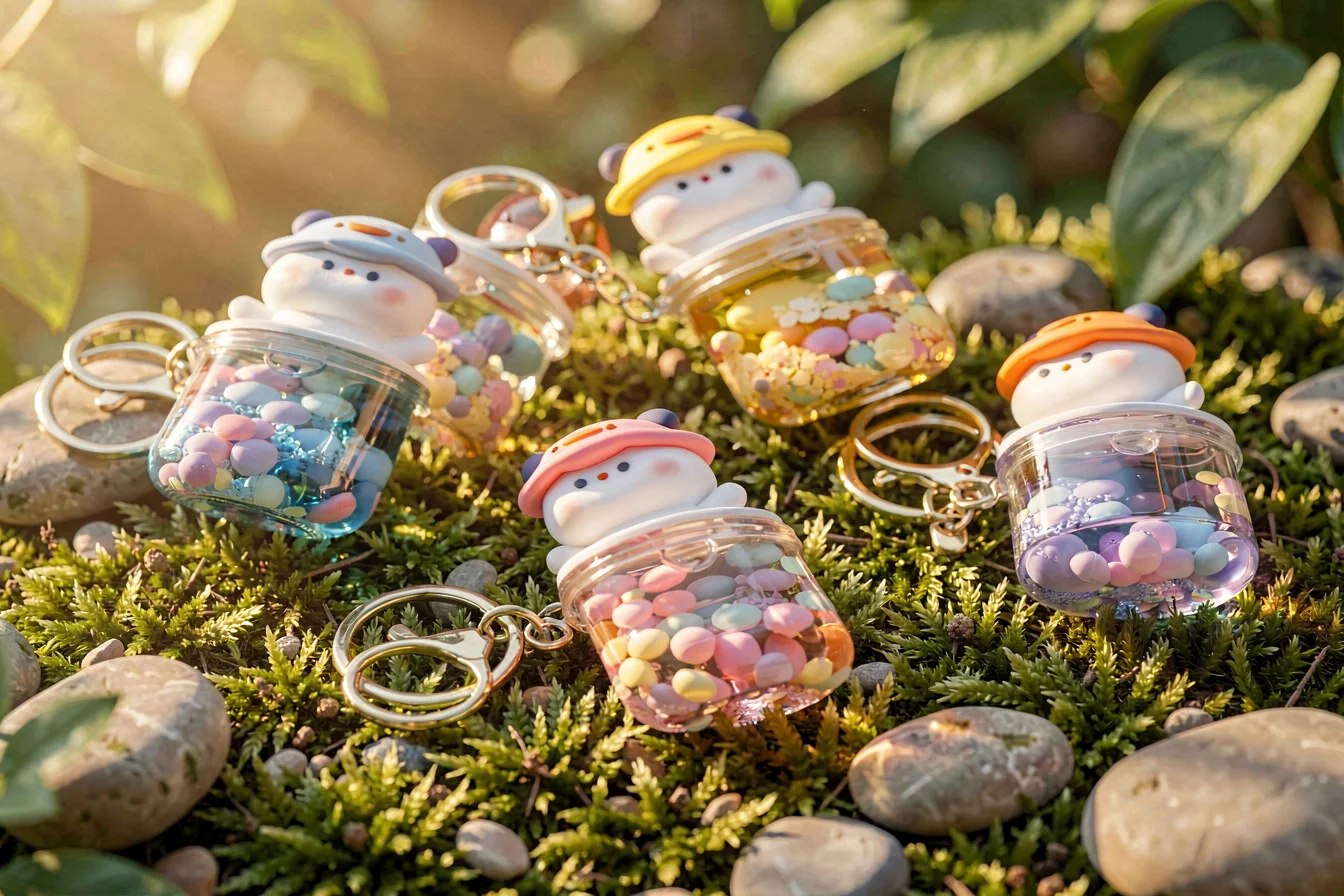
Buyers face a clear choice: liquid keychain offers novelty, visual appeal, and collectibility but is less durable and niche, while traditional keychain provides proven reliability, cost efficiency, and broad compatibility. Google Trends data confirms rising interest in liquid keychains since mid-2025, but traditional keychains remain dominant for volume and longevity [1]. Procurement should align with campaign goals—liquid for novelty-driven campaigns, traditional for mass-market and durability [5].
The liquid keychain category is rapidly gaining traction in the giftware and collectibles market, offering a visually striking, customizable product ideal for pop-culture, anime, and novelty campaigns. These keychains typically feature colored liquid or oil in an acrylic container, often with embedded charms or figures, appealing to collectors and younger demographics. In contrast, traditional keychain products are the backbone of mass-market procurement, encompassing metal, plastic, and leather variants, prized for their durability, practicality, and low cost.
Buyers must weigh the urgency of making a procurement decision based on current market trends. Liquid keychains are best suited for limited-edition launches, event merchandise, and niche campaigns, while traditional keychains remain essential for everyday use, bulk distribution, and long-term inventory. Technological innovation in liquid keychains includes improved acrylic seals and themed designs, but they still face challenges in durability and supplier reliability. Traditional keychains benefit from mature supply chains, broad compatibility, and proven longevity, but lack innovation and visual impact.
| Feature | Liquid Keychain | Traditional Keychain |
|---|---|---|
| Visual Appeal | High – Unique, collectible | Moderate – Practical, standard |
| Durability | Low – Risk of leaks, breakage | High – Long-lasting |
| Customization | High – Themed, personalized | Medium – Logo, engraving |
| Price Range | $7–$15/unit | $1–$3/unit |
| Supply Chain | Niche, limited suppliers | Established, global |
| Target Audience | Collectors, youth, pop-culture | Mass-market, everyday users |
Liquid keychains deliver high novelty and customization, while traditional keychains provide proven durability and cost efficiency—buyers must align procurement with campaign objectives and target audience.
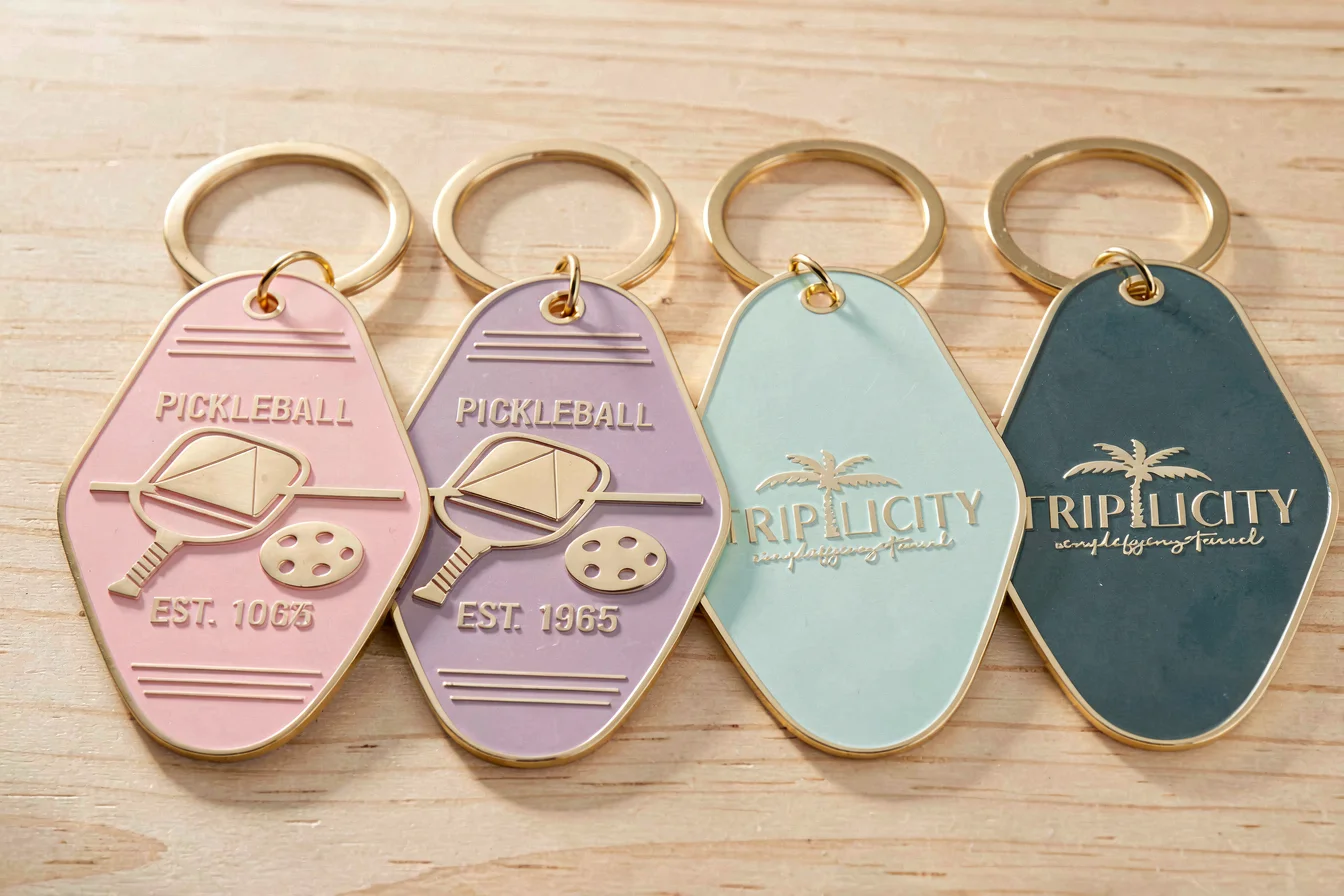
Durability is a critical factor for both liquid keychain and traditional keychain procurement. Liquid keychains, while visually appealing, are prone to leaks, breakage, and seal failure, especially under rough handling or exposure to extreme temperatures. Traditional keychains, typically made of metal, plastic, or leather, offer superior reliability and resistance to wear, surviving years of daily use without significant degradation [11].
Application scenarios further define the procurement logic. Liquid keychains excel in novelty campaigns, pop-culture merchandise, and collectible giveaways, but are less practical for everyday use or high-frequency environments. Traditional keychains are preferred for utility, security, and mass distribution, fitting both consumer and commercial contexts, from office supplies to retail merchandising. Buyers must assess their use case—collectibility versus utility—and weigh the total cost of ownership over five years.
| Cost Factor | Liquid Keychain | Traditional Keychain |
|---|---|---|
| Initial Price | $7–$15/unit | $1–$3/unit |
| Maintenance | High – Frequent repairs/replacement | Low – Minimal maintenance |
| Replacement Frequency | 1–2/year | 5–10/year |
| Hidden Costs | Shipping, regulatory compliance | Bulk discounts, logistics |
| 5-Year Total Cost | $25–$45/unit | $5–$10/unit |
Traditional keychains deliver the lowest total cost of ownership and highest durability, making them ideal for volume procurement and long-term use, while liquid keychains incur higher maintenance and replacement costs, best suited for short-term, novelty campaigns.
The core value of liquid keychain and traditional keychain is rooted in their ability to meet distinct consumer and business needs. Liquid keychains are surging in popularity as novelty items, collectibles, and pop-culture merchandise, driven by youth and collector markets. Traditional keychains remain the backbone of mass-market procurement, dominating retail, office, and commercial applications.
Google Trends data from March 2025 to February 2026 shows liquid keychain search interest rising from 67 to 86, outpacing traditional keychain (38 to 61) and personalized keychain (14 to 37) [1]. This reflects a shift in consumer preference toward novelty and collectibility, especially among younger demographics. However, Amazon and Reddit data indicate that traditional keychains still dominate volume sales and practical use cases, while liquid keychains remain niche and expensive.
Search Interest over Time
Procurement should leverage liquid keychains for novelty-driven campaigns and traditional keychains for mass-market, volume-driven inventory, aligning with current search and sales trends.
Reddit and TikTok discussions reveal a passionate split between novelty and practicality. Liquid keychain enthusiasts praise their visual appeal, collectibility, and customization, but cite supplier shortages and durability concerns. Traditional keychain users value reliability, ease of sourcing, and longevity, but express frustration over lack of innovation and bulkiness.
Case Study 1: A Reddit user in r/artbusiness sought suppliers for liquid keychains with charms, noting the difficulty in finding reliable sources and the niche appeal of themed designs [2]. “I want to make a keychain that has colored liquid/oil with an acrylic charm inside. I specifically want it for some Splatoon keychains, I want to put the character in a bottle with colored ‘ink.’ I can’t find a company that produces them, but I know they exist?” The response highlighted limited supplier options and community group orders for liquid charms.
Case Study 2: A user in r/trinkets described their search for small, practical keychains for hiking, emphasizing the need for durability and compact design [4]. “I still wish I could find a mini handheld like that RG nano (tiny gameboy) that’s authentically small enough to not feel like a 90’s cell phone banging around on a keychain…Ironically the one place I’m not putting keychains is my keychain because I hate how bulky even the necessary keys are already.” Traditional keychain users echoed the importance of practicality and reliability.
“So creative and cool! Nice lighting and depth!” — r/AdobeIllustrator [6]
“I’ve had SO MANY over the years! 😂 Right now it’s a fidget toy because I’m ✨ neurodivergent ✨ (it’s shaped like a peanut and has two little bubble-wrap looking things that you can push down from either side.” — r/Millennials [7]
| Dimension | Liquid Keychain | Traditional Keychain |
|---|---|---|
| Overall Satisfaction | High for novelty, medium for durability | High for practicality, moderate for innovation |
| Most Praised Feature | Visual appeal, collectibility | Durability, ease of use |
| Most Common Complaint | Supplier shortages, durability issues | Lack of innovation, bulkiness |
| Community Recommendation Rate | Moderate (niche, novelty) | High (mass-market, everyday) |
Viral content themes focus on collectibility, customization, and durability for liquid keychains, while traditional keychains are praised for practicality and longevity—buyers should align procurement with audience expectations and campaign goals.
Buyers must identify their core needs before procurement. Key questions include: What is the primary use case (collectibility, utility, promotional)? What is the budget range? Are durability and compliance critical? What features are must-have versus nice-to-have?
| Tier | Recommended Product | Key Reason |
|---|---|---|
| Budget-Friendly | Traditional Keychain | Low cost, high durability, broad compatibility |
| Mid-Range | Traditional Keychain | Branding, customization, established supply chain |
| Premium/Niche | Liquid Keychain | Novelty, collectibility, pop-culture appeal |
Buyers should optimize procurement by aligning product choice with campaign objectives, budget, and durability requirements, avoiding common mistakes like overestimating supplier reliability for liquid keychains or underestimating practicality for traditional keychains.
Synthesizing insights from all modules, liquid keychain is best for novelty-driven campaigns, pop-culture, and collectibility, but faces supply chain and durability challenges. Traditional keychain remains the dominant choice for mass-market, volume-driven procurement, offering reliability, cost efficiency, and broad compatibility. Google Trends data confirms rising interest in liquid keychains, but practical procurement logic still favors traditional keychains for most buyers [1].
Forward-looking recommendations: Buyers should monitor supplier reliability and regulatory compliance for liquid keychains, leverage seasonal demand spikes, and prioritize durability and cost efficiency for traditional keychains. For the next 6–12 months, expect continued growth in liquid keychain novelty campaigns and steady demand for traditional keychains in mass-market and commercial contexts.
Confident buyers should align procurement with campaign goals, share experiences to inform future decisions, and commercial buyers should leverage Alibaba.com for wholesale sourcing, bulk discounts, and reliable supply chain partnerships.