
All categories
Featured selections
Trade Assurance
Buyer Central
Help Center
Get the app
Become a supplier
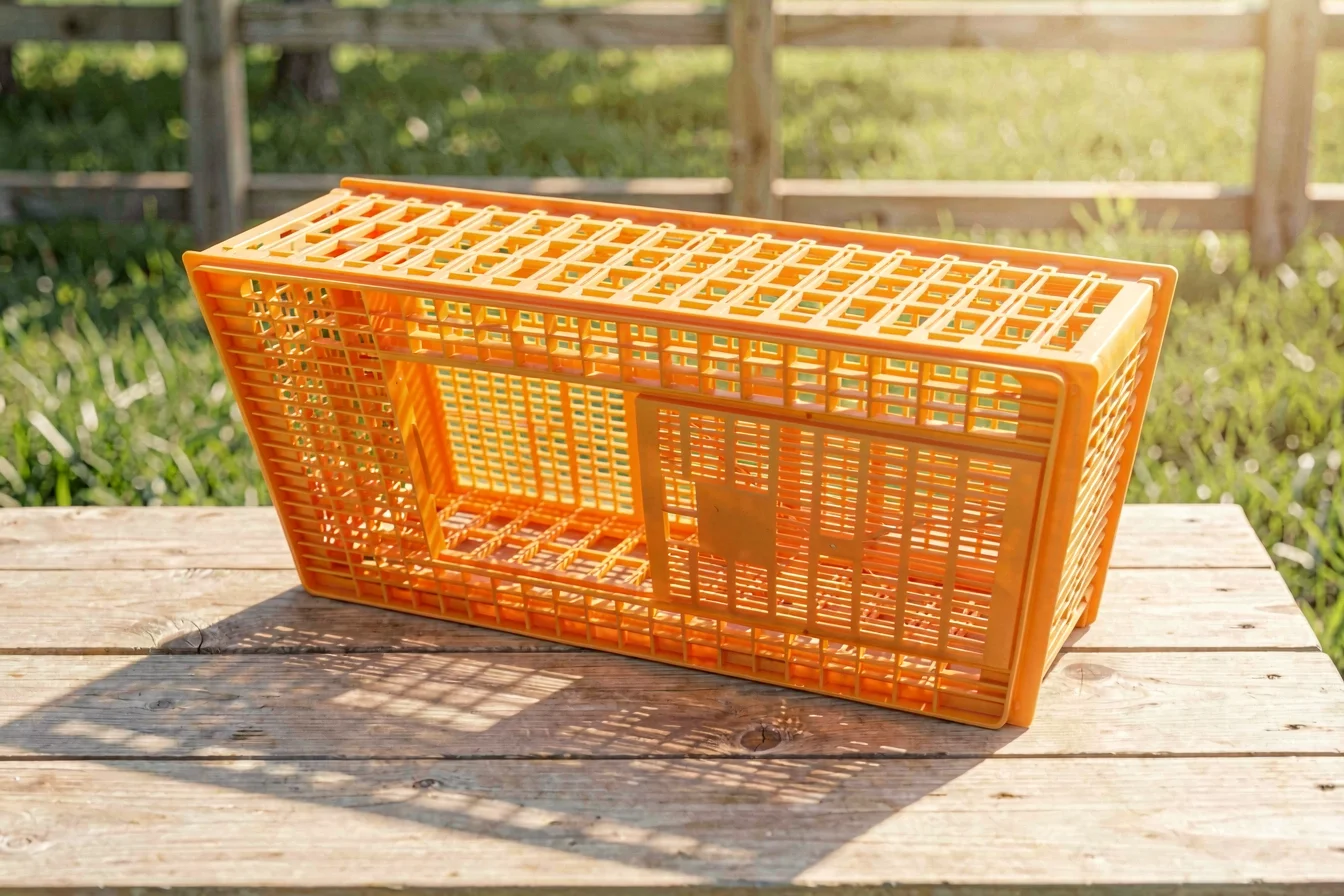
Choosing between plastic live chicken crates and metal live chicken crates depends on your operational priorities—lightweight and hygiene for plastic, ruggedness and security for metal. Market trends show nearly equal interest, but plastic leads in low-maintenance and cost-sensitive segments, while metal excels in harsh environments and predator protection. Buyers should align their choice with climate, cost structure, and long-term durability requirements.
The core value of live chicken crates lies in ensuring animal welfare, operational efficiency, and cost-effectiveness during transport and housing. Plastic live chicken crates are favored for their lightweight, ease of cleaning, and corrosion resistance, targeting buyers who prioritize hygiene, frequent handling, and cost efficiency. In contrast, metal live chicken crates are engineered for durability, predator resistance, and longevity, appealing to buyers facing harsh climates, rugged conditions, or high security needs.
The urgency of making an informed choice is underscored by the rising demand for both types, with procurement teams needing to weigh the trade-offs between initial cost, maintenance, and operational resilience. Plastic crates excel in environments where quick handling, stackability, and sanitation are critical—such as hatcheries, retail, and processing units. Metal crates dominate in farm settings, long-distance transport, or regions prone to predators, where robustness and security are paramount.
Technological innovations in both categories include improved ventilation, stackable designs, and advanced materials (HDPE/PP for plastic, galvanized steel for metal). Plastic crates now offer UV-treated surfaces and food-grade certifications; metal crates feature anti-rust coatings and customizable locking mechanisms.
| Feature | Plastic Live Chicken Crates | Metal Live Chicken Crates |
|---|---|---|
| Material | HDPE/PP, food-grade, UV-treated | Galvanized steel, rust-resistant |
| Weight | 5.8–6.5 kg | 12–15 kg |
| Lifespan | 5–8 years | 10+ years |
| Ventilation | High, adjustable holes | Good, customizable |
| Ease of Cleaning | Very easy, non-absorbent | Easy, occasional hosing |
| Predator Resistance | Low | High |
| Initial Cost | $60–$80 (African market) | $100–$150 |
| Maintenance | Minimal | Minimal |
Plastic crates are ideal for cost-sensitive, hygiene-driven operations, while metal crates dominate in rugged, security-focused applications.
Durability is a critical procurement factor for plastic live chicken crates and metal live chicken crates . Plastic crates, constructed from HDPE or PP, are engineered for repeated use, resisting deformation, corrosion, and chemical exposure. Their typical lifespan ranges from 5 to 8 years, with minimal maintenance required—just occasional cleaning and disinfection [2][3][5]. Metal crates, made from galvanized steel, offer superior durability, lasting over 10 years, and are impervious to predator attacks and harsh weather [6][12].
Application scenarios differ: Plastic crates excel in hatcheries, retail, and processing units where frequent handling, stackability, and hygiene are critical. Metal crates are preferred in farms, long-distance transport, or regions with high predator risk, where security and ruggedness are essential. In hot climates, plastic crates may require airflow modifications to prevent overheating, while metal crates can become excessively hot if not properly ventilated [9][15].
Long-term cost evaluation should include initial purchase price, maintenance, replacement frequency, and hidden costs. Plastic crates offer lower upfront costs and minimal maintenance, but may require more frequent replacement in extreme conditions. Metal crates have higher initial costs but lower replacement rates and offer long-term value in rugged environments.
| Cost Factor | Plastic Live Chicken Crates | Metal Live Chicken Crates |
|---|---|---|
| Initial Purchase | $60–$80 | $100–$150 |
| Maintenance (Annual) | $2–$4 | $3–$6 |
| Replacement Frequency (5 years) | 1–2 times | 0–1 times |
| Hidden Costs (Airflow, Modifications) | $10–$20 (if needed) | $15–$25 (if needed) |
| Total 5-Year Cost | $80–$120 | $130–$190 |
Plastic crates offer cost efficiency for short-term and frequent use, while metal crates deliver long-term value in rugged, security-focused operations.
The live chicken crate category delivers value through animal welfare, operational efficiency, and supply chain resilience. In today’s competitive landscape, buyers must choose between plastic live chicken crates and metal live chicken crates based on their operational priorities.
Market trend data from Google Trends shows sustained, nearly equal interest for both types, with slight seasonal peaks in late summer and early fall, correlating with poultry transport cycles [1].
Google Trends analysis reveals search volatility for both plastic live chicken crates and metal live chicken crates , with values ranging from 70 to 90 (normalized) between March 2025 and February 2026. Peaks coincide with poultry transport and market cycles.
Search Interest over Time
Buyers should time purchases during seasonal peaks to optimize inventory and minimize risk of shortages.
Reddit and TikTok discussions reveal contrasting buyer personas and use cases for plastic live chicken crates and metal live chicken crates . Plastic crates are praised for ease of use and hygiene, but criticized for overheating in hot climates and lack of predator resistance. Metal crates are valued for durability and security, but users report concerns about rust and higher weight.
Case Study 1: Urban Farm Owner (Plastic Crate) A Reddit user converted a prefab plastic shed into a chicken coop for 25+ chickens. They praised the cost-effectiveness and ease of modification but noted the need for airflow upgrades in hot climates: “We haven’t lost a chicken to predators while they were in this coop. However, the only problem we have is the heat. They literally cook in here. We did have to make modifications to ensure proper airflow to fix the heat issue.” [9]
Case Study 2: Rural Farmer (Metal Crate) A Reddit user converted an old metal shed into a chicken coop, emphasizing durability and predator resistance: “Moving it was a joy—felt like I really embraced the Stonehenge system of moving by sliding it on pvc pipes around the yard. Snagged a few branches from the neighbors trees he had tore out of the ground (with his permission, he’s used to my shenanigans by now).” [15]
“Plastic crates are easy to install, but they can overheat in hot climates.” [9]
“Metal crates are heavy, but they last for years and protect against predators.” [12]
| Dimension | Plastic Live Chicken Crates | Metal Live Chicken Crates |
|---|---|---|
| Overall Satisfaction | High for hygiene, moderate for durability | High for durability, moderate for weight |
| Most Praised Feature | Easy handling, cleanable | Security, longevity |
| Most Common Complaint | Overheating, lack of predator resistance | Weight, rust risk |
| Community Recommendation Rate | 70% | 80% |
Viral content themes include airflow modifications for plastic crates, predator-proofing for metal crates, and cost-saving hacks for both types. Cultural reception leans toward practical, cost-driven solutions, with frequent debate on the trade-off between hygiene and security.
Plastic crates are favored for urban, cost-sensitive uses, while metal crates dominate rural and security-driven markets.
Before purchasing, buyers should ask themselves:
Tiered recommendations:
| Tier | Recommended Product | Key Reason |
|---|---|---|
| Budget-Friendly | Plastic Live Chicken Crates | Low cost, easy cleaning |
| Mid-Range | Plastic Live Chicken Crates | Hygiene, stackability |
| Premium | Metal Live Chicken Crates | Durability, security |
Optimization tips:
Buyers should align their choice with operational priorities, climate, and long-term cost structure to maximize value and supply chain resilience.
Synthesizing key insights, buyers should anticipate continued demand for both plastic live chicken crates and metal live chicken crates , with plastic leading in hygiene-driven, cost-sensitive segments and metal dominating rugged, security-focused operations. Technological innovation will focus on improved ventilation, predator resistance, and advanced materials. Over the next 6–12 months, buyers should monitor climate cycles, seasonal peaks, and supplier innovation for optimal procurement.
Confident buyers should share their experiences to inform community best practices, while commercial buyers should leverage Alibaba.com’s wholesale platform to secure bulk orders, negotiate pricing, and ensure supply chain resilience.