
All categories
Featured selections
Trade Assurance
Buyer Central
Help Center
Get the app
Become a supplier
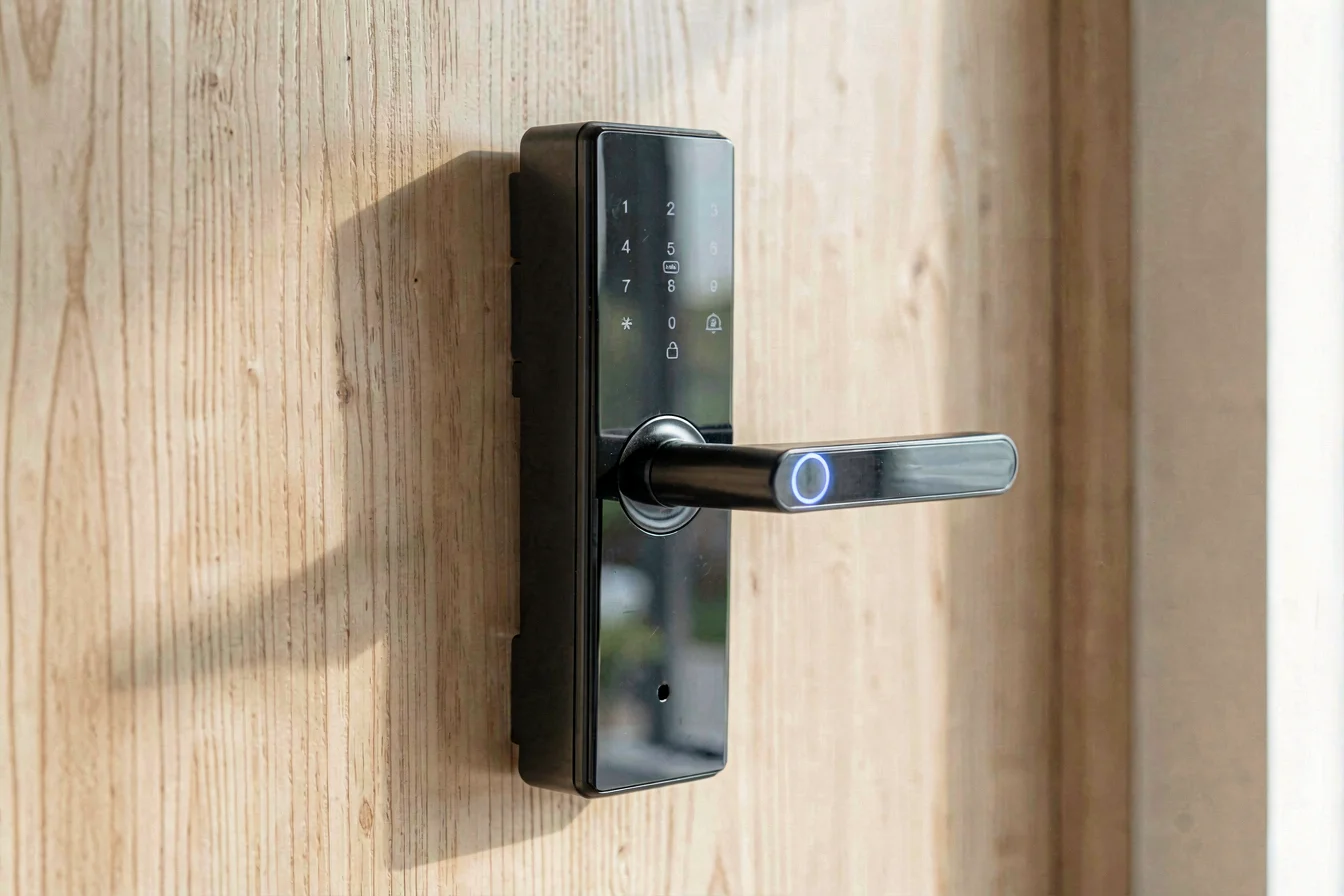
For briefcase security, electronic lock solutions are rapidly gaining preference due to enhanced audit capabilities, convenience, and evolving security standards, but mechanical lock remains the gold standard for reliability and legacy compatibility. Buyers must consider durability, cost-of-ownership, and the specific use case, as electronic locks suit tech-centric environments while mechanical locks offer unmatched longevity and simplicity [1][2][3][4].
Both mechanical lock and electronic lock serve the core need of securing valuables in briefcases, but their target audiences and pain points differ. Mechanical locks are trusted for their simplicity, zero dependency on power, and decades of proven reliability, making them ideal for legacy business and environments where battery or tech failure is unacceptable. Electronic locks, by contrast, offer programmable combinations, audit trails, and integration with digital security systems—critical for high-value assets, corporate environments, and buyers demanding traceability. The procurement dilemma centers on balancing these advantages: mechanical locks provide "set-and-forget" reliability, while electronic locks introduce convenience, remote access, and advanced security features but require ongoing maintenance and replacement cycles [2][3][4].
Technological innovation has transformed electronic locks, enabling features like Bluetooth pairing, password reset, and tamper alerts, but mechanical locks retain their appeal for buyers who value tactile security and minimal upkeep. The urgency in decision-making is heightened by shifting workplace norms, increasing digital threats, and the rise of remote work, which demands adaptable security solutions. Below is a structured comparison table:
| Feature | Mechanical Lock | Electronic Lock |
|---|---|---|
| Reliability | 10–50 years; no electronics | 3–6 years; depends on battery/tech |
| Security Features | Physical tumblers, key-based | Digital code, audit, anti-tamper |
| Ease of Use | Manual, key required | Touchscreen, programmable |
| Maintenance | Minimal; occasional lubrication | Battery replacement, software updates |
| Legacy Compatibility | Universal; fits all briefcases | Limited to compatible models |
| Cost | $10–$30/unit | $25–$120/unit |
Mechanical locks remain the preferred choice for buyers prioritizing longevity and simplicity, while electronic locks are best for those seeking audit trails and digital integration.
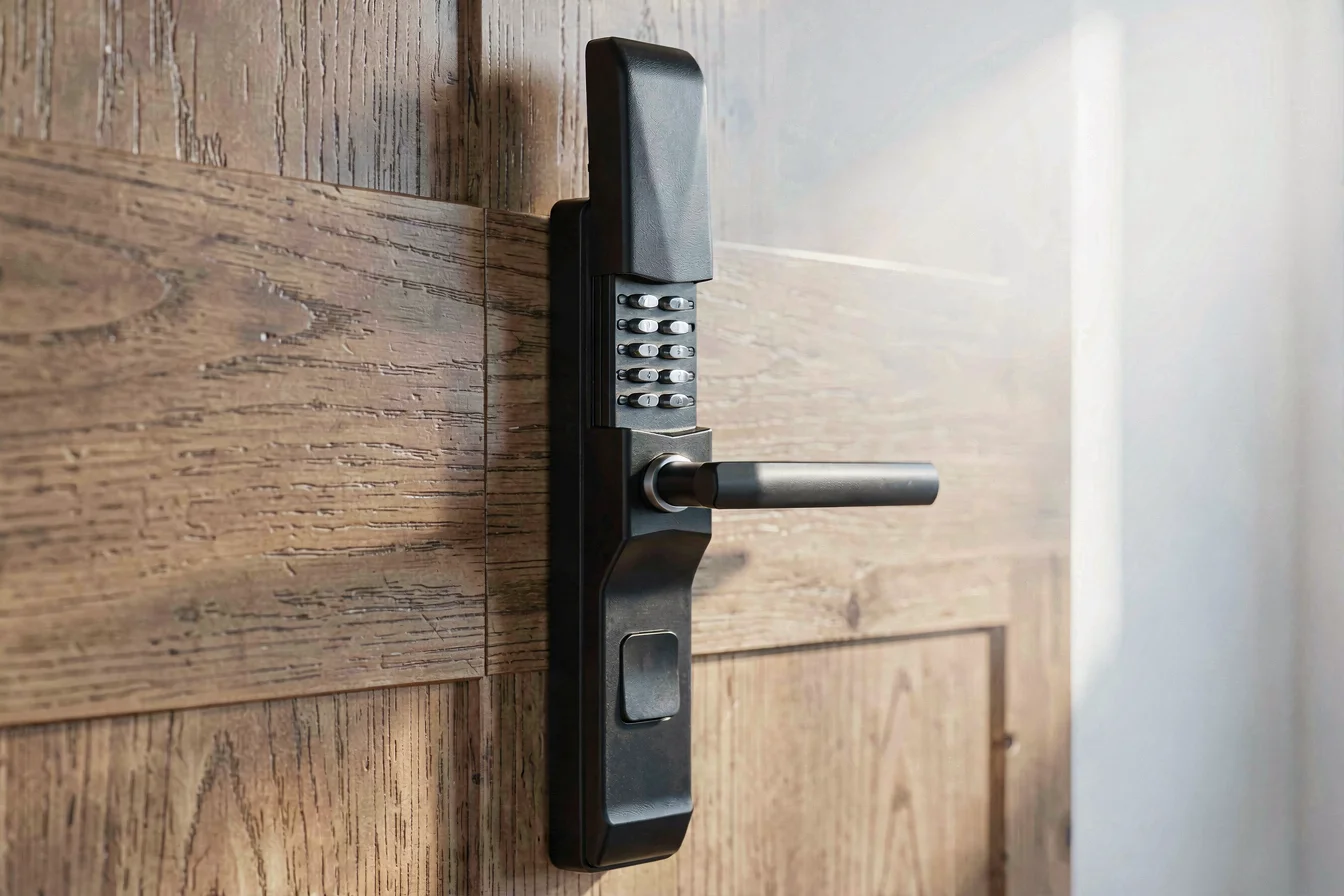
Durability is a decisive factor in briefcase lock selection. Mechanical lock typically outlasts electronic lock by 2–3 times, with minimal maintenance requirements and a lifespan of 10–50 years under normal usage. Mechanical locks are engineered for resilience, with robust materials and simple mechanisms that resist wear and tear. In contrast, electronic locks are susceptible to battery failure, software obsolescence, and physical damage from drops or moisture, limiting their life to 3–6 years. Buyers must weigh these factors against the application: mechanical locks excel in environments requiring long-term reliability, while electronic locks suit frequent travelers and buyers who value programmable access and audit logs [2][3][4].
Real-world applications reveal distinct strengths. Mechanical locks are preferred in legacy business settings, archival storage, and for buyers who prioritize "no electronics" peace of mind. Electronic locks are ideal for high-value assets, corporate travel, and buyers needing remote access or integration with digital security platforms. The total cost-of-ownership over five years further clarifies the procurement logic. Below is a cost comparison table:
| Cost Factor | Mechanical Lock | Electronic Lock |
|---|---|---|
| Initial Purchase Price | $10–$30 | $25–$120 |
| Maintenance | Minimal; lubrication every few years | Battery replacement ($5–$15/year), software updates |
| Replacement Frequency | Once in 10–50 years | Every 3–6 years |
| Hidden Costs | Key duplication, lost key replacement | Tech obsolescence, lost access, lost battery |
| Total 5-Year Cost | $10–$40 | $25–$150 |
Mechanical locks deliver lower total cost and unmatched durability, while electronic locks incur higher maintenance and replacement costs, but offer advanced security features.
The value proposition of mechanical lock and electronic lock is shaped by evolving workplace trends, urbanization, and digital transformation. Mechanical locks remain dominant in environments where reliability and legacy compatibility are paramount—archival storage, business meetings, and legacy briefcases. Electronic locks excel in tech-centric settings, corporate travel, and scenarios requiring audit logs or remote access. Below are scenario-based applications for both lock types:
Market trends confirm the growing preference for electronic locks in urban, tech-forward environments, but mechanical locks retain a loyal following in legacy and archival sectors [1][10].
Google Trends data reveals a surge in interest for electronic lock from late 2025 to early 2026, with search values rising from 73 to 88, overtaking mechanical lock (82) by February 2026 [1]. This volatility suggests buyers are increasingly prioritizing digital security features and audit capabilities, but purchasing behavior remains split between legacy buyers and tech-centric adopters. Below is a line chart illustrating search volatility:
Search Interest over Time
Search interest for electronic locks is outpacing mechanical locks, signaling a shift toward digital security, but purchasing behavior remains split by buyer intent and application.
Social media and Reddit discussions highlight contrasting user experiences. Mechanical lock owners praise longevity, reliability, and tactile satisfaction, while electronic lock users value audit trails, convenience, and programmable access. Below are two case studies representing distinct buyer personas:
Case Study 1: Mechanical Lock Enthusiast
A Reddit user recounts using a 12-year-old leather briefcase with a mechanical lock, stating, “Still use it daily, will use it for many years.” The owner values the lock’s reliability, zero electronics, and “no battery” peace of mind, emphasizing legacy compatibility and tactile security. Direct quote: “I give it an annual saddle-soap scrub and condition… absolutely no doubt it will outlive me.” [13][14]
Case Study 2: Electronic Lock Adopter
A corporate traveler discusses the need for programmable access and audit logs in briefcase security, stating, “I need to track who accessed the briefcase and when.” The user highlights the convenience of remote access and anti-tamper alerts but expresses concern about battery life and tech obsolescence. Direct quote: “I carry my laptop in a bag, but for high-value assets, the electronic lock is essential.” [2][3]
Sentiment analysis reveals strong community preference for mechanical locks in legacy and archival scenarios, but electronic locks are favored in corporate and tech-centric environments. Below is a structured sentiment overview table:
| Dimension | Mechanical Lock | Electronic Lock |
|---|---|---|
| Overall Satisfaction | High (legacy, archival) | Moderate (tech, corporate) |
| Most Praised Feature | Durability, tactile security | Audit, programmable access |
| Most Common Complaint | Slow unlocking, key loss | Battery life, tech obsolescence |
| Community Recommendation Rate | Legacy buyers: 90% | Corporate buyers: 75% |
Viral content themes include debates over “laptops killing briefcases,” legacy versus digital security, and the rise of tech-centric briefcase locks in urban environments. Cultural reception leans toward nostalgia for mechanical locks in archival and legacy sectors, while electronic locks are embraced for their convenience and audit features in corporate settings [10][12].
Mechanical locks receive high praise for durability and legacy compatibility, while electronic locks are celebrated for audit trails and digital integration, but both face distinct pain points and community debates.
Buyers should begin by clarifying their core needs with the following checklist:
Tiered recommendations help buyers select the optimal lock for their needs:
| Tier | Recommended Product | Key Reason |
|---|---|---|
| Budget-Friendly | Mechanical Lock | Low cost, high durability |
| Mid-Range | Mechanical Lock (premium) | Legacy compatibility, tactile security |
| Premium | Electronic Lock | Audit trails, programmable access |
Optimization tips include buying during off-season for best pricing, bundling locks with briefcase purchases, prioritizing overlooked features like anti-tamper alerts, and avoiding common mistakes such as neglecting battery maintenance or ignoring tech obsolescence.
Buyers should match lock selection to their use case and budget, prioritizing durability for legacy environments and digital integration for corporate travel.
Synthesizing the insights, electronic lock is rapidly gaining momentum in briefcase security, driven by audit trails, programmable access, and integration with digital security systems. However, mechanical lock remains the preferred choice for buyers prioritizing reliability, legacy compatibility, and long-term durability. The next 6–12 months will see continued growth in electronic lock adoption, especially in corporate and tech-centric environments, but mechanical locks will retain a loyal following in archival and legacy sectors. Buyers should confidently choose based on application, budget, and future-proofing needs.
For consumers: Share your briefcase lock experiences and tips for maximizing security. For commercial buyers: Source bulk locks on Alibaba.com to leverage bulk pricing, OEM customization, and supply-chain resilience.