
All categories
Featured selections
Trade Assurance
Buyer Central
Help Center
Get the app
Become a supplier
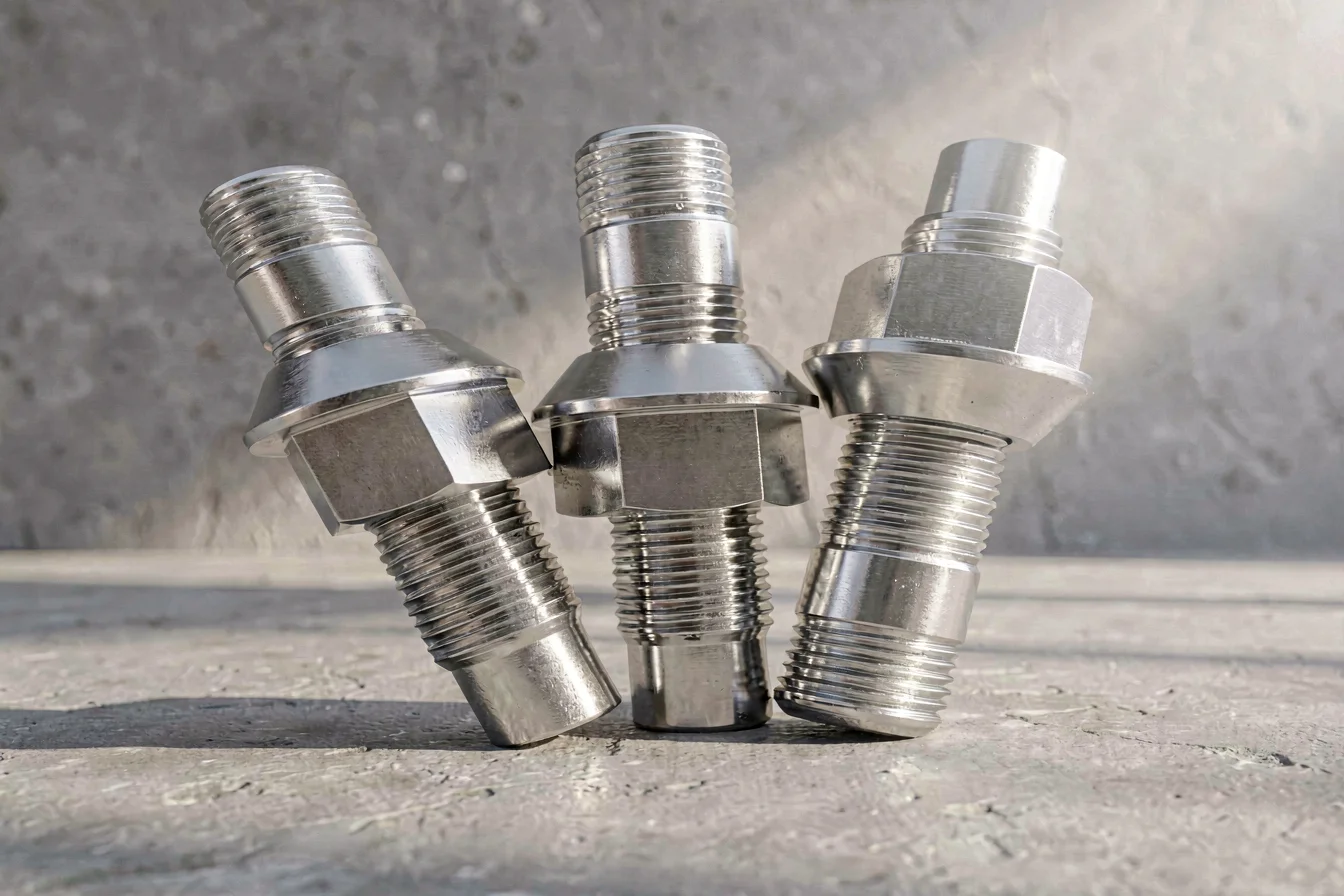
The choice between m10 wheel stud and m12 wheel stud depends on vehicle type, load requirements, and compatibility. M12 wheel stud is the industry standard for most passenger and light commercial vehicles, ensuring robust performance and widespread part availability. M10 wheel stud is suitable for smaller, lighter vehicles or custom builds, but its use is declining due to evolving safety and load standards[8][[14]].
Both m10 wheel stud and m12 wheel stud serve as critical fasteners for securing wheels to vehicles, but their sizing, thread engagement, and application scenarios differ significantly. M12 wheel stud is the preferred choice for mainstream vehicles, offering greater tensile strength and compatibility with modern OEM specifications. M10 wheel stud is typically used in lighter vehicles or specialty builds, but its application is limited due to evolving safety and load requirements[[14]]. The urgency to choose correctly is heightened by the risk of improper thread engagement, which can lead to wheel loosening, stud breakage, or even catastrophic failure[2][7].
Technological innovations in thread design and materials have improved the reliability of both sizes, but m12 wheel stud remains dominant for high-load and high-vibration environments. Procurement decisions should be driven by vehicle weight, torque specifications, and OEM compatibility. Misalignment or incorrect stud size can lead to costly repairs and downtime, making it essential to match the stud size to the vehicle’s requirements[8].
| Feature | M10 Wheel Stud | M12 Wheel Stud |
|---|---|---|
| Vehicle Compatibility | Smaller, lighter vehicles, specialty builds | Mainstream passenger and light commercial vehicles |
| Tensile Strength | Lower (up to 800MPa) | Higher (up to 1000MPa) |
| Thread Engagement | Shorter (typically 10–12mm) | Longer (typically 14–16mm) |
| OEM Availability | Limited, specialty only | Widespread, mainstream |
| Typical Use Case | Custom, niche, light-duty | Fleet, commercial, OEM |
M12 wheel studs are the clear procurement winner for mainstream and commercial applications due to superior strength, thread engagement, and widespread OEM compatibility.
Durability is a critical factor in wheel stud selection. M12 wheel stud is engineered for higher load and vibration resistance, making it ideal for passenger and light commercial vehicles. In contrast, m10 wheel stud is less robust and is typically reserved for smaller, lighter vehicles or custom builds where weight savings are a priority[[14]]. Long-term reliability is driven by proper thread engagement, material quality, and torque specifications.
Key application scenarios for m12 wheel stud include fleet operations, commercial delivery vehicles, and passenger cars where safety and load capacity are paramount. M10 wheel stud is best suited for motorcycles, specialty cars, and aftermarket upgrades. The expected lifespan of m12 wheel stud is typically longer, with fewer replacements required due to its superior strength and design[2][7].
Over a five-year period, the total cost of ownership for m12 wheel stud is generally lower due to reduced replacement frequency and fewer repair incidents. M10 wheel stud may require more frequent replacement, especially under heavy use, and can incur higher maintenance costs if not properly torqued or engaged[2][[14]].
| Cost Factor | M10 Wheel Stud | M12 Wheel Stud |
|---|---|---|
| Initial Purchase Price | $0.45–$0.80/unit | $0.60–$1.20/unit |
| Replacement Frequency (5 years) | 2–3 times | 1–2 times |
| Maintenance/Repair Costs | Higher (more replacements) | Lower (fewer replacements) |
| Hidden Costs (Downtime, Safety) | Moderate to high | Low |
M12 wheel studs deliver better long-term value, especially for high-load and safety-critical applications, with lower maintenance and replacement costs over time.
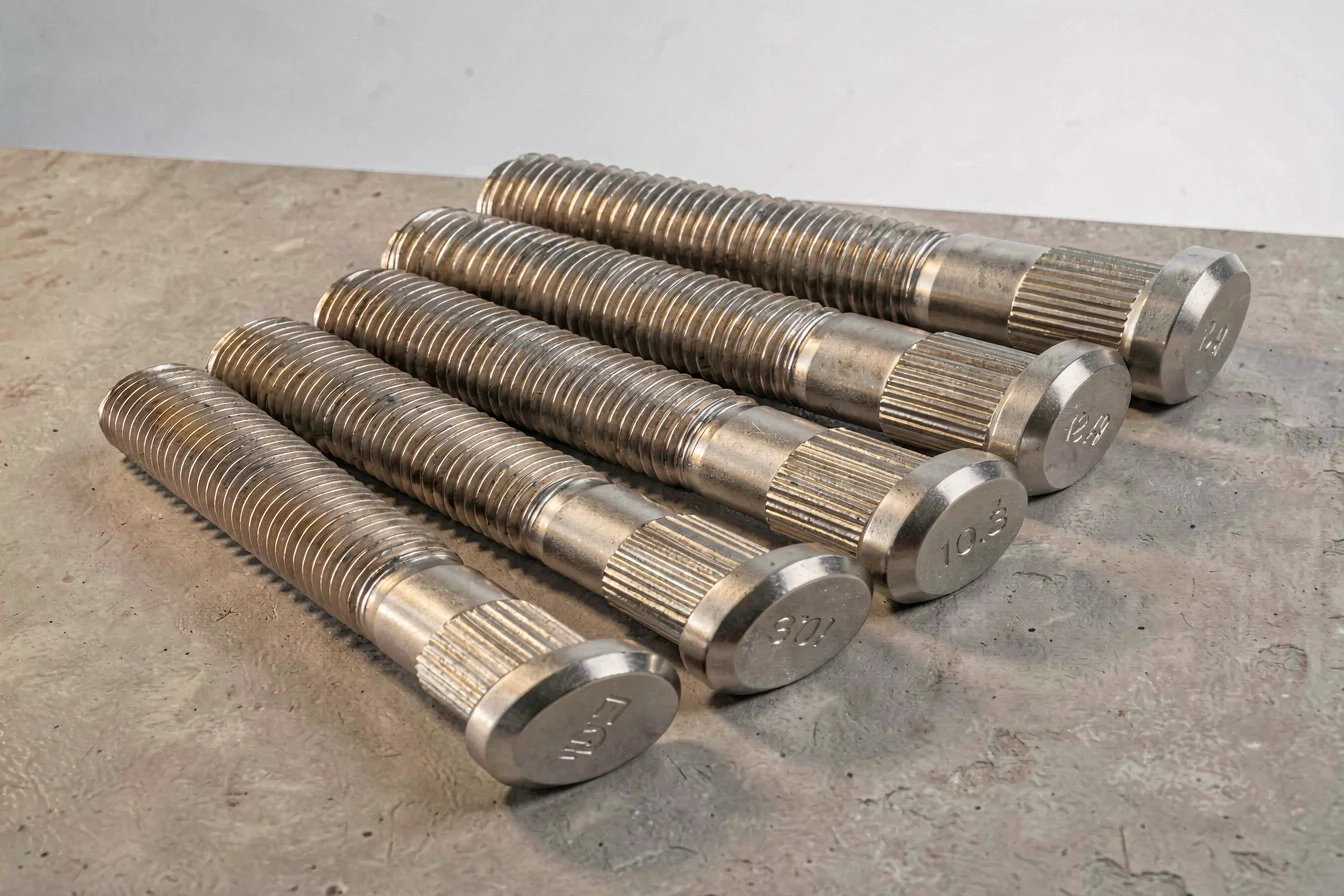
The core value of wheel studs lies in ensuring vehicle safety, performance, and compatibility. In today’s competitive landscape, procurement decisions must align with vehicle requirements, fleet size, and load demands. M12 wheel stud excels in mainstream fleet and commercial applications, while m10 wheel stud is best suited for niche or custom builds.
M12 wheel studs are the clear choice for mainstream and commercial applications, while M10 is best reserved for niche or custom builds where weight and space are priorities.
Google Trends data shows a steady rise in search interest for m12 wheel stud with thread pitch, peaking in late 2025 and early 2026. This reflects increased replacement cycles and procurement demand for mainstream vehicle platforms[1]. Search interest for m10 wheel stud remains low and stable, indicating limited market demand.
Search Interest over Time
Search interest for M12 wheel studs is surging, indicating growing procurement demand and replacement cycles in mainstream vehicle markets.
Reddit and TikTok discussions reveal recurring pain points around wheel stud selection, installation, and thread engagement. Case studies highlight the importance of matching stud size to vehicle requirements and torque specifications. Community sentiment leans strongly toward m12 wheel stud for mainstream applications, with m10 wheel stud used mainly in niche or custom builds.
Case Study 1: Mainstream Fleet Buyer (M12 Wheel Stud) A fleet manager on Reddit describes switching to m12 wheel stud after repeated failures with smaller studs. “We upgraded to M12 after several instances of stud breakage and wheel loosening. Torque specs are much higher, and the thread engagement is longer—fewer replacement incidents since the switch.” The manager emphasizes the importance of proper installation and lubrication: “Always use a stud installer and lubricate the threads—this prevents galling and ensures full engagement.”
“Just put a couple of washers in there and tighten the lug nut. The best way to install new studs is to lubricate the shoulder, use an old lug nut that’s open on the back side, and pull the stud in until it stops moving easily. Then install the tire and torque like normal.” [9]
Case Study 2: Custom Builder (M10 Wheel Stud) A custom motorcycle builder on TikTok discusses using m10 wheel stud for a lightweight build: “I went with M10 because weight is critical, and the bike doesn’t carry much load. But I had to double-check the thread engagement—too short and it’s a safety risk. I ended up with a custom hub to make sure the nuts fully engage the stud.” The builder notes the difficulty in sourcing OEM replacements: “Finding the right M10 parts is tough—most shops only stock M12.”
“Mini originally used M12, but switched to M14 in the late 00s. Just buy new bolts and make a note of it. Upgrade the other hubs when it comes time to change bearings.” [8]
| Dimension | M10 Wheel Stud | M12 Wheel Stud |
|---|---|---|
| Overall Satisfaction | Moderate (niche use) | High (mainstream use) |
| Most Praised Feature | Weight savings | Strength, thread engagement |
| Most Common Complaint | Low availability, short thread engagement | None (standard, widely available) |
| Community Recommendation Rate | Low | High |
Viral content themes on Reddit and TikTok focus on proper installation techniques, thread engagement, and the risks of using incorrect stud sizes. Recurring debate points include torque specs, stud breakage, and compatibility confusion. Cultural reception is positive for m12 wheel stud in mainstream contexts, with m10 wheel stud receiving mixed reviews due to limited application and sourcing issues[4][8][9].
Community sentiment strongly favors M12 wheel studs for mainstream and commercial use, while M10 is best reserved for niche builds with strict weight or space requirements.
Before purchasing, buyers should assess their core needs by asking:
Tiered recommendations:
| Tier | Recommended Product | Key Reason |
|---|---|---|
| Budget-Friendly | M12 Wheel Stud | Widespread availability, lower replacement costs |
| Mid-Range | M12 Wheel Stud | OEM compatibility, higher strength |
| Premium/Custom | M10 Wheel Stud | Weight savings, space constraints |
Optimization tips:
Buyers should prioritize M12 wheel studs for mainstream and commercial applications, with M10 reserved for custom builds where weight and space are critical.
Key insights from this analysis highlight the dominance of m12 wheel stud in mainstream and commercial vehicle markets, driven by superior strength, thread engagement, and OEM compatibility. Market trends and community sentiment further reinforce the need for careful stud selection, installation, and maintenance to ensure safety and cost-effectiveness[1][8][[14]].
Looking ahead, procurement strategies should prioritize m12 wheel stud for fleet and commercial operations, with m10 wheel stud reserved for niche or custom builds. Buyers should monitor seasonal trends and replacement cycles for optimal pricing, and always verify torque specs and thread engagement to prevent costly failures. As vehicle weights and safety standards continue to evolve, the demand for high-strength, compatible fasteners will only increase.
For confident procurement, mainstream buyers should choose M12 wheel studs, while custom builders should carefully assess weight and space requirements. Share your experiences to help others, and commercial buyers should source from trusted wholesale platforms like Alibaba.com for best supply-chain resilience.