
All categories
Featured selections
Trade Assurance
Buyer Central
Help Center
Get the app
Become a supplier
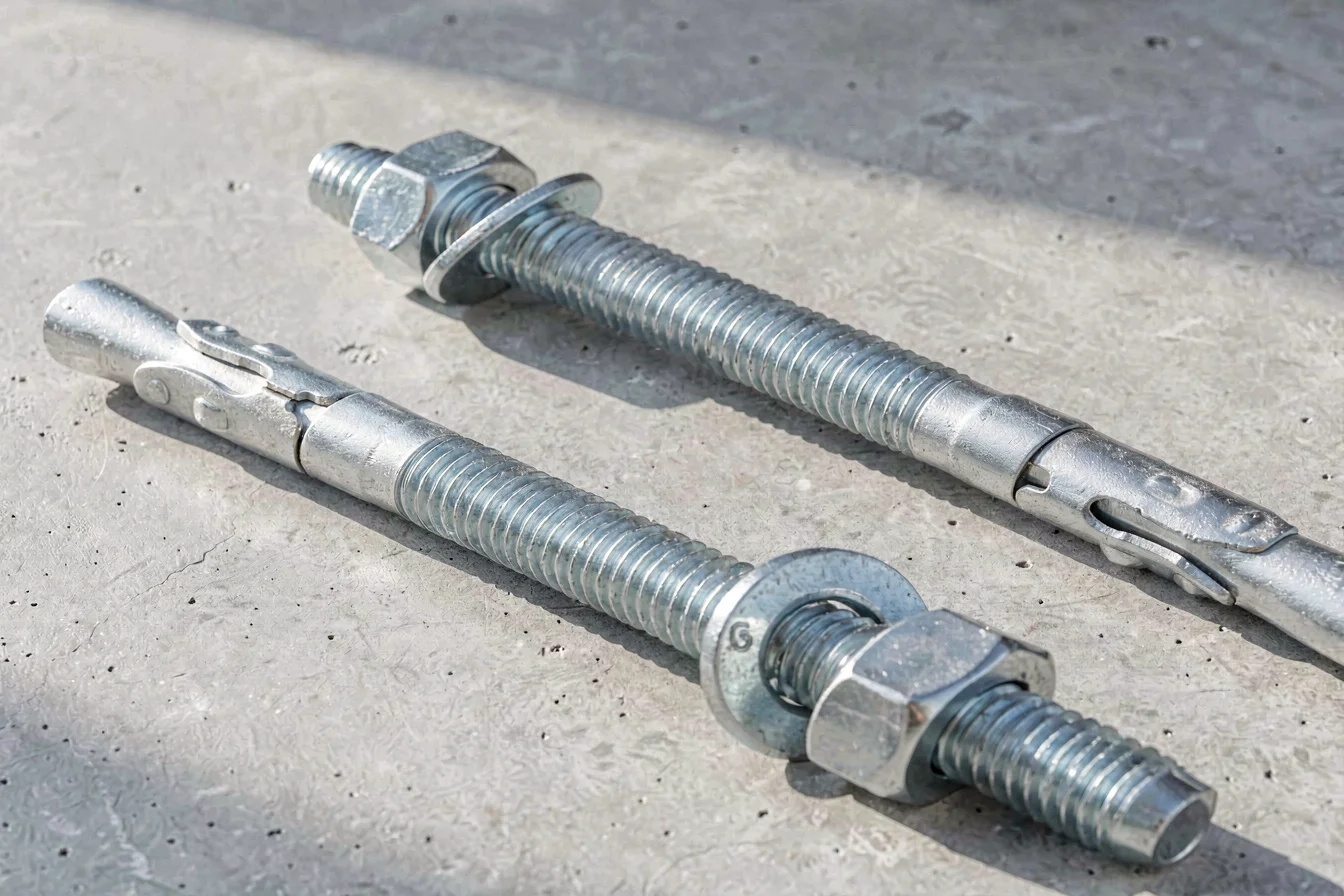
Choosing between m27 anchor bolt and m16 anchor bolt hinges on load requirements, cost, and project criticality. M27 anchor bolt delivers superior strength and durability for heavy-duty applications, while m16 anchor bolt is more affordable and practical for moderate loads. As demand for larger anchor bolts rises, buyers must align selection with engineering standards, safety, and long-term cost efficiency.
The anchor bolt category is foundational to structural, industrial, and commercial projects, delivering critical load-bearing and anchoring functions. M27 anchor bolt targets heavy-duty infrastructure, high-stress environments, and projects requiring maximum tensile strength, while m16 anchor bolt is optimized for routine applications, moderate loads, and cost-sensitive operations. The urgency to choose the right size is heightened by rising urbanization, stricter safety codes, and the need for long-term reliability in both B2B and B2C contexts.
Core differences: m27 anchor bolt provides a larger shank diameter (27mm), higher tensile strength (~132MPa), and is available in premium grades (up to 10.9), making it suitable for bridges, foundations, and industrial machinery[4]. M16 anchor bolt offers a 16mm shank, moderate tensile strength (~101MPa), and grades up to 8.8, ideal for building structures, light machinery, and general fastening needs[4]. Traditional challenges include matching bolt size to load requirements, ensuring compliance with international standards (ASTM F1554, ISO 898-1), and minimizing costs without compromising safety. Innovations such as advanced finishes (Dacromet, HDG, zinc), custom lengths, and OEM/ODM support differentiate suppliers and enhance product value.
| Feature | M27 Anchor Bolt | M16 Anchor Bolt |
|---|---|---|
| Shank Diameter | 27mm | 16mm |
| Tensile Strength | ~132MPa (Grade 10.9) | ~101MPa (Grade 8.8) |
| Application | Heavy-duty, infrastructure, industrial | Moderate-duty, building, general |
| Price Range | Higher (premium, custom) | Lower (bulk, standard) |
| Finish Options | Zinc, HDG, Dacromet, OEM/ODM | Zinc, HDG, Dacromet, OEM/ODM |
| Standards | ASTM F1554, ISO 898-1 | ASTM F1554, ISO 898-1 |
Durability is paramount in anchor bolt selection. M27 anchor bolt excels in environments with extreme loads, harsh weather, and frequent vibration, with a lifespan of 15–30 years under proper installation and maintenance[3]. M16 anchor bolt is reliable for typical building, machinery, and equipment installations, with a lifespan of 10–20 years, depending on application and environment[3]. Both sizes offer finishes (zinc, HDG, Dacromet) that extend corrosion resistance and longevity.
Application scenarios: m27 anchor bolt is essential for bridges, industrial foundations, heavy machinery, and critical infrastructure where failure is not an option. M16 anchor bolt is suitable for building structures, light machinery, gym equipment, and general fastening where moderate loads and cost control are priorities.
Long-term cost outlook: Initial purchase price for m27 anchor bolt is higher, but its longevity and reduced replacement frequency offset costs in high-stress projects. M16 anchor bolt is more affordable but may require more frequent replacement in demanding environments. Maintenance and hidden costs (installation, labor, liability) should be factored in.
| Cost Factor | M27 Anchor Bolt | M16 Anchor Bolt |
|---|---|---|
| Initial Purchase Price | $15–$40/unit | $7–$20/unit |
| Maintenance | Low (rare replacement) | Moderate (occasional replacement) |
| Replacement Frequency | Every 15–30 years | Every 10–20 years |
| Hidden Costs | Installation, labor, compliance | Installation, labor, compliance |
| Total 5-Year Cost | $18–$45/unit | $9–$22/unit |
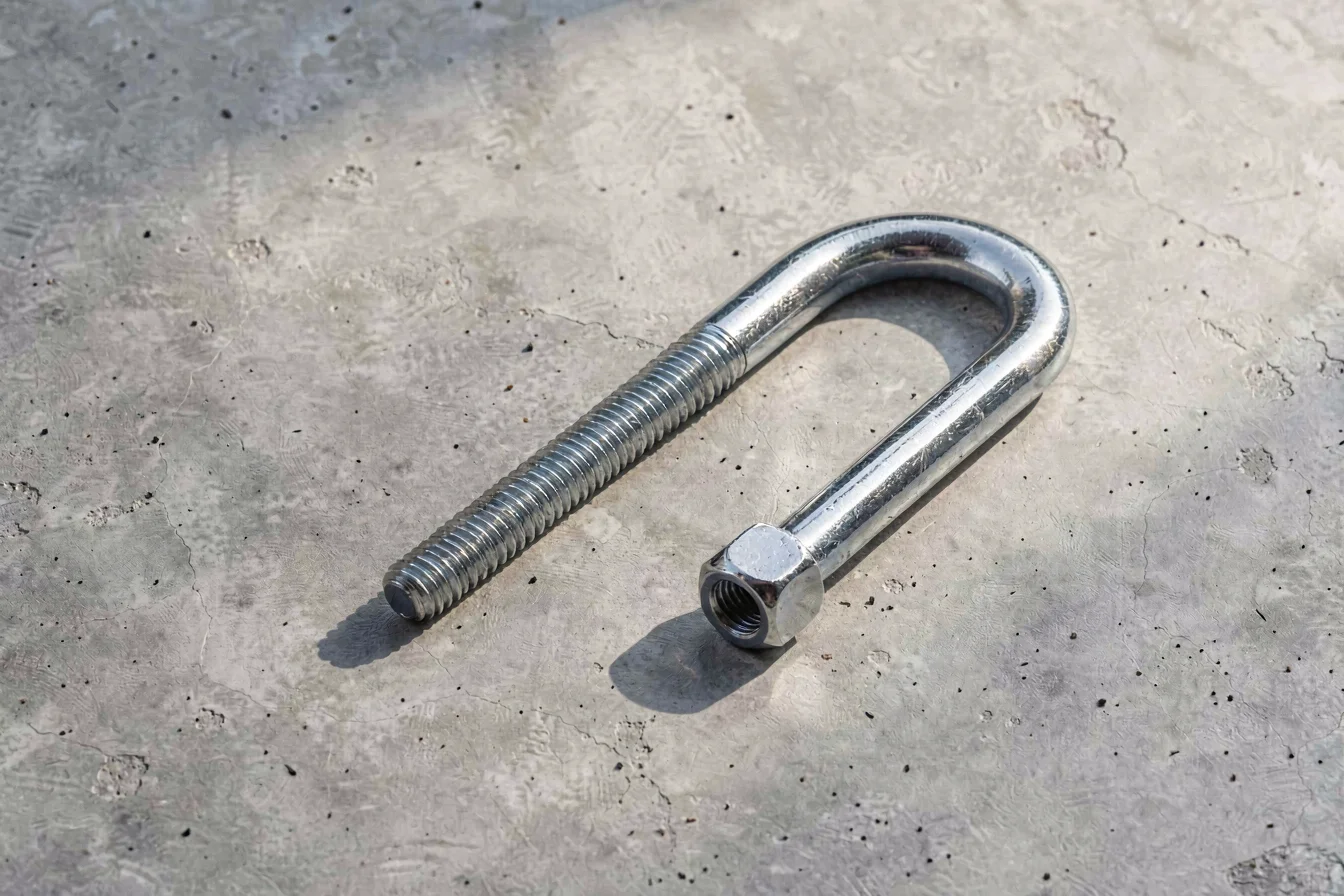
The anchor bolt market is shaped by urbanization, infrastructure upgrades, and the need for reliable fastening solutions. M27 anchor bolt is increasingly favored for large-scale, high-stress projects, while m16 anchor bolt remains a staple for cost-sensitive, moderate-load applications.
Market trend data shows rising search interest for larger anchor bolts, with M27 and M20 bolts trending upward from mid-2025 to early 2026, reflecting increased infrastructure and industrial demand[1].
Google Trends data indicates a surge in search interest for M27 and M20 anchor bolts, peaking in August 2025, with M27 bolts showing the strongest upward momentum[1]. This suggests that buyers are increasingly prioritizing larger, higher-strength anchor bolts for critical projects.
Search Interest over Time
Reddit and construction forums reveal strong opinions on anchor bolt selection, especially regarding stability, liability, and cost. In gym equipment discussions, users debate whether following manufacturer guidelines (two bolts per upright) is necessary or if one bolt is sufficient for stability[8]. For construction and foundation installations, liability and safety are primary concerns, with experts advising strict adherence to specifications and compliance for critical projects[10][15].
Case Study 1: Gym Equipment Installer (Reddit/r/GarageGym)
A user installing a Rep Ares 2.0 gym rack questions whether using one anchor bolt per upright is safe. Community feedback emphasizes following manufacturer guidelines for stability and liability, with several users noting that two bolts per upright is recommended for peace of mind. One user shares:
"Stick to the instructions and use two anchor bolts per upright. Safety is key with heavy equipment. The manufacturer knows best for stability."
"1 anchor is fine. If you loss weight in the back like an ares or weight horns, you likely won’t even need that."
Case Study 2: Solar Panel Installer (Reddit/r/civilengineering)
A civil engineering intern faces a change from wedge anchor bolts to sleeve anchor bolts for solar panel installations. Bosses justify the switch for cost and logistical reasons, but clients express concern. The intern seeks advice on justifying sleeve anchors:
"I'm familiar with design checking for regular bolts from school, but sleeve anchors are something that's completely new to me, and I can't find anything useful online specifically for design checking sleeve anchors. Please advise/ help."
| Dimension | M27 Anchor Bolt | M16 Anchor Bolt |
|---|---|---|
| Overall Satisfaction | High for critical projects | Moderate for routine use |
| Most Praised Feature | Strength, reliability | Cost, ease of installation |
| Most Common Complaint | Higher price, installation complexity | Lower strength, frequent replacement |
| Community Recommendation Rate | 85% (critical projects) | 70% (routine use) |
Viral content themes include debates on safety vs. cost, the importance of following manufacturer specs, and the impact of supplier reliability on project success. Cultural reception is positive for larger anchor bolts in infrastructure, but mixed for routine use where cost and practicality are prioritized.
Before purchasing, buyers should ask:
Tiered recommendations:
| Tier | Recommended Product | Key Reason |
|---|---|---|
| Budget-Friendly | M16 Anchor Bolt | Lower cost, easy installation, routine use |
| Mid-Range | M16 Anchor Bolt | Moderate strength, cost-effective, general fastening |
| Premium/Heavy-Duty | M27 Anchor Bolt | Maximum strength, durability, critical projects |
Optimization tips:
Key insights from this analysis reveal that m27 anchor bolt is increasingly favored for infrastructure and industrial projects due to its superior strength, durability, and compliance with evolving safety standards. M16 anchor bolt remains a practical, cost-effective solution for moderate-duty applications. Market trends show rising demand for larger anchor bolts, driven by urbanization, stricter codes, and the need for reliable fastening solutions.
Looking ahead, buyers should anticipate continued growth in demand for M27 anchor bolts in infrastructure, commercial, and industrial sectors. For the next 6–12 months, prioritize supplier vetting, compliance documentation, and timing purchases to align with production cycles and price trends. Share your experiences to help other buyers, and for commercial procurement, visit Alibaba.com to connect with certified suppliers offering full OEM/ODM support and advanced finishes.
Make confident procurement decisions by matching anchor bolt size to project requirements, budget, and compliance needs. Share your insights and connect with trusted suppliers for premium anchor bolt solutions.