
All categories
Featured selections
Trade Assurance
Buyer Central
Help Center
Get the app
Become a supplier
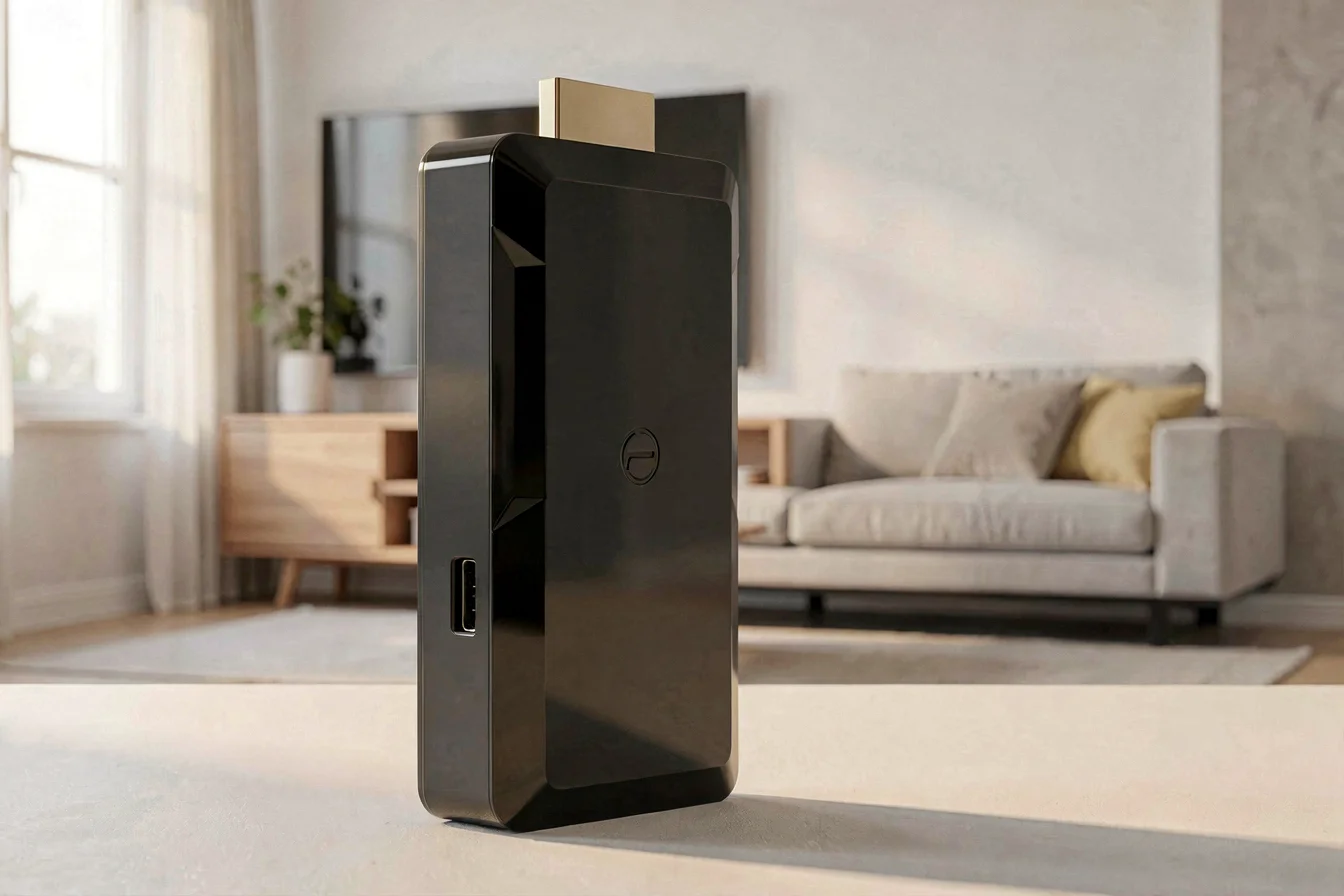
The m8 android TV box offers solid media playback and IPTV compatibility, but its outdated Android 4.4 OS and Amlogic S802 chip limit performance and app support compared to newer models. For buyers seeking basic streaming or legacy IPTV, the m8 android TV box is a viable, budget-friendly option, but for advanced features and future-proofing, alternatives like Xiaomi Mi Box S or NVIDIA Shield TV are recommended[2][3][4]. Procurement decisions should weigh long-term reliability, software updates, and application compatibility against upfront cost.
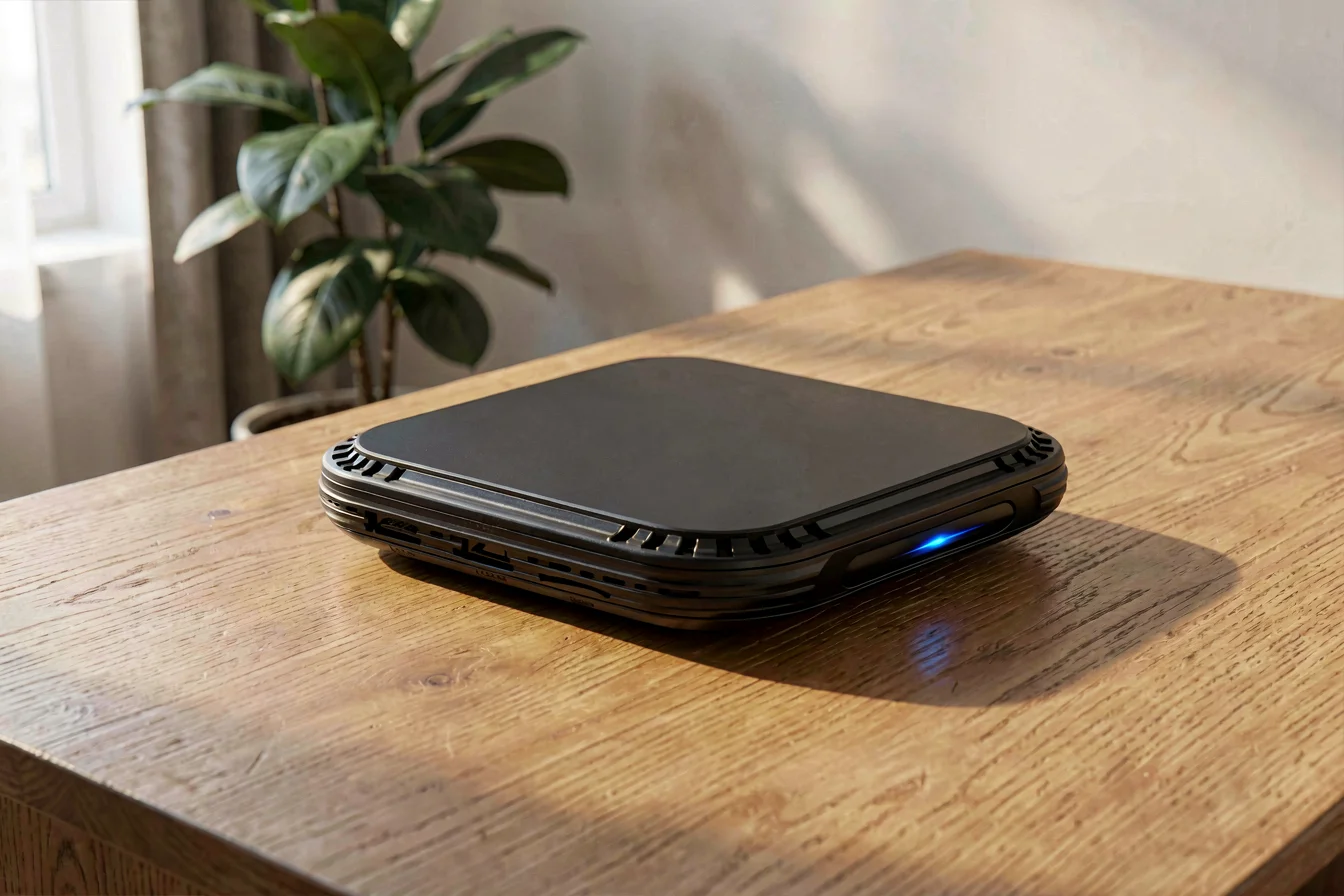
The m8 android TV box targets buyers seeking cost-effective media playback and IPTV support, with hardware centered around the Amlogic S802 chip and Android 4.4 KitKat OS[2][3]. Its primary pain points include limited app compatibility, outdated software, and minimal future-proofing. In contrast, other Android TV boxes such as Xiaomi Mi Box S, NVIDIA Shield TV, and Amazon Fire TV Stick offer newer operating systems, more robust hardware, and broader app support, catering to buyers who prioritize streaming performance, reliability, and software updates[1][8].
Technological innovations in the M8 are limited—its quad-core CPU and Mali-450 GPU provide decent 4K playback, but lack modern features like AI upscaling or advanced streaming protocols[2][4]. The competitive landscape now demands devices with at least Android 9, higher RAM, and support for advanced codecs and streaming services. Buyers must weigh the trade-off between upfront savings and long-term value.
| Feature | M8 Android TV Box | Other Android TV Boxes (e.g., Xiaomi, Shield, Fire) |
|---|---|---|
| Operating System | Android 4.4 KitKat | Android 9–11, regular updates |
| CPU/GPU | Amlogic S802 Cortex A9r4 @ 2GHz, Mali-450MP | Rockchip, Amlogic S9xxx, Qualcomm, Mali-G52, Adreno |
| RAM/Storage | 2GB DDR3 / 8GB NAND | 2GB/32GB–4GB/64GB, expandable |
| 4K/HDR Support | 4K2K @30fps, no HDR | 4K60, HDR, Dolby Vision |
| Streaming Apps | Basic, limited compatibility | Netflix, YouTube, Disney+, Amazon Prime, etc. |
| Price Range | $30–$60 | $50–$150+ |
The M8 Android TV Box excels in basic IPTV and legacy media playback, but newer Android TV boxes offer superior reliability, advanced features, and broader streaming compatibility.
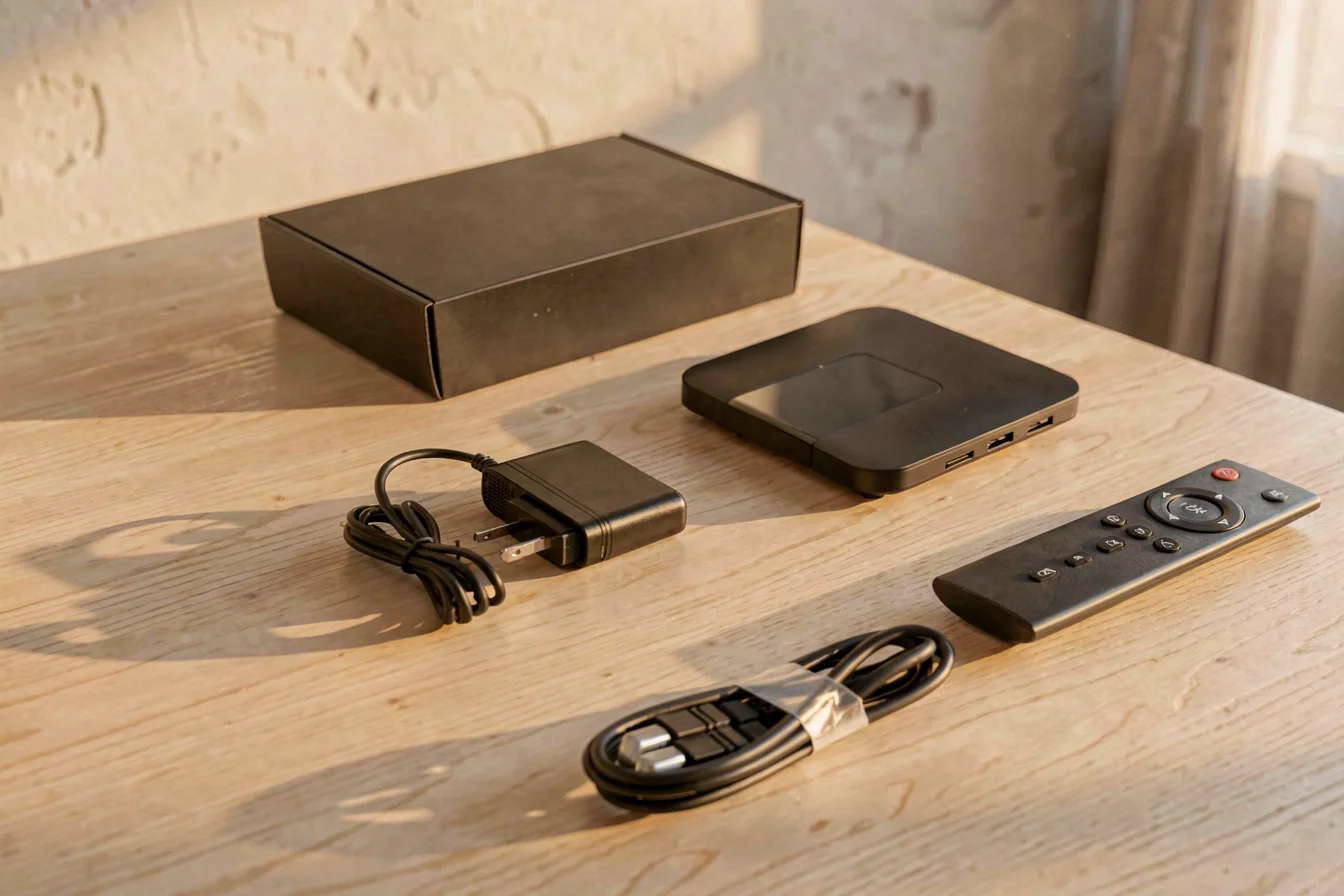
Durability for the m8 android TV box is strong in basic media playback scenarios, but its older OS and hardware limit performance under heavy streaming or gaming loads[2][3]. Long-term reliability is moderate—users report stable operation for legacy IPTV and AV playback, but frequent software crashes and limited app compatibility can arise. Other Android TV boxes, such as Xiaomi Mi Box S and NVIDIA Shield TV, offer higher durability with regular software updates and robust hardware, reducing replacement frequency and maintenance costs[7][8].
Application scenarios for the M8 include legacy IPTV, basic streaming, and environments where advanced features are not required. For buyers needing 4K streaming, advanced apps, or future-proofing, alternatives are preferable. Maintenance costs are low for the M8, but replacement frequency may increase due to outdated OS and app compatibility issues.
| Cost Factor | M8 Android TV Box | Other Android TV Boxes |
|---|---|---|
| Initial Purchase Price | $30–$60 | $50–$150+ |
| Maintenance Cost | Minimal | Low–Moderate |
| Replacement Frequency | 2–3 years (due to OS/app issues) | 3–5 years (with updates) |
| Hidden Costs | Potential for app incompatibility | None (modern apps supported) |
| 5-Year Total Cost of Ownership | $60–$120 (2 replacements) | $100–$150 (1 replacement) |
While the M8 Android TV Box offers low upfront cost, its limited lifespan and compatibility issues may result in higher long-term costs compared to newer Android TV boxes.
The Android TV box category delivers the value of versatile media playback, streaming, and IPTV support, with urgency driven by rapid hardware and software advancements. Buyers must match their procurement strategy to evolving streaming demands and compatibility needs.
Procurement logic must align with buyer priorities: M8 for legacy IPTV, others for advanced streaming and reliability.
Google Trends data reveals steady search interest for Xiaomi Mi Box S and Amazon Fire TV Stick, with peaks in late 2025 and early 2026, indicating strong consumer demand for modern Android TV boxes[1]. The M8 Android TV Box is less frequently searched, suggesting limited mainstream appeal but stable niche demand for legacy applications.
Search Interest over Time
Search interest in newer Android TV boxes outpaces legacy models like the M8, indicating a shift toward advanced streaming and reliability.
Reddit and TikTok discussions reveal contrasting buyer personas and outcomes. Case Study 1: A small business owner in Pakistan deployed the m8 android TV box for legacy IPTV, citing its low cost and stable performance for basic media playback. However, they noted limited app compatibility and outdated OS, resulting in occasional software crashes and a need for frequent replacements[9].
Case Study 2: An advanced user in the US chose the NVIDIA Shield TV for streaming, gaming, and app support. They praised its reliability, advanced features, and compatibility with Steam Link and Moonlight, but noted the higher price point and occasional audio sync issues[7].
"I have three $19 ONN Google TV boxes from Walmart attached to every TV in the house! They perform better than my two Nvidia Shield’s." (Reddit, r/AndroidTV) [8]
"The Nvidia Shield Pro on my main TV is old but rock solid. No audio sync issues, great for Moonlight / Steam Link, and it just works." (Reddit, r/MoonlightStreaming) [7]
| Dimension | M8 Android TV Box | Other Android TV Boxes |
|---|---|---|
| Overall Satisfaction | Moderate (legacy use) | High (streaming, gaming) |
| Most Praised Feature | Low cost, stable for basic media | Reliability, advanced features |
| Most Common Complaint | Outdated OS, app compatibility | Price, occasional audio sync issues |
| Community Recommendation Rate | Low–Moderate | High |
Online sentiment favors newer Android TV boxes for reliability and advanced streaming, with the M8 Android TV Box recommended only for legacy use.
Buyers must clarify their priorities before procurement. Key questions to ask:
| Tier | Recommended Product | Key Reason |
|---|---|---|
| Budget-Friendly | M8 Android TV Box | Low cost, stable for basic media playback |
| Mid-Range | Xiaomi Mi Box S | Better reliability, advanced features, moderate price |
| Premium | NVIDIA Shield TV | Top performance, future-proofing, advanced streaming |
Optimization tips:
For legacy use, the M8 Android TV Box offers cost savings, but for advanced streaming and reliability, Xiaomi or NVIDIA models are recommended.
Key insights: The M8 Android TV Box remains viable for basic IPTV and legacy media playback, but its outdated OS and hardware limit compatibility and future-proofing. Newer Android TV boxes like Xiaomi Mi Box S and NVIDIA Shield TV dominate mainstream demand, offering advanced streaming, robust support, and software updates. Google Trends and Reddit sentiment indicate a clear shift toward advanced streaming and reliability.
For the next 6–12 months, buyers should prioritize devices with Android 9+, 4K60/HDR support, and robust app compatibility. Legacy models are suitable for niche deployments, but mainstream buyers should invest in future-proof solutions.
Call to action: Share your experiences with Android TV boxes to help the community make informed choices. Commercial buyers should source from Alibaba.com for bulk procurement, comparing specs, certifications, and supplier reliability for optimal results.