
All categories
Featured selections
Trade Assurance
Buyer Central
Help Center
Get the app
Become a supplier
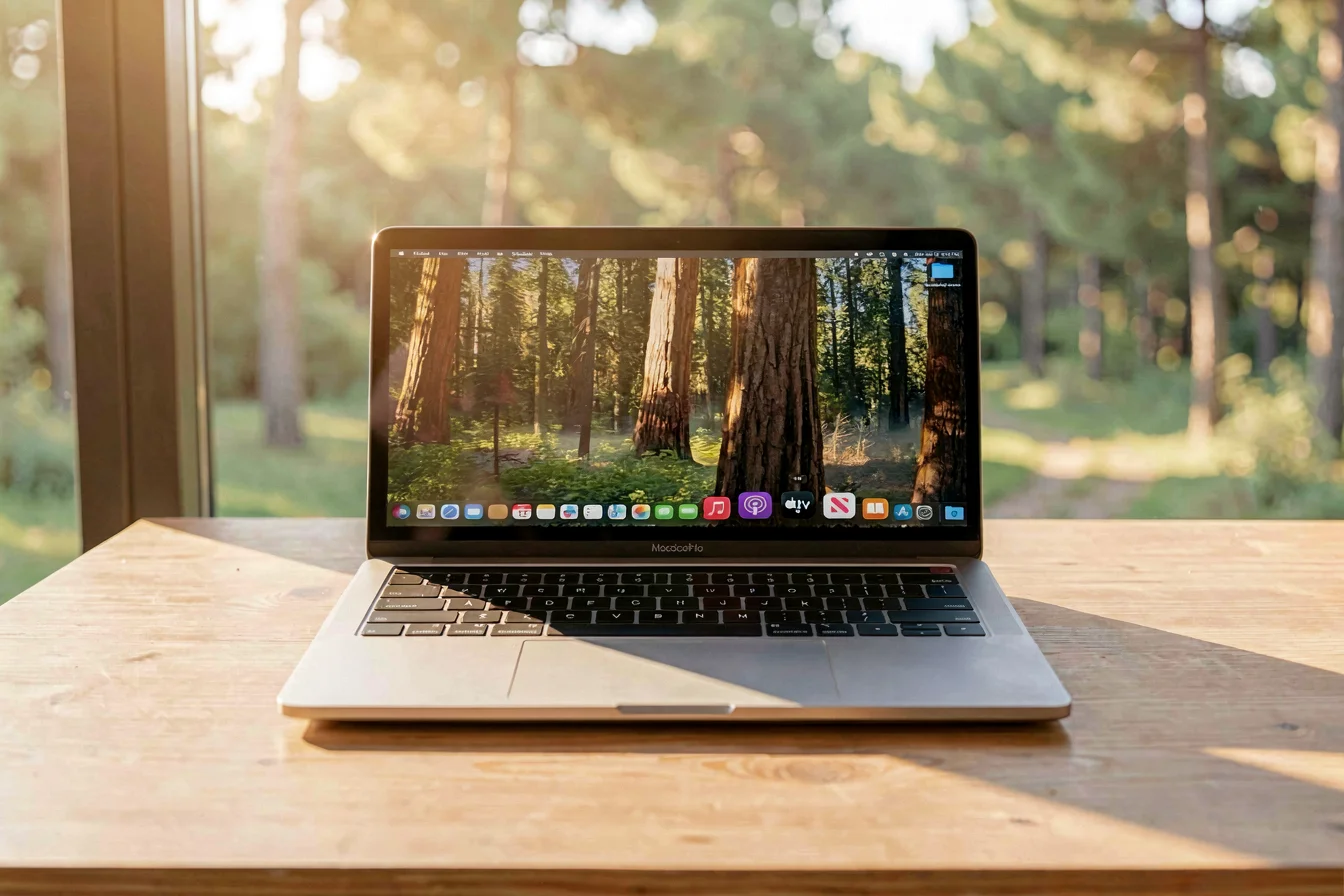
Choosing between a macbook pro with hebrew keyboard and a macbook pro with standard keyboard depends on the buyer’s language needs and regional deployment. Hebrew layouts offer native typing efficiency for Israeli and Hebrew-speaking users, while standard layouts provide broader compatibility and easier sourcing for global buyers. For mass procurement, standard keyboards dominate demand, but Hebrew layouts remain viable for targeted, region-specific purchases [1][2].
The core value of a macbook pro with hebrew keyboard lies in its tailored language support, streamlining workflow for native Hebrew speakers and businesses in Israel or diaspora communities. The macbook pro with standard keyboard , meanwhile, is optimized for global use, supporting multilingual input, easier sourcing, and broader software compatibility. The urgency for decision-making arises from Apple’s frequent keyboard layout changes and the risk of mismatched deployments in international supply chains.
Hebrew layouts differ from standard keyboards primarily in key placement and sticker requirements. Standard layouts (US, UK, etc.) are widely available, with consistent sourcing and minimal sticker dependency, while Hebrew layouts require either pre-installed keyboards or aftermarket sticker solutions, which can introduce usability and durability challenges [2][4]. Standard keyboards offer ergonomic familiarity, broad software compatibility, and easier troubleshooting, but Hebrew layouts provide native typing comfort and workflow efficiency for Hebrew speakers.
Technological innovations include the Hebrew QWERTY layout, which mimics English keyboard placement for easier learning, and the standard keyboard’s improved tactile feedback and durability in recent M5 Pro models [2][5]. Limitations include sticker wear, confusion over layout differences, and limited availability of Hebrew keyboards in retail channels.
| Feature | MacBook Pro with Hebrew Keyboard | MacBook Pro with Standard Keyboard |
|---|---|---|
| Language Support | Native Hebrew typing | Multilingual, global support |
| Keyboard Layout | Hebrew (QWERTY, Israeli, PC) | US, UK, International |
| Sourcing Availability | Niche, regional | Broad, global |
| Sticker Dependency | Often required | Rarely needed |
| Ergonomics & Comfort | Varies by layout | Consistent, familiar |
| Procurement Cost | Slightly higher (sticker, regional) | Lower (bulk, standard) |
For procurement, standard keyboards are optimal for mass deployments, while Hebrew layouts are essential for regionally targeted buyers prioritizing native typing efficiency.
Durability is a critical procurement factor for both macbook pro with hebrew keyboard and macbook pro with standard keyboard models. Standard keyboards benefit from proven build quality, consistent tactile feedback, and improved longevity in recent M5 Pro models, while Hebrew layouts face additional durability risks due to sticker wear and potential confusion over key placement [2][15].
Application scenarios for Hebrew layouts are best suited for businesses, educational institutions, and government agencies targeting Hebrew-speaking users, where native typing efficiency is paramount. Standard layouts excel in global deployments, international offices, and multilingual environments, minimizing language switching and support costs.
Long-term cost evaluation reveals that Hebrew layouts may incur higher sticker replacement costs ($10–$20 per unit), but offer efficiency gains in targeted use cases. Standard layouts benefit from lower procurement costs, easier sourcing, and reduced maintenance needs. A 5-year cost outlook for both options includes initial purchase price, sticker or keyboard replacement, and hidden costs such as language switching and support tickets.
| Cost Factor | MacBook Pro with Hebrew Keyboard | MacBook Pro with Standard Keyboard |
|---|---|---|
| Initial Purchase Price | $1,200–$2,500 (plus sticker, regional) | $1,200–$2,500 (bulk discount) |
| Sticker Replacement | $10–$20/unit (2–3 replacements/5 yrs) | Rarely needed |
| Keyboard Replacement | $150–$300 (if needed) | $150–$300 (if needed) |
| Support/Training Costs | Moderate (language switching) | Low (global compatibility) |
| Total 5-Year Cost | $1,320–$2,800 | $1,200–$2,600 |
Standard keyboards deliver lower total cost of ownership for global buyers, while Hebrew layouts justify sticker costs in regionally targeted deployments.
The core value of keyboard layout selection is workflow efficiency and language support. In today’s competitive landscape, global businesses favor standard keyboards for their ease of deployment and multilingual compatibility, while Hebrew layouts remain essential for Israeli and diaspora communities, government agencies, and educational institutions.
Market trend data from Google Trends shows consistently higher global interest in standard MacBook Pro keyboards, with Hebrew and Arabic layouts showing niche spikes, especially in Q4 and Q1 [1]. Urbanization and digital transformation drive demand for multilingual keyboards, while regional language support remains a niche but essential procurement category.
Google Trends data reveals strong, stable global interest in standard MacBook Pro keyboards, peaking at 100 (Dec 2025), while Hebrew and Arabic layouts remain at 30–45, with spikes in Q4 and Q1 [1].
Search Interest over Time
Procurement teams should prioritize standard keyboards for global deployments, but monitor regional spikes for Hebrew layouts to avoid supply shortages.
Reddit and TikTok discussions highlight pain points around language switching, sticker hacks, and confusion over keyboard layouts. Hebrew layouts are praised for intuitive typing, especially with the Hebrew QWERTY option, but criticized for sticker durability and limited availability. Standard layouts are favored for their ergonomic comfort, global compatibility, and ease of troubleshooting [2][4][7].
Case Study 1: Hebrew Keyboard Buyer (Reddit)
A Hebrew-speaking user on Reddit shares:
“I use the Hebrew -- QWERTY keyboard because I can type in Hebrew intuitively, nearly just as quickly as I type in English. I also don't need to purchase Hebrew letter stickers for my laptop, since I know where all of the letters are.” [2]
Another user notes:
“I had learned an easy keyboard for English keyboard users, then I decided I had to re-learn typing using a proper Hebrew layout, in case I ever find myself in Israel and I actually need to type. It was unnecessary work learning to type in Hebrew twice, so I suggest to start the proper way right from the beginning.” [4]
Case Study 2: Standard Keyboard Buyer (Reddit)
Standard keyboard buyers praise ergonomic comfort, tactile feedback, and global compatibility:
“Using the Satechi SM1 Slim Mechanical Backlit Bluetooth Keyboard with my MacBook Pro for months now, and it's hands-down the most comfortable external option I've tried - low-profile brown switches deliver that satisfying tactile feedback without the noise or fatigue of taller mechs.” [7]
Another user comments:
“I love t... Everyone's mileage may vary. Too personal. Myself, I tried a mechanical keyboard and hated it. I love the standard layout for Mac. It just works.” [7]
Sentiment overview table:
| Dimension | MacBook Pro with Hebrew Keyboard | MacBook Pro with Standard Keyboard |
|---|---|---|
| Overall Satisfaction | Mixed (sticker, layout) | High (comfort, global) |
| Most Praised Feature | Native typing efficiency | Ergonomic comfort |
| Most Common Complaint | Sticker wear, layout confusion | Keyboard markings, layout changes |
| Community Recommendation Rate | Moderate (region-specific) | High (global) |
Viral content themes include debates over sticker durability, layout confusion, and ergonomic comfort. Hebrew layouts spark discussions about learning curves and sticker dependency, while standard layouts are praised for their tactile feedback and global compatibility.
Social media sentiment confirms that standard keyboards are preferred for global comfort, while Hebrew layouts are valued for region-specific efficiency but face sticker and layout challenges.
Buyers should start by identifying their core needs: language requirements, deployment scale, budget, and must-have features. Key questions include:
Tiered recommendations:
| Tier | Recommended Product | Key Reason |
|---|---|---|
| Budget-Friendly | MacBook Pro with Standard Keyboard | Lower cost, global compatibility |
| Mid-Range | MacBook Pro with Standard Keyboard | Ergonomic comfort, bulk discount |
| Premium/Region-Specific | MacBook Pro with Hebrew Keyboard | Native typing, targeted deployment |
Optimization tips:
Buyers should align keyboard layout choice with language needs, deployment scale, and budget, optimizing for comfort and compatibility in global deployments.
Synthesizing insights, global procurement teams should prioritize macbook pro with standard keyboard for mass deployments, leveraging bulk discounts and ergonomic upgrades. Hebrew layouts remain viable for targeted, region-specific buyers, but require careful sticker sourcing and regional supplier partnerships. Forward-looking recommendations include monitoring Q4/Q1 spikes for Hebrew layouts, investing in ergonomic upgrades for standard keyboards, and collaborating with regional suppliers for sticker solutions.
For the next 6–12 months, buyers should confidently source standard keyboards for global deployments and Hebrew layouts for targeted, region-specific needs, sharing procurement experiences and leveraging wholesale platforms like Alibaba.com for bulk discounts and regional support.
Share your experiences with MacBook Pro keyboard layouts on social media, and commercial buyers should connect with wholesale platforms for bulk orders and regional supply solutions.