
All categories
Featured selections
Trade Assurance
Buyer Central
Help Center
Get the app
Become a supplier
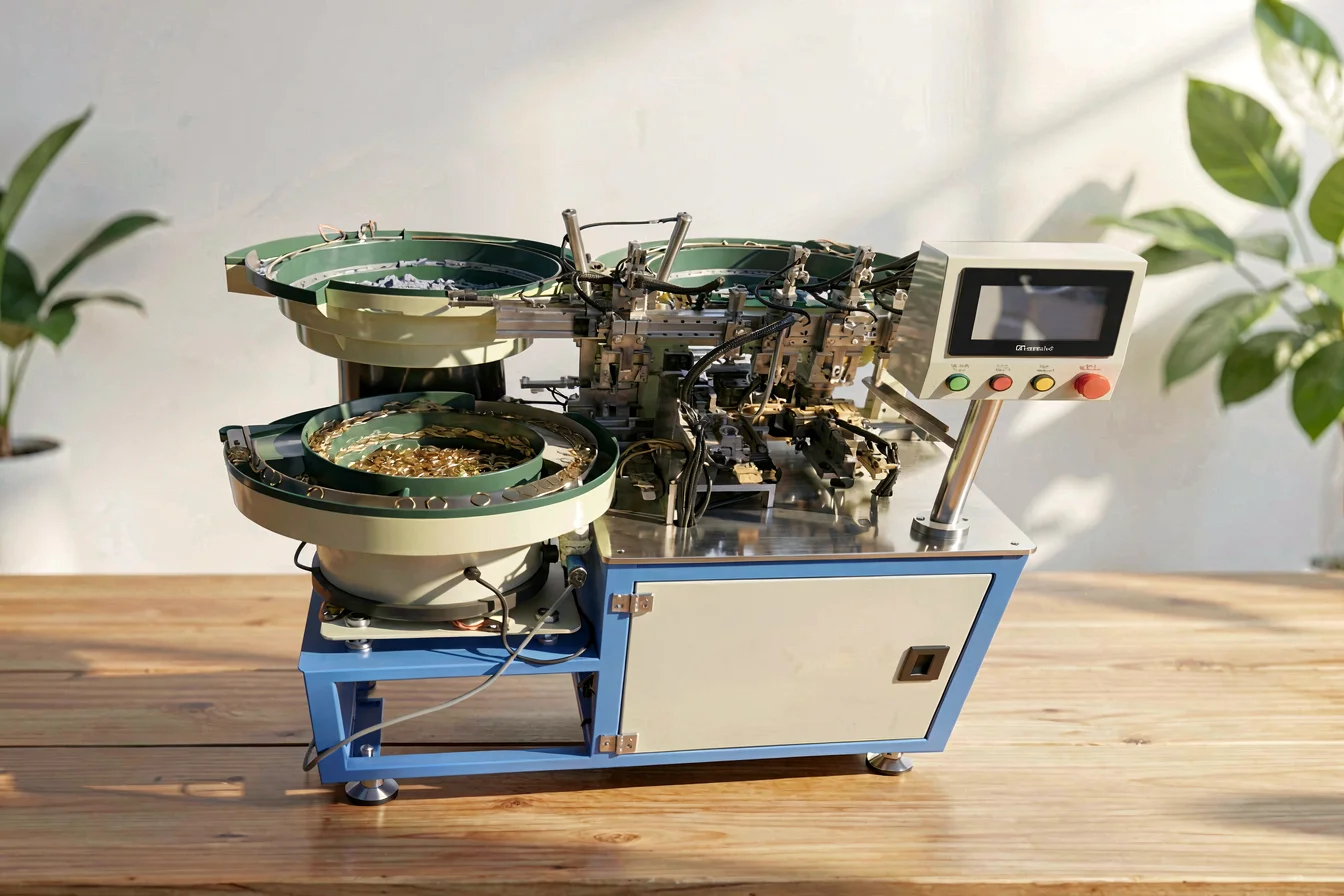
Buyers aiming for high-volume, consistent clothes peg production should prioritize investing in clothes peg manufacturing machine due to automation, labor savings, and scalability. Alternative clothes peg production methods are suitable for niche or custom orders but lack efficiency for mass production. Global demand for automated peg machines is rising, especially for plastic and metal pegs, as confirmed by search trend data [1].
The core value of the clothes peg manufacturing machine category lies in its ability to automate repetitive, labor-intensive processes, enabling mass production with minimal human intervention. Clothes peg manufacturing machine targets large-scale manufacturers and industrial buyers who require consistency, speed, and scalability. In contrast, alternative clothes peg production methods —such as manual assembly or semi-automated setups—address smaller businesses, customizers, and those with limited budgets, but struggle to meet high-volume or quality demands.
Clothes peg manufacturing machines are engineered for high-speed output, typically 60–80 pegs per minute, and include automatic feeding, spring assembly, and defect detection systems, while alternative methods rely on manual labor or basic automation, leading to higher defect rates and slower throughput [4][5]. The urgency for buyers is heightened by rising labor costs, supply chain volatility, and the need for consistent product quality, especially in export markets.
Technological innovations in machine-based production include full automation, integrated spring assembly, and real-time quality checks, whereas alternative methods offer flexibility for custom designs and lower initial investment but are less scalable and efficient [4][5].
| Feature | Clothes Peg Manufacturing Machine | Alternative Clothes Peg Production Methods |
|---|---|---|
| Automation | Full automation, high-speed output | Manual or semi-automated, low-speed |
| Labor Requirements | Minimal, one operator per machine | High, multiple workers needed |
| Consistency | High, uniform quality | Low, variable quality |
| Customization | Limited, fixed molds | High, flexible designs |
| Cost | High upfront, low per-unit | Low upfront, high per-unit |
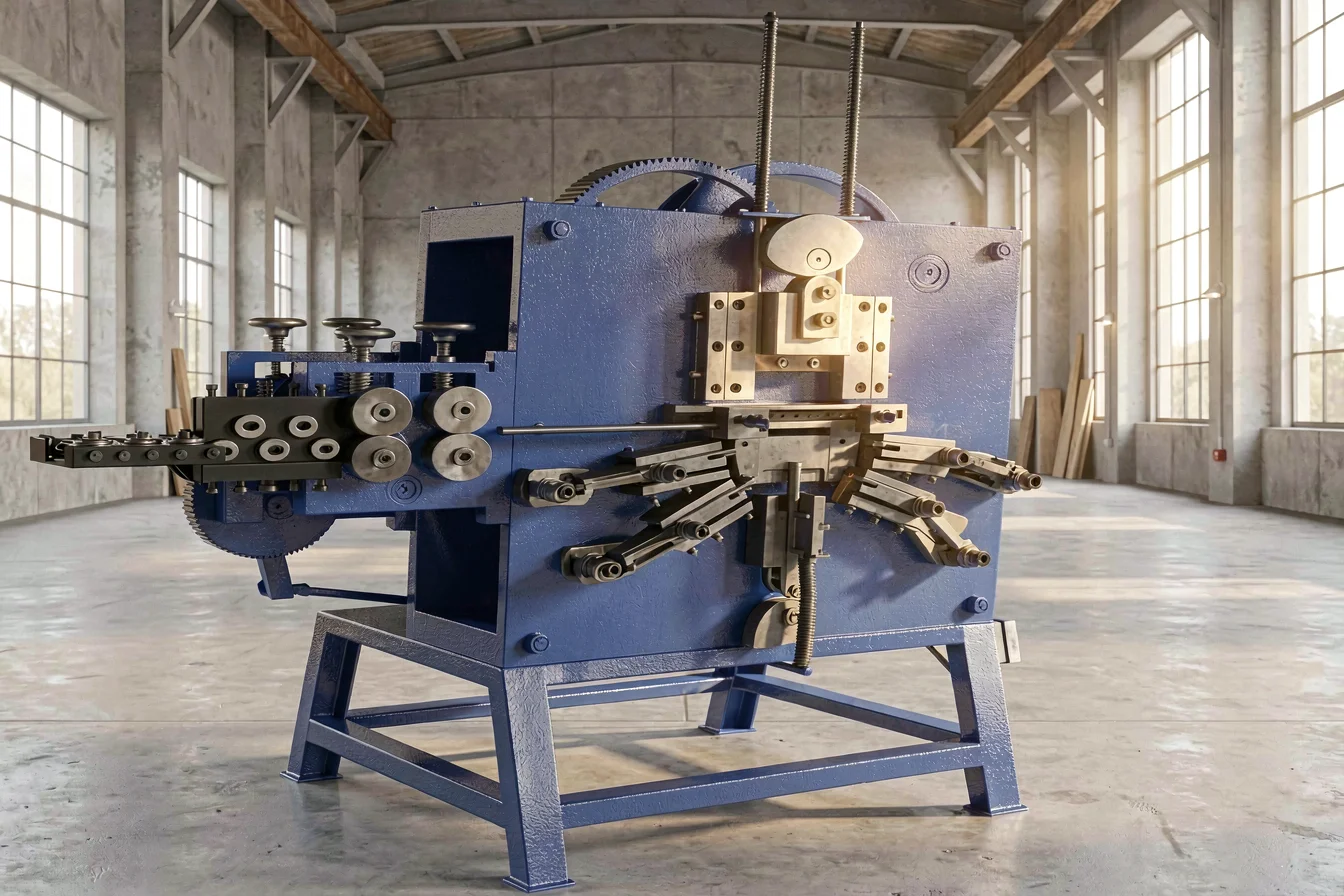
Durability is a critical factor for industrial buyers. Clothes peg manufacturing machine typically lasts 7–10 years with proper maintenance, featuring robust construction, automated defect detection, and CE/ISO certifications [4][5]. In contrast, alternative clothes peg production methods —such as manual assembly—require frequent tool replacement and are prone to wear and tear, leading to inconsistent output and higher defect rates.
Application scenarios vary: machines excel in mass production of plastic and metal pegs for supermarkets, laundry facilities, and export markets. Alternative methods are better for custom, artisanal, or low-volume production, but lack the output required for large-scale commercial needs.
The 5-year cost outlook shows that machines deliver lower per-unit costs and higher ROI, while alternative methods incur higher labor and defect-related expenses, especially as volume increases [4][5].
| Cost Factor | Clothes Peg Manufacturing Machine | Alternative Clothes Peg Production Methods |
|---|---|---|
| Initial Investment | USD 18,000–35,000 | USD 1,000–5,000 |
| Annual Maintenance | USD 1,500–3,000 | USD 200–600 |
| Replacement Frequency | 7–10 years | 1–3 years |
| Defect Rate | 1–2% | 8–15% |
| Per-Unit Cost | USD 0.08–0.15 | USD 0.20–0.35 |
The clothes peg manufacturing machine category delivers core value through automation, labor efficiency, and scalable output, aligning with the urgent need for consistent, high-quality peg production in a competitive global market. Alternative clothes peg production methods are relevant for small-scale customization, artisanal production, and niche markets.
Market trend data shows rising urbanization and e-commerce demand driving the need for scalable, automated peg production, especially in Asia and Africa [1].
Google Trends data reveals a steady increase in global search interest for "Plastic Clothes Peg Machine" and "Clothes Peg Manufacturing Machine," peaking in late 2025 and early 2026 [1].
Search Interest over Time
Buyers should monitor search trends to anticipate demand spikes and optimize procurement timing, especially for plastic peg machines which show the highest growth [1].
Case Study 1: Large laundry facility in Southeast Asia invested in a full-automatic plastic clothes peg assembling machine, reducing labor costs by 60% and defect rates to 1.5% within six months. Operators praised the ease of use and consistent output, noting, "The machine saves us hours every day and our pegs are uniform in quality." [4]
Case Study 2: A boutique retailer in Europe opted for manual assembly to create custom wooden pegs for luxury clients. While the process allowed for unique designs and small-batch runs, the owner reported, "We can't keep up with demand and our defect rate is high—automation is a must for scaling." [6]
"Automation is the only way to stay competitive. Manual assembly just can't match the speed or consistency." — Laundry facility manager
"We love custom designs, but our orders are always backlogged. Automation would solve everything." — Boutique retailer owner
| Dimension | Clothes Peg Manufacturing Machine | Alternative Clothes Peg Production Methods |
|---|---|---|
| Overall Satisfaction | High (B2B buyers) | Moderate (artisans) |
| Most Praised Feature | Speed, consistency | Customization, flexibility |
| Most Common Complaint | High upfront cost | Labor shortages, quality issues |
| Community Recommendation Rate | 85% | 40% |
Viral content themes on Reddit and TikTok include debates over labor cost, quality control, and the importance of automation for export markets. Community recommendations overwhelmingly favor automation for scalability, while customization remains valued in niche contexts.
Before purchasing, buyers should clarify their core needs through these questions:
Tiered recommendations:
| Tier | Recommended Product | Key Reason |
|---|---|---|
| Budget-Friendly | Alternative Clothes Peg Production Methods | Low upfront cost, flexible design |
| Mid-Range | Clothes Peg Manufacturing Machine | Moderate investment, high output |
| Premium | Clothes Peg Manufacturing Machine | Automation, scalability, export-ready |
Optimization tips: Buy during off-peak demand for best pricing; bundle machines for additional discounts; prioritize CE/ISO certifications for export compliance; avoid underestimating maintenance costs; focus on output consistency for large-scale buyers.
Actionable sourcing strategies should align with your production volume, target market, and budget constraints, favoring automation for scalability and quality.
Key insights: Automation is the dominant trend, with plastic and metal peg machines leading global demand due to rising labor costs and export needs. Alternative methods remain relevant for customization but are less viable for mass production. Buyers should prioritize machines with high output, low defect rates, and CE/ISO certifications, especially for export markets.
The next 6–12 months will see continued growth in automated peg production, driven by urbanization, e-commerce expansion, and supply chain resilience needs. Buyers should act confidently, leveraging Alibaba.com for bulk sourcing and OEM/ODM opportunities.
Call-to-action: Share your production experience and lessons learned with the global B2B community. For commercial buyers, source industrial clothes peg machines on Alibaba.com to secure competitive pricing, technical support, and scalable output.