
All categories
Featured selections
Trade Assurance
Buyer Central
Help Center
Get the app
Become a supplier
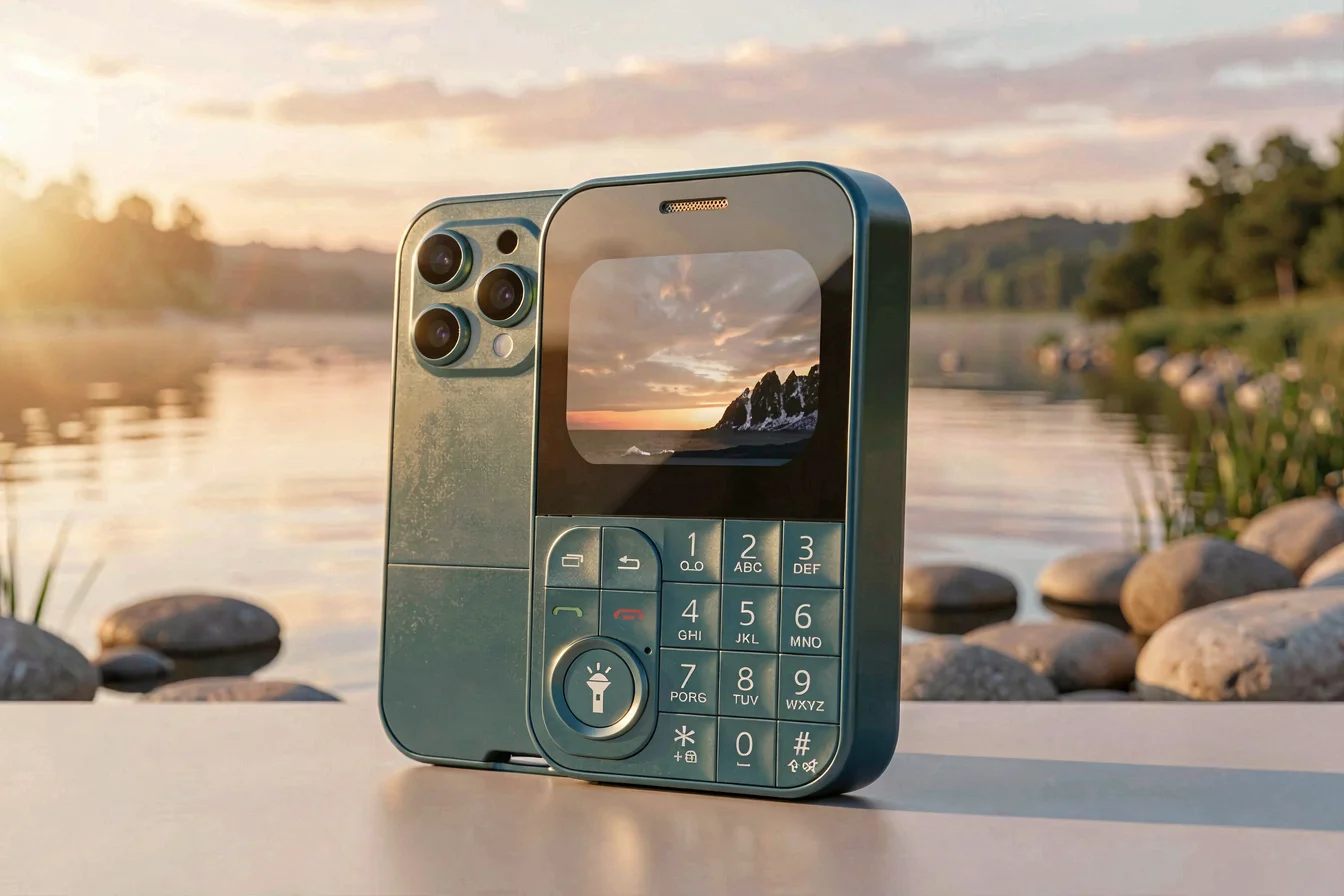
The choice between magic voice phone and mobile phone hinges on the user’s primary needs: mainstream buyers should overwhelmingly select mobile phone for versatility and global ecosystem, while magic voice phone is optimal for emergency, elderly care, or low-maintenance scenarios. Market data shows mobile phones dominate search interest and sales, but Magic Voice Phone retains steady, niche demand. Procurement logic favors mobile phones for most buyers, but Magic Voice Phone delivers unique value in safety-critical and budget-sensitive contexts.
Both magic voice phone and mobile phone serve critical communication needs, but their target audiences and pain points diverge sharply. Mobile phone is the mainstream choice, delivering robust app ecosystems, high-speed connectivity, and advanced features for business, entertainment, and personal use. Its core advantages include universal compatibility, global network support, and rapid innovation cycles—making it indispensable for most modern buyers. In contrast, magic voice phone is engineered for simplicity, low maintenance, and reliability—targeting emergency preparedness, elderly care, and households seeking a dedicated voice device without digital distractions. Its main value proposition: always-on, secure voice communication with minimal setup and risk of data overcharge or privacy compromise.
The procurement dilemma is urgent: mobile phones are increasingly essential for both B2B and B2C buyers, but their complexity, battery anxiety, and privacy concerns create friction. Magic Voice Phone solves the “always-on” challenge for safety and emergency scenarios, though it lacks the versatility of mobile phones. Recent technological innovations (e.g., improved call screening, portability) have enhanced Magic Voice Phone’s appeal, but mobile phones continue to dominate innovation and market share. For buyers needing voice-centric reliability, Magic Voice Phone fills a unique gap; for those requiring full digital integration, mobile phones are non-negotiable.
| Feature | Magic Voice Phone | Mobile Phone |
|---|---|---|
| Primary Use Case | Emergency, Elderly Care, Low-Maintenance | Mainstream Communication, Business, Entertainment |
| App Ecosystem | Minimal (Voice/SMS) | Extensive (Apps, Social, Productivity) |
| Connectivity | Voice/SMS Only | Voice, SMS, Data, Wi-Fi, Bluetooth |
| Battery Life | 5–8 Years | 2–4 Years |
| Market Share | Niche (~5%) | Dominant (>50%) |
| Price Range | $50–$150 | $400–$1200 |
Mobile phones deliver unmatched versatility, but Magic Voice Phone’s reliability and simplicity make it indispensable for specific use cases.
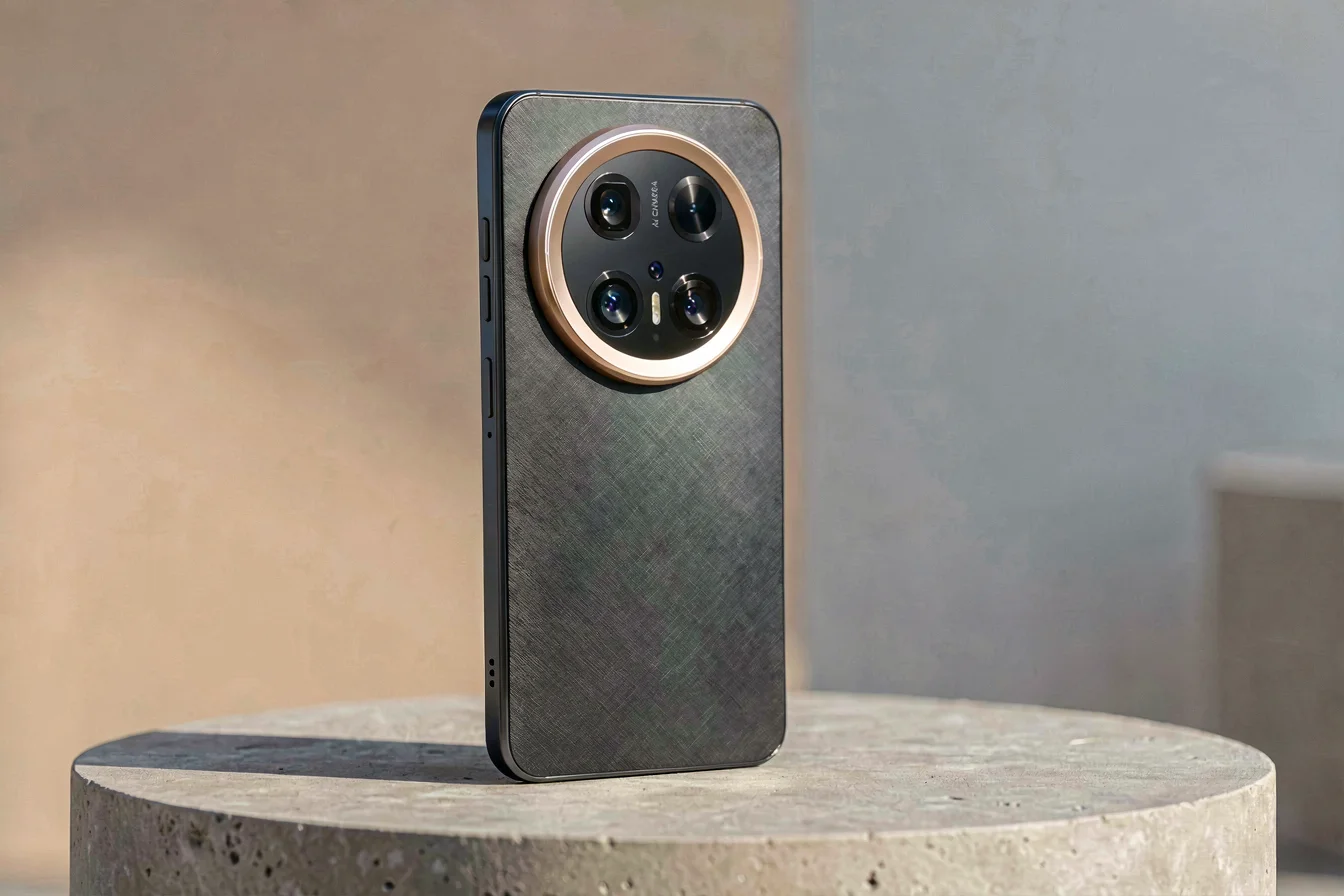
Durability is a decisive factor in procurement: magic voice phone typically lasts 5–8 years, with minimal maintenance and robust hardware designed for voice-centric reliability. Its lack of digital complexity means fewer software updates, fewer hardware failures, and a longer useful life—ideal for households with elderly members or those prioritizing safety. In contrast, mobile phone offers 2–4 years of average lifespan, with frequent updates, battery degradation, and component wear driving replacement cycles. While mobile phones deliver superior performance and features, their longevity is shorter and replacement costs are higher, especially as new models launch every 12–18 months.
Application scenarios further clarify the gap: Magic Voice Phone is preferred for emergency preparedness, home security, and elderly care, where constant connectivity and call screening are prioritized over digital features. Mobile phones dominate in business, education, entertainment, and multi-device environments, where app integration and internet access are essential. The trade-off is clear: Magic Voice Phone wins on reliability and low maintenance, while mobile phones win on versatility and digital access.
Cost outlook over five years shows Magic Voice Phone’s low upfront price and minimal maintenance, with negligible replacement costs. Mobile Phone incurs higher upfront costs, regular software upgrades, and battery replacements, adding to total cost of ownership. Hidden costs include data plans, insurance, and software subscription fees—often overlooked in budgeting.
| Cost Factor | Magic Voice Phone | Mobile Phone |
|---|---|---|
| Initial Purchase | $50–$150 | $400–$1200 |
| Maintenance | Minimal (annual check) | Regular (software updates, battery) |
| Replacement Frequency | 5–8 Years | 2–4 Years |
| Hidden Costs | None (voice only) | Data plans, insurance, app fees |
| 5-Year Total Cost | $50–$150 | $800–$2000 |
Buyers prioritizing durability and low cost should favor Magic Voice Phone, while mobile phones deliver superior value for digital-centric, high-frequency use.
The core value of magic voice phone and mobile phone lies in their ability to address distinct communication needs. Mobile phones dominate mainstream markets—business, education, and entertainment—while Magic Voice Phone excels in safety-critical, low-maintenance, and elderly care scenarios. The urgency in procurement is heightened by rising privacy concerns, battery anxiety, and the need for always-on communication. Market trends show mobile phones remain the backbone of digital life, but Magic Voice Phone retains steady interest for emergency preparedness and family safety.
Google Trends reveals mobile phones consistently outpace Magic Voice Phone in search interest, with mobile phones peaking at 98 in February 2026 versus 86 for Magic Voice Phone. However, Magic Voice Phone shows spikes in late Q4 and early Q1—likely tied to emergency preparedness and family safety. This gap reflects divergent purchasing behaviors: mainstream buyers gravitate toward mobile phones, while niche buyers seek Magic Voice Phone for specific needs.
Search Interest over Time
Mobile phones dominate mainstream search interest, but Magic Voice Phone’s seasonal spikes reflect niche, safety-driven demand.
Social media and Reddit data reveal contrasting buyer experiences: Magic Voice Phone is praised for simplicity, reliability, and spam call screening, particularly for elderly care and home security. Mobile phones are debated for privacy, battery anxiety, and app overload, but also lauded for their versatility and innovation. Case studies illustrate distinct buyer personas and expectations.
Case Study 1: Magic Voice Phone for Elderly Care A Reddit user in r/VOIP describes using Magic Voice Phone for over 15 years as a dedicated home phone for emergency calls, noting its ease of setup, spam call screening, and reliability for elderly family members. “Magic Jack just works. I've used it for 15 years… it’s fairly inexpensive and has some pretty good features. My elderly mother in law was getting at least 5 spam calls a day… call screening has really cut down on the spam calls.”[2]
Case Study 2: Mobile Phone for Multi-Device Integration In r/PickAnAndroidForMe, buyers debate which mobile phone delivers the best gaming, photography, and app ecosystem. “I think Oneplus 15 is one of the better phones for gaming out there… for more affordable options maybe Poco X8 Pro max/Pro.”[7] This reflects the mainstream buyer’s preference for versatility and high-performance features.
“Magic Jack just works. I've used it for 15 years… it’s fairly inexpensive and has some pretty good features.” [2]
“Mobile phones are debated for privacy, battery anxiety, and app overload, but also lauded for their versatility and innovation.” [3]
| Dimension | Magic Voice Phone | Mobile Phone |
|---|---|---|
| Overall Satisfaction | High (reliability, ease) | High (versatility, innovation) |
| Most Praised Feature | Spam call screening | App ecosystem |
| Most Common Complaint | Limited features | Privacy, battery anxiety |
| Community Recommendation Rate | Moderate (niche) | High (mainstream) |
Viral content themes include privacy debates, battery anxiety, and the “always-on” appeal of Magic Voice Phone. Mobile phones dominate social media for gaming, photography, and app innovation, while Magic Voice Phone is celebrated for reliability and simplicity.
Social pulse confirms Magic Voice Phone’s niche value for safety and elderly care, while mobile phones dominate mainstream discourse for versatility and innovation.
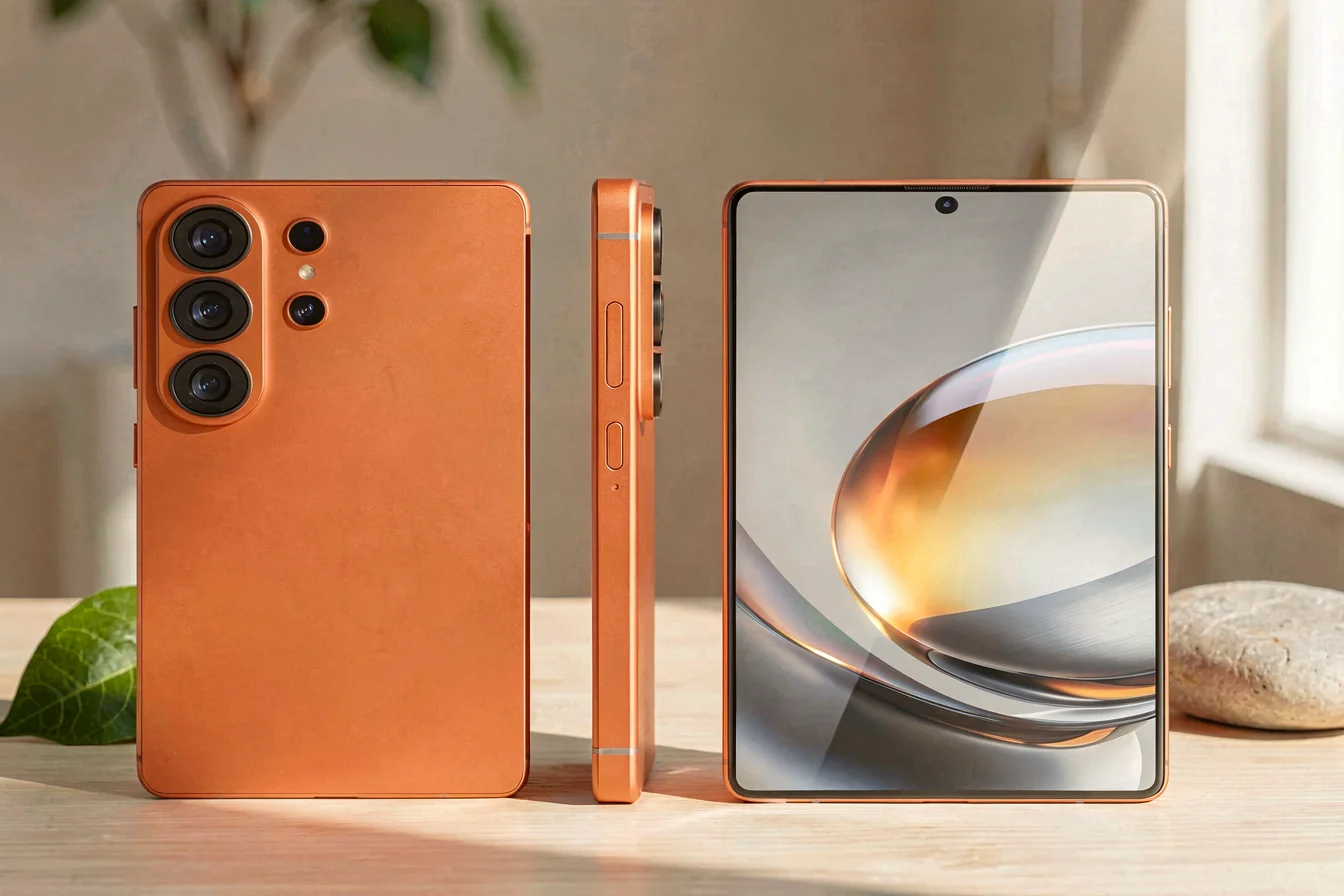
Buyers should begin by clarifying their core needs: Is the primary use voice-centric safety and emergency preparedness, or is it digital integration for business, entertainment, and productivity? Key questions include: Do you need app access and internet? Is reliability and low maintenance more important than features? What is your budget range? Is this for elderly care or mainstream use? Must-have features (spam call screening, always-on connectivity) versus nice-to-have (camera, gaming, app ecosystem)?
| Tier | Recommended Product | Key Reason |
|---|---|---|
| Budget-Friendly | Magic Voice Phone | Low cost, reliability, safety |
| Mid-Range | Mobile Phone | Versatility, app ecosystem |
| Premium | Mobile Phone | Innovation, performance |
Optimization tips: Buy Magic Voice Phone in Q4–Q1 for emergency preparedness; bundle mobile phones with data plans for mainstream use. Prioritize spam call screening for Magic Voice Phone, and always-on connectivity for elderly care. Avoid common mistakes: underestimating hidden costs for mobile phones, or overlooking reliability for Magic Voice Phone.
Buyers should match product choice to use case, budget, and replacement frequency—Magic Voice Phone for safety, mobile phone for digital integration.
Key insights: Mobile phones dominate mainstream procurement due to versatility, app ecosystem, and global market share, but Magic Voice Phone retains steady niche demand for emergency, elderly care, and low-maintenance scenarios. Market data shows mobile phones peaking in search interest, but Magic Voice Phone’s seasonal spikes reflect safety-driven demand. Social pulse confirms reliability and simplicity for Magic Voice Phone, while mobile phones win for innovation and digital integration.
Forward-looking recommendation: For the next 6–12 months, mainstream buyers should prioritize mobile phones for digital integration and innovation, while safety-critical and budget-sensitive buyers should select Magic Voice Phone for emergency preparedness and elderly care. Buyers are encouraged to share their experiences online to inform future procurement decisions, and commercial buyers should source bulk Magic Voice Phones or premium mobile phones from Alibaba.com for reliable, scalable solutions.
Confident buyers should match product choice to use case and budget—share your experiences online and source bulk solutions from Alibaba.com for scalable, reliable procurement.