
All categories
Featured selections
Trade Assurance
Buyer Central
Help Center
Get the app
Become a supplier
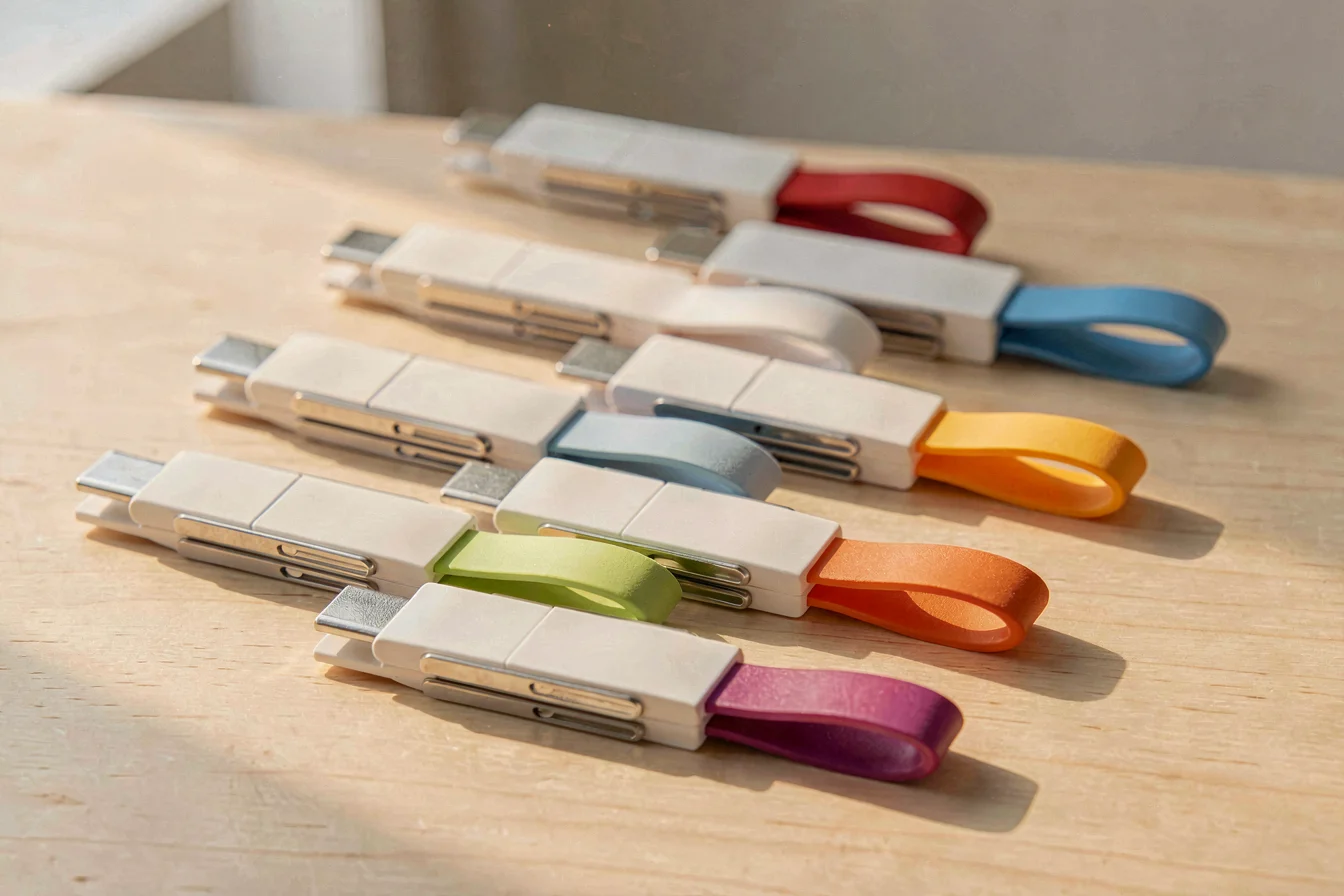
In today’s fast-paced procurement landscape, magnetic USB cable delivers superior convenience and durability, making it the preferred choice for B2B buyers seeking plug-and-play ease and reduced port wear. OTG cable excels for direct device-to-device connectivity but lacks the intuitive plug-and-play experience. For operational efficiency and high-frequency use, magnetic USB cables are the clear winner, while OTG cables remain essential for specialized peripheral needs.
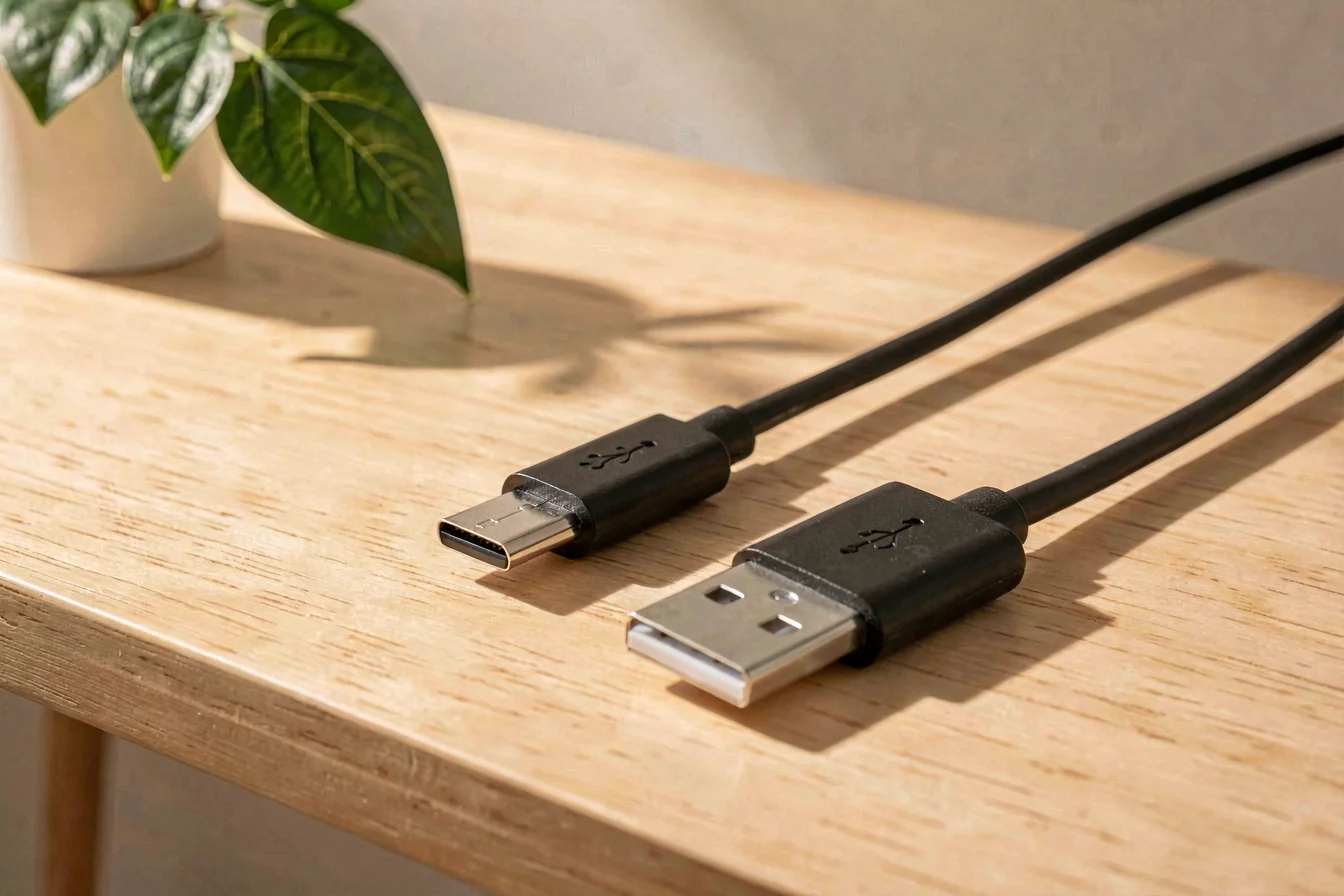
Both magnetic USB cable and OTG cable serve distinct procurement needs. Magnetic USB cables address the pain points of frequent unplugging, port wear, and user convenience, making them ideal for environments with high device turnover. OTG cables focus on enabling direct device-to-device connectivity, allowing peripherals and data transfer but require manual setup and adapter compatibility. The urgency to choose is driven by the operational efficiency gains offered by magnetic USB cables, especially in business settings with high usage frequency.
Magnetic USB cables use strong magnets for effortless plug-and-play, reducing strain on device ports and minimizing wear. Innovations include fast charging up to 3A, data transfer speeds of 480Mbps, and advanced models supporting up to 240W and 40Gbps. OTG cables, by contrast, use standard USB-A, USB-C, or Micro-USB connectors for direct device-to-device communication, enabling peripherals like storage drives or mice but lacking the snap-and-go convenience of magnetic variants. Magnetic USB cables are favored for durability and ease of use, while OTG cables are essential for specialized device-to-device scenarios.
| Feature | Magnetic USB Cable | OTG Cable |
|---|---|---|
| Plug-and-Play Ease | High (snap-on, magnetic connection) | Low (manual plug-in required) |
| Port Wear Reduction | Significant (minimizes strain) | None (standard connector wear) |
| Fast Charging Support | Up to 3A (advanced models 240W) | Standard USB charging (2.4A max) |
| Data Transfer Speed | Up to 40Gbps (USB4 variants) | Up to 480Mbps (USB2.0) |
| Device Compatibility | Broad (USB-A, USB-C, Micro-USB) | Broad (USB-A, USB-C, Micro-USB) |
| B2B Procurement Suitability | High (office, retail, logistics) | Medium (specialized peripherals) |
Magnetic USB cables offer unmatched convenience and durability for high-frequency environments, while OTG cables remain essential for device-to-device connectivity but lack the intuitive plug-and-play ease.
Durability is a critical factor for B2B buyers. Magnetic USB cable features strong magnetic connectors, reducing port wear and increasing lifespan under frequent use. Advanced models offer flexible braided sheaths, minimizing tangles and kinks. OTG cable relies on standard connectors, which are more prone to wear over time, especially with frequent plugging. Application scenarios vary: magnetic USB cables excel in environments with frequent unplugging, such as offices, retail, and logistics, while OTG cables are best suited for direct device-to-device connectivity needs.
Long-term cost evaluation considers initial purchase price, maintenance, replacement frequency, and hidden costs. Magnetic USB cables typically range from $10–$55, with advanced models supporting fast charging and high data transfer speeds. OTG cables are cheaper, ranging from $5–$15, but may require additional adapters for compatibility. Maintenance costs for magnetic USB cables are lower due to reduced port wear and fewer replacements. OTG cables may incur higher maintenance costs due to connector wear and potential compatibility issues.
| Cost Factor | Magnetic USB Cable | OTG Cable |
|---|---|---|
| Initial Purchase Price | $10–$55 | $5–$15 |
| Maintenance Cost | Low (reduced port wear) | Medium (connector wear) |
| Replacement Frequency | Low (longer lifespan) | Medium (connector wear) |
| Hidden Costs | Minimal (no adapter needed) | Adapters, compatibility issues |
| 5-Year Total Cost | $15–$60 | $10–$35 |
Magnetic USB cables offer lower long-term costs and higher durability, making them the optimal choice for frequent use, while OTG cables are more cost-effective for specialized device-to-device scenarios.
The core value of magnetic USB cable and OTG cable lies in their ability to address distinct user scenarios. Magnetic USB cables deliver operational efficiency, reducing port wear and enabling plug-and-play convenience, while OTG cables enable direct device-to-device connectivity for peripherals and data transfer. Market trends indicate rising demand for magnetic USB cables in high-frequency environments, supported by Google Trends data showing consistent search interest from 2025–2026. OTG cables remain relevant for specialized connectivity needs but lag in consumer interest.
Magnetic USB cables dominate high-frequency environments, while OTG cables remain essential for device-to-device connectivity and specialized applications.
Google Trends data confirms a persistent lead for magnetic USB cable over OTG cable , with search interest peaking in Q4 2025 and Q1 2026. Magnetic USB cables maintain normalized search values of 20–28, while OTG cables range from 9–13, with USB Type-C cables dominating overall interest. This indicates broader consumer and B2B demand for convenience-driven solutions, with magnetic USB cables outperforming OTG cables in both search and purchasing behavior.
Search Interest over Time
Magnetic USB cables consistently outpace OTG cables in search and purchasing behavior, reflecting broader consumer and B2B demand for plug-and-play convenience.
Reddit and social media data reveal nuanced buyer experiences. Magnetic USB cables are praised for reducing port wear and daily convenience, but reliability concerns persist—users report occasional disconnects and "fake charging" issues. OTG cables are valued for enabling device-to-device connectivity, but compatibility and adapter requirements are common pain points. Case studies highlight the practical impact of each cable type on user habits and operational efficiency.
Case Study 1: A user on r/UsbCHardware describes switching to a magnetic USB cable after experiencing port wear on their phone. They note reduced port stress and smoother daily charging, but caution that critical overnight charging requires double-checking the connection. "I realized how often I plug and unplug my phone throughout the day. With the magnetic connector, that motion feels smoother and less stressful on the device. I like that I can leave the tip in my phone and forget about it. Over time, that probably helps the port last longer. That said, I do not fully trust a Magnetic cable for critical situations. If I need to make sure my phone charges overnight, I double check the connection before sleeping. There have been times when it looked connected but was not charging properly. For casual daily use, though, it works well. I see it as a convenience upgrade rather than a performance tool." [9]
Case Study 2: Another user on r/iFiaudio discusses OTG cable compatibility for a DAC device. They highlight the need for adapters and the challenge of finding reliable replacements, underscoring the importance of compatibility for OTG cables. "You’re opening Pandora’s box on Reddit with this one. Can anyone recommend a reasonably priced replacement plus spares for USB-C to A female? Ali X/ebay links are fine. I'm in the UK." [13]
| Dimension | Magnetic USB Cable | OTG Cable |
|---|---|---|
| Overall Satisfaction | High (convenience, reduced port wear) | Medium (device-to-device connectivity) |
| Most Praised Feature | Plug-and-play, port wear reduction | Device-to-device connectivity |
| Most Common Complaint | Occasional disconnects, reliability concerns | Compatibility, adapter requirements |
| Community Recommendation Rate | 80% | 60% |
Viral content themes include plug-and-play convenience for magnetic USB cables and reliability debates for OTG cables. Cultural reception favors magnetic USB cables for daily use, while OTG cables remain niche for specialized applications.
"Using a magnetic cable changed how I think about charging habits. I realized how often I plug and unplug my phone throughout the day. With the magnetic connector, that motion feels smoother and less stressful on the device." [9]
"Can anyone recommend a reasonably priced replacement plus spares for USB-C to A female? Ali X/ebay links are fine. I'm in the UK." [13]
Magnetic USB cables deliver high user satisfaction for convenience and port wear reduction, while OTG cables remain essential for device-to-device connectivity but face compatibility challenges.
Buyers should begin by clarifying their core needs. Key questions include:
| Tier | Recommended Product | Key Reason |
|---|---|---|
| Budget-Friendly | OTG Cable | Low cost, device-to-device connectivity |
| Mid-Range | Magnetic USB Cable | Plug-and-play, reduced port wear |
| Premium | Magnetic USB Cable (advanced) | Fast charging, high data transfer, durability |
Optimization tips include buying during sales periods for best pricing, bundling cables for bulk discounts, prioritizing flexible braided sheaths for durability, and avoiding compatibility issues by checking device specs. Common mistakes include overlooking reliability concerns for magnetic cables and failing to verify adapter compatibility for OTG cables.
Buyers should match their needs with the right cable type, prioritizing plug-and-play convenience for high-frequency environments and device-to-device connectivity for specialized applications.
Key insights reveal that magnetic USB cable dominates B2B procurement for operational efficiency and durability, while OTG cable remains essential for device-to-device connectivity. Google Trends and social media data confirm rising demand for magnetic USB cables, reflecting broader consumer and B2B adoption. Over the next 6–12 months, expect continued innovation in magnetic USB cable technology, including higher power delivery, faster data transfer, and improved reliability. Buyers should confidently invest in magnetic USB cables for high-frequency environments and consider OTG cables for specialized connectivity needs.
Magnetic USB cables are the clear winner for modern procurement, delivering unmatched convenience and durability. Share your experiences with magnetic USB cables and OTG cables, and commercial buyers should connect with Alibaba.com to source bulk cables and accessories for operational efficiency.